Weather in the UAE is expected to bring rainfall to select areas this week, with Abu Dhabi experiencing cooler conditions and temperatures dropping to a low of 16°C, prompting residents to prepare for wet and chilly weather.
UAE Forecast: Showers Expected in Certain Regions, Abu Dhabi Temperatures to Drop to 16°C.
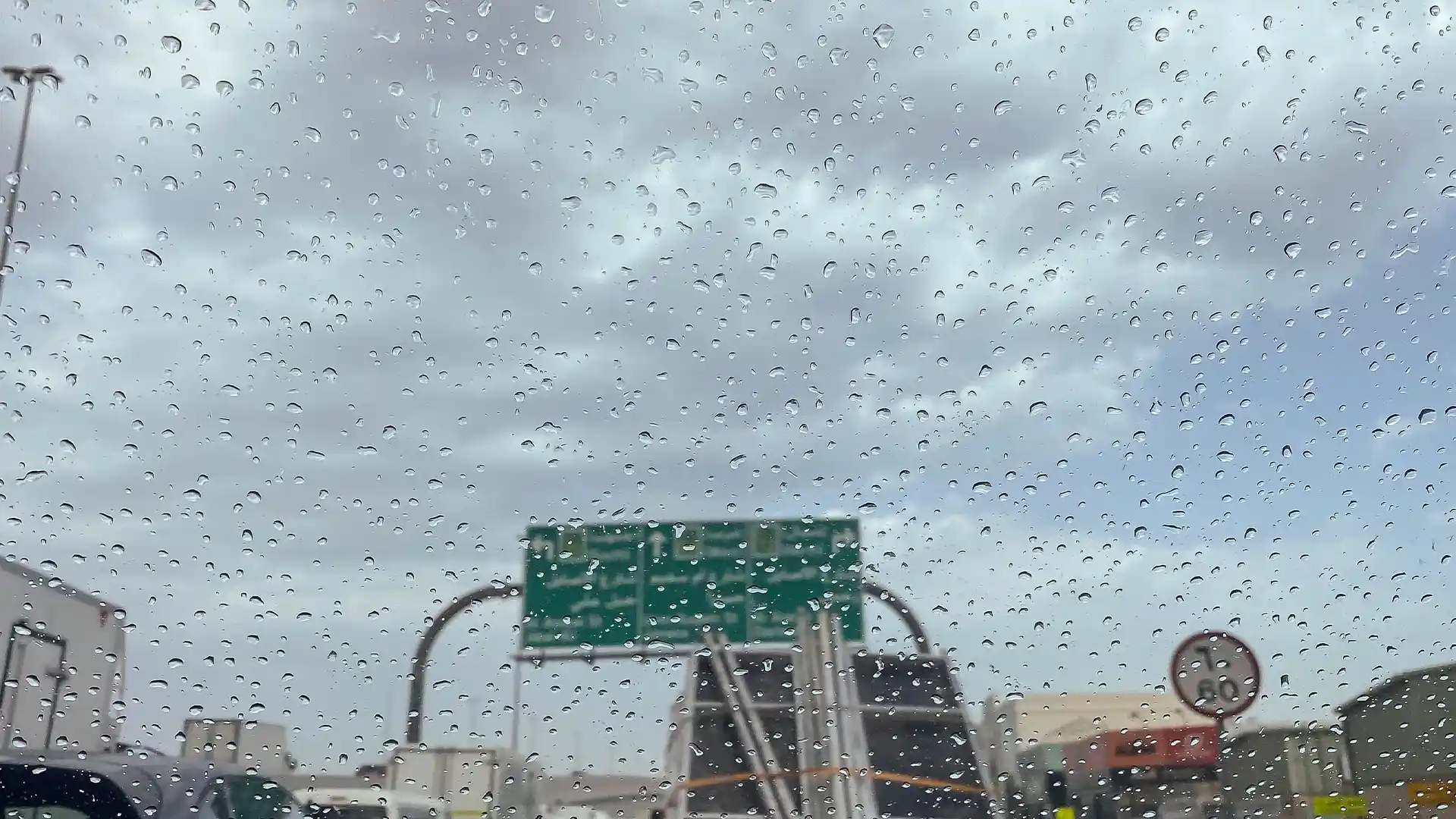
Residents of the United Arab Emirates should prepare for a range of weather conditions over the coming days as the country experiences fluctuating atmospheric patterns, according to the latest reports issued by the National Centre of Meteorology (NCM). On Saturday, January 10, meteorologists predict generally fair to partly cloudy skies across most regions, although localized areas in the eastern and northern parts of the UAE are expected to see low-lying clouds, accompanied by a possibility of rainfall. This development reflects the continuing variability in weather conditions that has characterized the UAE over the past week, with temperature fluctuations and periodic humidity creating a dynamic and occasionally unpredictable meteorological environment.
The NCM’s forecasts for the weekend come in the context of a broader pattern of humid and changeable weather that is expected to persist from Friday through Tuesday. During this period, residents may notice fog or light mist during the early morning hours, particularly in low-lying coastal and inland areas. These conditions are a result of nocturnal cooling combined with residual moisture in the atmosphere, creating a situation where visibility may be temporarily reduced. Such early-morning fog can affect traffic, transportation, and general outdoor activity, making it important for drivers and commuters to exercise caution.
Indeed, the NCM has issued a red alert for fog between 4:43 a.m. and 10:00 a.m., highlighting the potential severity and impact of these low-visibility conditions. During the fog advisory, drivers are urged to maintain safe distances, reduce speeds, and use headlights appropriately to ensure safety on the roads. This red alert indicates a heightened risk of accidents due to impaired visibility, particularly on highways and in areas prone to heavy fog accumulation.
In addition to the fog warning, a yellow alert has been issued for wind and thunder rain from 8:00 a.m. to 7:00 p.m., reflecting the possibility of sudden showers and gusty winds during daylight hours. These conditions may arise due to localized convective activity, where warm air near the surface rises and interacts with cooler air aloft, generating isolated thunderstorms and short bursts of precipitation. While such events are typically brief, they can be intense and are accompanied by strong, variable winds, which may affect outdoor activities, road conditions, and marine navigation.
Across the UAE, temperatures are expected to range between 9°C and 27°C, reflecting the significant diurnal variation common during this time of year. The Capital, Abu Dhabi, is forecast to experience a high of 23°C and a low of 16°C, suggesting mild daytime temperatures with cooler conditions overnight. Dubai, meanwhile, is expected to see a low of 16°C and a high of 24°C, indicating similar patterns of mild warmth during the day and a noticeable drop in temperature during the night. The northern emirates and interior regions may experience slightly lower temperatures at night, particularly in areas with open desert landscapes, where heat dissipates quickly after sunset.
By Saturday evening and into Sunday morning, humidity levels are predicted to increase in some coastal areas, further contributing to the likelihood of mist formation. High humidity, combined with cooler overnight temperatures, can result in condensation near the ground, producing a hazy or misty appearance that may last until mid-morning as the sun rises and temperatures begin to climb. Such conditions not only influence visibility but also create an atmospheric backdrop that may feel cooler and slightly damp to residents, particularly those engaging in early-morning outdoor activities.
Wind patterns are also expected to play a significant role in shaping weather conditions over the weekend. Light to moderate southeasterly to northeasterly winds are anticipated, with speeds generally ranging between 10 km/h and 25 km/h, occasionally gusting up to 35 km/h. These winds, while not extreme, can influence temperature perception and humidity, especially along coastal areas where they may interact with sea breezes. Residents should be mindful of sudden gusts that could affect lighter structures, outdoor equipment, or marine vessels.
Marine conditions are forecast to remain relatively calm, with the sea described as slight to moderate in both the Arabian Gulf and the Oman Sea. While these conditions are generally safe for recreational and commercial maritime activity, mariners are advised to remain alert for short-term increases in wind speed or sudden showers, which could temporarily affect sea state and visibility. Coastal residents, boat operators, and fishermen should plan activities accordingly and monitor updated marine forecasts throughout the weekend.
The UAE’s current weather pattern reflects a combination of several atmospheric factors, including residual moisture from previous rain events, regional high-pressure systems, and temperature gradients between the land and surrounding waters. The result is a mosaic of conditions that vary by emirate and even within smaller geographic areas, with some locations experiencing clear skies and others seeing cloud cover, mist, or isolated rain. Such variability is typical during transitional weather periods in the UAE, particularly in winter months when cooler air masses from neighboring regions interact with warm, humid air over the Gulf.
In addition to the meteorological implications, these conditions also have broader environmental and societal impacts. Humidity and cooler temperatures can affect human comfort, especially for individuals engaged in outdoor work or exercise. Early-morning fog and mist require adjustments for commuters and transport authorities, while localized rainfall can temporarily alter road conditions and increase the need for drainage management in urban areas. The interplay of wind, humidity, and temperature also affects aviation and marine operations, with pilots and ship operators relying on up-to-date weather information to ensure safe navigation.
Residents are encouraged to follow official NCM updates, particularly during alert periods, to stay informed about changing conditions. This includes checking for sudden rain showers, monitoring visibility in fog-prone areas, and paying attention to any adjustments in wind or marine conditions. In addition to following weather alerts, it is advisable for individuals to dress appropriately for the cooler night temperatures and potential humidity, carry suitable protective gear for rain, and exercise caution during early morning and late evening outdoor activities.
The forecasted weather also provides opportunities for residents to observe natural phenomena associated with fog, mist, and cloud cover. Humidity, for example, contributes to dew formation and can create visually striking scenes in coastal and desert areas. Photographers and nature enthusiasts may find these conditions ideal for capturing the atmospheric interplay of light, cloud, and moisture, particularly during sunrise and sunset. Similarly, marine conditions that are slight to moderate create relatively safe and stable environments for boating, fishing, and other recreational activities, provided that winds and precipitation are monitored.
Looking ahead, the continued presence of humid, changeable conditions through Tuesday suggests that residents will need to remain flexible in planning outdoor events, commutes, and recreational activities. Meteorologists emphasize that while forecasts provide general guidance, localized variations are likely, and microclimates within urban and coastal areas can lead to different experiences of temperature, humidity, and wind. Residents are therefore encouraged to adopt a proactive approach to weather awareness, combining official forecasts with real-time observations and practical preparedness measures.
In summary, the weather across the UAE on Saturday, January 10, will feature predominantly fair to partly cloudy skies, with low clouds and the chance of rain in some eastern and northern regions. Humidity will increase in coastal areas by Saturday night, creating the potential for mist, while winds will be light to moderate from the southeast to northeast, occasionally gusting higher. Temperatures will vary nationwide between 9°C and 27°C, with Abu Dhabi and Dubai experiencing highs in the low 20s and lows around 16°C. Marine conditions are expected to remain manageable, but residents are advised to heed alerts for fog, wind, and thunder showers issued by the National Centre of Meteorology.
By maintaining awareness of these evolving conditions, preparing for temperature fluctuations, and following official guidance, residents can safely navigate the weekend’s changing weather while enjoying the natural beauty and climatic variety that the UAE offers. Whether observing mist rising over the desert, monitoring clouds along the coastline, or planning recreational activities, staying informed will ensure that everyone remains safe, comfortable, and able to take full advantage of the region’s unique winter weather patterns.