Australia has declared a national emergency as widespread bushfires intensify, threatening lives, homes, and wildlife, prompting evacuations, firefighting efforts, and urgent government action across multiple regions amid extreme weather conditions.
Australia Declares Emergency as Widespread Bushfires Intensify
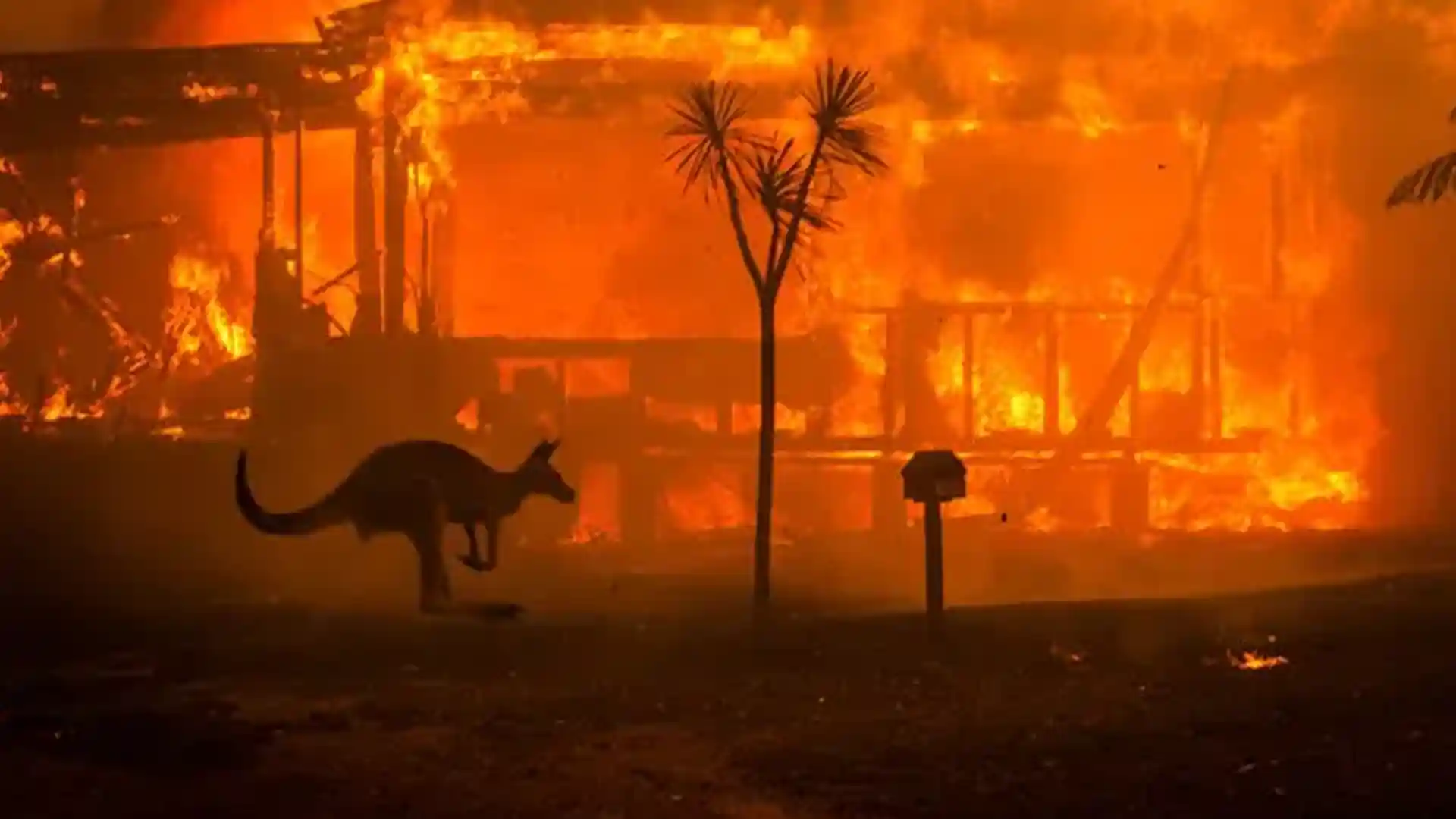
Australian officials have announced a state of disaster after severe bushfires tore through parts of the country’s southeast, destroying homes and scorching vast stretches of forested land. The declaration follows days of extreme heat and volatile weather that have created some of the most dangerous fire conditions seen in years.
Large areas of Victoria were gripped by an intense heatwave this week, with temperatures climbing beyond 40 degrees Celsius. Strong, dry winds added to the danger, rapidly spreading flames and creating conditions reminiscent of the catastrophic “Black Summer” fires of 2019–2020. Fire authorities warned that the combination of heat, wind, and dry vegetation significantly increased the risk of fast-moving and unpredictable blazes.
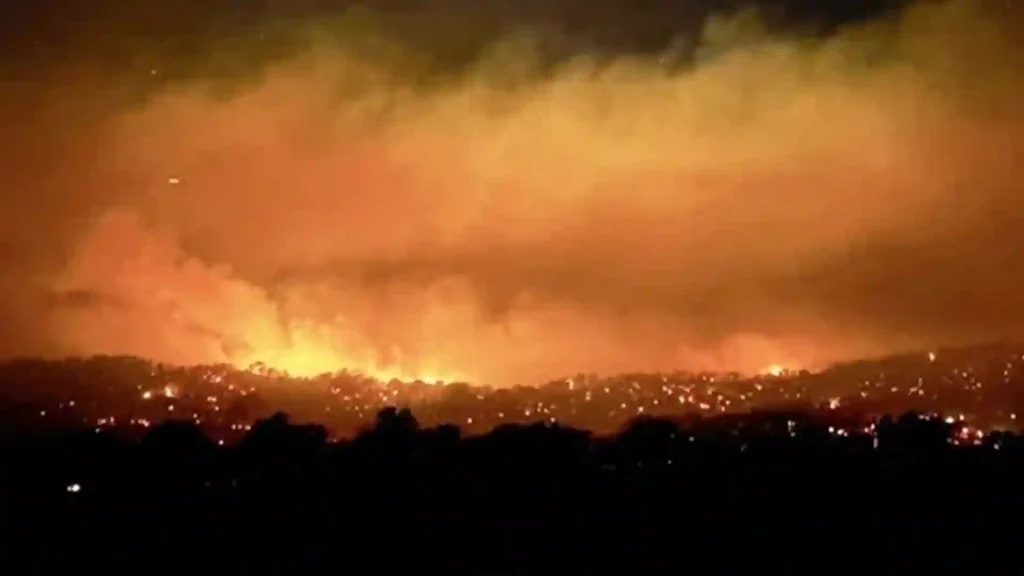
One of the most damaging fires burned close to 150,000 hectares near the town of Longwood, an area dominated by dense native forests. The fire tore through bushland with alarming speed, leaving behind a trail of destruction and forcing residents to flee. Images from the region showed skies glowing orange at night as flames advanced through the landscape.
Victoria’s Premier, Jacinta Allan, formally declared a state of disaster on Saturday, granting emergency services expanded powers to manage the crisis. These measures allow authorities to order mandatory evacuations in high-risk zones and restrict access to dangerous areas. Allan stressed that the decision was made with public safety as the highest priority
She urged residents to follow official warnings without hesitation, emphasizing that evacuation orders are issued only when conditions become life-threatening. According to Allan, the declaration sends a clear signal to communities that compliance with emergency advice could save lives. She also confirmed that three individuals previously reported missing within one of the most dangerous fire zones were later located safely.
Emergency Management Commissioner Tim Wiebusch reported widespread damage across the state. At least 130 structures have been destroyed, including homes, farm buildings, and sheds. In addition to property losses, the fires have taken a heavy toll on agriculture, with livestock, crops, and vineyards either damaged or completely wiped out in several regions.
Although weather conditions eased slightly, Wiebusch warned that the situation remains far from over. Around ten major fires were still actively burning, and many were expected to continue for days or even weeks. He also cautioned that new fires could ignite following recent lightning strikes that occurred throughout the afternoon and overnight, further stretching firefighting resources.
The most severe fires have largely affected sparsely populated rural areas, where small towns and farming communities are scattered across large distances. While population density is low, residents in these areas face limited escape routes and reduced access to emergency services, increasing the risks during fast-moving fire events.
Personal accounts from those affected reveal the fear and chaos caused by the advancing flames. A cattle farmer from the region described embers raining down and smoke filling the air as the fire approached, calling the experience terrifying. In another incident near the small town of Walwa, a bushfire burned with such intensity that it generated its own localized thunderstorm, fueled by extreme heat rising from the blaze.
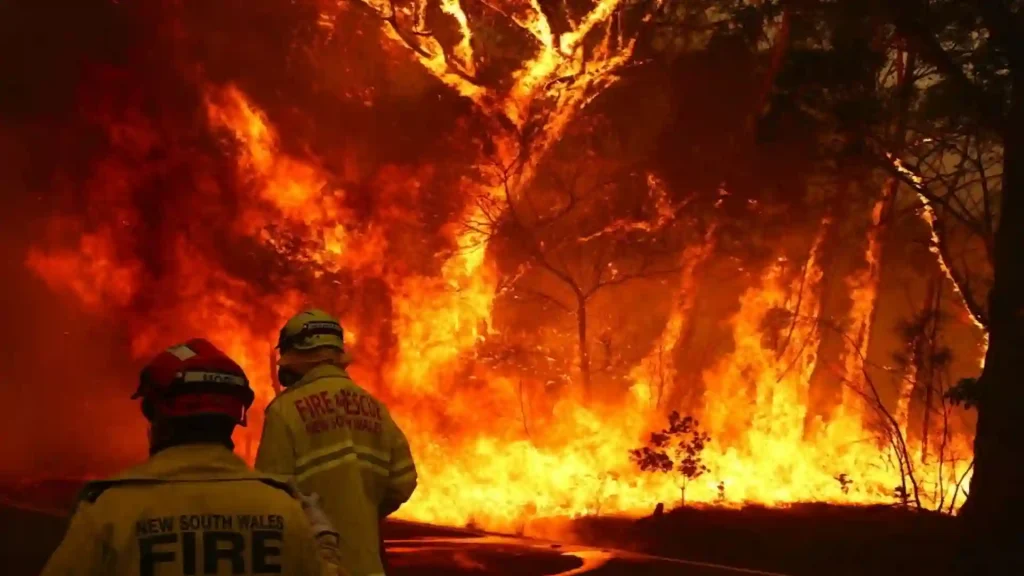
To combat the crisis, hundreds of firefighters from across Australia have been deployed to Victoria. Crews are working around the clock to contain fires, protect homes, and establish firebreaks where possible. Meanwhile, millions of residents across southeastern Australia endured oppressive heat during the week, further complicating firefighting and recovery efforts.
The extreme temperatures have also had devastating effects on wildlife. In South Australia, wildlife rescue groups reported the deaths of hundreds of baby bats, which succumbed to the heat as temperatures remained dangerously high. Conservationists warn that such events are becoming more frequent and pose serious threats to already vulnerable species.
The current crisis has revived memories of the Black Summer bushfires, which burned across eastern Australia from late 2019 into early 2020. Those fires destroyed millions of hectares of land, claimed lives, razed thousands of homes, and blanketed major cities in thick, toxic smoke for weeks. The scale of devastation left a lasting impact on communities and reshaped national conversations around disaster preparedness and climate resilience.
Scientists have noted that Australia’s climate has warmed by approximately 1.51 degrees Celsius since 1910. This long-term warming trend has contributed to more frequent and intense heatwaves, prolonged droughts, and extreme fire weather across the continent. Researchers warn that without significant action, such conditions are likely to become increasingly common.
Despite growing awareness of climate risks, Australia remains one of the world’s leading producers and exporters of coal and natural gas—fossil fuels widely linked to global warming. The ongoing bushfire emergency highlights the tension between economic reliance on these industries and the escalating environmental and human costs associated with climate change.