Donald Trump proposes a one-year cap limiting credit card interest rates to 10%, arguing the temporary measure would ease consumer debt burdens and provide financial relief during economic uncertainty nationwide.
Trump Calls for Temporary 10% Credit Card Interest Limit
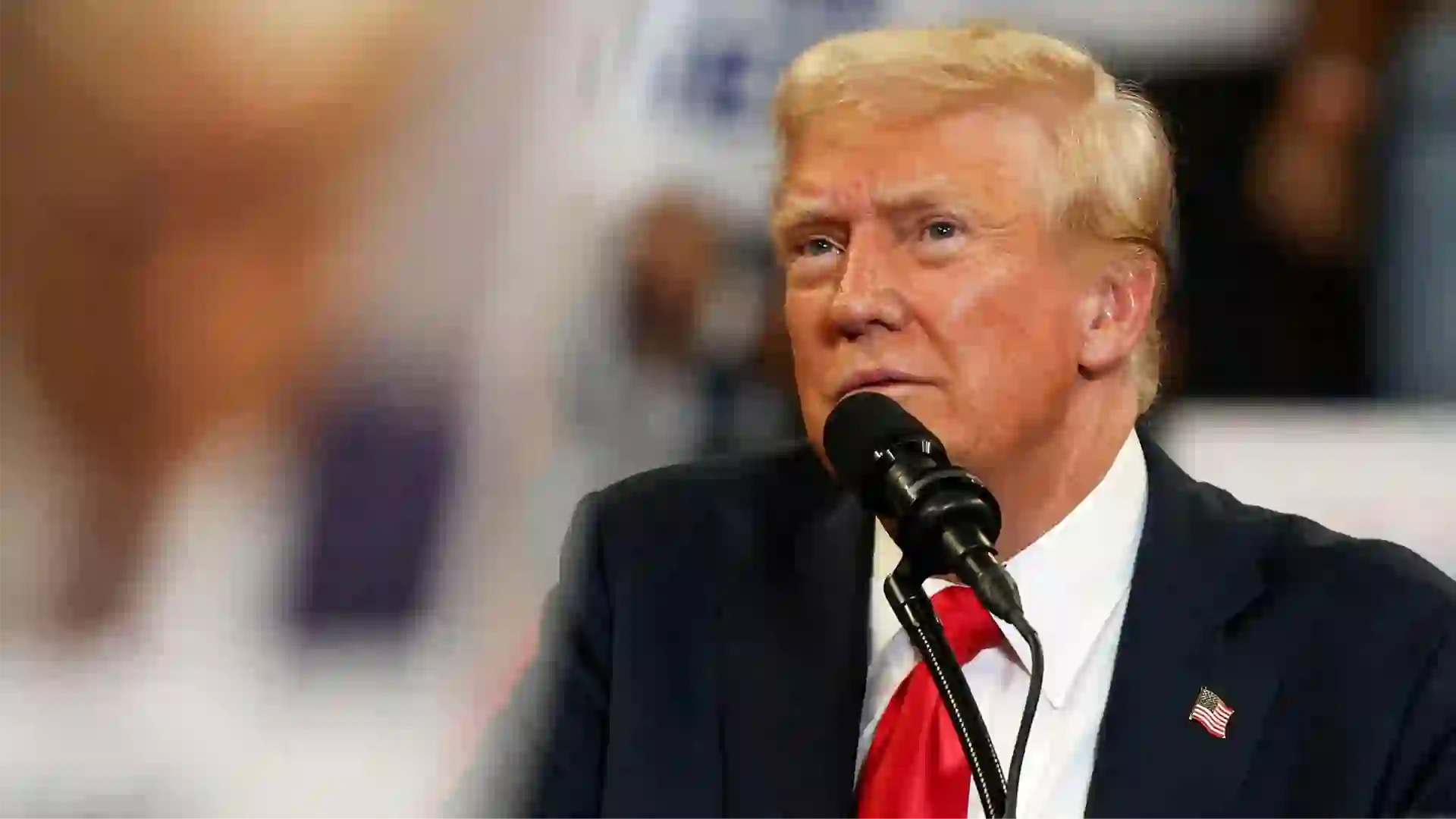
U.S. President Donald Trump announced on Friday that he wants to impose a temporary cap on credit card interest rates, limiting them to 10% for a one-year period beginning January 20. However, he offered no clear explanation of how the proposal would be implemented or how credit card companies would be compelled to follow it.
Trump had previously floated the idea during his successful 2024 presidential campaign, though it was widely dismissed by policy analysts at the time. Experts argued that enforcing such a cap would require legislation passed by Congress rather than unilateral executive action. Despite skepticism, concerns about soaring credit card interest rates have drawn bipartisan attention, with lawmakers from both major parties acknowledging the financial strain placed on American consumers. Republicans currently maintain slim control of both the Senate and the House of Representatives.
Although several bills have been introduced in Congress to address high credit card interest rates, none have yet become law. In his recent statement, Trump did not endorse any specific piece of legislation or outline a legislative strategy to turn his proposal into reality. This lack of detail has drawn criticism from opposition lawmakers, who argue that Trump has failed to follow through on a key campaign promise.
In a post on his social media platform, Truth Social, Trump wrote, “Effective January 20, 2026, I, as President of the United States, am calling for a one-year cap on credit card interest rates of 10%.” He did not elaborate on enforcement mechanisms or legal authority. Trump added that his goal was to stop credit card companies from exploiting consumers, saying Americans would no longer be “ripped off” by excessive interest charges.
Democratic Senator Elizabeth Warren, a senior member of the Senate Banking Committee and a long-time advocate for consumer financial protections, criticized Trump’s announcement. She said the proposal carried little weight without concrete legislative action. According to Warren, simply urging companies to cooperate is ineffective, and she reiterated that meaningful reform requires Congress to pass binding laws. Warren also took the opportunity to condemn Trump’s broader efforts to weaken the Consumer Financial Protection Bureau, which oversees financial institutions and consumer protections.
The White House declined to provide detailed clarification in response to media inquiries, offering only a brief statement on social media claiming the president was capping credit card interest rates, without explaining how this would be done.

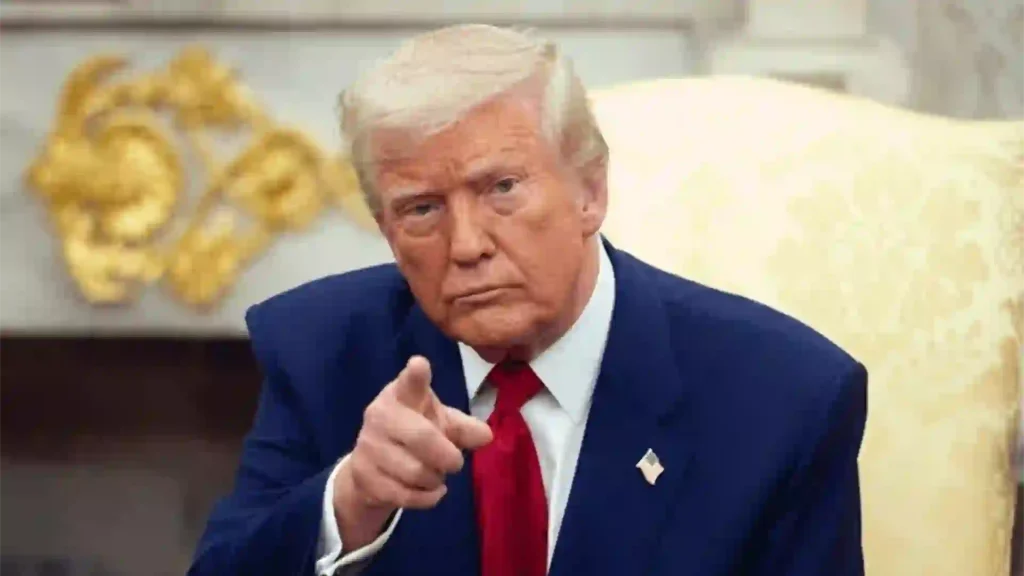
Major financial institutions and credit card issuers, including American Express, Capital One, JPMorgan Chase, Citigroup, and Bank of America, did not respond to requests for comment regarding Trump’s proposal. Meanwhile, several banking industry groups issued a joint statement warning that a 10% cap could have unintended consequences. The statement argued that such limits would restrict access to credit and push consumers toward alternative lenders that are less regulated and potentially more expensive.
The joint statement came from influential industry organizations, including the Consumer Bankers Association, the Bank Policy Institute, the American Bankers Association, the Financial Services Forum, and the Independent Community Bankers of America. These groups emphasized that while high interest rates are a concern, strict caps could destabilize lending markets.
Despite industry opposition, bipartisan interest in addressing credit card rates has existed for years. Senator Bernie Sanders, an independent who often criticizes Trump, previously partnered with Republican Senator Josh Hawley to introduce legislation that would cap credit card interest rates at 10% for a five-year period. That proposal aimed to mandate compliance from credit card companies as part of a broader consumer protection framework.
In the House of Representatives, Democratic Congresswoman Alexandria Ocasio-Cortez and Republican Congresswoman Anna Paulina Luna have also introduced legislation seeking to impose a similar 10% limit. Their joint effort reflects rare cross-party cooperation on an issue affecting millions of Americans struggling with high-interest debt.
Not all of Trump’s allies support the idea. Billionaire hedge fund manager Bill Ackman, who endorsed Trump during the most recent election cycle, publicly criticized the proposal on social media platform X, calling it a mistake and questioning its economic impact.
Trump’s renewed focus on credit card rates comes amid a broader rollback of consumer protection measures enacted under former President Joe Biden. Last year, the Trump administration moved to eliminate a regulation that capped credit card late fees at $8. The administration argued that the rule was unlawful and sided with banking and business groups that challenged it in court.
The Justice Department, acting at the administration’s request, asked a federal judge to strike down the late-fee cap. The court ultimately agreed, overturning the regulation and removing the limit on late fees. Critics have pointed to this action as evidence that Trump’s consumer-friendly rhetoric may not align with his administration’s policy decisions.As the debate continues, Trump’s call for a temporary interest rate cap has reignited discussions in Washington about how best to address rising consumer debt. While the proposal has drawn attention, its future remains uncertain without legislative backing or a clear enforcement plan.