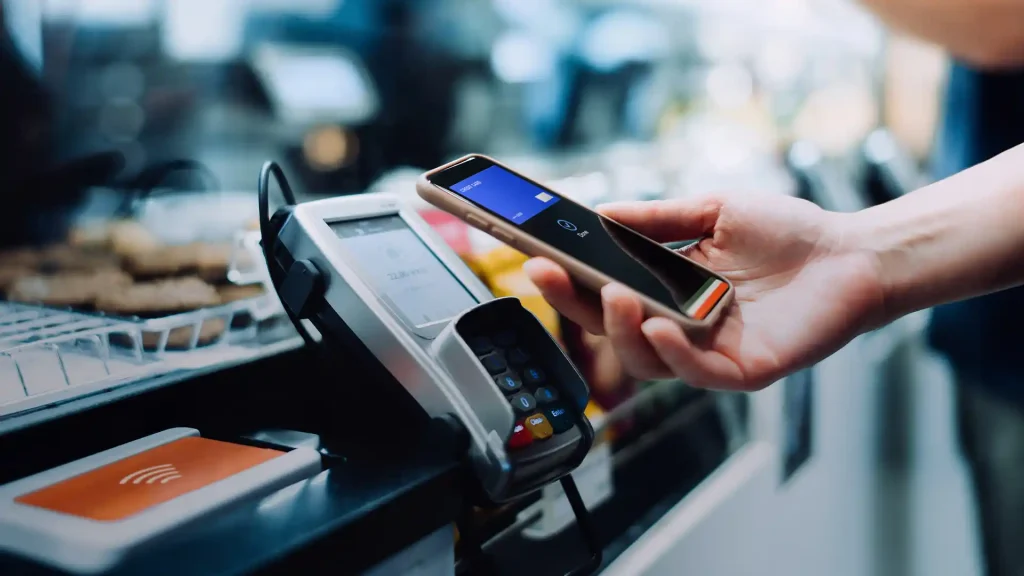
Digital payment methods are increasingly becoming the preferred choice among young Emiratis, as convenience, speed, and mobile-first lifestyles drive them to move away from traditional bank cards for everyday transactions.
Why Digital Payments Are Replacing Bank Cards Among Young Emiratis.
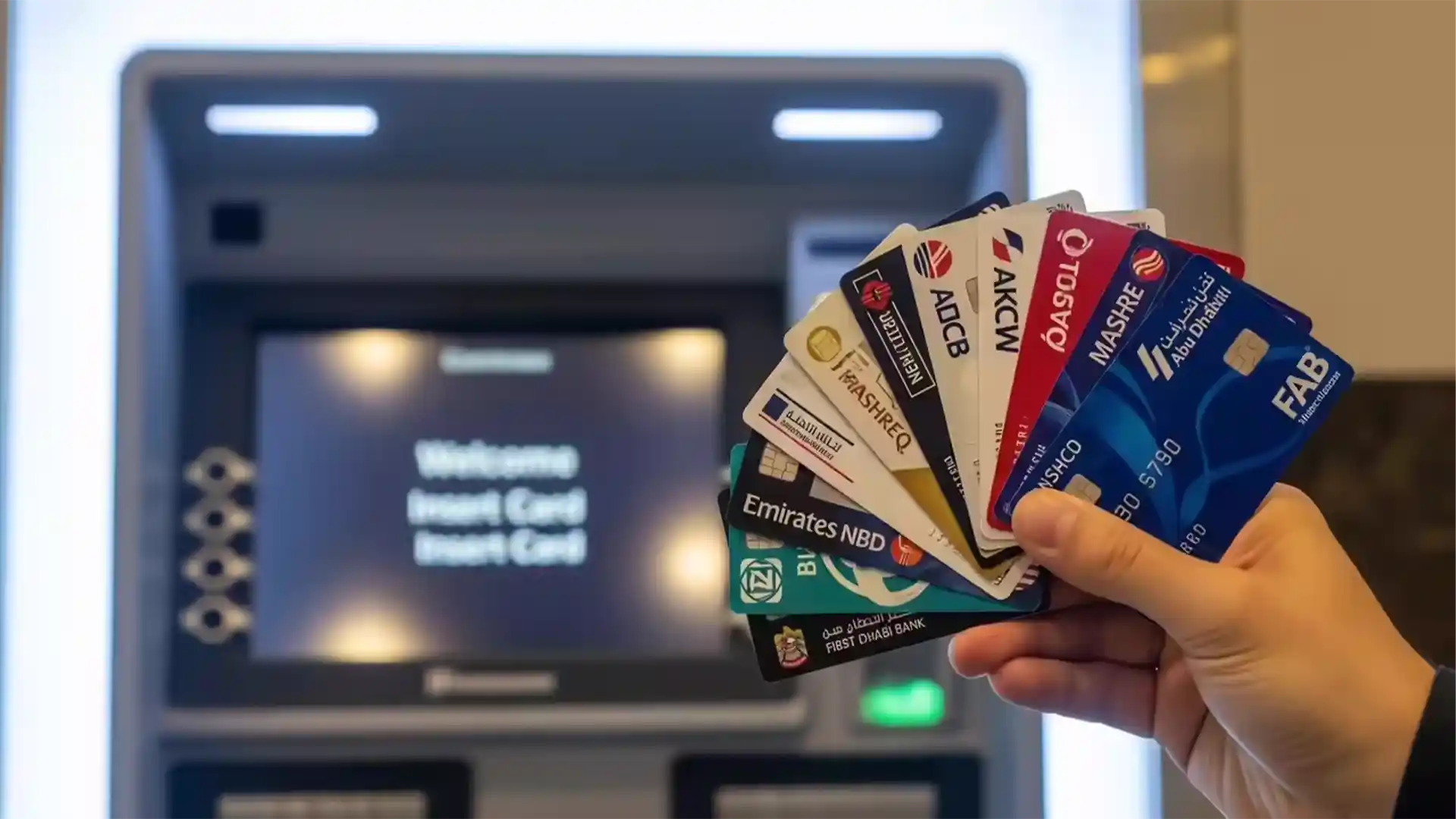
Physical bank cards are increasingly becoming an afterthought for many university students in the UAE, as smartphones take centre stage in how young people pay for everyday expenses. For a growing number of young Emiratis, traditional plastic cards now sit unused in wallets or are left at home entirely, replaced by mobile payment platforms that promise speed, convenience, and enhanced security in one of the world’s fastest-moving cashless economies.
Across campuses and social spaces, students say they can hardly remember the last time they pulled out a physical card to pay. Instead, a quick tap of a phone or smartwatch has become second nature. Digital wallets such as Apple Pay, Samsung Pay, and other mobile payment services have transformed daily transactions, from buying coffee to paying for transport, groceries, and entertainment.
Omar Mustafa, a university student in the UAE, says his shift to digital payments happened almost without effort. “I use Apple Pay for everything,” he said, explaining that his physical card hasn’t left his drawer in months. “It’s quicker, and I don’t have to think about carrying a wallet anymore.” For Mustafa, the turning point came during the Covid-19 pandemic, when contactless payments became not just a convenience but a necessity. “At the time, touching card machines felt risky. Once I realised I could just use my phone almost everywhere, there was no reason to go back.”
His experience mirrors that of many students who describe a seamless transition from cards to mobile wallets. What began as a health-driven shift during the pandemic has since evolved into a long-term habit, supported by widespread acceptance of digital payments across the Emirates. Students say the infrastructure is now so advanced that they rarely stop to check whether a shop accepts contactless payments. Instead, they assume it will.
From major shopping malls and supermarkets to small cafés, food trucks, and campus kiosks, tap-to-pay terminals have become the norm. Public transport systems and service counters also support mobile payments, reinforcing the idea that a smartphone is all that’s needed to move through daily life. For many young people, this has fundamentally changed how they think about money and spending.
University students told Insider 18 that speed is one of the main reasons they prefer digital wallets. Transactions take seconds, receipts are stored automatically, and there’s no need to fumble with cards or cash. When you’re rushing between classes or meeting friends, that time difference matters,” one student said. “You just tap and go.
Security is another major factor driving adoption. Many students feel safer using mobile wallets than carrying physical cards, which can be lost, stolen, or skimmed. Digital payment systems rely on encryption and tokenisation, meaning actual card details are never shared during a transaction. Instead, a unique digital code is generated for each purchase, significantly reducing the risk of fraud.
Mustafa says this added layer of protection gives him peace of mind. “I get instant notifications on my phone every time I spend money,” he explained. “If something looks wrong, I’ll know immediately. With a card, you might not notice until later.” Biometric authentication, such as fingerprint or facial recognition, adds another barrier against unauthorised use, making mobile payments especially appealing to tech-savvy users.
The rise of digital payments among young Emiratis is also reflected in national data. According to figures from the UAE Central Bank, mobile wallet transactions recorded strong double-digit growth last year, with younger age groups leading the trend. Financial institutions and fintech companies have responded by expanding digital offerings, integrating loyalty programmes, budgeting tools, and spending insights directly into mobile apps.
For students, these features go beyond convenience. Many say digital wallets help them manage their finances more effectively. Spending histories are easy to review, monthly expenses can be tracked in real time, and budgeting feels more transparent. “It’s easier to stay aware of where your money is going,” said one student. “Everything is recorded automatically.”
Social habits have also adapted to the cashless shift. Splitting bills, sending money to friends, and paying for group activities are now handled through apps rather than cash exchanges or bank transfers. This ease of peer-to-peer payments has further reduced the need for physical cards, especially among younger users who value simplicity and speed.
While older generations may still prefer carrying a wallet, many students see physical cards as unnecessary. Some keep one as a backup, but few rely on it daily. “It’s not that cards are bad,” one student said. “They just don’t feel essential anymore.”
As the UAE continues to position itself as a global leader in digital innovation, the habits of its younger population offer a glimpse into the future of payments. For today’s university students, cashless living isn’t a trend—it’s the default. And as digital infrastructure continues to expand, the sight of unused bank cards gathering dust may become even more common.
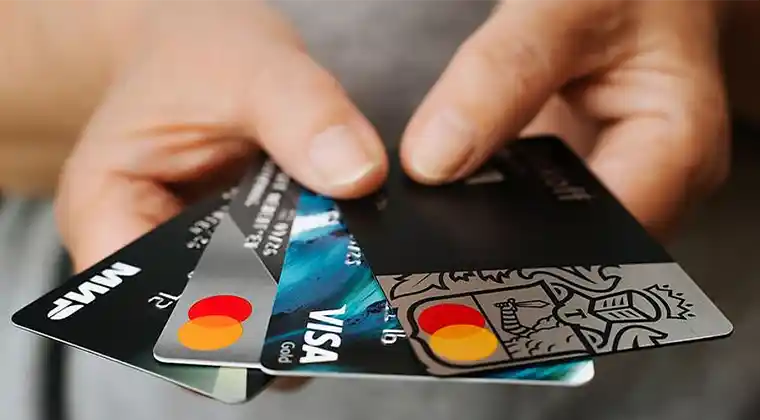
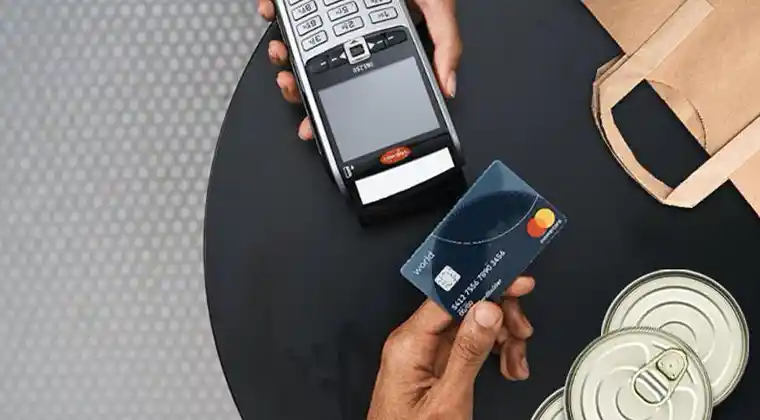
While digital payments offer undeniable ease, they also bring a new set of concerns for young users. One of the most common worries is what students now refer to as “battery anxiety.” Mustafa admits that relying entirely on a smartphone can be stressful. If his phone runs out of power, he has no immediate way to pay. In that moment, being unable to make a purchase feels similar to leaving home without a wallet, a situation many young people now experience in a modern, tech-driven form.
To manage this risk, some students choose not to abandon physical cards entirely. Falah Faris says he relies on mobile payments for most purchases but still carries a bank card as a precaution. “Apple Pay is my go-to,” he explained, “but I always keep my card with me just in case.” He notes that although digital payments are widely accepted, there are still occasional situations where traditional cards are required. For many students, cards have shifted from being a daily necessity to an emergency backup.
Faris also raises broader concerns around privacy. Unlike cash, digital transactions leave detailed trails, recording when, where, and how money is spent. “Nothing is really private anymore,” he said, pointing out that banks and payment platforms can analyse consumer behaviour in ways that weren’t possible before.
Others remain more comfortable with traditional methods. Abdulla AlAmeri says he continues to favour physical cards, explaining that swiping a card feels more reliable to him. He worries about technical failures, phone malfunctions, or system outages, highlighting how trust in tangible tools still matters.
Payment experts in the UAE echo these concerns, noting that modern financial risk often stems from dependence on a single device or network. While digital payments are safe and efficient, they advise users to keep alternatives available to avoid disruptions.
Looking ahead, students expressed a wide range of views on where payment habits in the UAE are ultimately heading, but all agreed on one point: the shift toward digital finance is no longer theoretical—it is already shaping everyday life.
For Omar Mustafa, the future feels inevitable and deeply technological. He believes payment methods will move beyond phones altogether and become even more seamless. “Biometrics are next,” he said, predicting that facial recognition or fingerprint-based payments will soon replace the need for cards or even mobile wallets. In his view, physical bank cards are on the same path as cheques—once essential, now largely obsolete. “In a few years, pulling out a card will probably feel strange,” he added, suggesting that younger generations will grow up without ever forming a strong attachment to plastic payments.
Others envision a more balanced evolution rather than a complete replacement. Falah Faris expects digital wallets to continue expanding rapidly but believes banks and financial institutions will adjust to ensure multiple payment options remain available. “Digital payments will keep growing, no doubt,” he said, “but banks won’t just abandon cards overnight.” Instead, he anticipates a period of coexistence, where physical cards, mobile wallets, and new technologies operate side by side, allowing consumers to choose what best suits their needs.
Abdulla AlAmeri takes a more cautious stance, shaped by habit and trust in traditional systems. While he acknowledges that digital payments will likely become dominant, he believes many people—particularly those who didn’t grow up with smartphones—will still want alternatives. “It’ll probably be mostly digital,” he said, “but people my age and older will still want options.” His perspective highlights a generational divide, where comfort with technology plays a major role in how quickly individuals embrace change.
Beyond individual opinions, a broader trend is already taking shape among university students. Increasingly, they are storing their bank cards digitally within government-linked super-apps and transport platforms, reducing the need to carry physical cards at all. Applications such as TAMM and integrated transit systems now allow users to access payment features, identification services, and transport tickets in one place. For many students, this consolidation has further reduced reliance on wallets, as their phone becomes a single gateway to both financial and civic services.
This shift reflects a wider transformation in how young people interact with institutions. Rather than seeing banks, transport authorities, and government services as separate entities, students are growing accustomed to unified digital ecosystems. Payments are no longer a standalone action but part of a connected network that includes identity verification, location services, and real-time data tracking.
Experts say this integration is likely to deepen in the coming years, particularly as the UAE continues to invest heavily in smart-city infrastructure and digital governance. As more services become interconnected, the boundary between financial transactions and daily activities will continue to blur. Paying for transport, accessing public services, or even entering buildings may increasingly rely on the same digital credentials.
What stands out most is that young people are not waiting for the future to arrive—they are already adapting to it. Rather than questioning whether digital payments will take over, students are focused on managing the realities that come with them: device dependence, privacy concerns, and the need for backup systems. Their conversations revolve less around “if” and more around “how” to live comfortably in a fully connected environment.
This practical mindset reflects a generation that has grown up alongside rapid technological change. For them, adapting to new systems is not disruptive but expected. Payment methods, like social media platforms or mobile apps, are seen as tools that evolve constantly. Loyalty to a single format—whether cash, card, or phone—is less important than ease, reliability, and speed.
At the same time, the diversity of opinions shows that the transition will not be uniform. While some students are eager to embrace biometric and device-free payments, others remain cautious, valuing redundancy and choice. This mix of enthusiasm and hesitation is likely to shape how financial institutions design future products, pushing them to innovate while maintaining trust.
What is undeniable, however, is that the direction of travel is clear. Digital payments are no longer an emerging trend; they are embedded in daily routines across campuses and cities. From buying coffee to commuting, from splitting bills to accessing government services, smartphones have become central to financial life.
In this environment, physical cards are steadily losing their status as primary tools. For many students, they now exist mainly as backups—used rarely, but kept for reassurance. As digital systems become more resilient and inclusive, even that role may diminish.
Ultimately, the story unfolding among UAE students is not just about payments. It is about how a generation navigates trust, convenience, and control in an increasingly digital world. As the internet of things expands and everyday objects become connected, financial transactions will continue to fade into the background—fast, invisible, and automatic.
Rather than debating the dominance of digital payments, young Emiratis are already living within that reality, learning its advantages, confronting its challenges, and shaping how it will evolve.