Ongoing conflict in Syria’s Aleppo has forced authorities to close schools and public institutions, as clashes persist, disrupting education, daily services, and civilian life across affected areas citywide for residents.
Ongoing Conflict Leads to School and Institution Closures in Aleppo
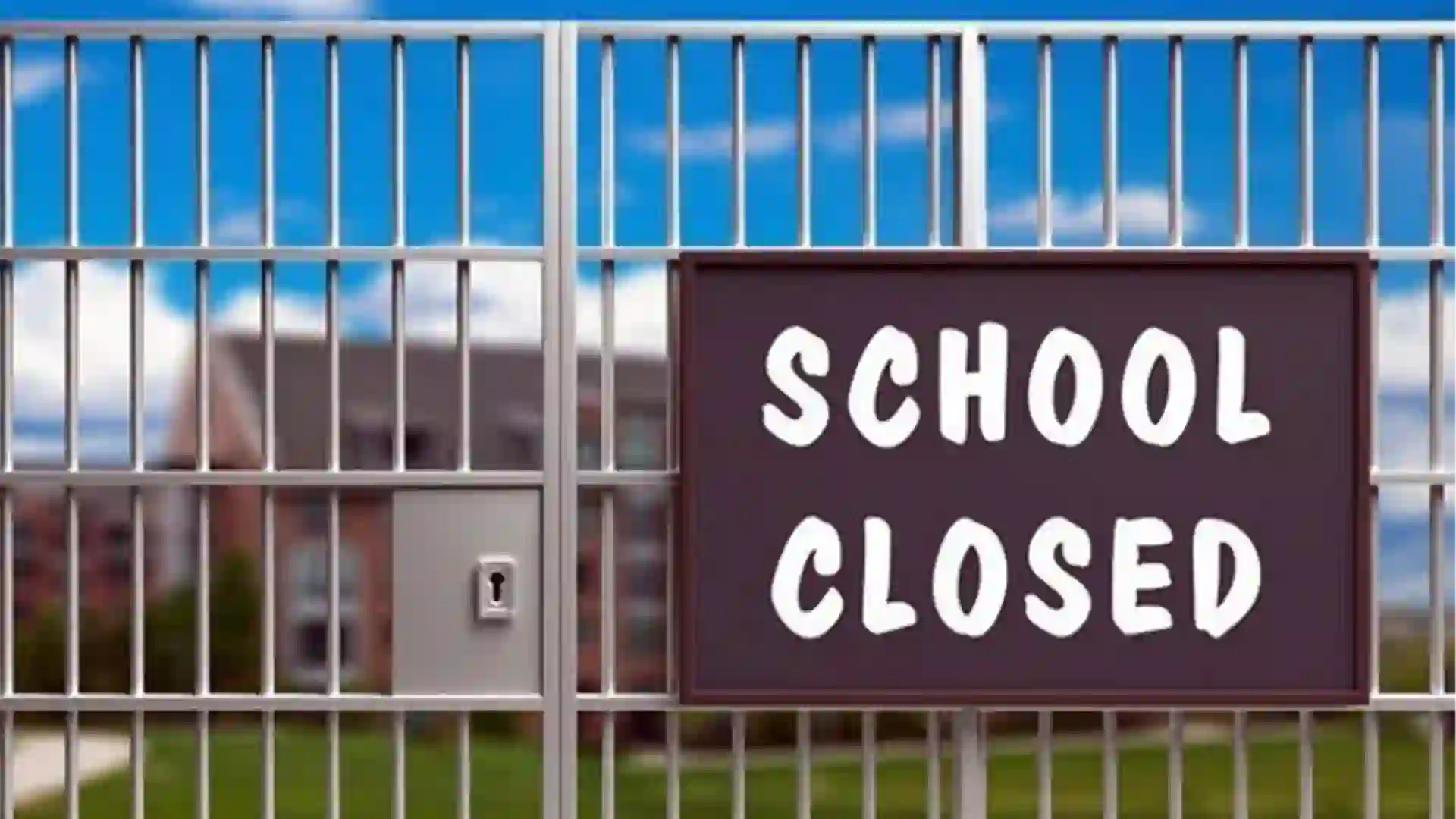
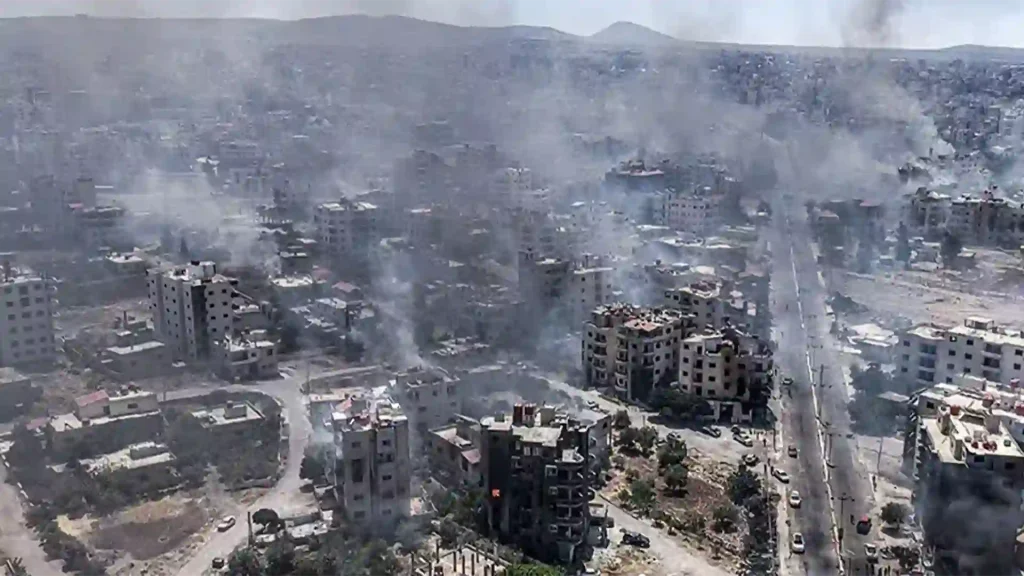
Schools, universities, and government institutions across Syria’s northern city of Aleppo were ordered to close on Wednesday as intermittent fighting between government forces and Kurdish-led groups entered its second consecutive day, according to reports carried by state-run media and confirmed by local residents.
The renewed violence, which began on Tuesday, has heightened tensions in the city and disrupted daily life for thousands of civilians. Officials said the clashes marked the most serious confrontation between the two sides in recent months, coming amid stalled efforts to implement a political agreement reached earlier this year.
Residents described Aleppo as virtually deserted by nightfall. Streets were empty, businesses shut their doors, and large areas were plunged into darkness due to power outages. “The city felt abandoned,” said 50-year-old Abdul Karim Baqi in comments shared with Insider18. “There was no movement, no shops open, and many neighborhoods had no electricity.
Baqi, who lives in one of Aleppo’s predominantly Kurdish districts, said he fled his home to stay with relatives after the fighting intensified. Like many others, he feared that the situation could deteriorate further if hostilities continued.
According to Syria’s official news agency, government-held areas of Aleppo were shelled from Kurdish neighborhoods, prompting Syrian troops to respond. The exchange of fire reportedly continued sporadically throughout the day, despite calls from both sides for restraint.
However, Kurdish officials strongly rejected claims that their forces initiated the shelling. Abdul Karim Omar, the Kurdish autonomous administration’s representative in Damascus, told Insider18 that discussions were underway to calm the situation and prevent further escalation. He said efforts were being made to de-escalate tensions through communication channels involving local mediators.
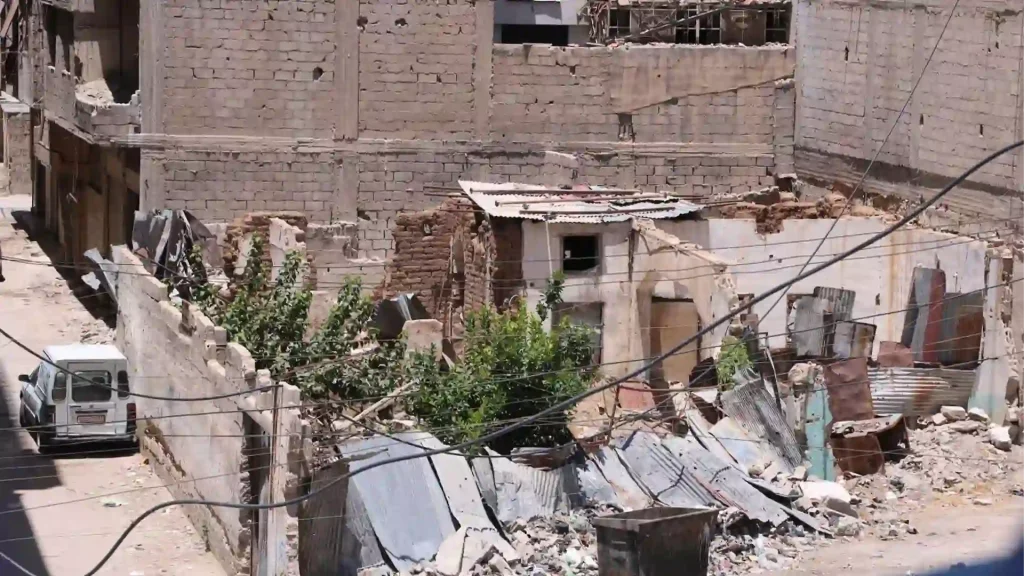
Omar also stated that the Kurdish-majority neighborhoods of Ashrafieh and Sheikh Maqsud were effectively under siege. He denied that any attacks were launched from those districts, noting that security there is handled by the Asayish internal security forces, who are lightly armed and tasked mainly with maintaining order rather than engaging in combat.
“The Asayish do not possess heavy weapons,” Omar said, adding that accusations of shelling from Kurdish areas were unfounded. He warned that continued pressure on these neighborhoods could worsen humanitarian conditions for civilians trapped inside.
The impact of the violence was not limited to residential areas. On Tuesday, civil aviation authorities announced the temporary suspension of all flights to and from Aleppo International Airport for 24 hours. Incoming and outgoing flights were redirected to Damascus as a precautionary measure, the state media reported. The closure added to the sense of isolation felt by residents and disrupted travel and commerce.
Authorities also confirmed that all schools, universities, and government offices in the city were closed until further notice, citing safety concerns. Parents expressed anxiety over their children’s education, while public sector workers said the shutdown underscored the seriousness of the situation.
The clashes resulted in at least nine fatalities, most of them civilians, according to local sources. Each side accused the other of triggering the fighting, deepening mistrust and complicating attempts to restore calm.
For many residents, the violence revived painful memories of the Syrian civil war, during which Aleppo was one of the country’s most heavily contested cities. “It brought back the fear we felt years ago,” said 53-year-old housewife Joud Serjian, who lives in the Syriac Quarter near Ashrafieh. “The sounds and tension reminded us of the war.”
Despite the danger, Serjian said she and her family had decided to remain in their home. “We don’t have anywhere else to go,” she said. “So we will stay and hope the situation improves.”
Aleppo endured years of devastating fighting during the civil war, with control of the city shifting between rebel groups and forces loyal to former president Bashar al-Assad. Government troops ultimately regained full control in 2016 after a prolonged and destructive battle that left much of the city in ruins.
Assad himself was removed from power in 2024 following a rapid offensive led by Islamist factions, ushering in a new political phase for Syria. In March, the country’s new leadership reached an agreement aimed at integrating the Kurdish autonomous administration and its military structures into the national framework by the end of 2025.
However, progress on implementing the deal has been slow. Kurdish leaders continue to advocate for a decentralized system of governance that would grant greater autonomy to Kurdish regions. Syria’s new authorities have firmly rejected this proposal, insisting on maintaining centralized control over the state.
The deadlock over political integration has fueled uncertainty and mistrust, particularly in sensitive areas such as Aleppo, where multiple communities coexist. Observers warn that unless meaningful dialogue resumes, sporadic clashes could become more frequent.
For now, residents remain caught between political disagreements and armed confrontations, hoping that renewed efforts at de-escalation will prevent Aleppo from once again becoming a major battleground. As one local resident told Insider18, “People here just want peace and a chance to live normally again.”