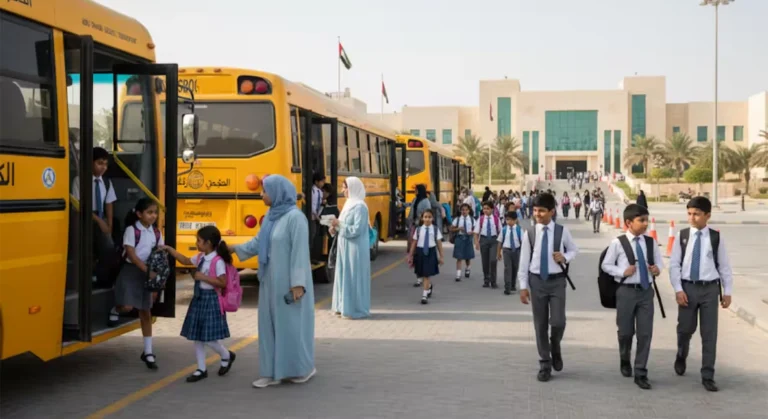
“The Dubai government has set aside AED 10 million to assist families who are facing difficulties in paying their rent, providing financial support to help prevent housing defaults and ensure stability for affected households.”
“Dubai Allocates AED 10 Million to Support Families Struggling with Rent Payments”.

Dubai has introduced a new humanitarian and social support programme aimed at easing the financial pressures faced by families struggling to meet rental obligations, as rising housing costs continue to challenge residents across the emirate. The initiative, named “Stir,” includes a dedicated allocation of Dh10 million and is designed to offer relief to eligible families affected by rent-related disputes and enforcement cases.
The programme has been jointly launched by the Rental Disputes Center (RDC) and the Mohammed bin Rashid Al Maktoum Charitable Establishment, reflecting a coordinated effort between judicial and charitable institutions to address one of the most pressing socio-economic concerns in Dubai today. The initiative aligns with the broader vision of the UAE leadership, which has designated 2026 as the “Year of the Family,” underscoring the nation’s commitment to reinforcing family stability, social cohesion, and overall quality of life.
At its core, the “Stir” initiative seeks to protect families from the severe consequences of rental defaults by providing structured financial assistance, resolving outstanding disputes, and facilitating the closure of long-standing enforcement cases. Officials have emphasised that the programme is not merely a financial intervention but a comprehensive social support mechanism aimed at preserving dignity, stability, and security for families facing economic hardship.
According to projections released alongside the announcement, the initiative is expected to have a wide-reaching and measurable impact. It will contribute to the release of 111 individuals detained due to rent-related cases, assist in the settlement of 187 enforcement files, and provide direct support to 232 families who meet the eligibility criteria. These outcomes are expected to significantly reduce the burden on affected households while also streamlining the judicial process related to rental disputes.
The “Stir” programme will remain in effect throughout the entirety of 2026, allowing sufficient time for implementation, assessment, and refinement. During this period, the initiative will focus on resolving accumulated financial liabilities, supporting tenants facing legal consequences due to non-payment of rent, and enabling the Rental Disputes Center to close as many enforcement files as possible. By doing so, authorities aim to reduce both social strain and administrative backlog while delivering meaningful relief to residents in need.
The timing of the initiative is particularly significant given the sharp rise in rental costs across Dubai and the wider UAE in recent years. Following a sustained four-year upward trend, rents have reached levels that many residents—especially families—find increasingly difficult to manage. Housing expenses now represent a substantial portion of household spending, leaving little room for savings or unforeseen financial shocks. Studies and market analyses consistently show that rent consumes a large share of monthly income for many residents, making it one of the most critical cost-of-living challenges in the country.
Against this backdrop, initiatives such as “Stir” play a crucial role in mitigating the social impact of rising housing costs. By intervening at a critical juncture, the programme offers families a pathway to recover from financial setbacks without facing long-term consequences such as detention, eviction, or prolonged legal disputes. It also reflects a broader policy approach that balances economic growth with social responsibility.
Judge Abdulqader Mousa Mohammed, Chairman of the Rental Disputes Center in Dubai, highlighted the broader mission of the RDC in his remarks on the initiative. He explained that the Center’s responsibilities extend far beyond the execution of judicial procedures and enforcement actions. Instead, the RDC views itself as an institution that must stand alongside families during times of financial distress.
“Our role is not limited to issuing rulings or enforcing judgments,” he said. “It also involves supporting families who are facing genuine financial hardship. Through initiatives like ‘Stir,’ we reinforce the values of compassion, solidarity, and social responsibility that are deeply rooted in our Emirati society.”
Judge Abdulqader further noted that the initiative reflects the leadership’s vision of a justice system that is both firm and humane—one that safeguards rights while also recognising the human realities behind legal disputes. He stressed that ensuring fairness and transparency remains a top priority throughout the implementation of the programme.
To that end, the RDC is working closely with relevant partners and stakeholders to ensure that assistance is distributed fairly and reaches those who are most deserving. Eligibility assessments will be conducted based on a range of clearly defined and transparent criteria. These include the applicant’s social circumstances, the amount of outstanding rental liabilities, income levels and sources, previous compliance with payment obligations, and the availability of verified documentation.
By applying these criteria consistently, the RDC aims to ensure that support is delivered with integrity, accountability, and equity. This structured approach also helps maintain public trust in the programme and ensures that resources are allocated to cases where they can make the most meaningful difference.
The charitable dimension of the initiative has been underscored by Saif Omar Aldelail, a member of the Board of Trustees of the Mohammed bin Rashid Al Maktoum Charitable Establishment. He described the programme as a reflection of the organisation’s long-standing commitment to humanitarian values and social responsibility.
“This initiative stems from our firm belief in the importance of empowering humanitarian efforts and standing by families in need,” Aldelail said. “It is guided by noble values that prioritise family stability and promote social cohesion—values that are central to the UAE’s distinguished humanitarian identity.”
He added that supporting families during times of financial strain not only addresses immediate challenges but also contributes to long-term societal resilience. Stable families, he noted, form the foundation of a strong and cohesive society, and initiatives like “Stir” play a vital role in preserving that foundation.
Beyond its immediate benefits, the “Stir” initiative also represents a proactive model for addressing housing-related challenges in rapidly growing urban environments. As Dubai continues to attract residents from around the world, maintaining a balance between market dynamics and social welfare remains a key priority. Programmes that combine legal, financial, and charitable mechanisms offer a blueprint for addressing similar challenges in the future.
Officials involved in the initiative have expressed confidence that its impact will extend beyond the individuals and families directly assisted. By reducing enforcement cases and easing judicial pressures, the programme is expected to contribute to a more efficient dispute resolution system. At the same time, it reinforces the message that Dubai’s institutions are committed to safeguarding the well-being of residents, particularly during periods of economic uncertainty.
As the emirate moves forward with its Year of the Family initiatives, “Stir” stands out as a tangible expression of policy translated into action. It demonstrates how collaboration between judicial authorities and charitable organisations can deliver meaningful social outcomes, ensuring that economic progress does not come at the expense of family stability or social harmony.
In an environment where housing costs remain a significant concern, the launch of “Stir” offers reassurance to families that support mechanisms are in place. It reflects a broader philosophy that prioritises empathy, fairness, and shared responsibility—principles that continue to shape Dubai’s approach to governance and community well-being.