Businesses across the UAE are continuing to experience steady and strong growth, demonstrating resilience and consistent performance, with many companies expanding operations, increasing revenues, and maintaining momentum despite evolving market challenges and economic fluctuations.
AE Companies Maintain Robust Growth Momentum.
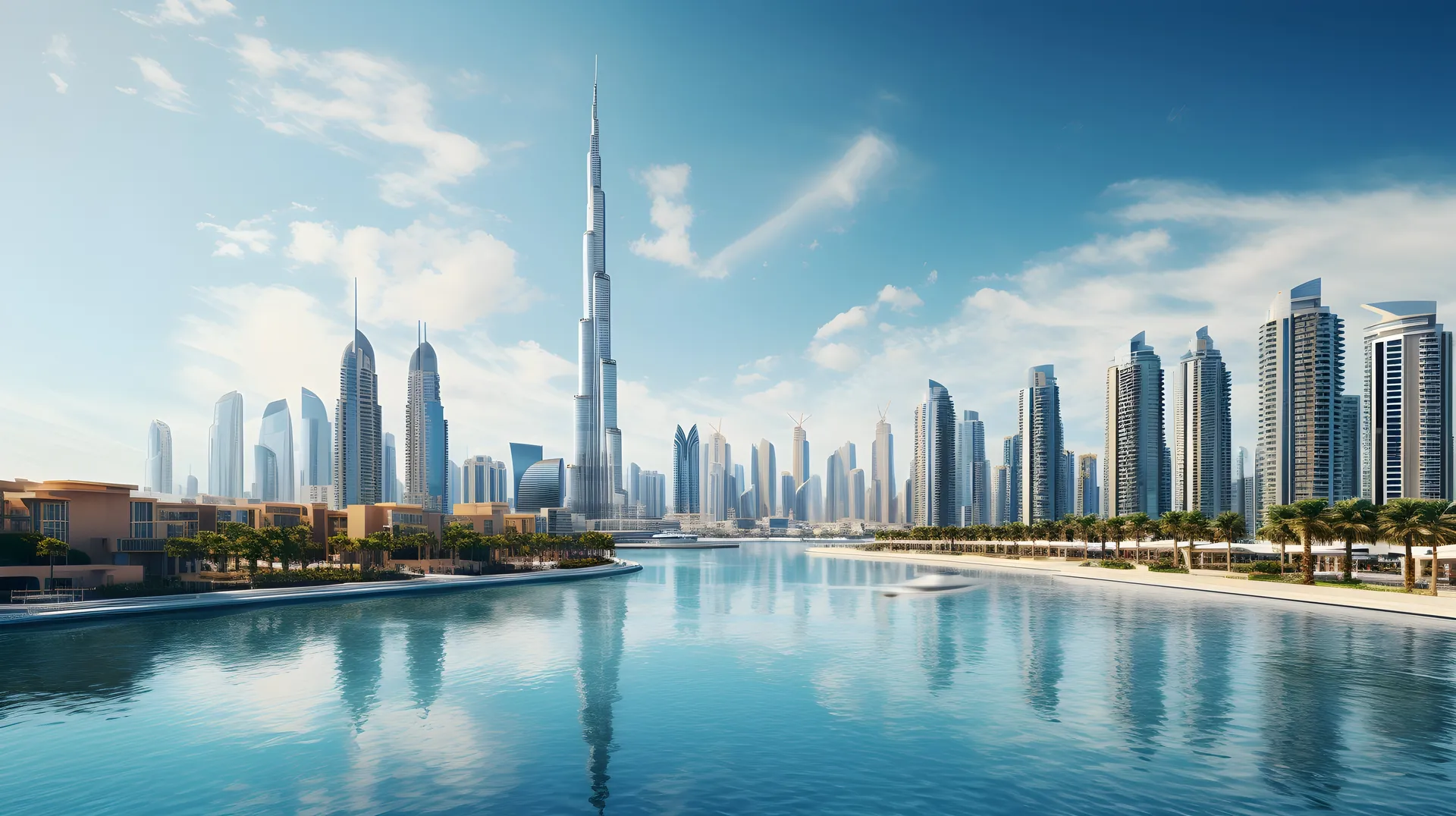
UAE Non-Oil Private Sector Closes 2025 on Solid Growth, Setting Positive Tone for 2026
The UAE’s non-oil private sector concluded 2025 with strong performance indicators, reflecting both the robustness and resilience of the country’s diversified economy. Across industries such as services, trade, logistics, tourism, finance, and construction, businesses reported steady improvements in activity levels, supported by a combination of sustained domestic demand, favorable government policies, and growing international interest. Analysts suggest that these trends not only highlight the underlying strength of the non-oil economy but also position the UAE favorably for continued growth in 2026.
According to the latest data from S&P Global’s Purchasing Managers’ Index (PMI), the non-oil private sector maintained a healthy expansion in December, even though the pace slightly eased from November’s nine-month peak. The seasonally adjusted S&P Global UAE PMI registered a reading of 54.2 in December, just below November’s 54.8 but largely consistent with the long-run average of 54.3. Since a PMI reading above 50 indicates growth, the December figure confirms that firms across the non-oil sector experienced a broad-based improvement in operational conditions, suggesting that the sector entered the new year on a strong footing.
Expansion Driven by New Orders, Tourism, and International Trade
The momentum in the UAE’s non-oil private sector can be attributed to multiple interrelated factors. Companies reported that higher inflows of new orders, both from domestic and overseas markets, supported the increase in output. Improved market conditions, rising consumer confidence, and favorable regulatory frameworks also contributed to higher activity levels. Particularly, the tourism sector played a significant role in boosting demand, as increasing visitor numbers led to stronger consumption of hospitality, transport, and retail services.
Additionally, steady overseas demand for UAE goods and services helped reinforce growth. Firms benefiting from export opportunities and regional trade activities noted that their operations were being positively influenced by the country’s strategic position as a regional hub. These combined domestic and international factors contributed to the non-oil sector’s ability to maintain one of its strongest performance levels seen in 2025, despite minor fluctuations in growth compared with earlier months.
“The non-oil private sector continues to demonstrate remarkable resilience,” said a Dubai-based economist. “Even though the pace of growth slightly moderated in December, the broad-based upturn across industries indicates underlying stability and strength in the economy.”
UAE Central Bank and International Institutions Highlight Non-Oil Sector
Official assessments from the UAE Central Bank and international economic organizations have consistently emphasized the non-oil sector as a primary driver of economic growth. Central Bank reports point to the success of diversification strategies, robust infrastructure investments, and reforms aimed at enhancing the business environment as key factors supporting non-oil sector expansion.
International institutions such as the International Monetary Fund (IMF) and the World Bank have similarly highlighted that non-hydrocarbon activities—including transport, logistics, tourism, construction, and financial services—are increasingly responsible for driving overall economic performance. These trends reduce the economy’s dependence on oil revenues and strengthen the UAE’s long-term growth prospects, underlining the benefits of a diversified, innovation-driven approach to economic development.
“Diversification remains the cornerstone of UAE economic policy,” noted a senior economist. “Non-oil sectors are not only offsetting fluctuations in energy prices but are also creating employment, attracting foreign investment, and reinforcing the country’s role as a regional trade and business hub.”
Emerging Pressures on Costs and Margins
While headline growth figures were robust, the December survey also highlighted some emerging challenges for firms operating in the non-oil private sector. Input costs rose at the fastest pace in 15 months, reflecting increases in wages, transport, maintenance, and raw materials. These higher expenses squeezed profit margins for many companies, leading them to adopt more cautious approaches to staffing, procurement, and inventory management.
Employment growth, in particular, remained modest at the end of the fourth quarter, slowing compared with November. Firms cited the rising cost of labor and operational expenses as key reasons for restrained hiring, despite ongoing increases in demand for goods and services.
“Businesses are keen to maintain growth, but they are mindful of cost pressures,” said a financial analyst in Abu Dhabi. “Many are expanding cautiously, focusing on efficiency and lean operations rather than aggressive hiring or overstocking.”
Inventory Strategies and Cash Flow Management
Another notable trend from December was the sharp decline in inventory levels. Despite strong purchasing activity, companies deliberately reduced stockpiles, preferring to use newly delivered inputs to fulfill existing orders rather than accumulate additional inventories. This approach reflects a strategic effort to manage costs, optimize cash flow, and minimize exposure to fluctuations in input prices.
Firms that successfully implemented lean inventory management were able to continue operations efficiently while mitigating financial risk. Analysts suggest that this trend indicates not only prudent financial management but also confidence that demand will remain consistent, even without maintaining large stock levels.
Modest Pricing Increases Amid Competitive Conditions
Selling prices for goods and services in the non-oil sector rose for the sixth consecutive month in December. However, price increases were moderate, reflecting competitive market conditions that limit the ability of firms to fully pass on rising input costs to customers. Despite higher expenses, businesses largely absorbed some costs internally, ensuring that price hikes remained contained.
“This cautious approach to pricing underscores the competitive environment in the UAE,” said an economist specializing in Middle Eastern markets. “While firms face rising input costs, they are balancing these pressures against market sensitivity and consumer expectations.”
Dubai Mirrors National Trends
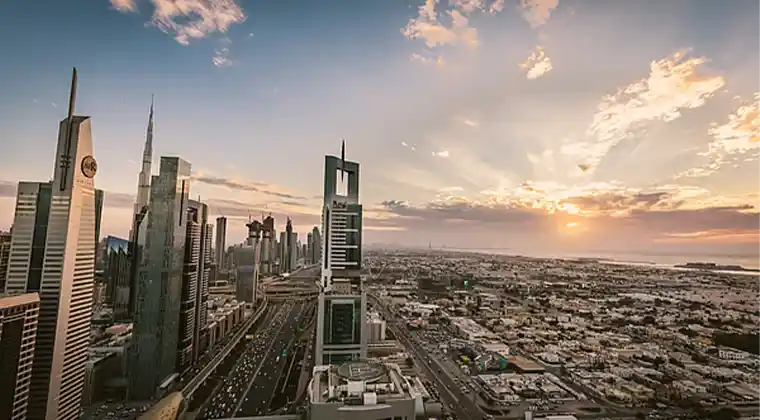
Dubai’s non-oil private sector closely mirrored the broader national picture. The emirate’s PMI registered 54.3 in December, indicating solid growth, only slightly below the peaks observed in October and November. Output increased at the fastest pace since March 2024, largely driven by rising new orders and continued investment activity.
Companies in Dubai expanded operations even as employment growth remained modest and inventory levels declined sharply. Input price pressures were evident, pushing output prices slightly higher, although mark-ups remained restrained due to competitive considerations.
Expert Insights: Resilience and Optimism
David Owen, senior economist at S&P Global Market Intelligence, highlighted that UAE firms closed the year with some of the strongest months of activity seen during 2025. He attributed the growth to multiple factors, including increased consumer spending, rising tourism numbers, greater adoption of technology, and ongoing support from government policies aimed at facilitating business activity.
“Firms were encouraged by improved market conditions, higher new order inflows, and a generally positive economic environment,” Owen said. “Even as input costs rose, businesses adapted effectively, demonstrating resilience and operational flexibility.”
Business Expectations for 2026
Looking ahead, the outlook for the UAE’s non-oil private sector remains broadly positive, although confidence has moderated slightly compared with earlier in the year. Many firms continue to express optimism regarding sustained demand, tourism growth, technology adoption, and investment opportunities. However, there is caution regarding potential market saturation, cost pressures, and other operational challenges that could influence the pace of expansion.
“While the long-term fundamentals are strong, businesses are realistic about short-term challenges,” said a Dubai-based market analyst. “Companies remain optimistic but are carefully managing costs, inventory, and staffing to navigate potential headwinds.”
Sector-Wise Highlights
Tourism and Hospitality: Tourism continues to be a key driver for Dubai and the wider UAE. Increasing visitor arrivals have fueled demand for hotels, transport, dining, and retail services, supporting revenue growth across multiple sectors. The rise in international tourism has also encouraged investment in infrastructure and enhanced service offerings.
Construction and Real Estate: Non-oil construction activity remained robust, with firms reporting stable new order inflows for both commercial and residential projects. Government-backed initiatives and regulatory reforms aimed at streamlining project approvals have further contributed to steady sector performance.
Financial Services: The financial services sector benefited from rising domestic and international investment activity. Banks and fintech firms reported increased transaction volumes and greater demand for financial products, bolstering growth prospects.
Trade and Logistics: UAE-based trading and logistics companies reported healthy order inflows, supported by robust regional demand and the country’s strategic positioning as a distribution hub. Rising exports and efficient port operations contributed to sustained activity levels.
Technology and Digital Adoption: The adoption of new technologies, including digital platforms and AI-based solutions, has improved operational efficiency and helped businesses adapt to evolving market conditions. Firms leveraging technology to streamline operations or enhance customer experiences have reported notable performance improvements.
Policy Support and Economic Reforms
Government policy continues to play a vital role in sustaining growth across the non-oil private sector. Initiatives to improve ease of doing business, enhance infrastructure, and attract foreign investment have contributed to a supportive operating environment. Regulatory reforms targeting licensing, taxation, and operational efficiency have further strengthened business confidence.
Additionally, economic diversification strategies, including initiatives to develop innovation hubs, strengthen the knowledge economy, and promote sustainable industries, have ensured that non-oil sectors remain central to the country’s long-term growth trajectory.
Challenges and Risk Factors
Despite positive trends, firms are not without concerns. Rising costs, especially in labor, transport, and materials, continue to challenge profitability. The ongoing need to balance competitive pricing with margin protection requires careful financial and operational management. Companies are adopting cautious strategies around recruitment, procurement, and inventory levels to manage these pressures effectively.
Market saturation and intense competition in certain sectors could also limit the pace of expansion. Firms that fail to innovate or differentiate their offerings may struggle to maintain market share, even in a generally growing economy.
Conclusion: UAE Non-Oil Economy Poised for Continued Growth
Overall, the UAE’s non-oil private sector ended 2025 on a strong note, supported by firm domestic and international demand, government policy initiatives, and growing investment in infrastructure and technology. While there are pressures on costs and employment growth remains cautious, businesses are adapting through leaner inventories, operational efficiency, and prudent pricing strategies.
Looking ahead, the combination of a diversified economy, continued policy support, and positive market fundamentals positions the UAE’s non-oil sector for sustained growth in 2026. Firms remain optimistic, even if measured, about demand trends, tourism flows, technology adoption, and investment opportunities. The resilience demonstrated over the past year suggests that the UAE’s non-oil private sector will continue to be a cornerstone of economic stability, contributing to broader development goals and maintaining the country’s regional leadership in trade, services, and innovation.