The U.S. has expanded its visa bond policy to 38 countries, now requiring applicants from Venezuela and others to post refundable bonds of up to **$15,000** before applying for a U.S. visa. ([reuters.com][1]) [1]: https://www.reuters.com/world/americas/us-adds-more-nations-including-venezuela-costly-visa-bond-policy-2026-01-07/?utm_source=chatgpt.com “US adds more nations, including Venezuela, to costly visa bond policy”
Venezuela, others added to U.S. visa bond policy demanding up to $15,000
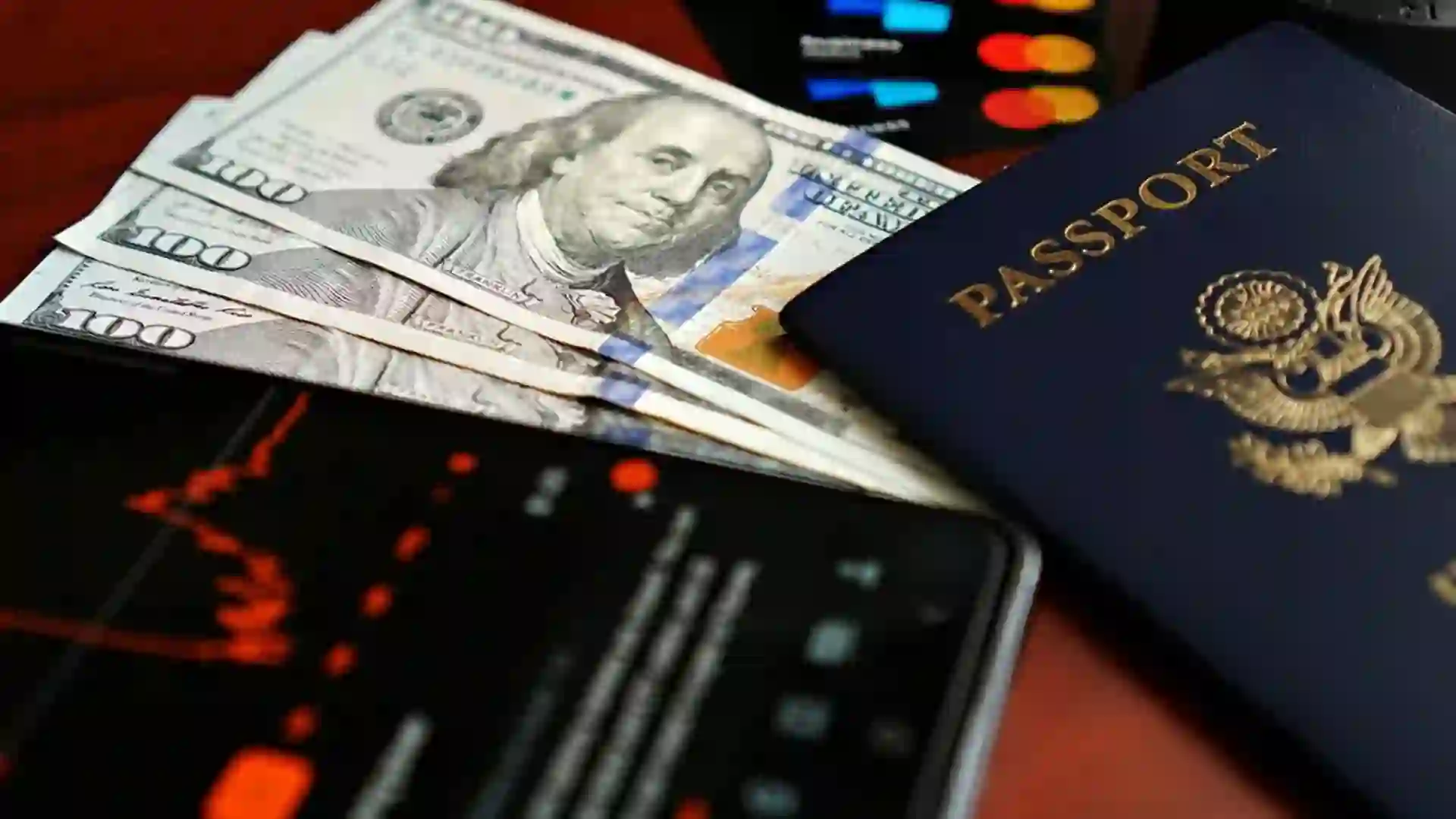
The United States government under President Donald Trump’s administration has significantly broadened a controversial visa bond mandate, adding 25 more countries to the list of nations whose citizens may be required to place a financial deposit before applying for entry. According to the U.S. State Department’s official travel website, this expanded requirement obliges travelers from the newly included countries to post refundable bonds ranging from $5,000 to $15,000 as part of the process for obtaining a U.S. B‑1/B‑2 visitor visa.
With this latest expansion, the pool of affected nations has grown to 38 in total, encompassing most of Africa along with several countries in Latin America and South Asia. The State Department notes that the bond requirement for the newly added countries will take effect on January 21, 2026.
New Countries Added and Implementation
The updated roster of countries now subject to this bonding rule includes Algeria, Angola, Antigua and Barbuda, Bangladesh, Benin, Burundi, Cabo Verde, Cuba, Djibouti, Dominica, Fiji, Gabon, Ivory Coast (Côte d’Ivoire), Kyrgyzstan, Nepal, Nigeria, Senegal, Tajikistan, Togo, Tonga, Tuvalu, Uganda, Vanuatu, Venezuela, and Zimbabwe. These join the already established list under the pilot program.
Earlier additions to the visa bond list included nations like Bhutan, Botswana, the Central African Republic, the Gambia, Guinea, Guinea‑Bissau, Malawi, Mauritania, Namibia, São Tomé and Príncipe, Tanzania, Turkmenistan, and Zambia, bringing the total before the latest expansion to 13.
Under this policy, consular officers decide the exact amount – $5,000, $10,000, or $15,000 – that an applicant must place when interviewing for their visa. That decision is made based on eligibility and other factors evaluated during the interview.
How the Visa Bond System Works
For citizens or nationals of the listed countries applying for a B‑1 (business) or B‑2 (tourism) visa, the U.S. requires a bond payment that essentially acts as a financial guarantee. Applicants must agree to the terms and make their deposit through the U.S. Treasury Department’s online payment platform, Pay.gov.

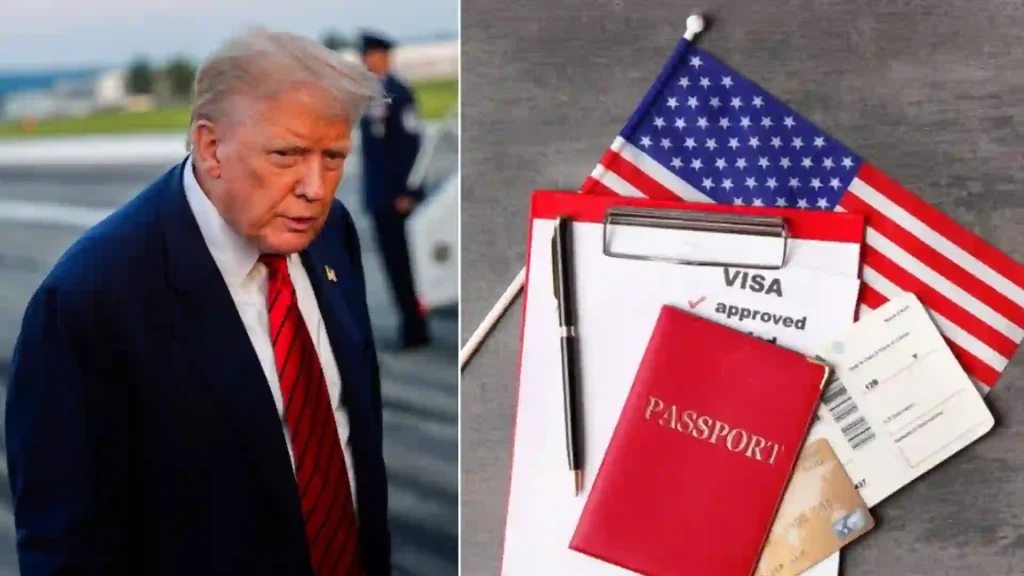
Importantly, paying this bond does not guarantee that a visa will be issued. The bond is intended to ensure that travelers comply with the terms of their visa, including departing the United States within the authorized timeframe. If the visa is denied, or if the traveler later follows all conditions and leaves as required, the bond is refunded.
Origins and Aims of the Policy
This visa bond requirement stems from a pilot program that the State Department introduced in August 2025. It was designed primarily to reduce the number of visitors who overstay their visas in the United States. U.S. officials argue that requiring a substantial financial commitment will provide a strong incentive for compliance with visa rules and timely departures.
The government’s stated goal for the bond policy is to discourage potential overstays and promote what it sees as responsible travel patterns, especially in categories that historically have had higher rates of visitors remaining in the U.S. beyond their authorized period
Political Context and Broader Immigration Measures
The expansion of this visa bond requirement forms part of a broader, more stringent immigration and entry policy pursued by President Trump’s administration since he took office in January 2025. Alongside the visa bond program, other measures have included an aggressive enforcement strategy targeting undocumented immigrants, extensive review and revocation of existing visas and green cards, and more rigorous screening of visa applicants’ social media and personal histories.
These sweeping immigration controls reflect the administration’s emphasis on tightening borders and reducing irregular migration. Proponents of the policy maintain that such measures are necessary to protect national security and to enforce immigration laws more robustly.
Criticism and Human Rights Concerns
Human rights organizations, immigrant advocacy groups, and civil liberties defenders have widely criticized the visa bond requirement as punitive and discriminatory. Critics argue that demanding large sums from prospective travelers effectively bars many from lower‑income countries from visiting the United States, making legal travel prohibitively expensive. They also contend that the policy curtails due process, restricts opportunities for lawful travel, and could deter legitimate tourism, business, and cultural exchange.
These groups have described the policy as exacerbating global inequality in access to travel and unfairly targeting citizens of poorer or less politically aligned countries. Some argue the requirement fails to address the root causes of visa overstays and instead places undue financial burdens on would‑be visitors.
As the January 21 implementation date approaches, both travelers and immigration advocates are closely watching how this policy will affect visa processing and international mobility. The expanded bond list marks a significant change in U.S. consular practices, and its broader implications for global travel and diplomatic relations remain a subject of debate.
Overall, the shift signals a continued hardline stance on immigration and border controls by the U.S. government, with visa bonds representing one of several tools aimed at reshaping the landscape of international travel to the United States.