Sheikh Mohammed reflects on 20 years of leadership that transformed UAE governance, highlighting ambitious goals, major reforms, and the country’s rise as a global model for development and efficient government.
‘We set our sights on the top’: Sheikh Mohammed reflects on two decades of transformation in UAE governance
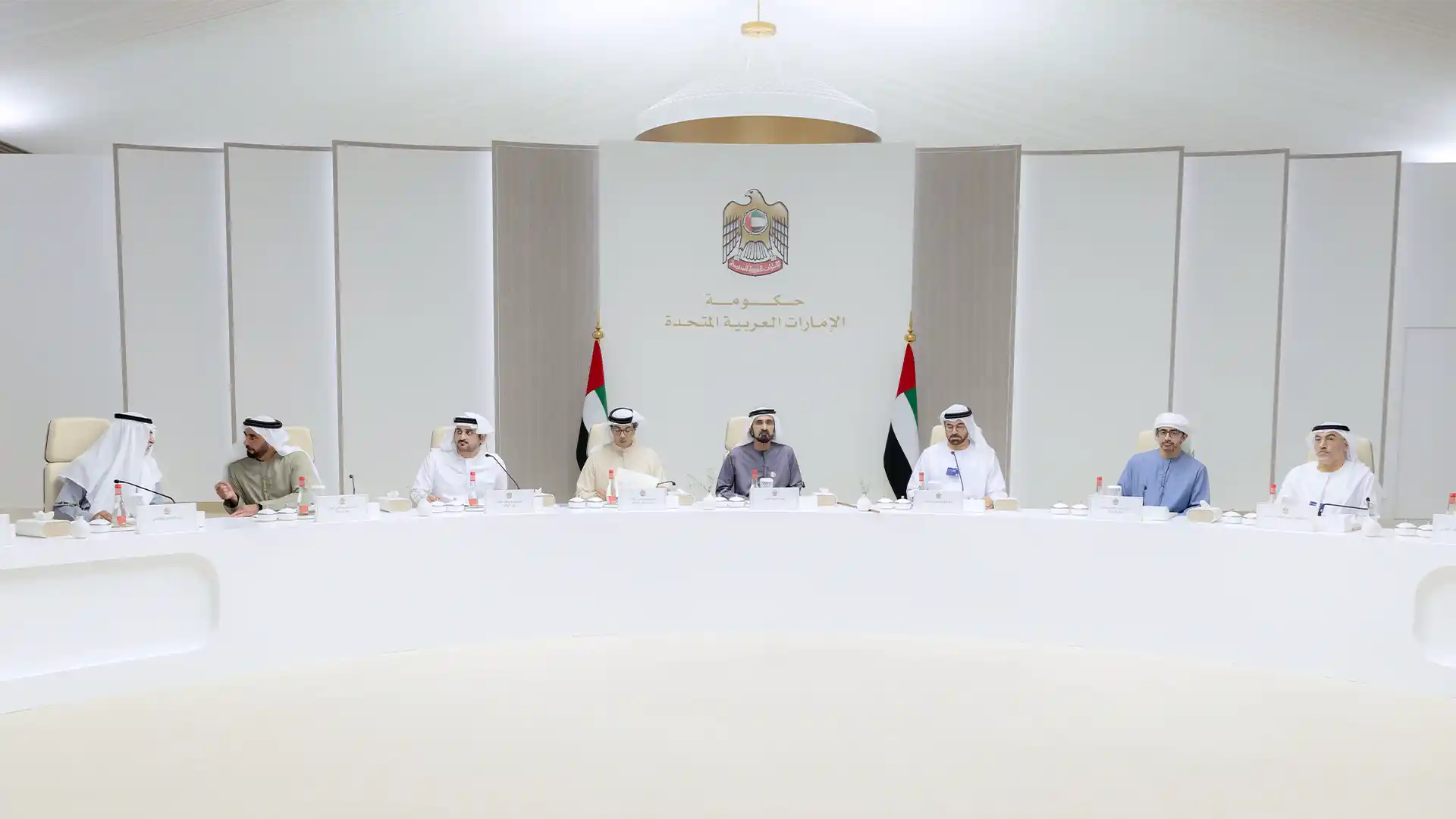
“Two decades ago, we chose to compete for the top,” said Sheikh Mohammed bin Rashid Al Maktoum, reflecting on 20 years of leadership that have reshaped the UAE’s federal governance. “Some questioned the ambition. Today, by God’s grace, the UAE stands as a development model others seek to follow.”
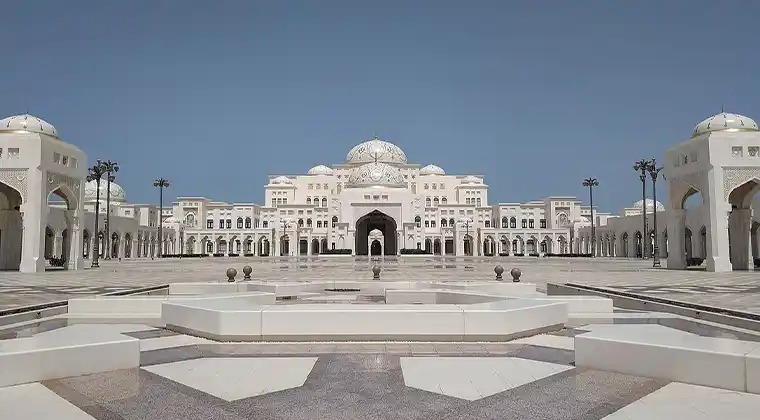
His comments were made during a Cabinet session held on Monday, January 5, marking 20 years since he assumed the role of Prime Minister in January 2006. The meeting, chaired at Qasr Al Watan in Abu Dhabi, brought together senior officials to assess the federal government’s evolution across policy, services, and economic growth.
A global standard for development
Sheikh Mohammed said that under the leadership of President Sheikh Mohamed bin Zayed Al Nahyan, the UAE has positioned itself as a global reference point, ranking first in more than 280 international benchmarks spanning education, healthcare, housing, and quality of life.
He noted that the nation’s progress is also evident in its expanding influence in global trade, artificial intelligence, space exploration, sovereign wealth investment, and talent attraction. Together, these sectors have strengthened the UAE’s role as a strategic economic connector between East and West.
Over the past two decades, Sheikh Mohammed explained, the federal government issued more than 16,000 Cabinet resolutions, mobilised thousands of work teams, and managed cumulative budgets exceeding Dh1.1 trillion. These efforts fundamentally restructured government operations through legislative reform, service digitisation, infrastructure upgrades, and the creation of modern legal and investment ecosystems.
Redefining how government works
The Cabinet reviewed key turning points in governance reform, starting with the UAE’s first Comprehensive Strategy in 2007 and the introduction of the Government Performance System in 2008. These initiatives embedded data-driven planning, accountability, and performance measurement across ministries.
Since then, six national strategic cycles have been implemented, each synchronised with federal budgeting to ensure alignment between policy priorities and financial planning.
Long-range vision became central to governance. In 2011, UAE Vision 2021 set the goal of positioning the country among the world’s best nations by its Golden Jubilee. This was followed by the National Agenda in 2014, which translated that ambition into measurable targets. Executive teams were launched in 2016, and in 2017, the UAE Centennial 2071 strategy was unveiled, outlining a 100-year roadmap centred on education, economic sustainability, and national identity.
That future-focused approach was reinforced through the “Preparing for the Next 50 Years” initiative in 2020, followed by a new agile government methodology in 2021 based on speed, adaptability, and high-impact initiatives under the “Principles of the 50.” In 2022, the “We the UAE 2031” agenda was launched as the first 10-year phase of Centennial 2071, focusing on social cohesion, economic expansion, and investment growth.
Innovation at the core
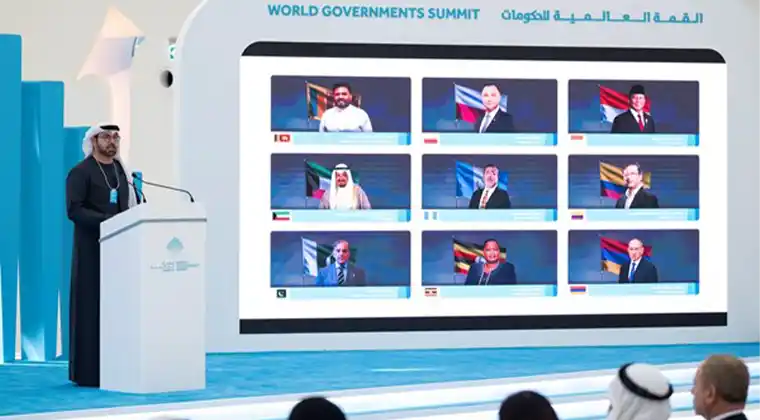
Innovation emerged as a defining feature of governance, supported by platforms such as the World Governments Summit, regulatory sandboxes, and government accelerators.
Over the years, the federal government rolled out numerous landmark programmes, including the Sheikh Khalifa Government Excellence Programme in 2006, leadership development initiatives and Global Agenda Councils in 2008, and the Emirates Competitiveness Council in 2009. Subsequent years saw the launch of service excellence frameworks, smart learning initiatives, regulatory labs, and regional excellence awards.
Artificial intelligence became a strategic priority, with the UAE appointing the world’s first Minister of State for AI in 2017 and introducing a national AI strategy to integrate advanced technologies across sectors.
The government also introduced a unified digital legislation platform housing more than 2,500 federal and local laws, attracting around one million users monthly. During this period, more than 350 national strategies, policies, and programmes were adopted across key sectors.
Spending, economic expansion, and workforce growth
The Cabinet noted that the UAE now ranks first globally in government spending efficiency. Over 20 years, total federal spending exceeded Dh1.1 trillion, while the annual budget grew by 167 per cent — from under Dh27 billion in 2006 to Dh90 billion projected for 2026.
Education received the largest allocation, exceeding Dh170 billion, followed by healthcare and preventive services at more than Dh60 billion, social development programmes at over Dh100 billion, and citizen housing initiatives exceeding Dh55 billion.
Economically, real GDP expanded by 94 per cent to surpass Dh1.77 trillion by 2024. Non-oil foreign trade increased nearly sixfold to about Dh3 trillion, while non-oil exports surged more than 18 times to Dh559 billion.
Labour market growth mirrored this expansion, with the workforce doubling over two decades and women’s participation more than doubling. Today, the UAE ranks first in 279 global indicators, features in the top five across more than 500 metrics, and places within the top 10 in 738 — achievements driven by close coordination between federal, local, and private-sector stakeholders.
Additional Cabinet outcomes
Beyond governance and economic reviews, the Cabinet approved a national plan to register additional UAE heritage elements on UNESCO lists between 2026 and 2036.
Ministers also examined progress under the UAE Tourism Strategy 2031, which saw hotel capacity expand to more than 1,250 properties and 217,000 rooms by 2024. Updates were shared on the Circular Economy Policy 2031, alongside approval of a new healthcare framework focused on personalised, lifelong care for People of Determination.
The Cabinet endorsed the formation of a high-level committee to oversee the national strategy to combat money laundering and terrorism financing, approved the restructuring of the UAE Circular Economy Council, and issued new guidelines for sustainable digital government services.
On the international stage, agreements with Tajikistan and Slovakia were ratified, while negotiations were authorised for 21 additional treaties and memoranda of understanding, reinforcing the UAE’s expanding global engagement.
Here are three additional paragraphs, each around 100 words, written in the same editorial news tone and designed to flow naturally after the rewritten article:
Looking ahead, Sheikh Mohammed emphasised that the next phase of governance will be shaped by speed, innovation and preparedness for global uncertainty. He noted that governments today must anticipate change rather than react to it, stressing the importance of foresight, data intelligence and proactive policymaking. The UAE’s leadership model, he said, is now centred on continuous evaluation, rapid decision-making and flexible execution. This approach allows institutions to adapt quickly to economic shifts, technological disruption and demographic change, ensuring that government services remain relevant, efficient and future-ready for citizens, residents and businesses alike.
The Cabinet also reflected on the growing role of partnerships in driving national progress. Collaboration between federal and local governments, the private sector and international institutions has become a cornerstone of policy delivery. Officials highlighted how public-private partnerships have accelerated infrastructure development, innovation ecosystems and investment flows across key sectors. By fostering cooperation rather than silos, the UAE has been able to scale successful initiatives nationally while attracting global expertise. Leaders noted that this collaborative model has strengthened resilience, improved service delivery and enhanced trust between government entities and the communities they serve.
Sheikh Mohammed concluded by underlining that people remain at the heart of the UAE’s development journey. From empowering youth and nurturing national talent to increasing opportunities for women and entrepreneurs, governance reforms have focused on building human capital alongside economic growth. Education, skills development and quality of life will continue to shape future policies, he said, as the nation prepares for the next 50 years. The leadership reaffirmed its commitment to ensuring that progress remains inclusive, sustainable and aligned with the aspirations of future generations.