
Powerful 6.2-magnitude earthquake jolted Japan’s Chugoku region, briefly alarming residents, but authorities confirmed no casualties or structural damage, saying normal conditions quickly returned across affected areas after the tremor subsided.
Powerful 6.2 Quake Jolts Japan’s Chugoku Region, Authorities Report No Damage
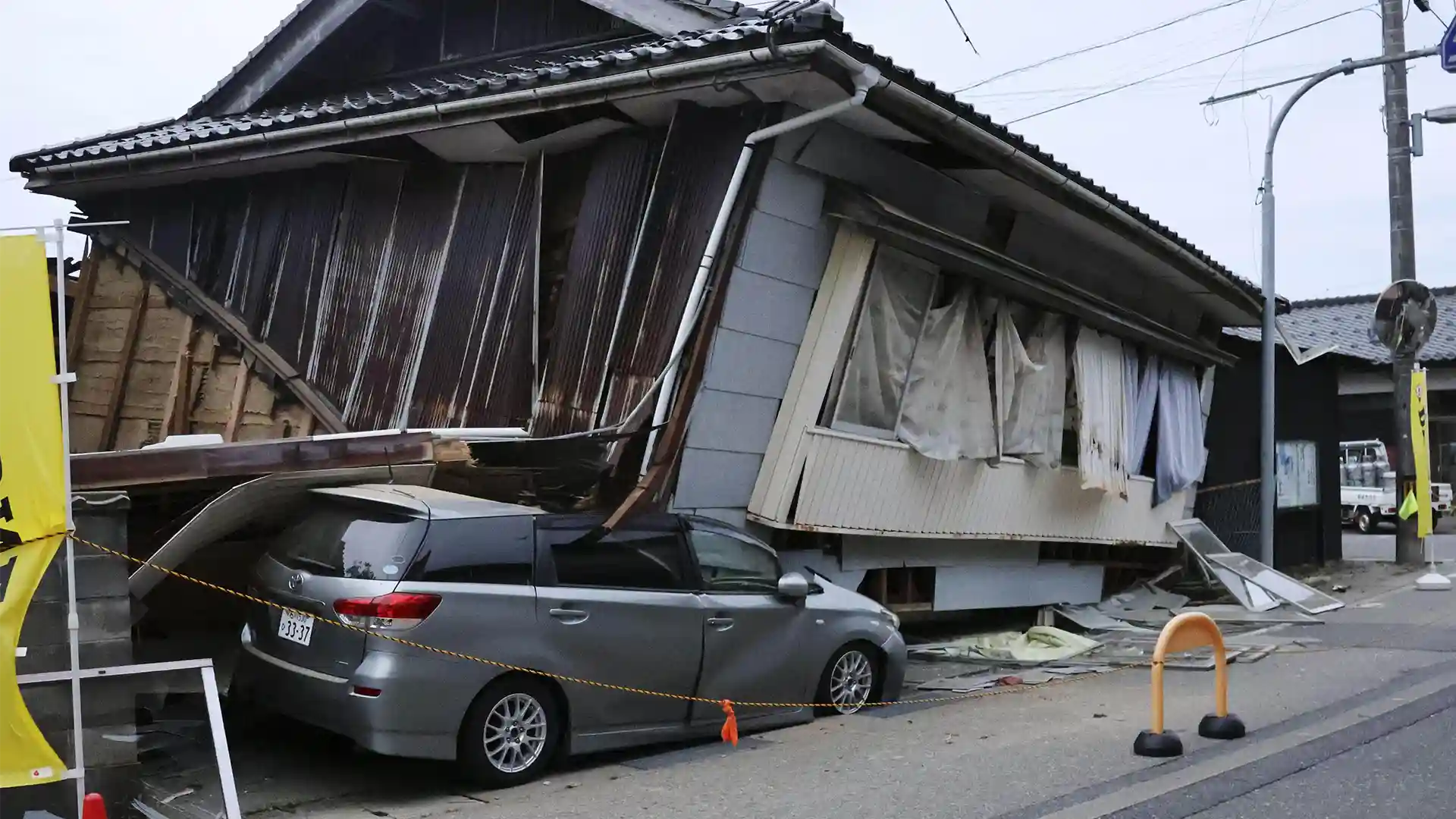
A powerful earthquake measuring a preliminary magnitude of 6.2 struck Japan’s western Chugoku region on Tuesday, rattling communities and prompting temporary transport disruptions, though authorities confirmed there were no immediate reports of serious damage or injuries. According to the Japan Meteorological Agency (JMA), the main tremor was followed by several notable aftershocks, heightening concern among residents in nearby areas.
The agency said the earthquake’s epicentre was located in eastern Shimane Prefecture. Despite the strength of the shaking, officials stressed that there was no threat of a tsunami, offering reassurance to coastal communities that are often on high alert after strong seismic events. Emergency response teams and local governments began monitoring the situation closely as the aftershocks continued, but initial assessments suggested that the region had avoided major harm.
Insider18 reports that the quake registered a seismic intensity of upper-5 on Japan’s seven-level intensity scale. At this level, the shaking can be strong enough to make it difficult for people to stand or move without holding onto something stable. Residents described furniture shifting and items falling from shelves, though widespread structural damage was not immediately evident.
Attention quickly turned to critical infrastructure in the area, particularly the Shimane Nuclear Power Station, which is operated by Chugoku Electric Power. The facility is located about 32 kilometres (20 miles) from the earthquake’s epicentre. The company said operations at the plant’s No. 2 reactor unit were proceeding normally and that no abnormalities had been detected. Japan’s Nuclear Regulation Authority also confirmed that its inspections had found no irregularities following the tremor.
The status of the Shimane plant carried added significance because its No. 2 unit only resumed operations in December 2024. This marked the first time the reactor had been restarted since Japan shut down all of its nuclear power facilities in the wake of the devastating March 2011 earthquake, tsunami, and nuclear disaster in Fukushima. Since then, nuclear restarts have been closely scrutinized, and any seismic activity near such facilities tends to draw heightened public and regulatory attention.
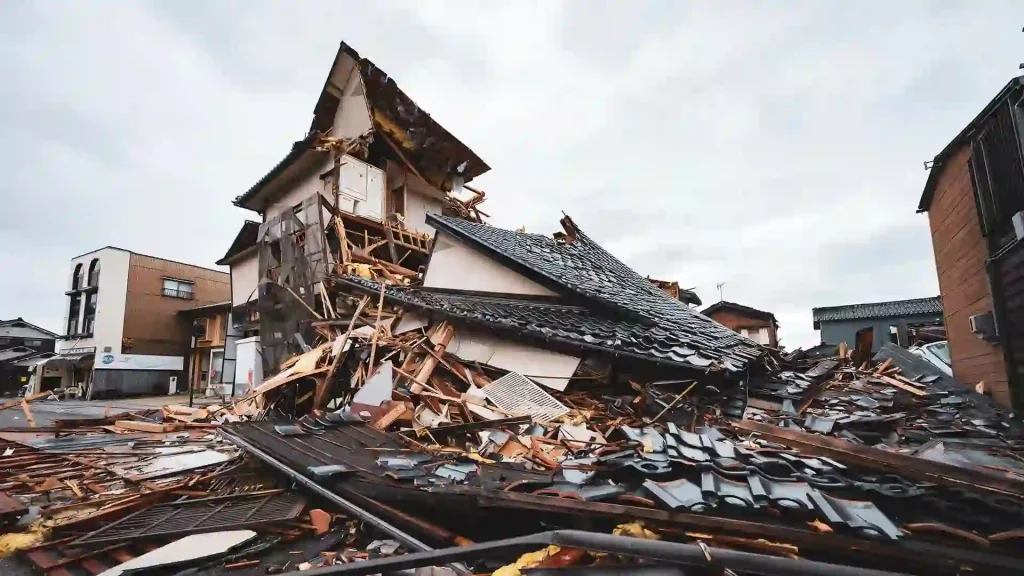
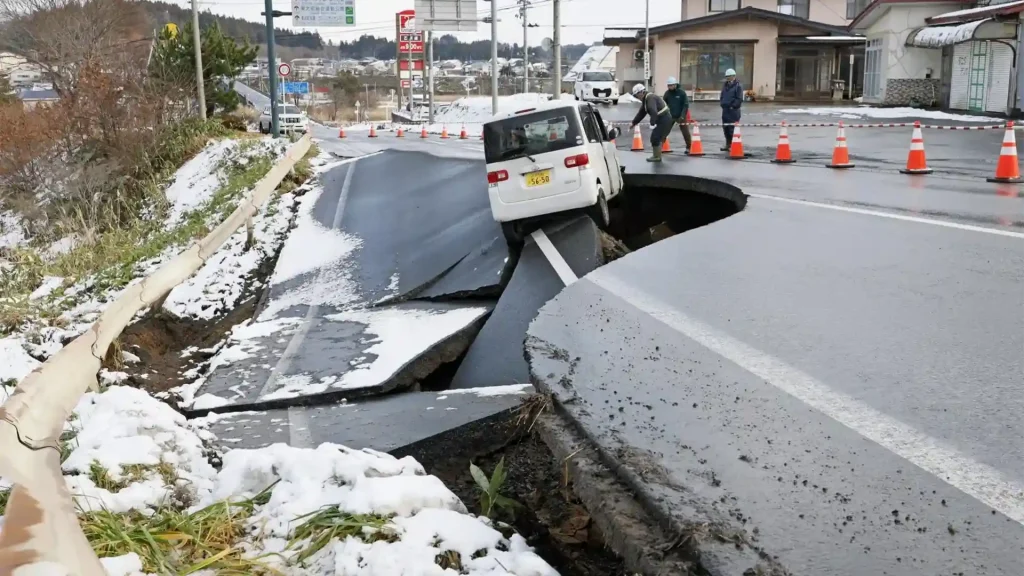
Transportation services in western Japan were also affected. West Japan Railway announced that it temporarily halted Shinkansen bullet train services between Shin-Osaka and Hakata as a safety precaution following the quake. High-speed rail operations in Japan are automatically suspended when strong shaking is detected, allowing engineers to inspect tracks and equipment before services resume. Passengers experienced delays, but the move was intended to ensure safety rather than in response to confirmed damage.
Local authorities urged residents to remain cautious, particularly in areas experiencing aftershocks. They advised checking homes for loose objects, securing furniture, and staying alert for updated information from official sources. Disaster response teams were placed on standby in case conditions changed or additional assistance was needed.
Japan’s frequent encounters with earthquakes are a result of its geographic position along the Pacific “Ring of Fire,” where several tectonic plates meet. This makes the country one of the most seismically active regions in the world. Experts note that Japan experiences roughly one-fifth of all earthquakes globally that measure magnitude 6 or higher. As a result, strict building codes, regular disaster drills, and advanced early warning systems are integral parts of daily life.
While Tuesday’s earthquake was powerful enough to cause widespread concern, it also demonstrated the effectiveness of Japan’s preparedness measures. Early alerts, rapid assessments, and coordinated responses helped limit disruption and maintain public safety. Engineers and officials continued to assess infrastructure, including roads, bridges, and utilities, to ensure there were no hidden issues that could emerge later.
As aftershocks gradually subsided, many residents returned to their routines, though memories of past disasters kept anxiety levels high. Authorities reiterated that ongoing monitoring would continue and that any new developments would be communicated promptly.
The quake served as another reminder of Japan’s vulnerability to natural forces, as well as its resilience. With no tsunami warning issued, no reported irregularities at nuclear facilities, and transport services resuming after inspections, the immediate impact appeared limited. Still, officials emphasized that preparedness remains essential, as seismic activity in the region can occur with little warning.