Israel contends in court that limitations on media access to Gaza are necessary and should continue, citing security and operational concerns, despite criticism from journalists and international observers.
Israel argues in court that restrictions on media access to Gaza should remain in place
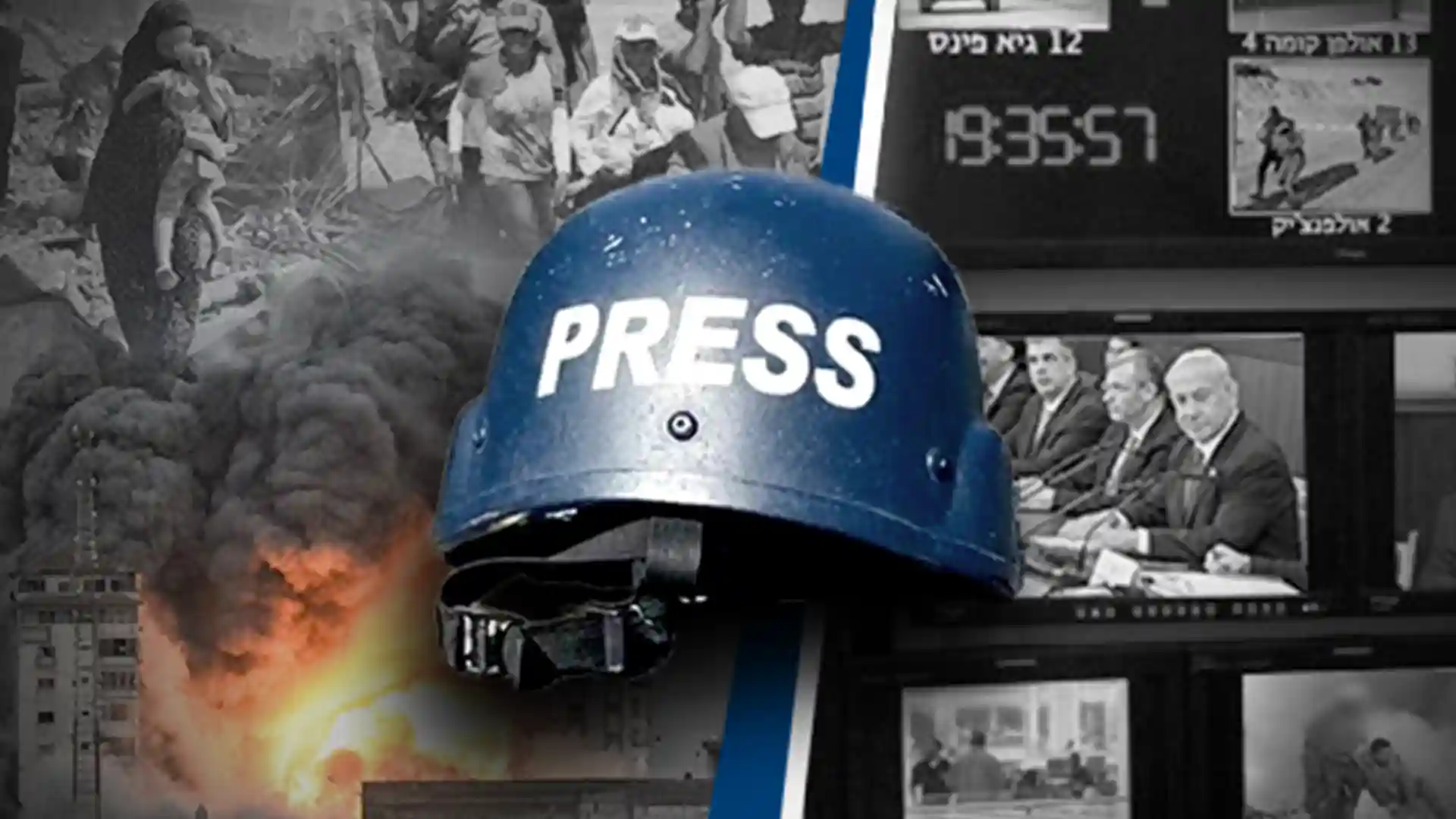
Israeli officials have informed the Supreme Court that they should be allowed to maintain their prohibition on unmonitored access for international journalists into Gaza, asserting that such restrictions remain crucial for security reasons. This position was outlined in a legal filing submitted by the state’s public prosecutor, and obtained by media outlets on Sunday evening.
Since the escalation of hostilities in October 2023 — triggered by a large-scale assault on Israel by the Palestinian Islamist group Hamas — Israel has tightly controlled how foreign news teams report from the besieged Gaza Strip. In the months since the outbreak of war, Israel has prevented foreign reporters from entering the enclave independently. Instead, a highly limited number of international journalists have been permitted to accompany Israeli Defense Forces (IDF) units into Gaza, on a strictly case-by-case basis and always under military supervision.
In 2024, the Foreign Press Association (FPA) — an organization that represents hundreds of international journalists based in Israel and the Palestinian territories — petitioned Israel’s Supreme Court seeking an immediate change. The FPA’s submission asked for unrestricted access for foreign press to the Gaza Strip, arguing that independent reporting is essential to ensure accurate, accountable coverage of the humanitarian and security situation on the ground.
Since that petition was filed, the Supreme Court has repeatedly granted the government extensions to devise a plan for opening Gaza to outside media. Most recently, just weeks ago during a hearing, the court set a definitive deadline of January 4 for the government to present its proposals.
However, in the late hours of Sunday, the Israeli government submitted a formal written response to the court’s order, arguing that the current ban must remain in place. In its submission, the state insisted that allowing journalists to enter the territory freely — without accompaniment or supervision — still poses substantial risks.
The government’s text stated that “even at this time, entry of journalists into the Gaza Strip without escort, as requested in the petition, should not be permitted.” It further explained that this stance is based on assessments from the defense establishment, which continues to regard independent entry into the Strip as a security threat.
According to Israeli officials, the fragile truce that took effect on October 10, 2023 continues to face frequent threats and violations. While active hostilities have greatly reduced under the ceasefire, sporadic violence and clashes have persisted, they say, underscoring the unstable environment inside Gaza.
Gaza’s health authorities report that since the truce began, at least 420 Palestinians have been killed by Israeli forces in the territory. Meanwhile, the Israeli military reports that three Israeli soldiers have been killed by militants during the same period — incidents that Israel says highlight the ongoing dangers inside and around the Gaza Strip.
In its court filing, the government also referenced its ongoing efforts to locate the remains of the final Israeli hostage believed to be held in Gaza. The filing urged that granting unfettered media access at this stage may impede that search operation. According to the authorities, the body of Ran Gvili — killed during the Hamas attack of October 7, 2023 and taken into Gaza — has not yet been recovered, despite the ceasefire. Israel says that all other 250 hostages taken on that day, both those released alive and the remains of those killed, have already been returned.
Israeli officials argue that the sensitive nature of the remnants search — which they say involves ongoing military and intelligence activity — further reinforces their position that independent press access could compromise interdependent operations and security.
The government’s response to the Supreme Court emphasized that these conditions make the unrestricted entry of foreign journalists into Gaza inappropriate at this time. Citing defense assessments, the submission urged that current procedures — whereby journalists may enter only under military escort — should remain in force.
The Supreme Court is now expected to consider the government’s submission and issue a decision on whether to uphold or overturn the restrictions. At this stage, however, it remains unclear when the court will announce its ruling.
Media and press freedom advocates have expressed concern over what they view as ongoing limitations on independent coverage of Gaza. Supporters of the FPA’s petition argue that without independent reporting, outside audiences are forced to rely on information filtered through military channels — a situation they say undermines transparency and accountability. The association has maintained that journalists should be free to document conditions in Gaza without restrictions, and that safety risks can be mitigated with proper protective measures. They also argue that other conflict zones around the world allow independent foreign media access despite serious security challenges.
The government, for its part, has consistently maintained that the situation inside Gaza remains volatile. Officials stress that Hamas and other militant groups continue to operate within densely populated urban zones, maintain extensive tunnel networks, and possess the capability to launch sudden attacks. Israeli authorities claim such conditions make it too dangerous for foreign journalists to move about without military protection, both for the journalists’ own safety and to avoid interfering with military operations or endangering local populations and combat forces.
As the Supreme Court weighs both sides, the broader debate touches on fundamental questions about press freedom, public access to information, and how democratic societies balance transparency with security imperatives during wartime.
The outcome of the legal challenge could have significant implications for international journalism and coverage of the Gaza Strip in the months ahead. Until a ruling is issued, Israel’s current policy barring independent entry into Gaza remains in place.