
Greece’s airspace closure raises questions about potential flight disruptions, prompting travellers in the UAE and GCC to assess possible delays, rerouting, or schedule changes affecting regional and international air travel.
Greece shuts airspace: Impact on UAE and GCC flights explained
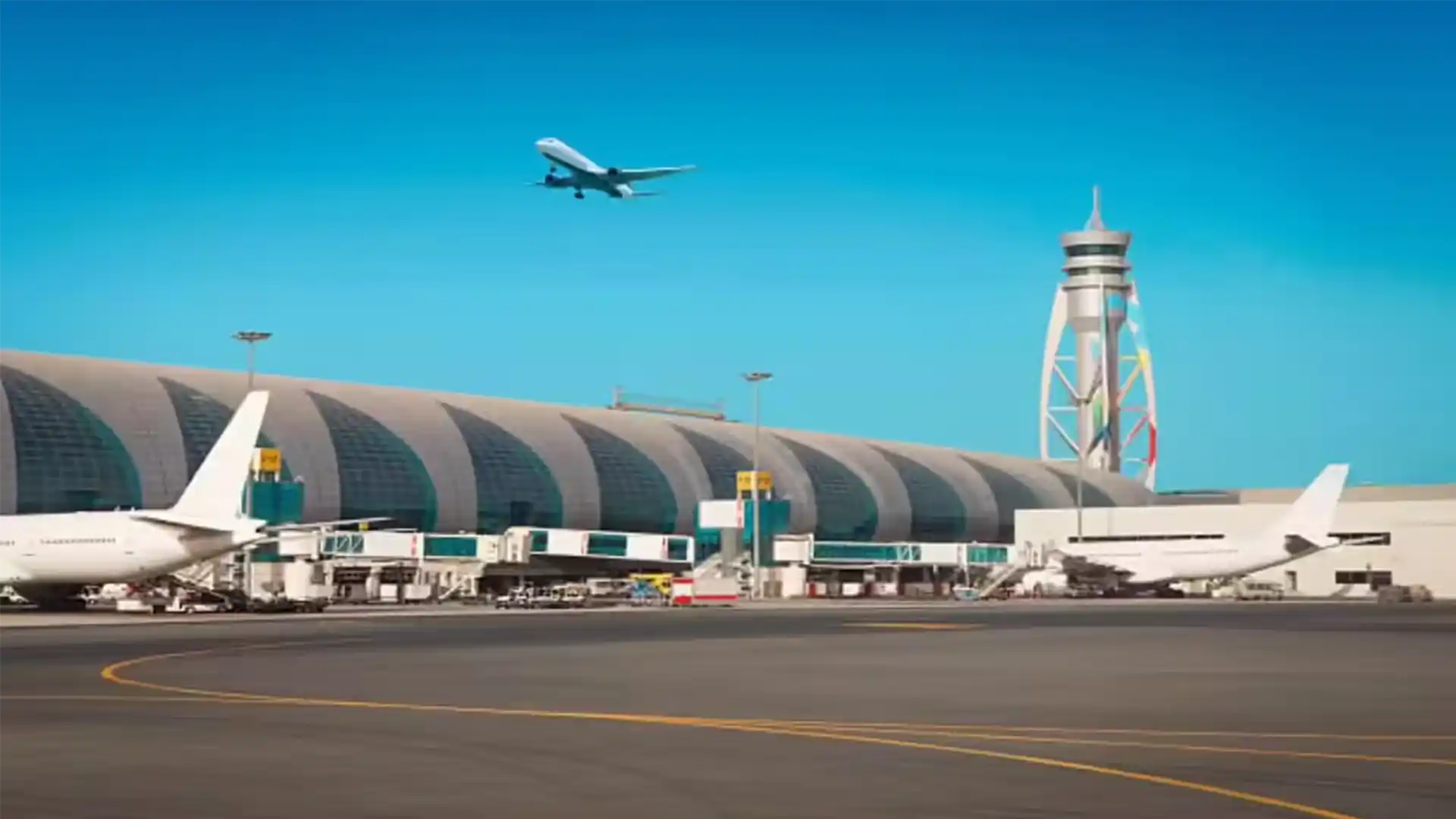
Several flights operating to and from the UAE and wider GCC region experienced disruptions following the temporary shutdown of Greek airspace, triggered by a major failure in radio communications. As airlines were forced to divert aircraft along alternative routes, journey times increased, which could lead to slight upward pressure on ticket prices, according to an aviation analyst.
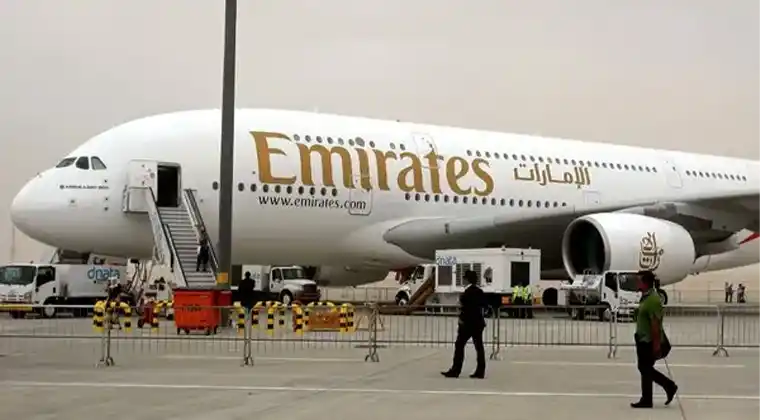
An Emirates spokesperson confirmed that the airline’s services were only marginally affected. “Following the brief closure of Greek airspace on the morning of January 4, 2026, Emirates flights operating to and from Athens experienced minimal disruption. We are closely tracking the situation, and the safety of our passengers and crew remains our top priority,” the spokesperson said.
Flight-tracking website Flightradar24 reported on Sunday that Emirates flight EK109 diverted away from Athens after a technical issue linked to Greece’s communication frequency failure.
Saj Ahmad, chief analyst at London-based StrategicAero Research, explained that while Greek airspace remains accessible for direct flights between the UAE, GCC and Greece, it is less critical for services heading to northern and other parts of Europe. “Greece sits further south, and routing through its airspace for many European destinations would actually extend flight durations,” he said.
“For carriers such as Emirates, Qatar Airways, Etihad, Air Arabia and flydubai, all of which operate flights to Greece, the impact on their wider European networks should be limited, as they do not heavily depend on Greek airspace,” Ahmad added.
He noted that in the early stages of the disruption, thousands of travellers and several hundred flights — particularly those connecting the GCC — could be affected, given the high volume of seasonal travel ahead of spring and Ramadan. This, he said, could push fares higher for airlines unable to adjust capacity quickly.
“If the disruption continues beyond 12 to 24 hours, the scale of the impact would increase significantly, mainly affecting flights within Europe, potentially disrupting thousands of services,” Ahmad warned.
He also highlighted that the absence of a backup system following failures in radio and telecommunications would likely prolong passenger inconvenience until the issue is fully resolved.
“In the meantime, flights already airborne or scheduled to transit Greek airspace will divert around it, using alternative routes to minimise delays as much as possible,” Ahmad said.
Airlines activate contingency plans
In response to the disruption, airlines operating in the region have activated contingency procedures designed to manage unexpected airspace closures. These include rerouting aircraft, adjusting fuel loads and revising crew schedules to comply with duty-time regulations. While such measures help maintain operational safety, they can also create knock-on effects across wider flight networks. Delays on one route may impact subsequent services, particularly for long-haul flights. Aviation experts say airlines with more flexible fleets and larger networks are better positioned to absorb short-term disruptions, while smaller carriers may face greater operational strain.
Passenger experience and travel advice
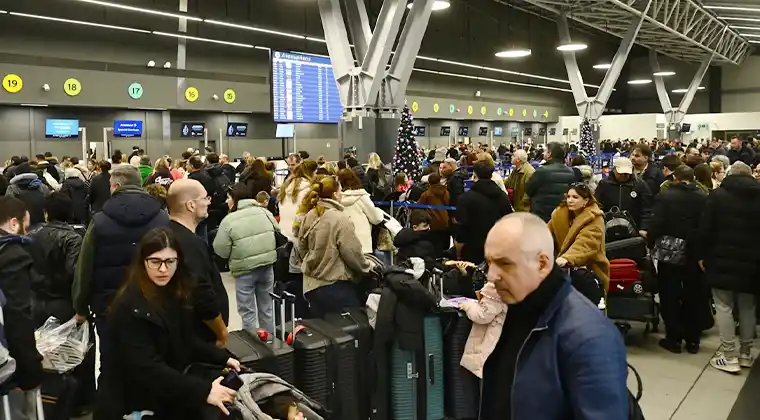
For passengers, the immediate impact has largely been limited to longer flight times and minor schedule changes rather than widespread cancellations. Travel advisors are encouraging travellers to regularly check flight status updates and allow extra time for connections, especially when transiting through European hubs. Those with tight onward connections may wish to contact airlines directly for rebooking options. Industry specialists stress that airspace-related disruptions are typically resolved quickly, but passengers should remain patient as airlines work through operational adjustments and prioritise safety.
Potential cost implications
While any rise in airfares is expected to be modest, analysts note that prolonged disruption could increase operational costs for airlines due to higher fuel burn and extended flight times. These additional expenses may be partially passed on to consumers, particularly on high-demand routes. However, competitive pressure among carriers in the UAE and GCC is likely to limit sharp fare increases. Airlines may also absorb some costs to maintain customer loyalty, especially during peak travel periods when passenger volumes remain strong.
Monitoring developments
Aviation authorities and airlines continue to closely monitor the situation in Greece, with flight operations being adjusted in real time based on updates from air traffic control. Industry experts say the restoration of communication systems will be key to fully normalising traffic flows. Until then, carriers are expected to rely on alternative routings and established safety protocols. Passengers are advised to stay informed through official airline channels and avoid unnecessary concern, as the overall impact remains manageable for most UAE and GCC flights.