The UAE’s weather authority announced that light seismic activity was detected in the Musandam region, confirming that a minor tremor occurred, with monitoring systems tracking the event and reporting no immediate impact on residents or infrastructure.
Minor seismic activity reported in Musandam by UAE weather authority.
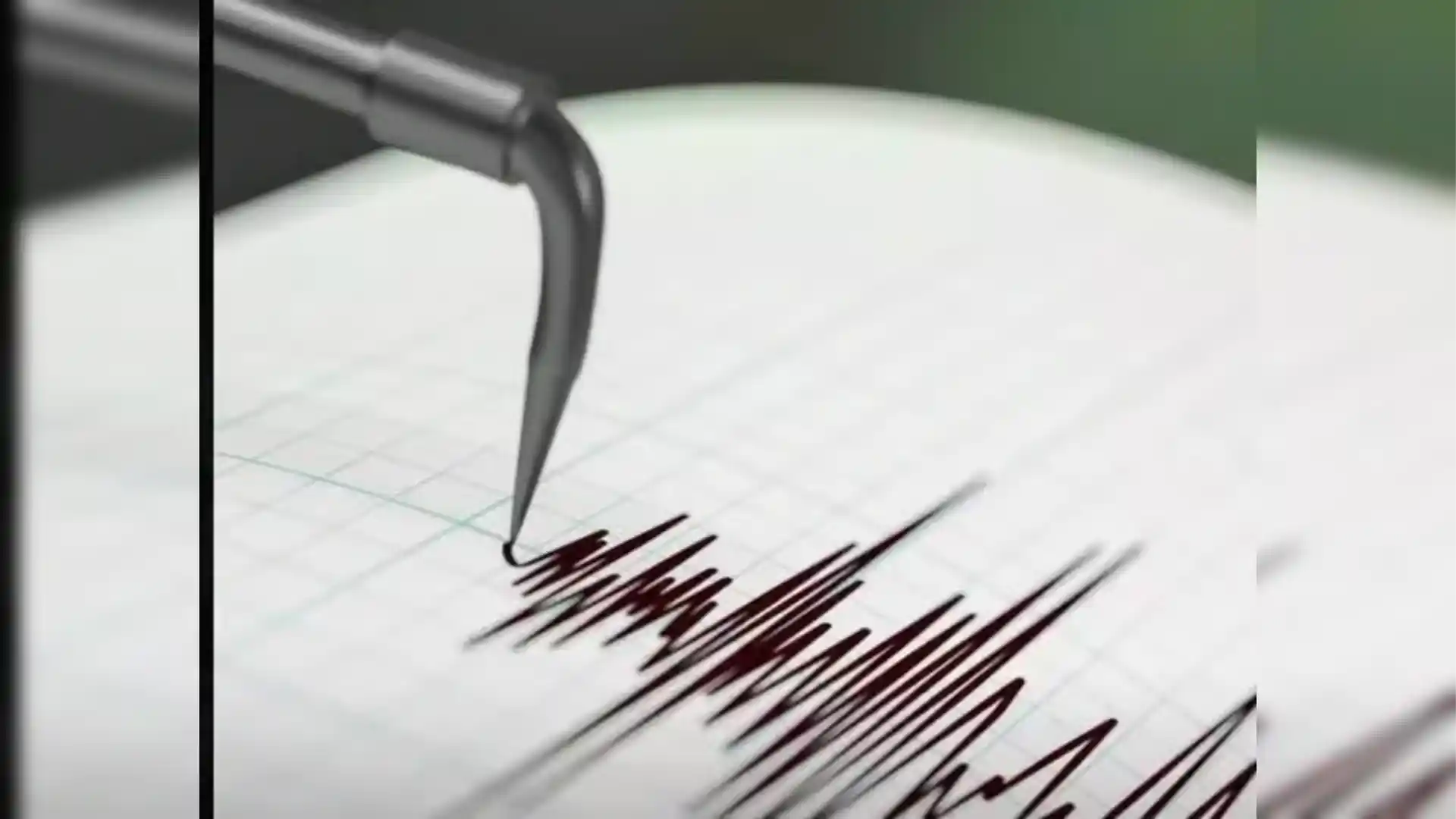
The United Arab Emirates’ National Centre of Meteorology (NCM), which is responsible for monitoring weather patterns and geological activity across the country, reported that its seismic monitoring stations detected a minor earth tremor in the southern part of the Musandam region. According to the official data released by the authority, the seismic event measured 2.2 on the Richter scale, indicating a low-magnitude movement that falls within the category of light seismic activity.
The tremor was recorded on January 3 at precisely 10:43 a.m. UAE local time, as confirmed by the NCM’s advanced seismic surveillance systems. These systems continuously track ground movement across the region, allowing authorities to promptly identify and document even small-scale geological shifts. The detection reflects the Centre’s ongoing commitment to monitoring natural phenomena and ensuring that accurate information is made available to the public and relevant institutions.
Seismic events of this magnitude are generally considered minor and are often not felt by residents, particularly when they occur at considerable depths or in less densely populated areas. The Musandam region, located at the northern tip of the Arabian Peninsula, lies within a zone where occasional tectonic movement can occur due to regional geological structures. Such low-intensity tremors are not uncommon and are typically part of natural tectonic processes.
The National Centre of Meteorology routinely analyzes seismic data collected from a network of sensors distributed across the UAE and surrounding areas. These stations are designed to detect even subtle vibrations in the Earth’s crust, enabling scientists and specialists to assess the strength, location, and timing of seismic events with a high degree of accuracy. In this instance, the data confirmed that the tremor originated south of Musandam and remained limited in scale.
Officials emphasized that the recorded tremor did not pose any known threat to public safety or infrastructure. Events measuring 2.2 in magnitude are generally classified as weak and rarely result in damage. Nevertheless, documenting such occurrences is a vital part of maintaining a comprehensive seismic record, which helps experts better understand regional geological patterns and potential future activity.
The NCM regularly shares seismic updates as part of its transparency policy, ensuring that the public stays informed about natural events that may raise concern or curiosity. By providing clear and timely information, the authority aims to prevent misinformation and unnecessary alarm, particularly when minor tremors are detected.
Musandam’s unique geographical position makes it an area of interest for geologists and researchers studying tectonic movement in the region. The peninsula’s mountainous terrain and proximity to major geological fault lines contribute to occasional seismic activity. However, the vast majority of recorded tremors are small in scale and have no noticeable impact on daily life.
In recent years, the UAE has invested significantly in strengthening its meteorological and geological monitoring capabilities. The National Centre of Meteorology operates state-of-the-art equipment that allows it to detect, analyze, and report seismic events with speed and precision. This technological advancement ensures that authorities remain prepared and informed, regardless of the magnitude of the event.
The January 3 tremor serves as another example of routine seismic monitoring in action. While such minor movements are part of the Earth’s natural behavior, their documentation contributes to a broader understanding of seismic trends in the region. Over time, this accumulated data supports scientific research and enhances preparedness strategies.
Residents in surrounding areas were not reported to have experienced any noticeable shaking, which is consistent with tremors of this strength. Low-magnitude earthquakes often go undetected by people and are only identifiable through sensitive instruments designed specifically for seismic observation.
The NCM continues to monitor seismic activity around the clock, ensuring that any changes in geological conditions are promptly identified. Should stronger or more significant seismic events occur, the authority has established protocols to communicate updates swiftly and accurately to the public and relevant agencies.
By maintaining constant vigilance and sharing verified information, the National Centre of Meteorology reinforces public confidence in the country’s ability to manage and respond to natural phenomena. The recording of the 2.2-magnitude tremor south of Musandam reflects the effectiveness of the UAE’s monitoring systems and its commitment to scientific transparency.
In summary, the minor seismic event detected on January 3 at 10:43 a.m. UAE time was a low-intensity tremor measuring 2.2 in magnitude, recorded by the UAE’s National Centre of Meteorology in the southern Musandam region. The event was documented as part of routine seismic monitoring and did not result in any reported impact, highlighting the importance of continuous observation and accurate reporting of natural geological activity.