A strong earthquake measuring 6.3 on the Richter scale shook southern Mexico today. Authorities report that, fortunately, no significant damage or injuries have been reported, though residents felt the tremor widely.
6.3-Magnitude Quake Strikes Southern Mexico, No Major Damage Seen
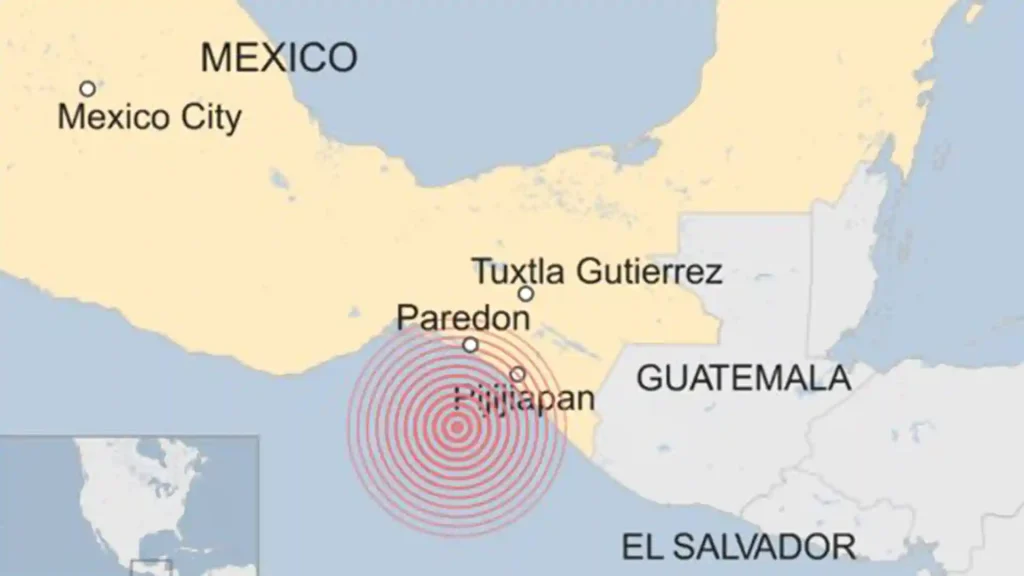
A powerful earthquake with a magnitude of 6.3 rattled the southern Mexican state of Guerrero on Friday, according to the German Research Center for Geosciences (GFZ). The seismic event occurred at a relatively shallow depth of 10 kilometers (approximately 6.2 miles), making the tremor strongly felt in the region.
Despite the intensity, authorities reported no major damage in Guerrero immediately following the quake. Mexican President Claudia Sheinbaum took to X (formerly Twitter) to share the news after consulting with the state governor. She confirmed that the earthquake had not caused significant harm and reassured the public that preliminary reports showed no serious incidents.
In addition, Sheinbaum highlighted that the nation’s capital, Mexico City, remained unaffected, with no structural damage reported. The capital’s residents, however, did feel the tremor, as earthquake alarms went off during the president’s morning news briefing. Sheinbaum remained calm and orderly as she evacuated alongside journalists, demonstrating a composed response amid the sudden event.
The earthquake serves as a reminder of Mexico’s position along the Pacific “Ring of Fire,” a zone known for frequent seismic activity. Guerrero, located on the country’s southern Pacific coast, is particularly susceptible to earthquakes due to the subduction of the Cocos Plate beneath the North American Plate. Experts say shallow quakes, like the one on Friday, can be strongly felt by local communities, even if they do not always result in serious damage.
Officials in Guerrero and surrounding regions have urged residents to remain vigilant and follow established safety procedures. Emergency teams have been placed on standby to respond to any potential aftershocks or localized incidents. The Mexican government has a history of quickly mobilizing resources after earthquakes, including rapid damage assessments and coordination with local authorities.
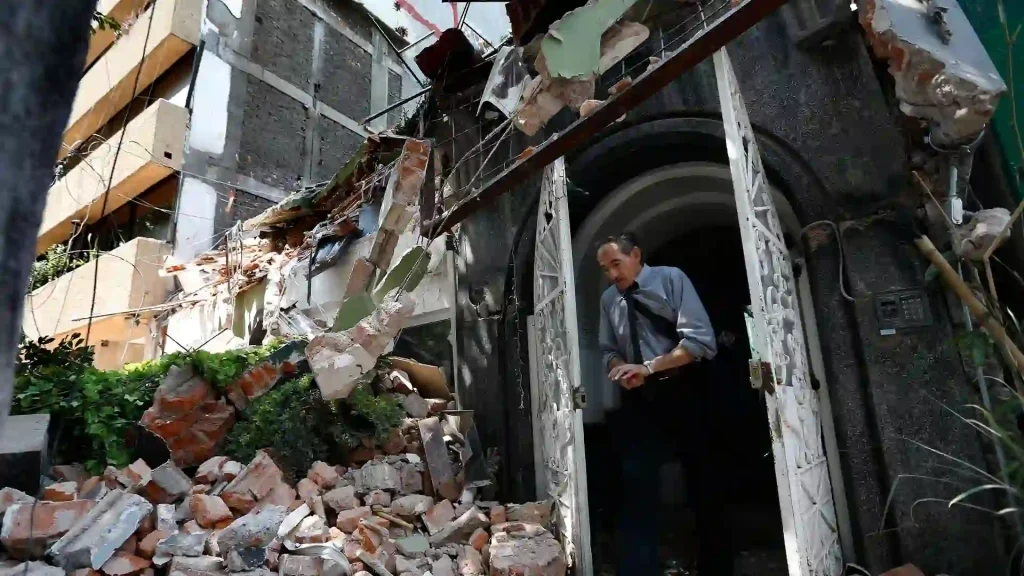
Social media users in Guerrero and neighboring states reported feeling the ground shake, with some noting minor items falling off shelves and buildings swaying slightly. Although the tremor caused momentary alarm, there were no immediate reports of injuries or significant property damage. Authorities continue to monitor the situation for aftershocks, which can follow within hours or days after a main quake.
President Sheinbaum’s response to the quake was praised for its calm and systematic approach. By maintaining composure during the alert and evacuating with her team, she underscored the importance of remaining calm during natural disasters. Experts emphasize that public figures responding calmly can influence citizens’ reactions, helping to prevent panic and maintain orderly evacuation processes.
The GFZ, which monitors seismic activity globally, noted that while a 6.3-magnitude earthquake is considered strong, its shallow depth meant it could be felt across a wide area. Mexico has experienced numerous quakes of similar magnitude in recent decades, with varying degrees of impact depending on location and preparedness measures. Guerrero, while prone to earthquakes, benefits from construction codes and public awareness campaigns designed to reduce the risk of severe damage.
Local authorities in Guerrero have also reminded residents to check emergency supplies, review evacuation plans, and stay informed through official channels. “Preparedness is key,” a spokesperson said. “Even when no immediate damage occurs, it’s important to stay alert for aftershocks and follow instructions from authorities.”
Mexico City, despite being some distance from the quake’s epicenter, experienced the tremor due to the way seismic waves travel through the Earth’s crust. Earthquake alarms triggered across the city as a precaution, prompting residents to follow standard safety protocols. Emergency systems in Mexico City are well-practiced in responding to such alerts, reflecting lessons learned from past quakes, including the devastating 1985 earthquake that reshaped the city’s approach to seismic safety.
Scientists and geologists continue to study the quake to better understand its characteristics and potential implications. They emphasize that earthquakes of this magnitude are a natural part of the tectonic processes shaping the region. The focus now is on monitoring aftershocks and ensuring that communities in Guerrero and neighboring states remain safe.
While Friday’s tremor did not result in serious damage, it serves as a reminder of the ongoing seismic risks faced by many parts of Mexico. Preparedness, early warning systems, and calm public response remain crucial to minimizing the impact of such natural events. Residents are encouraged to stay informed through official government channels and to follow guidance from local authorities.
Insider18 experts note that earthquakes, even when moderate, offer valuable data for seismologists studying the Earth’s movements. Each event contributes to a better understanding of how stress accumulates along fault lines, helping improve future warning systems and mitigation strategies. Guerrero’s residents, along with authorities, are now closely monitoring aftershocks and conducting precautionary inspections to ensure infrastructure and homes remain safe.
In summary, a 6.3-magnitude earthquake shook Guerrero, Mexico, on Friday at a depth of 10 km. Despite the tremor being strongly felt in the region and reaching Mexico City, no serious damage or injuries have been reported. President Claudia Sheinbaum responded calmly during the event, evacuating safely with journalists while reassuring the public. Authorities remain vigilant, monitoring for aftershocks and emphasizing safety protocols, underscoring Mexico’s ongoing commitment to earthquake preparedness and public safety.