UAE food outlets are modifying operations and packaging practices to comply with newly enforced single-use plastic restrictions, embracing sustainable alternatives while adjusting daily services to meet updated environmental regulations nationwide.
UAE Food Outlets Adapt to New Single-Use Plastic Restrictions
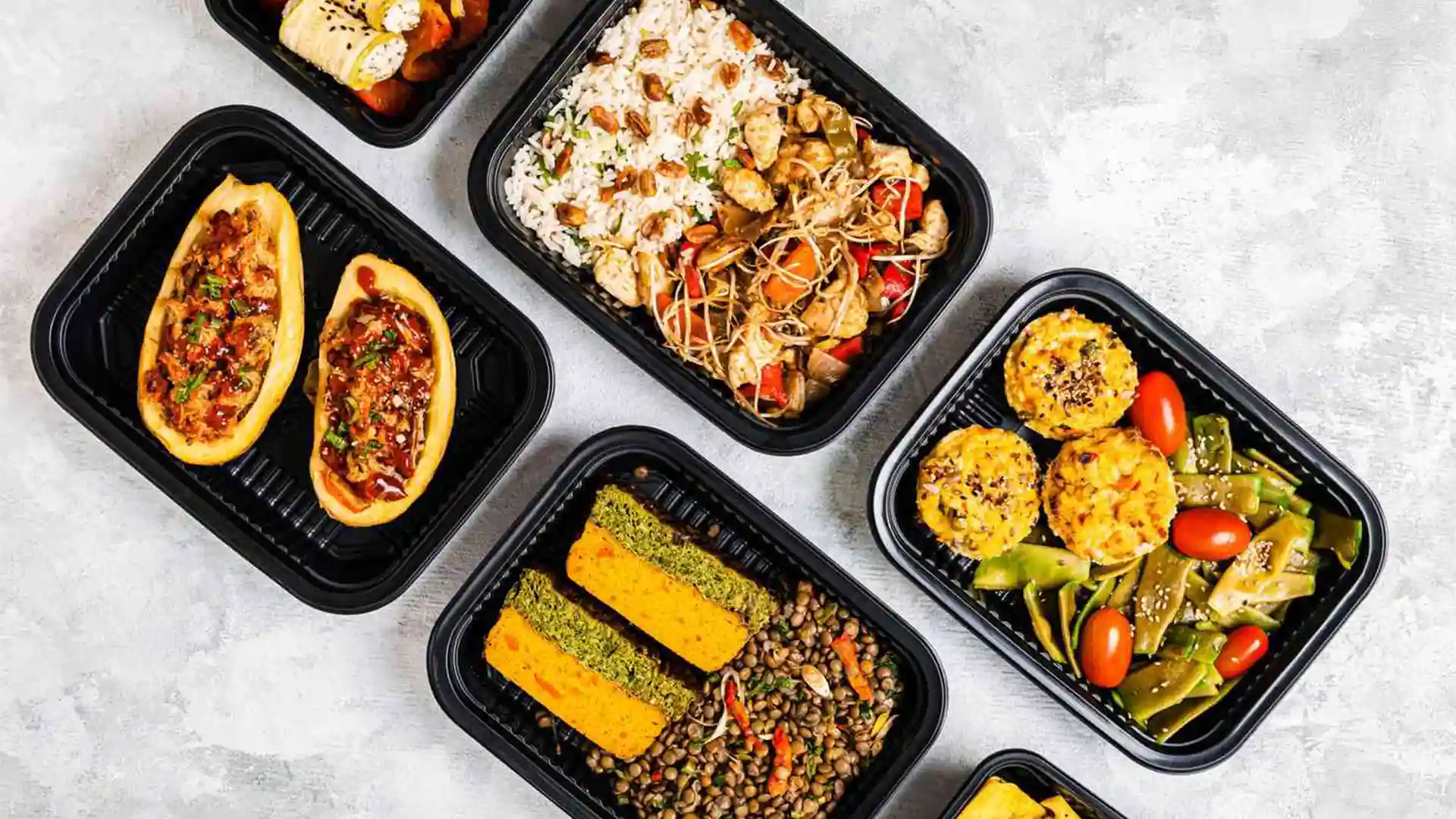
As the UAE prepares to implement the second phase of its nationwide single-use plastic ban on January 1, 2026, many restaurants and cafeterias have already begun adjusting their practices by eliminating items that will soon be prohibited. Several food outlets say they chose to act well ahead of the official enforcement date to avoid operational disruptions and unnecessary waste.
According to multiple cafeteria operators, the transition away from plastic products began months earlier, once it became clear that the regulations would be strictly applied. Some businesses told insider18 that they stopped purchasing single-use plastic items as early as November 2025, choosing instead to exhaust their existing stock and then switch to compliant alternatives.
A staff member from Sooq Al Shay cafeteria explained that the decision was both practical and forward-looking. The team was aware of the upcoming ban and did not want to risk being left with unusable items once the law came into effect. After their remaining supply of foam cups, plastic straws, forks and spoons ran out, the cafeteria decided not to reorder them. Instead, it introduced paper cups, wooden cutlery and reusable serving ware, especially for customers dining in. For takeaway orders, the outlet now relies on containers that meet the new environmental standards.
While the shift required some initial effort, many businesses say the long-term benefits outweigh the challenges. Representatives from Al Faizeen cafeteria in Sharjah noted that the transition involved early adjustments, particularly related to sourcing alternatives and managing higher costs. However, they added that customers responded positively to the changes. According to staff, many diners appreciated the cafeteria’s early commitment to reducing plastic use, viewing it as a responsible and environmentally conscious move.
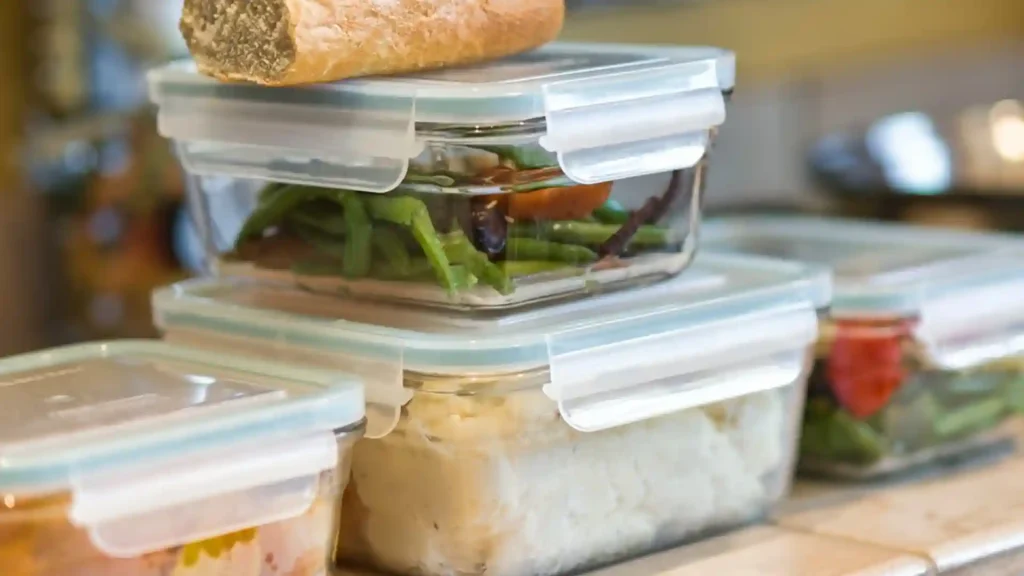
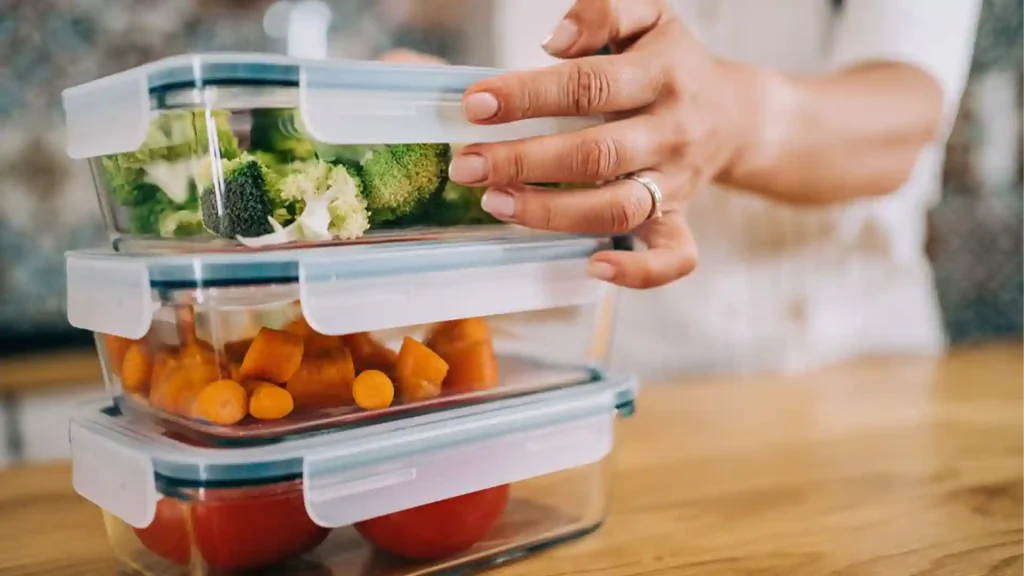
The cafeteria also pointed out that transitioning ahead of the deadline helped ease the process internally. By acting early, management was able to give employees time to adjust daily routines, receive proper training and test new suppliers without the pressure of last-minute compliance. This gradual approach made the operational shift smoother and more manageable.
Similar changes are already evident across Sharjah’s food scene. At Desi Biryani, management says plastic has almost entirely disappeared from daily operations. For delivery and takeaway orders, the restaurant now uses food-grade boxes instead of the plastic containers that were once common in the industry. Plastic carry bags have also been removed, replaced with more durable and regulation-compliant alternatives.
A delivery agent from the restaurant said the decision to move away from plastic was made well in advance, once it became clear that items such as plastic bags and containers would no longer be permitted from 2026. By transitioning early, the restaurant avoided sudden changes and allowed both staff and customers to adapt naturally. Orders are now dispatched exclusively in boxes, and customers collect their food without plastic packaging.
Management at Desi Biryani noted that the switch was easier than expected, largely because suppliers had already begun offering a wider range of non-plastic options. As demand for sustainable packaging increased across the market, alternatives became more readily available, making the transition less disruptive for businesses.
Customers, too, appear to be adjusting quickly to the new normal. Regular food delivery users told insider18 that they have noticed a clear reduction in plastic items included with their orders. Plastic cutlery and bags are increasingly absent, and many diners say the change no longer feels unusual.
Sharjah resident Syed Aamer said he had observed the shift over the past few days, particularly the absence of disposable cutlery with food deliveries. After asking a restaurant about it, he learned more about the upcoming ban. He added that receiving food in boxes without plastic bags now feels normal, and the change no longer stands out.
The move toward reducing single-use plastics is part of a broader national strategy to promote sustainability and environmental responsibility. In 2022, the UAE government introduced Ministerial Decision No. 380, which aimed to curb pollution caused by single-use products. At the same time, a wider decree was issued to support sustainability initiatives and encourage a circular economy across the country.
Building on this framework, further regulatory measures were introduced at the emirate level. In Dubai, an executive council resolution was issued by Sheikh Hamdan bin Mohammed bin Rashid Al Maktoum, Crown Prince of Dubai, Deputy Prime Minister and Minister of Defence of the UAE, and Chairman of The Executive Council of Dubai. The resolution focused on regulating the use of single-use products and ensuring a structured approach to reducing environmental impact within the emirate.