UAE doctors warn that growing mobile phone addiction is affecting mental health, sleep, and daily life, urging people to recognize nomophobia and reduce excessive smartphone use before it worsens further.
Are You Addicted to Your Phone? UAE Doctors Sound the Alarm
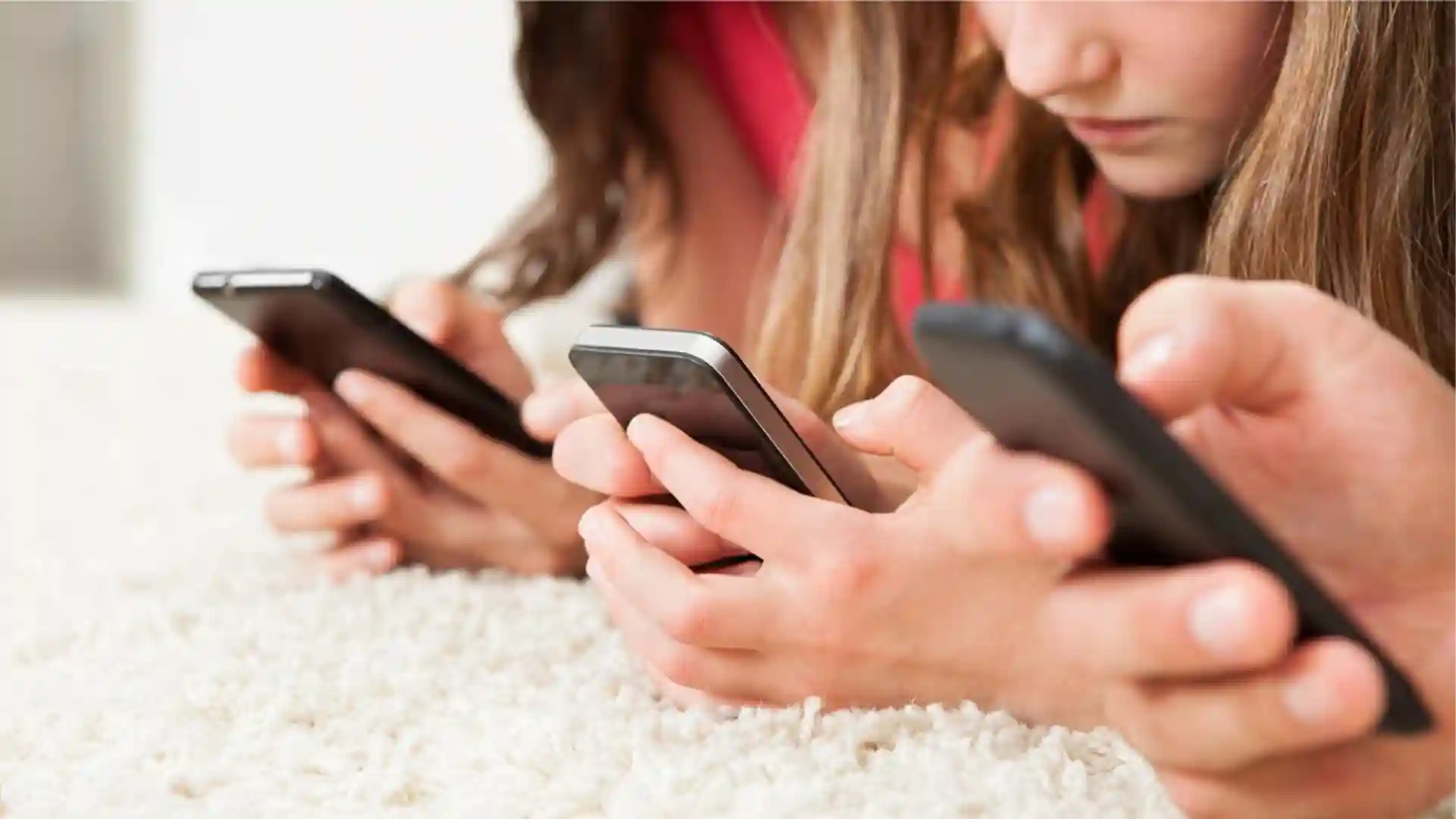
From morning school runs in Abu Dhabi to after-hours work messages in Dubai, smartphones have become almost inseparable from daily life.
Across the UAE, phones serve as essential tools for communication, work, safety and staying connected with loved ones. However, increasing research indicates that the discomfort people feel when they are without their devices may go beyond simple inconvenience.
Research cited in the International Journal of Research Studies in Education reports that 94 per cent of mobile phone users in the United States experience “nomophobia,” defined as an irrational fear or anxiety caused by being without a phone. Although the study centers on the US, mental health experts say the same behavioural patterns are increasingly evident throughout the Middle East, including the UAE.
Doctors explain that nomophobia rarely appears as a condition people openly recognize in themselves. Instead, it tends to surface through subtle but common symptoms such as poor sleep, heightened irritability, anxiety, and reduced focus—particularly when access to a phone is limited.
Poor sleep quality, psychological strain
Dr Omar Bin Abdulaziz, Specialist Psychiatrist at NMC Royal Hospital in Khalifa City, Abu Dhabi, noted that the issue is closely linked to the way smartphones have become ingrained in everyday life.
He explained that patients rarely seek help specifically for “nomophobia.” Instead, it tends to emerge indirectly through symptoms such as disrupted sleep, anxiety, irritability, difficulty focusing, and stress-related physical complaints—particularly when access to a phone is restricted. According to him, these signs reflect how central smartphones have become to modern routines, rather than pointing to a distinct mental health condition on their own.
Within the UAE, research involving students and young adults indicates widespread problematic smartphone use, often accompanied by poor sleep and increased psychological stress. Clinicians say this aligns with what they regularly observe in practice: while mobile phones play a vital role in work, family communication and personal safety, excessive or unregulated use can gradually undermine mental well-being.
For parents, educators and employers, a common challenge is determining when heavy phone use shifts from being normal to potentially harmful.
Dr Abdulaziz emphasized that the concern is not how frequently a phone is used, but the level of control a person maintains.
“Smartphone use becomes a mental health issue when individuals lose balance and control, leading to ongoing distress and noticeable effects on sleep, mood, relationships or daily functioning,” he said. Warning signs may include intense anxiety when separated from a device, repeated unsuccessful attempts to reduce usage, ongoing sleep problems, social withdrawal, increased family conflict, and—in teenagers—strong emotional reliance on online approval.
From habit to mental health concern
Mental health professionals note that teenagers and young adults are especially at risk, as smartphones often serve as their main platform for social interaction. In the UAE’s digitally driven society, this reliance can escalate rapidly.
Sreevidhya Srinivas, Clinical Psychologist at Medcare Camali Clinic, says concerns linked to nomophobia are appearing more frequently in therapy sessions, even though patients may not label the problem themselves.
She explains that the fear or anxiety linked to being without a mobile phone is increasingly evident in clinical practice, particularly among younger age groups. Clinicians are observing symptoms such as heightened anxiety, irritability, restlessness and panic-like reactions when individuals are separated from their devices. Other common issues include sleep problems, shortened attention spans, difficulty focusing and challenges with emotional regulation.
In the UAE, where digital access is deeply woven into work, education and social life, these patterns are becoming more apparent to healthcare providers. Although comprehensive, local data is still developing, specialists report a rise in cases where heavy smartphone dependence is linked to anxiety, disrupted sleep routines and reduced emotional resilience—most notably among adolescents and young adults.
According to Srinivas, the point at which routine phone use becomes a mental health concern is when devices begin to replace healthy coping mechanisms.
She notes that dependence becomes problematic when it interferes with daily activities, emotional stability and personal relationships. Warning signs may include severe distress when phone access is restricted, compulsive checking, ongoing sleep disruption, withdrawal from face-to-face interactions, and declining performance at school or work.
Warning signs in adolescents
Among teenagers, clinicians say the warning signs can appear as heightened irritability, low tolerance for frustration, emotional dependence on devices for reassurance, and an inability to manage boredom or stress without constant digital input. When screens become the main tool for soothing emotions or avoiding discomfort, experts say it may be time to seek professional support.
Mental health professionals emphasise that treatment does not involve eliminating phone use altogether—an impractical expectation in today’s world—but rather re-establishing healthy balance.
Dr Abdulaziz explains that clinical guidance usually centres on gradual, realistic adjustments instead of rigid limitations.
“Most treatment plans focus on restoring balance, not imposing bans. Typical strategies include safeguarding sleep by keeping phones out of bedrooms, slowly building tolerance for short periods offline, and switching off unnecessary notifications that encourage compulsive checking.
“With adolescents, approaches that involve the whole family tend to be most effective. This includes setting clear, mutually agreed boundaries and ensuring parents demonstrate healthy phone habits themselves. Clinicians also assess for underlying issues such as anxiety, low mood or attention difficulties, as treating these often naturally reduces unhealthy phone reliance.”
Doctors note that although comprehensive UAE-specific data is still lacking, studies from across the region indicate similar patterns—especially among young adults and women—confirming trends UAE clinicians regularly observe.
Dr Shaju George, Specialist Psychiatrist at International Modern Hospital Dubai, adds that while nomophobia is not officially classified as a separate mental health disorder, it is increasingly assessed during clinical evaluations. He says professionals now view it as part of a wider pattern of problematic smartphone use linked to anxiety, rather than a formal diagnosis, as it is not currently listed in diagnostic manuals such as the DSM-5 or ICD-11.
Despite this, clinicians report recurring psychological and physical symptoms in everyday practice, including intense anxiety or panic when separated from a phone, as well as physical responses like trembling, sweating, rapid heartbeat, breathing changes, agitation and confusion when connectivity is lost.