The UAE has set a Dh6,000 minimum monthly salary for Emiratis employed in the private sector, effective January 1, 2026, to enhance job stability and encourage national workforce participation.
UAE introduces Dh6,000 minimum pay for Emiratis in private sector starting January 1, 2026 nationwide
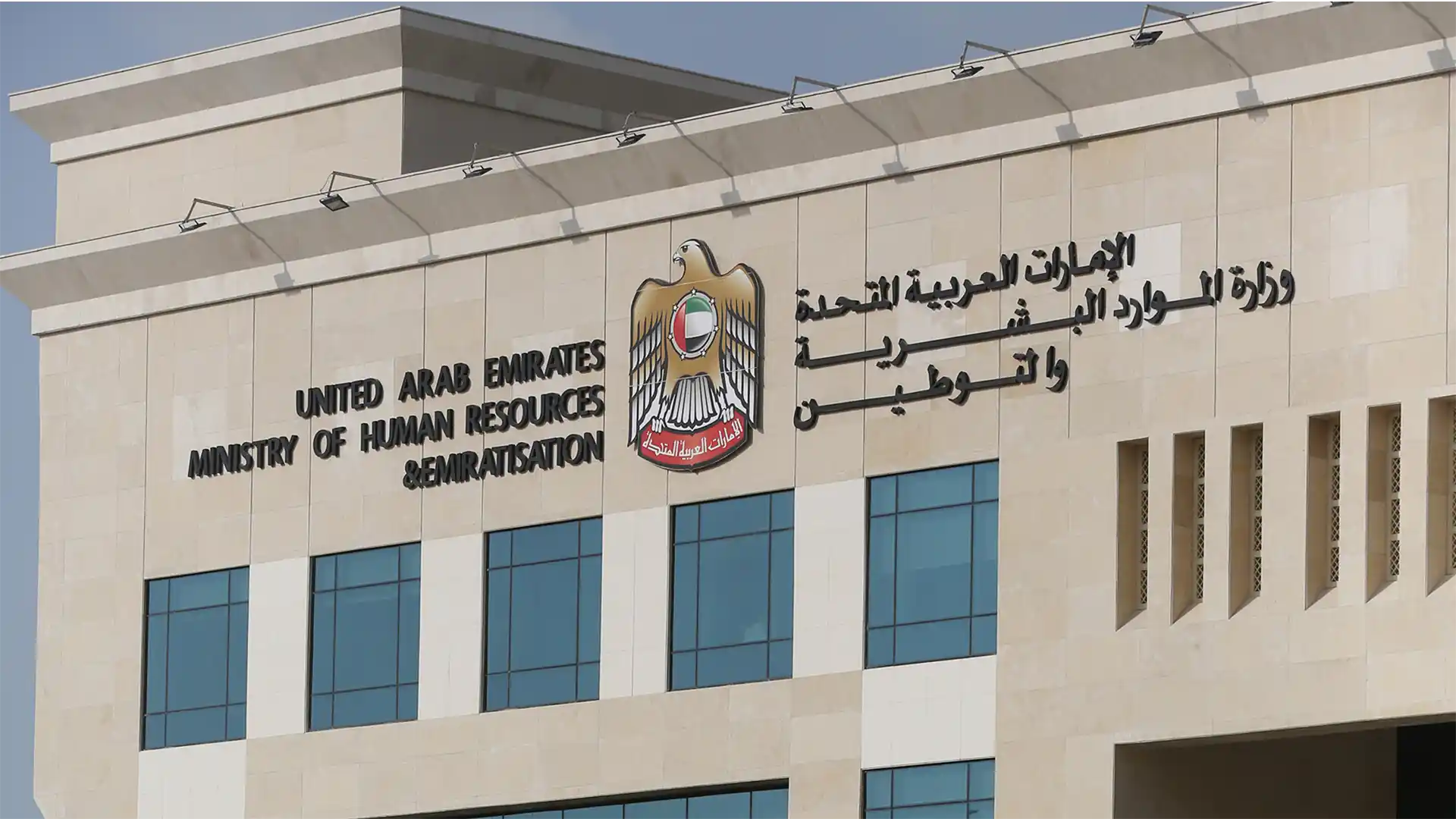
The UAE has announced a new minimum salary threshold of Dh6,000 for Emirati nationals working in the private sector, which will come into force on January 1, 2026, as stated in a notice issued by the Ministry of Human Resources and Emiratisation (Mohre).
The announcement was initially shared on the Mohre smart application on December 27, before the ministry provided additional clarification through an official post on X. Mohre confirmed that, starting from January 1, 2026, the minimum pay for Emiratis employed in private companies will be revised to Dh6,000.
This revised wage requirement will be linked to all processes involving citizen work permits, including issuance, renewal, and amendments. The ministry noted that employers will receive notifications through Mohre’s service channels and the smart app, informing them of the updated salary requirement effective from the start of 2026.
From that date onward, companies will be unable to print or submit any application related to an Emirati work permit if the recorded salary is less than Dh6,000. In such cases, employers will be prompted to revise the salary details before proceeding.
Mohre further stated that if employers fail to make the necessary salary adjustments by June 30, 2026, compliance actions will begin on July 1, 2026. These measures include removing the affected Emirati employee from Emiratisation quota calculations until their pay meets the minimum requirement. In addition, establishments may face restrictions that prevent them from issuing new work permits due to non-compliant Emirati salaries.
The ministry also clarified that the revised minimum wage applies exclusively to citizen work permits with a validity period of two years, whether they are newly issued, renewed, or amended, and will officially take effect from January 1, 2026.
Earlier, Mohre had announced that Emiratis hired from January 1, 2025, were required to receive a minimum monthly salary of Dh5,000 by the end of February 2025. Employers who did not meet this requirement risked having those employees excluded from Emiratisation targets, along with possible restrictions on issuing new work permits until salaries were corrected.
The revised minimum wage is part of the UAE’s broader strategy to strengthen Emiratisation across the private sector and ensure sustainable career opportunities for citizens. By raising salary thresholds, authorities aim to enhance job quality, improve long-term retention, and make private sector roles more attractive to Emiratis. The move also supports the country’s economic diversification goals by encouraging greater participation of nationals in key industries. Officials have repeatedly stressed that competitive compensation is essential to building a skilled national workforce that can contribute effectively to private sector growth and innovation.
Private sector employers are expected to review their payroll structures well ahead of the January 2026 deadline to ensure compliance. Companies employing Emirati nationals may need to allocate additional resources to meet the revised wage requirement, particularly small and medium-sized enterprises. Mohre has encouraged businesses to act early to avoid operational disruptions related to work permit applications. Employers who proactively adjust salaries will be better positioned to maintain uninterrupted access to government services and avoid potential penalties once enforcement measures come into effect.


The ministry’s digital platforms will play a central role in implementing the new wage policy. Through automated checks embedded in the Mohre smart app and related systems, salary data will be verified before any citizen work permit transaction is approved. This digital enforcement approach aims to reduce errors, improve transparency, and ensure consistent application of regulations across sectors. Employers will receive system-generated alerts if salary details fall below the mandated threshold, prompting immediate corrective action before applications can proceed further.
Failure to comply with the updated minimum wage could have wider implications for companies’ Emiratisation performance. Excluding Emirati employees from quota calculations may impact an establishment’s overall compliance rating, potentially affecting its ability to expand its workforce. Restrictions on issuing new work permits could also slow business operations and recruitment plans. As Emiratisation targets continue to increase annually, maintaining compliance with wage requirements will be critical for companies seeking to meet national employment benchmarks and sustain long-term growth.
The Dh6,000 minimum wage represents a continued evolution of labour policies aimed at balancing business needs with national workforce development. Industry observers note that gradual salary adjustments, combined with clear timelines, give employers adequate time to adapt. As January 2026 approaches, further guidance and awareness campaigns are expected to support smooth implementation. The policy signals the government’s ongoing commitment to enhancing employment standards for Emiratis while reinforcing the private sector’s role as a key driver of inclusive economic progress.