During a gathering at Ghamran Camp, Sheikh Hamdan reflected on the influence of his early mentor, expressing appreciation for the guidance and lessons that shaped his character, values, and leadership journey from childhood into adulthood.
Sheikh Hamdan remembers his early mentor during Ghamran Camp gathering.
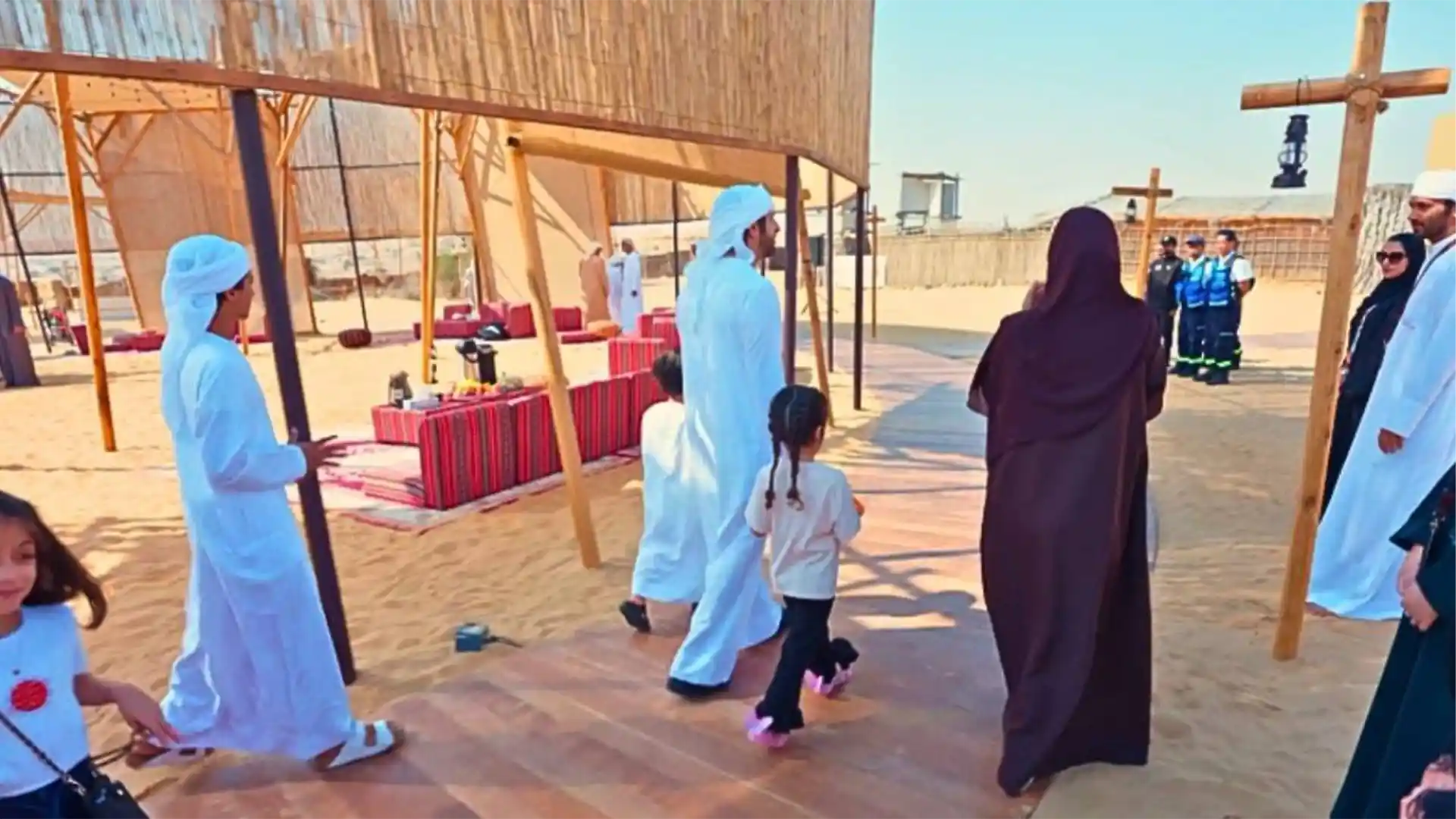
Deep within the vast expanse of Dubai’s desert, a meaningful initiative has emerged that seeks to reconnect Emirati families with the values, traditions, and way of life that shaped earlier generations. Known as Ghamran Camp, the programme has quickly become a powerful symbol of cultural revival, family bonding, and intergenerational learning.
Launched under the guidance of Dubai Crown Prince Sheikh Hamdan bin Mohammed bin Rashid Al Maktoum, the camp recently concluded its first round of sessions, leaving a lasting impact on participating families. The initiative was held in two separate phases, running from December 12 to 14 and later from December 26 to 28, allowing multiple groups to take part in the immersive experience.
Designed as a traditional desert camp, Ghamran Camp invited fathers and sons, as well as grandfathers and grandsons, to step away from modern conveniences and rediscover life in its simplest form. Mobile phones, screens, and digital distractions were replaced with open desert skies, shared responsibilities, and meaningful conversations. The goal was not entertainment alone, but the creation of lasting memories rooted in Emirati heritage.
At the heart of the camp’s philosophy lies a desire to strengthen family bonds while reinforcing cultural identity. By bringing together different generations in a setting that mirrors the lifestyle of their ancestors, participants were encouraged to reflect on values such as patience, resilience, cooperation, and respect. Activities centred around traditional camping practices, storytelling, and shared daily tasks, fostering a deeper sense of connection between family members.
The initiative comes at a time when rapid technological advancement has reshaped daily life, often limiting opportunities for genuine human interaction. Ghamran Camp serves as a conscious response to this reality, offering families a chance to slow down and reconnect — not only with one another, but also with the customs and principles that have long defined Emirati society.
The meaning behind the name
The name “Ghamran” carries special emotional weight, rooted in the personal memories of Sheikh Hamdan himself. The camp is named in honour of Ghamran Al-Humairi, a man who played a formative role in the Crown Prince’s early years and left a lasting impression on his character.
According to the camp’s background narrative, Sheikh Hamdan once shared a memorable desert camping experience with his brother, the late Sheikh Rashid, alongside Ghamran Al-Humairi. During this time, the young brothers were introduced to essential life lessons that extended far beyond the physical challenges of desert living. They learned the importance of endurance, independence, and perseverance — lessons that would later influence their outlook on leadership and responsibility.
These formative experiences became the foundation upon which Ghamran Camp was built. By naming the initiative after his mentor, Sheikh Hamdan transformed the camp into a living tribute — one that honours the role of guidance, mentorship, and wisdom in shaping future generations.
Passing wisdom forward
More than a retreat, Ghamran Camp represents a commitment to ensuring that the lessons of the past continue to shape the future. Participants were encouraged to learn directly from elders, listen to personal stories, and understand the realities of life before modern comforts became commonplace. This exchange of experiences helped bridge generational gaps and reinforced the idea that heritage is best preserved through lived experience rather than textbooks or screens.
The camp’s structure allowed young participants to observe leadership, responsibility, and teamwork firsthand. Fathers and grandfathers served as role models, demonstrating values that cannot be taught through words alone. For many families, the experience sparked deeper conversations about identity, legacy, and the importance of preserving cultural roots in a rapidly changing world.
A vision for the future
The success of the inaugural sessions has highlighted the strong desire among Emirati families for initiatives that prioritise cultural preservation and meaningful engagement. Ghamran Camp stands as a powerful example of how tradition and leadership can come together to inspire unity and pride.
By drawing from personal history and collective heritage, Sheikh Hamdan has created more than a camp — he has created a space where values are lived, stories are shared, and connections are strengthened. As the initiative continues, it is expected to play an important role in nurturing a new generation that remains firmly grounded in its cultural identity while confidently navigating the modern world.

One of the camp’s most prominent activities is falconry, a deeply respected practice within Bedouin culture. Participants are introduced to the principles of caring for, handling, and understanding falcons, gaining insight into the strong bond between humans and birds that has existed for generations. Through this practice, families learn about patience, trust, and discipline.
Archery is another key element of the programme, offering participants a chance to develop focus, coordination, and precision. Historically vital for protection and hunting, archery at the camp serves as both a physical challenge and a lesson in self-control and perseverance.
Young participants are also taught the traditional methods of preparing and harnessing camels, animals that played a central role in desert travel and trade. Through this activity, children learn not only practical techniques but also the importance of care, responsibility, and respect for animals that supported their ancestors’ way of life.
Traditional crafts form an essential part of the camp experience. Families take part in activities such as palm harvesting, learning how every part of the palm tree was historically utilised for shelter, tools, food, and daily necessities. Participants are also introduced to the Ghaf tree, a national symbol of endurance and generosity, gaining an understanding of its ecological and cultural significance.
Cultural expression is woven throughout the camp’s daily routine. Participants engage in the recitation of traditional poetry, learning how verse was once used to record history, express emotions, and strengthen social bonds. Instruction in Al Sanea, the etiquette of Emirati hospitality, teaches younger generations the values of generosity, respect, and welcoming others—principles that remain central to Emirati identity.
Beyond hands-on activities, the camp includes educational sessions focused on traditional knowledge systems. Participants learn about early agricultural methods, including irrigation techniques and date palm cultivation, gaining insight into how communities sustained themselves in arid conditions. Lessons on celestial navigation introduce families to the ancient practice of reading the stars, a skill once essential for travel across vast desert landscapes.
Group challenges and team-based activities further reinforce the importance of cooperation and collective responsibility. These exercises mirror the communal nature of traditional desert life, where survival depended on trust, collaboration, and mutual support.
The inaugural session of Ghamran Camp received an overwhelmingly positive response from the community. Families who attended the three-day programme described the experience as deeply enriching, noting stronger family bonds and a renewed appreciation for their heritage. Many participants expressed that the camp allowed them to experience a sense of simplicity and clarity often lost in modern life.
Parents observed noticeable changes in their children, including increased curiosity about their culture, greater respect for elders, and a stronger sense of responsibility. For many families, the experience sparked ongoing conversations about identity, history, and the importance of preserving cultural values.
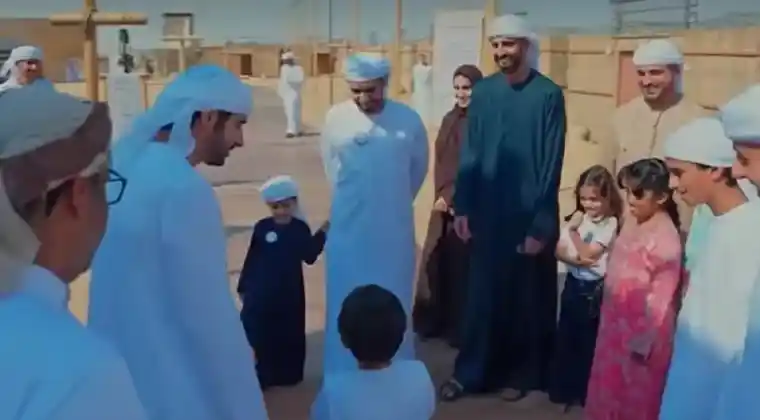
The importance of the initiative was underscored by Sheikh Hamdan’s visit to the camp on December 28, accompanied by his own children, Sheikha and Rashid. Rather than attending as an observer, he actively took part in the activities alongside other families, reinforcing the message that heritage preservation begins at home.
His presence sent a powerful signal about the value of leading by example. By engaging directly with the camp’s programme, Sheikh Hamdan demonstrated his personal commitment to ensuring that Emirati traditions remain alive, relevant, and accessible to future generations.
Through initiatives like Ghamran Camp, cultural preservation becomes a shared responsibility—one rooted in experience, family connection, and the wisdom of the past guiding the path forward.