Researchers in the UAE have identified the underlying factors driving unusually high summer temperatures in the Arabian Gulf, offering new scientific insight into why the region experiences increasingly intense and prolonged heat during the warmer months.
Scientists in the UAE uncover reason for soaring summer temperatures in the Arabian Gulf.
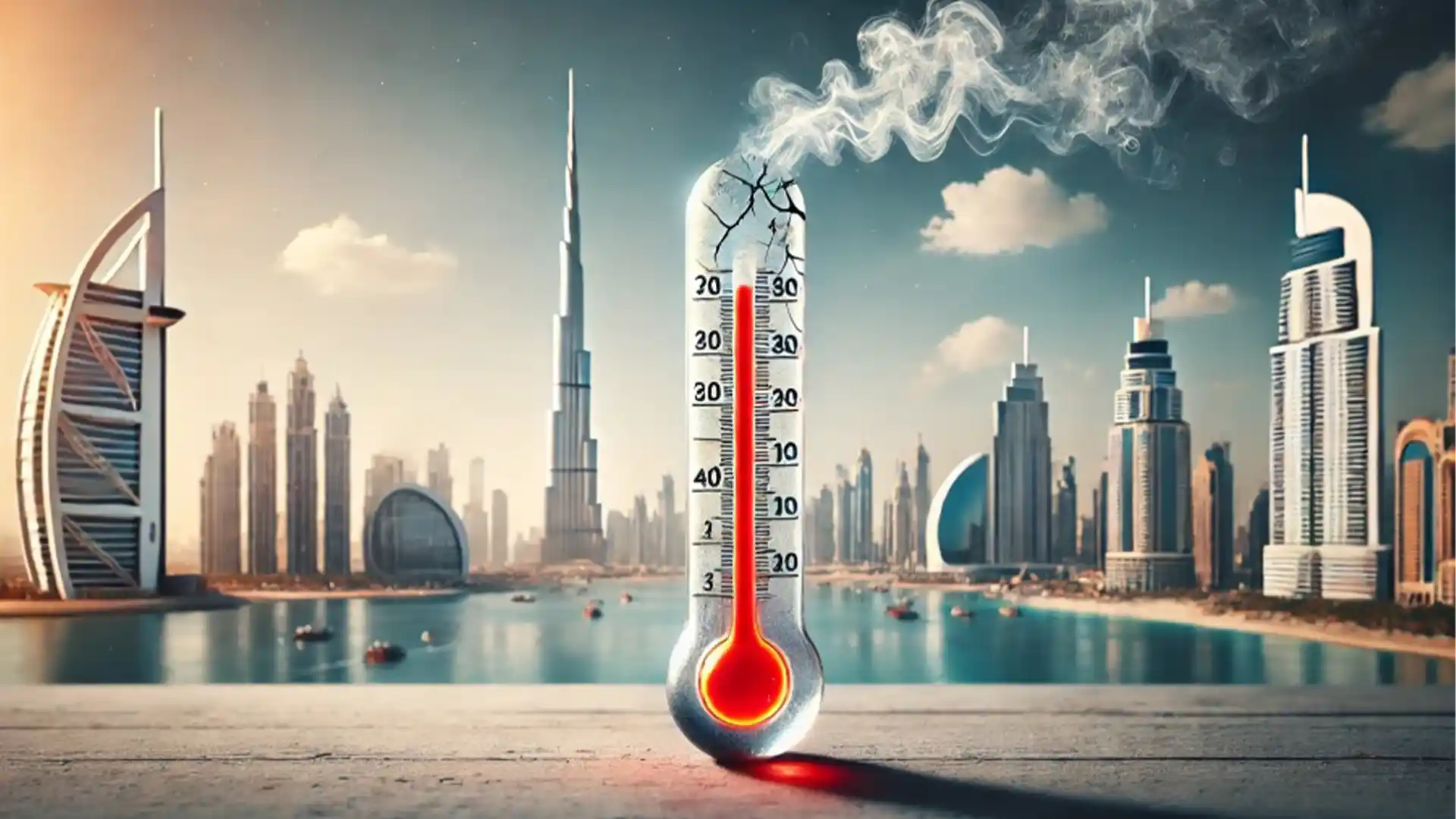
Researchers at a UAE-based university have pinpointed the atmospheric and oceanic factors responsible for extreme summer heat in the Arabian Gulf, a breakthrough that may allow scientists to forecast hazardous marine heatwaves well in advance and safeguard vulnerable ecosystems.
The findings, from a recent study conducted by the Mubadala ACCESS Center at NYU Abu Dhabi, shed light on why certain summers in the Gulf experience unusually high sea temperatures, creating conditions that threaten coral reefs, fisheries, and overall marine biodiversity.
Scientists say a new climate study could significantly improve the Arabian Gulf’s ability to anticipate extreme summer heat, offering authorities a crucial window of time—up to two or three months—to prepare for potentially damaging conditions. As climate change continues to intensify weather extremes worldwide, the research highlights the urgent need for locally tailored, data-driven forecasting systems to protect marine ecosystems, fisheries, and coastal communities throughout the region.
The Arabian Gulf already experiences some of the highest sea surface temperatures on the planet during summer. While many marine species in the region have evolved to tolerate extreme heat, certain years push conditions beyond even these limits. During such periods, unusually high ocean temperatures can lead to widespread coral bleaching, disrupt fish populations, and destabilize fragile marine environments. Until recently, however, scientists lacked a clear understanding of why some summers become far hotter than others.
A new study conducted by researchers at NYU Abu Dhabi’s Mubadala ACCESS Center has now shed light on the underlying mechanisms behind these extreme marine heat events. By analysing decades of climate data alongside advanced ocean and atmospheric modelling, the research team identified the specific conditions that trigger the most intense summer warming in the Gulf.
According to the study, extreme marine heatwaves in the Arabian Gulf occur when two major regional wind systems change simultaneously. Under normal summer conditions, northwesterly Shamal winds help cool the Gulf by promoting evaporation and mixing of surface waters. However, when these winds weaken, their cooling influence diminishes.
At the same time, the Indian summer monsoon can intensify, pushing warm, moisture-laden air toward the Gulf region. When both of these shifts happen together—weak Shamal winds and a stronger monsoon—the result is a buildup of humidity over the Gulf. This humid air acts like a blanket, trapping heat near the ocean’s surface and preventing it from escaping into the atmosphere. As a consequence, sea surface temperatures rise sharply, creating ideal conditions for marine heatwaves.
The researchers found that this process is fundamentally different from what drives heatwaves in many other parts of the world’s oceans. In most regions, marine heatwaves are often linked to clear skies and strong sunlight that directly heats the water. In contrast, the Arabian Gulf’s most extreme warming occurs under hazy, humid conditions, where heat is retained rather than intensified by direct solar radiation.
The study also revealed that these extreme Gulf summers are connected to larger global climate patterns. In particular, the researchers found a strong link between intense warming events and La Niña phases in the tropical Pacific Ocean. During La Niña, cooler-than-average waters in the Pacific influence atmospheric circulation patterns around the world, indirectly affecting wind systems in the Middle East.
In addition to La Niña, the research identified the North Atlantic Oscillation (NAO) as another key factor. When the NAO enters a weaker phase, storm tracks over the Atlantic shift, altering weather patterns across Europe and parts of the Middle East. The study showed that when a La Niña event coincides with a weak NAO phase, the Arabian Gulf is especially vulnerable to experiencing its most severe marine heatwaves.
When these large-scale climate signals align, they reinforce regional wind changes, creating conditions that favour prolonged and intense ocean warming in the Gulf. The researchers describe this alignment as a critical warning sign for extreme summer conditions.
Zouhair Lachkar, senior scientist at NYU Abu Dhabi and lead author of the study, said the findings challenge conventional assumptions about how marine heatwaves form. “What we discovered was unexpected,” he explained. “In many oceans, extreme warming happens under clear skies with intense sunshine. In the Arabian Gulf, however, the hottest sea temperatures occur when the atmosphere is humid and hazy. And while El Niño is often responsible for heatwaves elsewhere, it is La Niña that plays the dominant role here.”
This distinction is especially important for forecasting, as it allows scientists to identify early indicators months before peak summer temperatures arrive. By monitoring global climate patterns such as La Niña and the North Atlantic Oscillation, along with regional wind behaviour, researchers can now better anticipate when the Gulf is at risk of extreme warming.
The implications of this research extend beyond scientific understanding. Improved early-warning systems could allow governments, environmental agencies, and marine managers to take preventative action before damage occurs. Measures could include increased monitoring of coral reefs, temporary restrictions on fishing in vulnerable areas, or the deployment of conservation strategies to reduce stress on marine ecosystems during extreme heat events.
John Burt, co-director of the Mubadala ACCESS Center and senior author of the study, emphasized the practical value of the findings. He said the ability to predict extreme marine heat weeks or even months in advance could be transformative for environmental management in the region.
“Our results have major implications for forecasting extreme heat conditions well ahead of time,” Burt said. “This gives decision-makers the opportunity to respond proactively rather than reactively. Marine managers can prepare to monitor coral reefs more closely, protect sensitive habitats, and reduce the long-term damage caused by these events.”
Burt added that the study reflects the ACCESS Center’s mission to produce research that is both locally relevant and globally significant. “Understanding how climate change affects regional seas like the Arabian Gulf is essential,” he said. “The lessons we learn here can also improve our understanding of extreme heat in other parts of the world.”
As climate change continues to warm the planet, scientists expect marine heatwaves to become more frequent and more intense. In regions like the Arabian Gulf—where temperatures are already near the upper tolerance limits for many species—the stakes are particularly high. Coral reefs, which support fisheries and protect coastlines, are especially vulnerable to sustained heat stress.
The new findings mark an important step toward reducing that risk. By uncovering the specific combination of regional and global factors that drive extreme summer heat in the Gulf, researchers have provided a scientific foundation for more accurate forecasting and better-informed decision-making.
Ultimately, the study underscores the importance of regional climate research in a warming world. While global models provide broad trends, local studies like this one reveal the unique processes shaping extreme events in specific environments. For the Arabian Gulf, that knowledge could prove vital in preserving marine life, protecting coastal livelihoods, and preparing communities for a future of more frequent climate extremes.