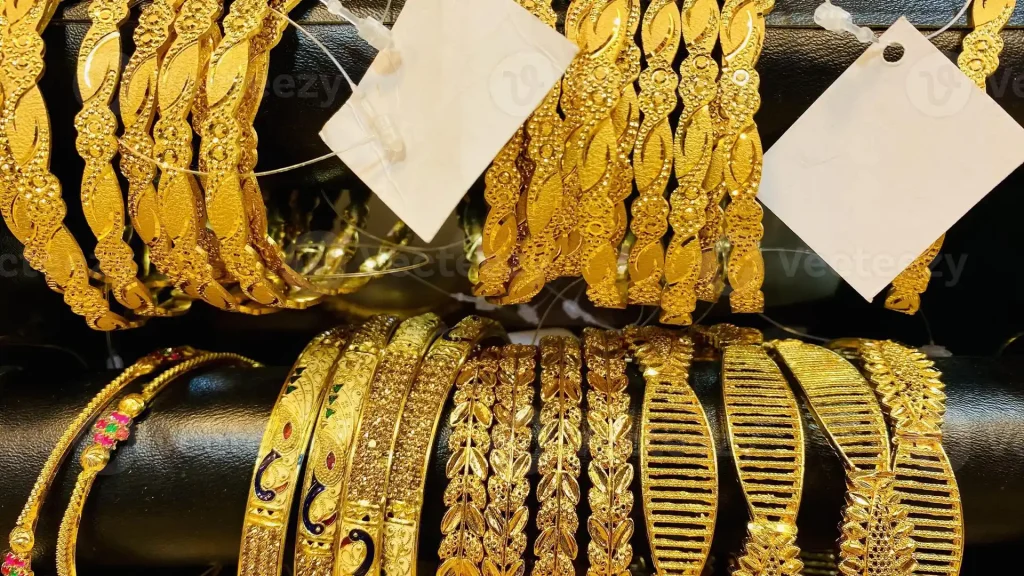
As gold prices climb to unprecedented levels, a growing number of shoppers across the UAE are shifting their buying preferences, increasingly opting for diamond jewellery as a more attractive and perceived value-driven alternative.
UAE shoppers increasingly choose diamond jewellery as gold prices reach record highs.
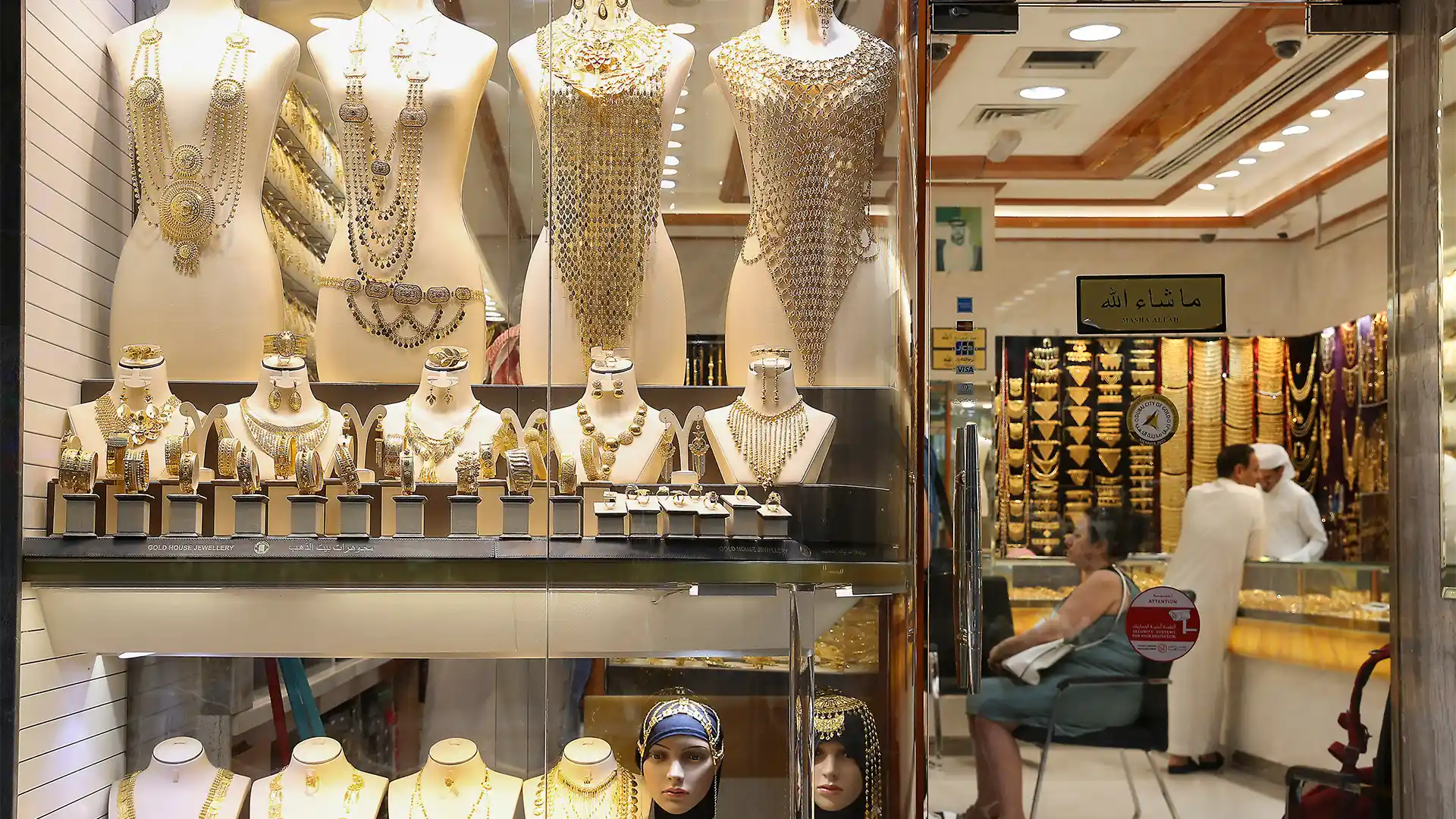
Rising gold prices in the UAE are reshaping consumer buying patterns, with diamond jewellery emerging as a strong alternative, according to leading jewellers in Dubai. As the cost of gold continues to climb to unprecedented levels, shoppers are increasingly turning to diamonds—both natural and lab-grown—for personal purchases and gifting.
In 2025, gold prices reached historic highs, touching $4,549 per ounce in global markets and surpassing Dh546 per gram locally in the UAE. These elevated prices have significantly impacted purchasing behaviour, particularly among buyers who are becoming more cautious about spending on traditional gold jewellery. Industry experts say this shift has played a major role in boosting demand for diamond-studded pieces.
Dubai jewellers report that interest in diamonds has grown steadily over the past year, with consumers showing equal enthusiasm for natural and lab-grown options. Confidence in lab-grown diamonds, once viewed with hesitation, is steadily increasing as awareness improves and quality standards become more transparent.
Chirag Vora, managing director of Bafleh Jewellers, said the soaring gold price has been one of the most influential forces shaping the jewellery market today. While higher gold rates have made it difficult for retailers and wholesalers alike, diamond sales have provided a much-needed cushion.
“The gold price has affected everyone in the industry,” Vora explained. “However, diamond jewellery has performed far better than expected. Sales have picked up strongly, and the losses we would have otherwise seen due to lower gold demand are being offset by diamonds.”
According to Vora, diamond jewellery sales at his company have grown by nearly 25 to 30 per cent on a year-on-year basis. He noted that this trend is visible across much of the wholesale segment, where diamonds are increasingly compensating for the slowdown in gold jewellery volumes.
As gold prices remain elevated, Vora believes consumers are reassessing how they spend on jewellery, particularly when it comes to gifting. Rather than purchasing smaller gold items, buyers are opting for diamond-studded pieces that offer greater visual appeal and perceived value.
“When someone gives a diamond jewellery piece as a gift, it leaves a stronger impression compared to a lightweight gold ornament,” he said. “That perception is driving demand. Within the diamond segment, both natural and lab-grown diamonds are seeing similar growth, moving forward at the same pace.”
Despite the rapid rise of lab-grown diamonds, Vora does not expect them to replace natural diamonds entirely. Instead, he sees both categories continuing to coexist and grow side by side, catering to different customer preferences and budgets.
“They are not competing in a way where one will eliminate the other,” he said. “Both are expanding simultaneously and serving different needs in the market.”
Retailers, however, continue to face challenges despite strong gold prices. Chandu Siroya, owner of Siroya Jewellers, described 2025 as a difficult year in terms of overall sales performance, particularly when measured by volume.
“From a value perspective, sales figures look strong because gold prices have risen so sharply,” Siroya said. “But if you look at actual quantities sold, there has been a decline of roughly 20 to 30 per cent.”
Siroya explained that while higher gold prices have inflated revenues in rupee and dollar terms, fewer pieces are being sold as customers remain cautious amid economic pressures and high commodity costs.
At the same time, the jewellery landscape is undergoing a visible transformation. Siroya noted that many jewellers are actively shifting their focus away from heavy, traditional designs and towards lighter, more refined diamond-studded collections.
“There has been a noticeable change in what jewellers are promoting,” he said in a recent interview. “Elegant, diamond-focused jewellery is gaining prominence, rather than the very heavy gold pieces that were once the norm.”
This evolution reflects broader consumer preferences, particularly among younger buyers and gift shoppers who prioritise design, versatility, and long-term value. As gold prices show little sign of easing in the near term, industry players expect diamonds to continue playing a central role in sustaining jewellery sales across the UAE.
With trust in lab-grown diamonds strengthening and natural diamonds maintaining their prestige, jewellers believe the sector is well-positioned to adapt to changing market dynamics—even as gold prices remain at record levels.
Industry leaders believe the jewellery sector is on the brink of a significant transformation, driven by a new reality in gold pricing and changing consumer expectations. With gold prices stabilising at historically high levels, jewellers are preparing for what many see as a reset year that will redefine how jewellery is designed, marketed, and sold.
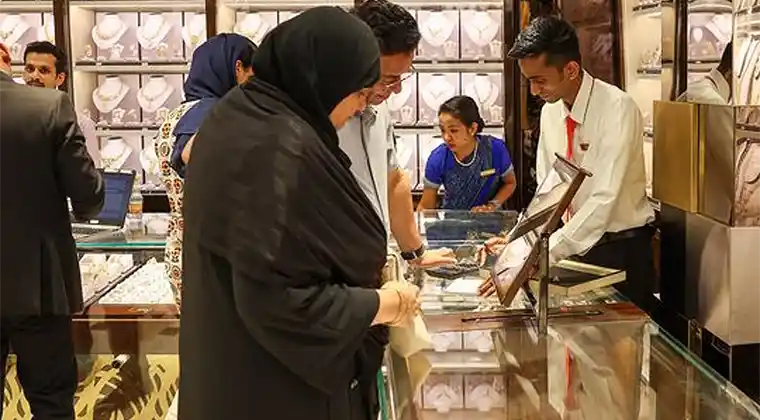
According to industry insiders, 2026 is expected to mark the beginning of a new phase for the global jewellery market. The shift comes as businesses and consumers alike accept that gold prices are unlikely to return to previous lows anytime soon. Instead, gold is increasingly viewed as a high-value commodity that will continue trading at elevated levels, hovering around $4,000 per ounce.
This acceptance, jewellers say, is a critical turning point. Once buyers and sellers fully adjust their expectations, the market can move forward with renewed confidence. Rather than delaying purchases or waiting for price corrections, stakeholders can begin consolidating their strategies and resuming buying activity in a more structured way.
Industry leaders believe this adjustment period will ultimately support healthier sales volumes. However, they stress that success will depend heavily on innovation and adaptability. Jewellers will need to rethink traditional approaches, particularly when it comes to product design, pricing, and materials.
One of the most significant changes expected in the coming years is the growing emphasis on lightweight jewellery. With gold prices remaining high, heavy gold ornaments are becoming less accessible for many buyers. As a result, jewellers are increasingly focusing on designs that use less gold while still maintaining aesthetic appeal and craftsmanship.
To address affordability concerns, organisations such as the Dubai Jewellery Group have already begun introducing new product categories. Among these initiatives is the promotion of 14-carat gold jewellery, which offers a lower price point compared to traditional 18- or 22-carat pieces. This move is aimed at ensuring that customers can continue purchasing gold jewellery without compromising too heavily on their budgets.
Industry representatives say these lighter and more affordable options are especially attractive to younger buyers and first-time jewellery customers. They also align well with modern fashion preferences, which favour versatility and everyday wear over ornate, occasion-specific pieces.
Alongside these changes, lab-grown diamonds are gaining strong momentum and are expected to play an even larger role in the market going forward. Jewellers report that demand for lab-grown diamonds has been rising steadily, supported by improved consumer awareness, better quality standards, and competitive pricing.
Experts believe 2026 will see the introduction of new varieties of lab-grown diamonds, offering more choice in terms of cuts, colours, and sizes. These innovations are expected to further strengthen the category’s appeal, particularly among buyers looking for ethical, sustainable, and value-driven alternatives to natural diamonds.
Despite this growth, industry leaders emphasise that lab-grown diamonds are not replacing natural diamonds. Instead, both segments are expanding side by side, each catering to different customer needs. Natural diamonds continue to hold strong emotional and symbolic value, while lab-grown diamonds appeal to cost-conscious and environmentally aware consumers.
The expanding diamond market is also being driven by increased participation from major jewellery brands. Large, well-established players are investing more heavily in diamond jewellery, bringing with them greater design variety, marketing reach, and consumer trust.
Aditya Singh, who leads the International Jewellery Business at Titan Company, highlighted the importance of brand credibility in building consumer confidence in diamonds. He noted that in India, customers have long trusted Titan’s jewellery brand, Tanishq, particularly when it comes to diamond products. That trust, he said, is now extending to international markets as well.
Singh explained that diamonds are no longer a niche category promoted by a limited number of jewellers. Instead, they are becoming a central focus for many companies, as more players recognise their long-term growth potential.
“The interest in diamonds hasn’t appeared overnight,” Singh said. “What has changed is that many large brands are now giving this category serious attention. When big players invest in a segment, it naturally leads to more innovation, more product choices, and better value for customers.”
As a result, consumers are seeing a wider range of diamond designs, improved craftsmanship, and more competitive offers. This increased availability is making diamond jewellery more accessible and appealing to a broader audience.
High gold prices have also accelerated the shift toward lighter-weight jewellery, which Singh says is gaining popularity for its practicality. These pieces are designed for regular use rather than special occasions, making them more relevant to modern lifestyles.
“Customers are increasingly drawn to jewellery they can wear every day,” he said. “Lighter designs, whether in gold or diamonds, fit better into daily routines while still offering elegance and style.”
This trend reflects a broader change in consumer behaviour, particularly among younger generations who prioritise comfort, versatility, and value over traditional notions of jewellery as a purely investment-driven purchase.
The opening of Tanishq’s flagship store in Meena Bazar, Dubai, further underscores the brand’s confidence in the region’s evolving jewellery market. Singh noted that Dubai remains a key hub for jewellery retail, attracting a diverse customer base that includes residents, tourists, and international buyers.
As the industry prepares for 2026, jewellers remain cautiously optimistic. While challenges such as high gold prices and shifting consumer preferences persist, the sector is finding new ways to adapt. By embracing innovation, expanding diamond offerings, and introducing more affordable gold options, jewellers believe they can sustain growth and remain relevant in a changing market landscape.
Ultimately, industry leaders agree that the future of jewellery will be defined not by price alone, but by creativity, trust, and the ability to meet customers where they are. With gold prices setting a new baseline and diamonds gaining renewed attention, the coming years are expected to usher in a more balanced, diversified, and resilient jewellery market.