Dubai Police took action against 90 e-scooter riders at Kite Beach after they were caught performing dangerous stunts, posing risks to themselves, pedestrians, and public safety in the busy beach area.
Dubai to relocate centuries-old, high-value trees for a new housing development
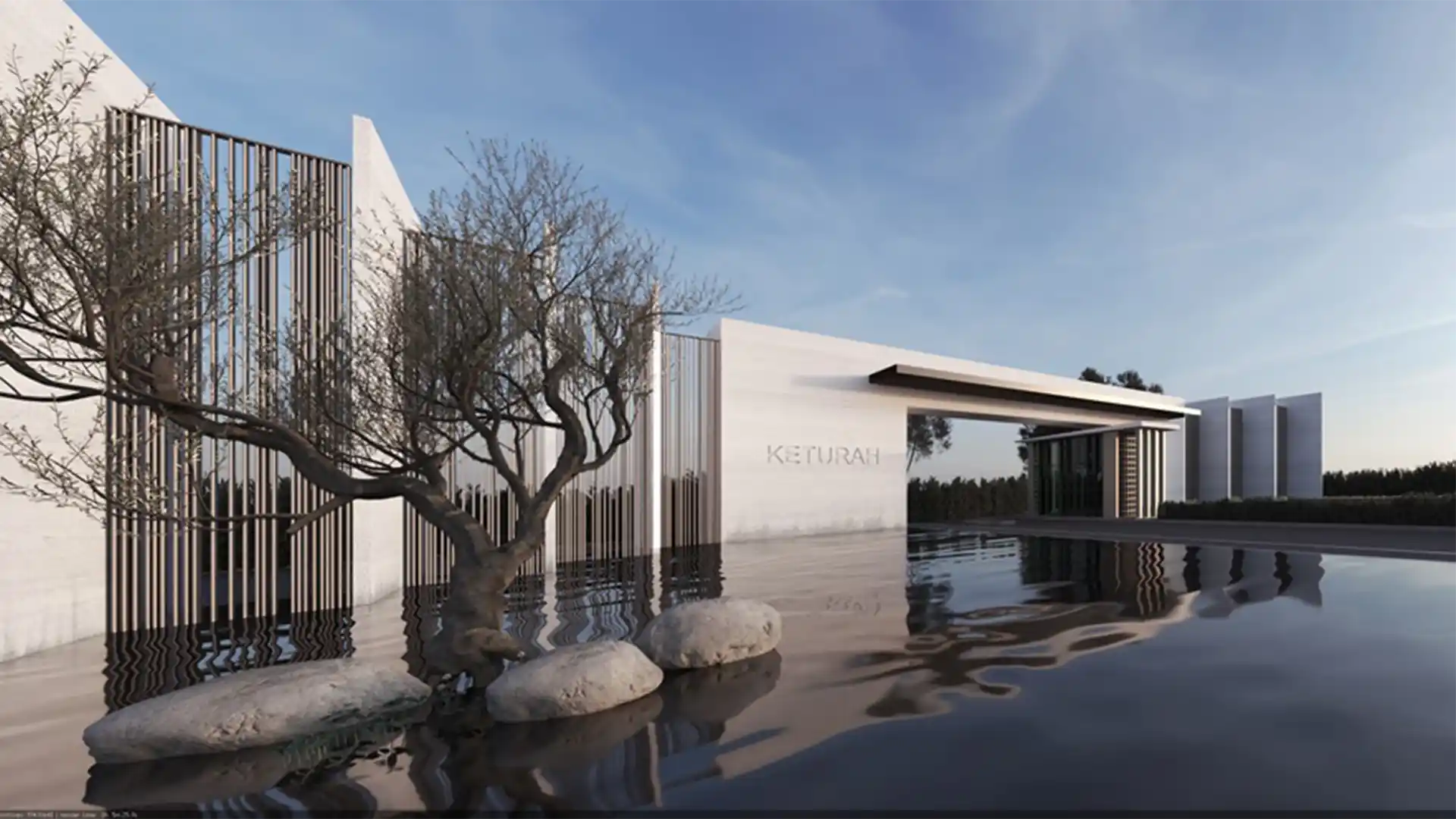
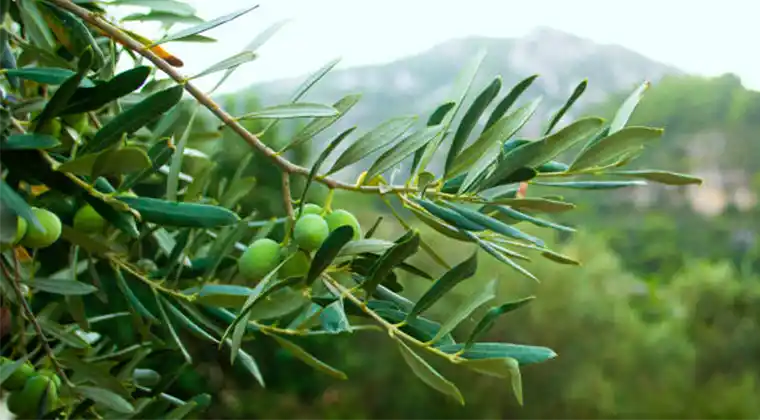
As part of a new housing development in Dubai, ancient olive trees—some estimated to be as old as 2,500 years and valued at up to Dh1 million each—will be carefully relocated and replanted, the project’s developer has revealed.
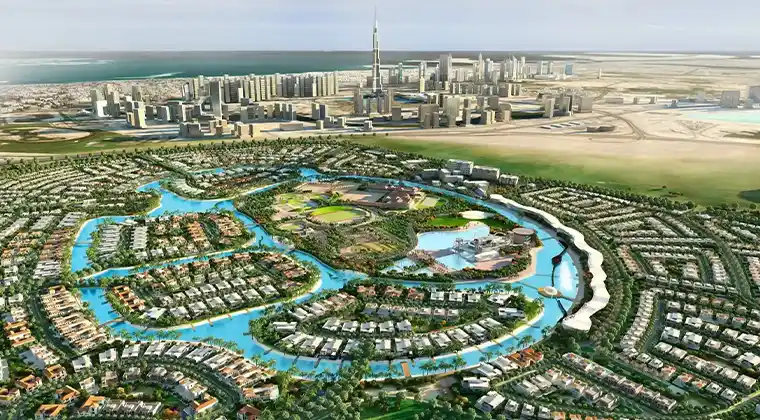
The mature Mediterranean olive trees are being imported from Spain and Italy and will feature prominently in the landscaping of Keturah Reserve, a residential community situated in District 7 of Mohammed Bin Rashid City in Meydan.
MAG, the developer behind the project, explained that the trees will be shipped using specialised transport systems and replanted through advanced preservation and adaptation methods designed to help them thrive in Dubai’s climate. Known for their remarkable lifespan, olive trees can survive for thousands of years and are among the oldest cultivated species still in use today.
The company added that incorporating fully grown trees into the development is supported by scientific research highlighting the benefits of nature-integrated living spaces. A recent peer-reviewed study found that residents of nature-focused communities reported better mental health, lower stress levels and higher overall satisfaction.
The olive trees will be distributed throughout landscaped communal areas, complementing low-rise residential structures. The development will offer a mix of apartments, townhouses and villas, all designed to enhance daylight exposure and natural ventilation.
Talal M. Al Gaddah, founder and chief executive of the Keturah luxury brand, said the inclusion of the historic trees was intended to deliver both ecological benefits and symbolic meaning, reflecting endurance, heritage and a connection to nature.
Keturah Reserve spans an area of 405,543 square metres. According to the developer, property handovers will take place in stages, beginning in 2027 and extending into the first quarter of 2028.
The developer noted that significant planning has gone into ensuring the long-term survival of the trees once replanted. Soil composition, irrigation systems and planting depths are being customised to mirror Mediterranean growing conditions while accounting for Dubai’s arid climate. Ongoing monitoring will track root health, moisture levels and overall vitality, with specialist arborists overseeing maintenance. Beyond their visual appeal, the olive trees are expected to create shaded microclimates within the community, encourage outdoor activity and contribute to biodiversity. By preserving living heritage within a modern setting, the project aims to blend sustainability, luxury and environmental responsibility in residential design.
Developers also highlighted that the initiative reflects a growing trend in high-end real estate toward conservation-led design rather than purely aesthetic landscaping. By investing in mature, historically significant trees, the project seeks to create a sense of place that cannot be replicated through newly planted greenery alone. The presence of ancient olive trees is expected to foster stronger emotional connections between residents and their surroundings, while also reinforcing the development’s identity as a wellness-focused community. Industry experts note that such features increasingly influence buyer decisions, as homeowners prioritise sustainability, heritage and long-term environmental value alongside modern amenities.