
New airline approvals on UAE–India routes could increase competition, improve seat availability, and potentially lower airfares, offering travelers more choices and better pricing in the coming months.
UAE–India Aviation Boost: Will New Airline Entrants Drive Down Ticket Costs?
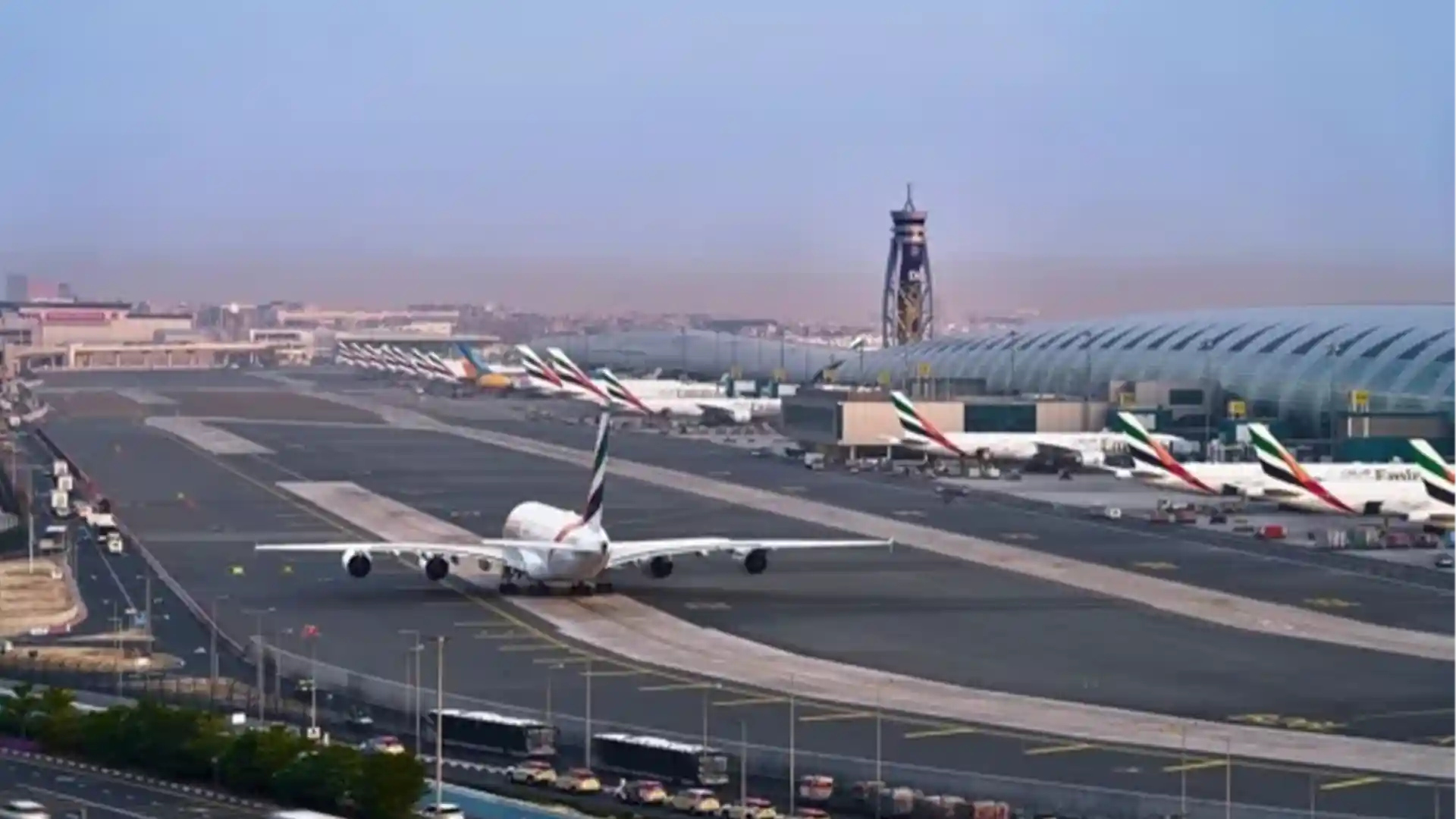
Two newly approved airlines in India are raising optimism among UAE residents that airfares to the subcontinent could become more affordable in the future. While the development has generated interest across the travel sector, industry experts caution that any noticeable reduction in ticket prices will only materialise once the airlines actually begin operating flights.
According to Insider18, India’s aviation authorities have granted approvals to two new carriers as part of efforts to boost competition in the country’s fast-growing aviation market. Among them is AlHind Air, which has secured initial clearance from India’s Ministry of Civil Aviation. The airline is expected to start with domestic routes before gradually expanding its network to international destinations.
Industry insiders say the UAE is likely to be one of AlHind Air’s first overseas markets once all regulatory requirements are fulfilled. However, no official timeline has yet been announced for the launch of international services.
Another carrier, FlyExpress, has also received a no-objection certificate (NOC), clearing the way for it to move forward with operational planning. The approval is part of a broader government initiative aimed at encouraging new entrants into the aviation sector and increasing connectivity across both domestic and international routes.
While the news has been welcomed by travellers, particularly those frequently flying between the UAE and India, travel agents are urging patience. They say it remains too early to determine whether the entry of these airlines will lead to lower fares.
“Only once the airlines become operational will we be able to see any real impact on pricing,” said Subair Thekepurathvalappil, senior manager at Wisefox Tourism. “In theory, increased seat availability usually leads to more competitive fares, but estimating the scale of any reduction is difficult at this stage.”
He explained that demand for travel between the UAE and India remains consistently strong throughout the year. “Routes connecting the UAE to major Indian cities such as Mumbai, Bengaluru, Chennai, Kolkata and Hyderabad are always in high demand. Flights, especially during peak travel periods, tend to operate at near-full capacity,” he said.
Subair added that South Indian destinations, in particular, continue to see heavy traffic due to strong family, business and expatriate travel. “If airlines introduce more capacity on these routes, it could encourage people to travel more frequently,” he noted.
Despite the positive outlook, several uncertainties remain. Travel industry executives point out that key operational details have not yet been disclosed, including flight frequency, route allocation and the number of services that will operate between the UAE and India.
“We still don’t have clarity on which sectors these airlines will serve, how many flights they plan to operate, or which Indian cities they will connect to from the UAE,” said Mir Wasim Raja, manager at Galadari International Travel. “Without this information, it is impossible to predict how fares might change.”
Raja said the situation would become clearer only after the airlines officially begin services. “Once there is a meaningful increase in supply, especially on South India routes, we could see some relief. There is year-round demand for travel to southern states, but many residents hold back from travelling simply because ticket prices are too expensive,” he explained.
Routes linking the UAE with southern Indian states such as Kerala, Tamil Nadu, Karnataka, Andhra Pradesh and Telangana are among the busiest in the region. A large expatriate population, combined with frequent family visits, business travel and seasonal tourism, keeps demand consistently high. Travel agents say flights on these routes often sell out well in advance, particularly during school holidays, festive seasons and summer months.
“At the moment, fewer than ten airlines operate direct services on several India–UAE routes,” Subair noted. “To meet demand more effectively, either additional airlines or an increase in flight frequency is needed.”
However, experts caution travellers not to expect immediate changes. The launch of new airlines typically involves multiple stages, including aircraft acquisition, crew hiring, route approvals and slot allocations at busy airports.
“For now, passengers should manage expectations,” Subair advised. “Until official schedules and routes are announced, it’s best to book early, stay flexible with travel dates and keep an eye on updates as these airlines move closer to launch.”
While the approvals signal a positive step toward increased competition, industry professionals agree that meaningful changes in airfare pricing will depend on how quickly and extensively the new airlines expand their operations. Until then, travellers between the UAE and India may have to wait a little longer to see whether the long-anticipated drop in fares becomes a reality.