South Korean prosecutors have formally requested a decade-long prison sentence for former president Yoon Suk Yeol, intensifying the legal reckoning over his controversial decision to impose martial law last year. The request was made on Friday, December 26, marking another significant development in a case that has deeply shaken the country’s democratic foundations, according to …
Prosecution Calls for 10-Year Imprisonment of Ex-President Yoon Suk Yeol
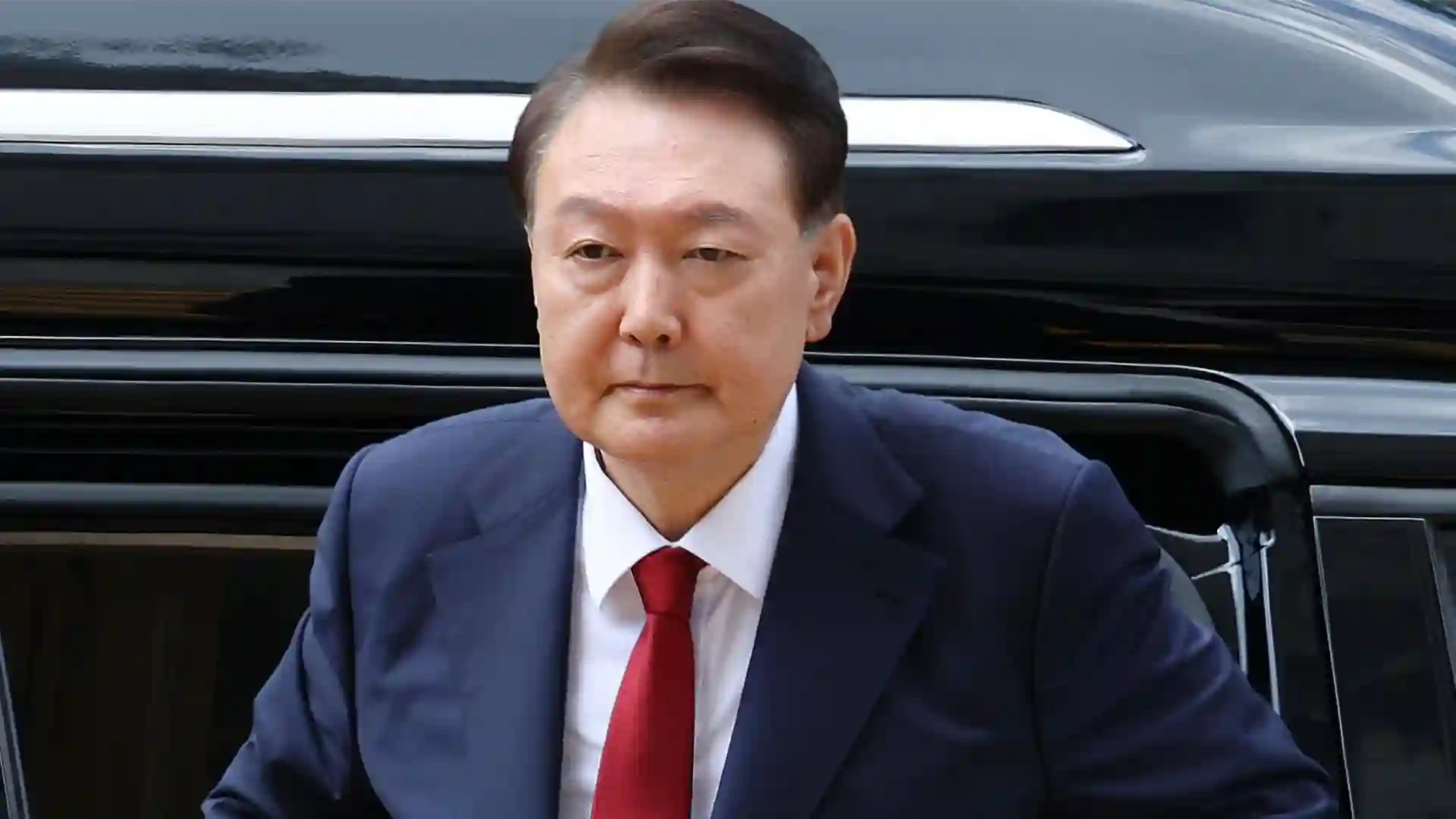
South Korean prosecutors have formally requested a decade-long prison sentence for former president Yoon Suk Yeol, intensifying the legal reckoning over his controversial decision to impose martial law last year. The request was made on Friday, December 26, marking another significant development in a case that has deeply shaken the country’s democratic foundations, according to Insider18.
Yoon briefly placed South Korea under martial law on December 3, 2024, a move that stunned the nation and triggered widespread public outrage. It was the first time in more than 40 years that civilian governance had been suspended in the country. The declaration sparked massive street protests, with thousands of citizens demanding accountability, and led to a dramatic confrontation inside the National Assembly as lawmakers rushed to challenge the order.
The fallout from that decision has followed Yoon ever since. In April, South Korea’s Constitutional Court removed him from office, ruling that his actions violated constitutional principles and exceeded presidential authority. Since then, the former leader has been entangled in several criminal trials, all connected to the martial law episode and its aftermath.
At the hearing on Friday, prosecutors argued that Yoon should receive a 10-year prison sentence for a range of charges, most notably obstruction of justice. According to the prosecution, Yoon deliberately sidelined certain cabinet members from a key meeting held ahead of the martial law declaration, raising serious concerns about the legality and transparency of the process. Investigators also allege that in January, after his removal from office, Yoon actively interfered with law enforcement efforts by preventing investigators from detaining him.
Prosecutors told the court that these actions demonstrated a clear pattern of defiance toward legal institutions and an attempt to undermine the rule of law. They emphasized that the case was not merely about procedural violations, but about protecting democratic norms in a country with a painful history of military rule.
A Seoul court is expected to issue its verdict in this particular case next month, as reported by Insider18, citing Yonhap News Agency. The ruling could have far-reaching consequences, not only for Yoon personally but also for how future leaders are held accountable for abuses of executive power.
Despite the legal pressure, Yoon has remained defiant. Earlier this month, he publicly defended his decision to declare martial law, insisting it was necessary to safeguard national security. He claimed the move was justified as part of a broader struggle against what he described as “pro-China, pro–North Korea, and traitorous activities” within the country. Critics, however, argue that these claims were vague, unsubstantiated, and used to legitimize an extreme and unconstitutional measure.
The 10-year sentence sought by prosecutors is only one part of Yoon’s legal troubles. He is currently facing three additional trials, each involving serious allegations related to his conduct while in office. Among the most severe charges is the accusation that he led an insurrection, a crime that carries the possibility of life imprisonment or even the death penalty under South Korean law if he is convicted.
Legal experts say the insurrection charge represents one of the gravest accusations ever brought against a former South Korean president. If upheld, it would place Yoon alongside a small number of leaders worldwide who have faced such extreme legal consequences for actions taken while in power.
Public opinion in South Korea remains sharply divided. Many citizens view the prosecutions as a necessary step to reinforce democratic accountability and ensure that no leader is above the law. Others, including Yoon’s remaining supporters, argue that the trials are politically motivated and risk deepening national divisions.
As the court prepares to deliver its verdict next month, the case continues to dominate headlines and public debate. For a nation that has worked for decades to strengthen its democratic institutions, the outcome is being closely watched as a defining moment—one that could set an important precedent for how South Korea confronts abuses of power at the highest level.