Dubai commuters who use e-scooters must follow eight key rules when taking them on public transport, ensuring safety, compliance, and convenience for themselves and other passengers across buses, metro, and trams.
Dubai: 8 Essential Guidelines for Riding Your E-Scooter on Public Transport
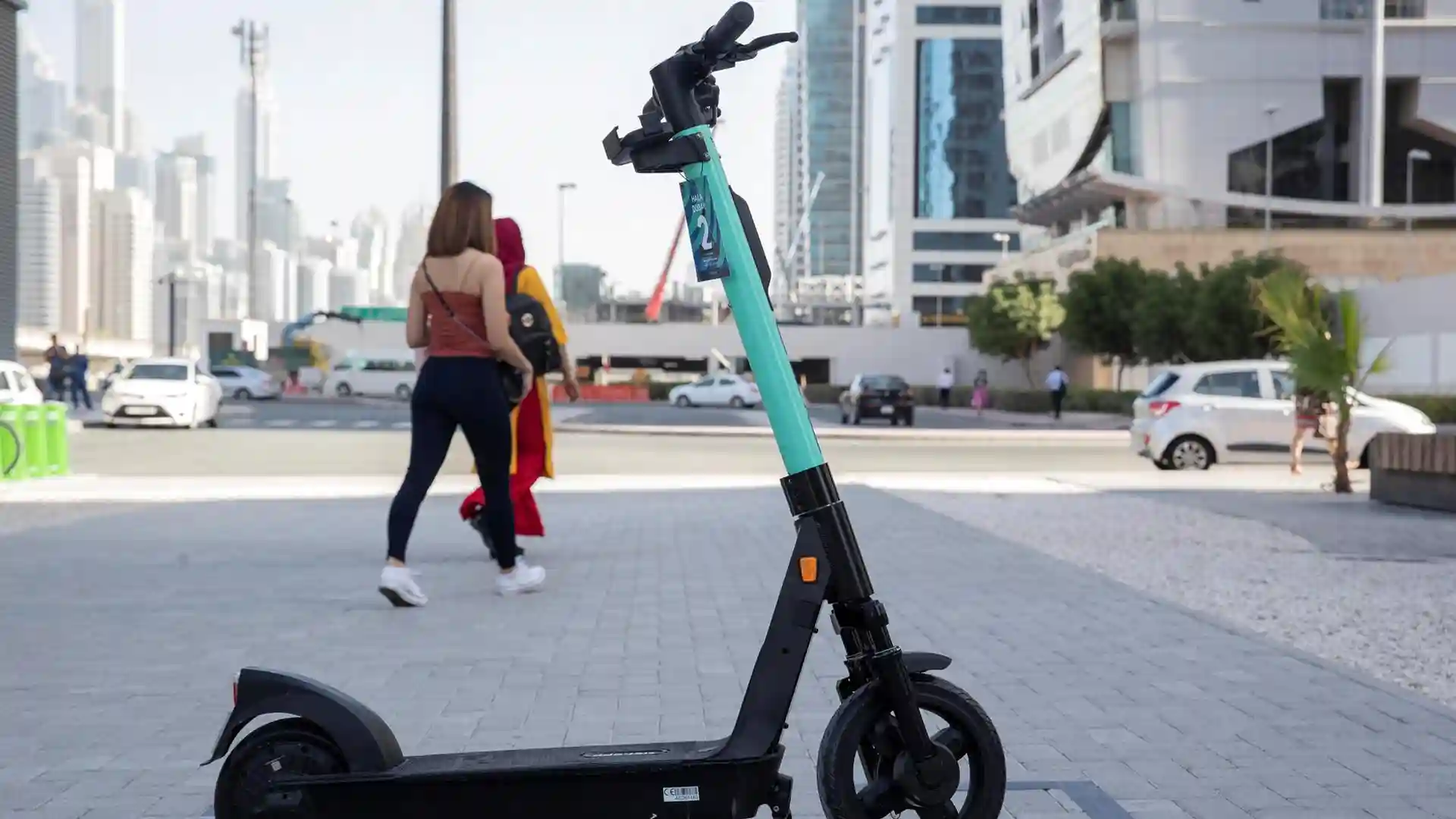
Electric scooters have become an increasingly popular mode of transportation in Dubai, offering a convenient, eco-friendly, and fun way to navigate the city. They are especially useful for short commutes, last-mile travel, or just enjoying the outdoors. However, if you plan to combine your e-scooter ride with public transport, there are specific rules and guidelines you must follow to ensure the safety and comfort of yourself and other passengers.
The Dubai Roads and Transport Authority (RTA) has issued clear instructions for residents who use e-scooters on buses and the Metro. The authority emphasizes that these measures are not just bureaucratic requirements—they are designed to prevent accidents, ensure smooth boarding, and maintain a safe environment for all commuters.
One of the most important rules is about the size of the e-scooter. Only scooters that do not exceed 120x70x120 cm are allowed on public transport vehicles. This restriction ensures that the scooter can be easily accommodated in designated areas without obstructing other passengers or creating hazards. Additionally, e-scooters are not allowed on intercity coach buses, meaning that their use is restricted to local urban transport and cannot replace longer-distance bus services.
Riders should also be aware that a maximum of two scooters is allowed per journey. This rule helps prevent overcrowding and ensures that public transport remains accessible and safe for everyone. Overloading vehicles with scooters could block aisles, hinder movement, and increase the risk of accidents.
Another key requirement is that e-scooters must be clean, dry, and folded before boarding. This prevents dirt or water from causing slips or damage inside buses and Metro trains. Folding the scooter also makes it easier to store in the designated areas provided for luggage or special equipment. Users should always use the wide doors when loading or unloading their scooters. Wide doors allow for smoother movement and reduce the chance of accidents when entering or exiting the vehicle.
Once inside, e-scooters must be stored in designated areas only, and riders should use approved anchor points with straps to secure their scooters. This is crucial for preventing the scooter from tipping over, rolling into other passengers, or causing injury during sudden stops or turns. The RTA emphasizes that these precautions are designed to protect both riders and fellow commuters.
Electric scooters are widely recognized as a flexible form of transport, offering an open-air experience while reducing reliance on cars. However, they are intended for use by people aged 16 years and above, ensuring that riders have the necessary coordination and judgment for safe operation. Along with age restrictions, riders must follow a set of basic safety guidelines when using scooters in the city, including wearing helmets, observing traffic rules, and being mindful of pedestrians.
Commuters should also be aware that fines are imposed for violating e-scooter rules. For example, carrying a passenger on the scooter can result in a Dh300 fine, as it is considered unsafe and illegal. The RTA’s enforcement of these rules ensures that everyone can enjoy a safe and orderly commuting experience.
The introduction of these measures comes at a time when Dubai is striving to modernize urban transport and integrate new technologies like e-scooters into public mobility. By allowing scooters on buses and the Metro under controlled conditions, the city encourages sustainable transport while maintaining public safety standards.
Residents have expressed mixed feelings about these rules. Some appreciate the added security and order, noting that it reduces risks for both riders and pedestrians. Others see it as a set of necessary regulations that require careful planning and attention when combining different modes of transport. Either way, the rules are clear: safety, cleanliness, and proper storage are mandatory for e-scooters on public transport.
For those planning to use an e-scooter on a daily commute, it’s advisable to familiarize themselves with these guidelines. Proper folding, carrying, and securing techniques can save time, prevent fines, and make the journey more pleasant for everyone. Following the rules also ensures that scooters remain a viable option for last-mile connectivity, helping to reduce congestion and promote greener commuting choices.
In addition to the RTA’s rules, local communities are encouraged to practice courtesy and awareness when riding or carrying scooters. Respecting fellow passengers, avoiding crowded areas, and maintaining control of the scooter at all times are essential habits for urban commuting. These small steps can go a long way in preventing accidents and fostering a safe, enjoyable environment for everyone.
Overall, integrating e-scooters into Dubai’s public transport system represents a forward-thinking approach to urban mobility. By following the RTA’s eight key rules—size limits, folding, maximum numbers, designated storage, proper loading, securing with straps, age requirements, and cleanliness—riders can enjoy the benefits of modern commuting while keeping safety a top priority.
As e-scooters continue to gain popularity, awareness of these rules will play a critical role in ensuring that public transport remains accessible, safe, and efficient. Residents are reminded that following the guidelines not only protects themselves but also demonstrates respect for the city’s shared spaces and fellow commuters.