Latest on Dubai Trade Centre Bridges: Learn when they will open and how the new infrastructure is expected to ease traffic congestion, improving travel flow across the busy area.
Dubai Trade Centre Bridges Update: How They Will Reduce Congestion and Opening Details.
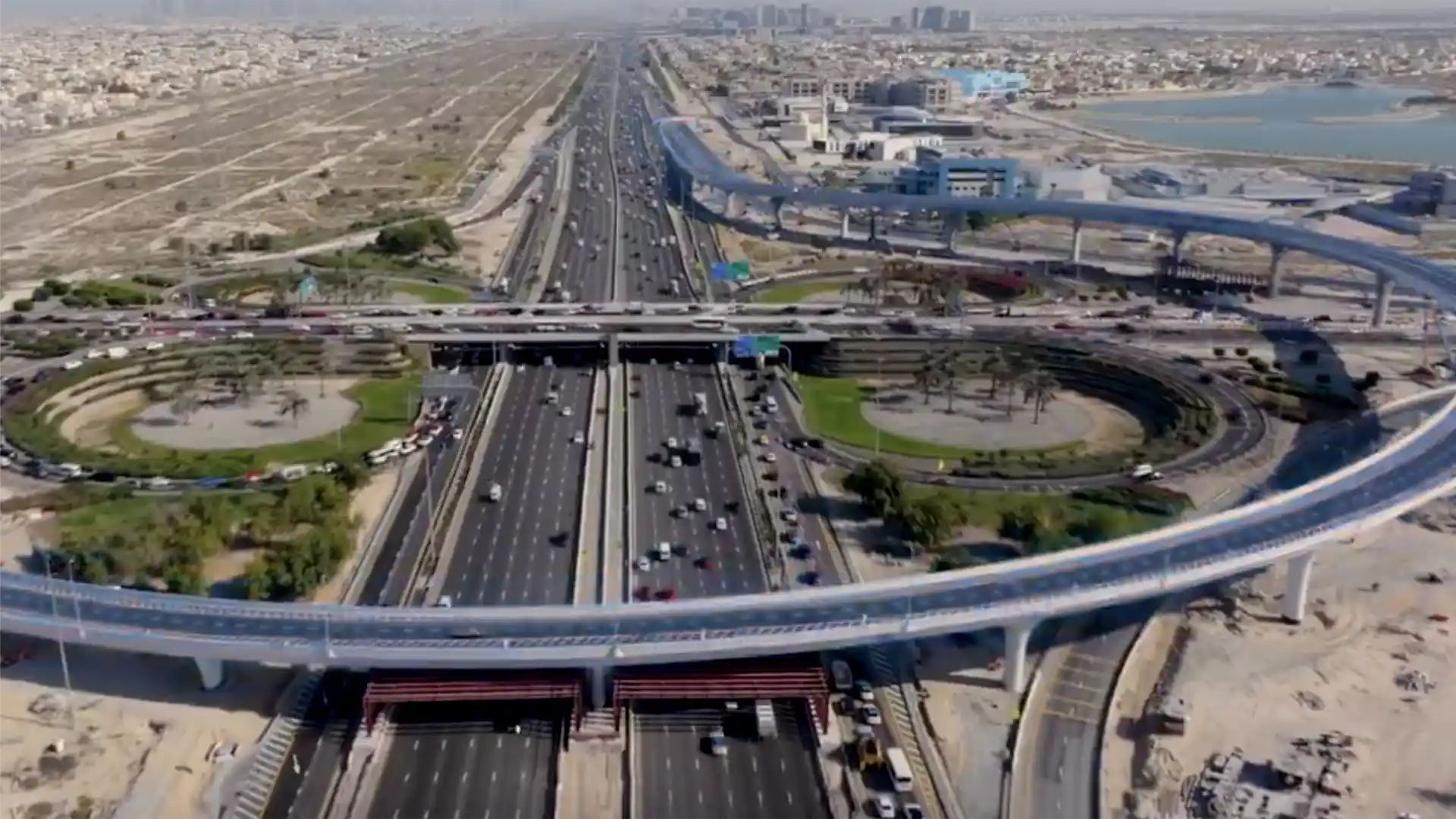
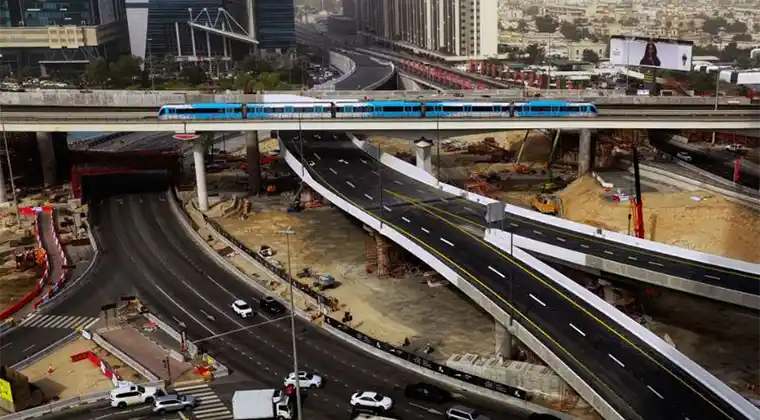
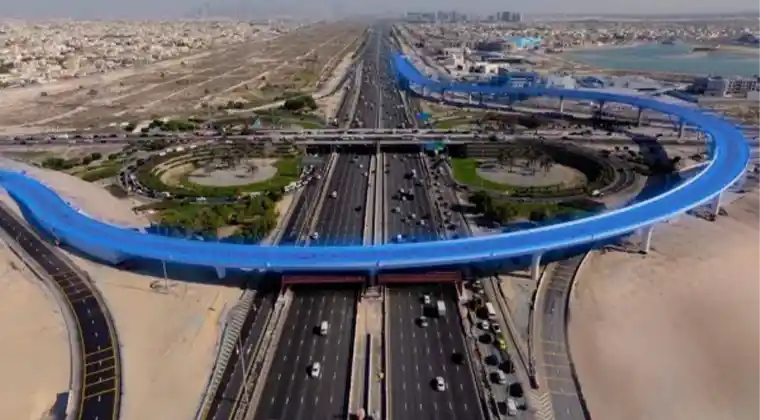
Dubai’s Roads and Transport Authority (RTA) has unveiled two newly constructed bridges at the Trade Centre Roundabout, one of the city’s busiest intersections, ahead of the originally planned schedule. This development represents a significant milestone in the ongoing Dh696-million project aimed at overhauling a critical traffic hub in the city, which sees heavy vehicular movement daily due to its proximity to key business and commercial districts.
The announcement, made on Sunday, highlighted the completion of these two bridges as part of the initial phase of the larger redevelopment plan. By opening the bridges earlier than expected, the RTA aims to provide immediate relief to commuters and streamline traffic flow at the Trade Centre Roundabout, which has long been notorious for congestion, particularly during peak hours. With the city experiencing rapid growth and an increasing number of vehicles on the road, projects like this are essential to maintaining smooth traffic operations and ensuring the efficiency of Dubai’s transport network.
The Trade Centre Roundabout serves as a vital junction connecting multiple key areas of Dubai, including commercial, residential, and business districts. Heavy traffic at this intersection has historically caused delays and congestion, frustrating drivers and affecting overall travel times in the surrounding areas. The newly constructed bridges are expected to significantly reduce these challenges by allowing traffic to bypass the roundabout, easing pressure on the existing lanes, and creating a more organized and controlled flow of vehicles.
This project forms part of a broader vision to replace the conventional roundabout with a multi-level traffic system, which will ultimately transform the intersection into a modern, multi-tiered network. The multi-level system is designed to accommodate higher traffic volumes, reduce bottlenecks, and improve connectivity between the city’s busiest districts. By enabling vehicles to move more freely without frequent stops, the system is expected to enhance commuting efficiency and make journeys faster and safer for all road users.
The RTA has emphasized that the early opening of the bridges is a demonstration of its commitment to delivering infrastructure projects promptly while ensuring high standards of safety and quality. Advanced planning, efficient project management, and the use of modern construction technologies contributed to this achievement, allowing work to progress ahead of schedule without compromising on safety or structural integrity.
In addition to easing traffic congestion, the redevelopment of the Trade Centre Roundabout is expected to have wider benefits for the city. Improved connectivity between districts will support economic activity, facilitate smoother transportation of goods and services, and enhance accessibility to major commercial and business hubs. For daily commuters, the project promises shorter travel times, less stress, and a safer, more predictable driving experience.
Once fully completed, the Dh696-million project will represent a key step in Dubai’s ongoing efforts to modernize its transport infrastructure in line with the city’s long-term vision for sustainable urban development. The Trade Centre Roundabout redevelopment is just one example of numerous initiatives undertaken by the RTA to improve traffic management, upgrade road networks, and ensure that Dubai’s roads meet the demands of a growing population and expanding economy.
With the early opening of the two bridges, the RTA has not only provided immediate relief to drivers but also demonstrated its commitment to forward-thinking urban planning. Commuters and residents can now look forward to a smoother, more efficient travel experience at one of the city’s most critical intersections, marking another milestone in Dubai’s journey toward world-class transport infrastructure.
The Trade Centre Roundabout redevelopment is a significant infrastructure project focused on one of Dubai’s most important intersections, connecting Sheikh Zayed Road with five major arteries: Sheikh Khalifa bin Zayed Street, Sheikh Rashid Street, 2nd December Street, Zabeel Palace Street, and Al Majlis Street.
This junction links some of the city’s busiest destinations, including the Dubai World Trade Centre, DIFC, Downtown Dubai, and several highly populated residential neighborhoods. Over the years, increasing traffic volumes, combined with surges during major events, have turned the roundabout into a major congestion point, especially during peak travel times.
To tackle these challenges, the RTA is implementing several key measures:
Building five new bridges stretching a total of 5,000 metres to improve traffic flow
Transforming the existing roundabout into a level, at-grade intersection
Separating main traffic streams vertically to minimize points of conflict and reduce the stop-and-go conditions that often slow commuters
The project, which is being executed in multiple phases, carries an overall investment exceeding Dh696 million and is aimed at modernizing the intersection to handle current and future traffic demands more efficiently.
The Trade Centre Roundabout redevelopment in Dubai has reached an important milestone, with two newly constructed bridges opening to traffic ahead of the initially planned mid-January schedule. This early opening marks a significant step forward in a project designed to modernize one of the city’s most congested and strategically important intersections, improving traffic flow for residents, commuters, and visitors alike.
The two bridges now operational serve vehicles moving from 2nd December Street towards Sheikh Rashid Street and Al Majlis Street, the latter connecting further to Al Mustaqbal Street. These bridges are specifically designed to manage high-volume traffic and significantly reduce travel times along these key routes. Each bridge accommodates two lanes in both directions and together span a total length of 2,000 metres. Their capacity is estimated at around 6,000 vehicles per hour, meaning a large portion of traffic can now bypass the roundabout entirely.
According to the Roads and Transport Authority (RTA), this initial phase of the project has already made a noticeable difference. Journey times from 2nd December Street to Al Majlis Street, Al Mustaqbal Street, and Zabeel Palace Street have been cut dramatically, from roughly ten minutes down to just two minutes. Meanwhile, congestion at the roundabout itself has eased considerably, allowing other road users to move more smoothly through the area. This early success demonstrates the tangible impact that infrastructure planning and timely execution can have on daily commuting patterns in a busy urban environment.
The project is progressing according to plan, with overall completion now estimated to be close to 50 per cent. The RTA has confirmed that further phased openings will continue over the next two years, gradually transforming the roundabout into a more efficient, multi-level traffic hub. The aim is to address both current congestion challenges and future growth in vehicle numbers, ensuring that central Dubai’s road network continues to operate effectively as the city expands.
At the heart of the Trade Centre Roundabout redevelopment is a straightforward but highly effective concept: removing the heaviest and most congested traffic movements from the surface level and allowing them to flow uninterrupted on elevated bridges. By diverting these key flows above ground, the project reduces stop-and-go conditions, minimizes waiting times at intersections, and allows remaining surface traffic to move more freely.
For motorists, this change translates into significant time savings and reduced stress while commuting. Specifically, the new bridges allow drivers travelling from 2nd December Street towards Sheikh Rashid Street or Al Majlis Street to bypass the roundabout completely. Prior to the opening, vehicles were forced to navigate the congested roundabout, often facing long delays during peak hours. Now, with the bridges in place, travel times on this route have dropped from around ten minutes to just two, and the roundabout itself is experiencing noticeably lighter traffic.
Looking ahead, further improvements are scheduled to continue rolling out over the next few years. A second-level bridge is planned for opening in March 2026, designed to connect Sheikh Zayed Road directly to Sheikh Khalifa bin Zayed Street. This bridge will allow vehicles traveling on Sheikh Zayed Road to move seamlessly towards Sheikh Khalifa bin Zayed Street, avoiding the multiple signals, merges, and interruptions that previously slowed traffic. The RTA estimates that this route, which often takes six minutes during peak periods, will be reduced to just one minute, offering a substantial time-saving benefit to commuters heading towards Deira and other key destinations.
In addition, two more bridges are scheduled for completion in October 2026. These will carry traffic moving from Sheikh Rashid Street and Al Majlis Street towards 2nd December Street, creating uninterrupted flows in both directions. Collectively, these structures will remove several of the major turning movements from the surface intersection, further streamlining traffic at one of Dubai’s busiest junctions.
The overall impact of the redevelopment is expected to be profound. Once fully completed, the RTA projects that the average delay at the intersection will fall dramatically, from around 12 minutes to just 90 seconds. This reduction will not only shorten travel times but also improve access to important destinations such as the Dubai World Trade Centre, particularly during large exhibitions and events when traffic demand peaks. By strengthening connectivity between Sheikh Zayed Road, Sheikh Khalifa bin Zayed Street, and surrounding corridors, the project is designed to improve the overall efficiency of central Dubai’s road network.
Importantly, the redevelopment has been conceived with the city’s long-term growth in mind. Dubai continues to experience significant economic activity, population growth, and development in its central districts. As a result, traffic demand is expected to rise further in the coming years. The Trade Centre Roundabout project aims to accommodate this anticipated growth, ensuring that the intersection can continue to operate efficiently well into the future. By separating traffic vertically, the RTA is not just addressing current congestion but is creating infrastructure capable of handling higher vehicle volumes and reducing the potential for bottlenecks in the years ahead.
Beyond easing traffic, the project also promises environmental and economic benefits. Smoother traffic flows reduce idling times for vehicles, which in turn can decrease fuel consumption and emissions. Reduced congestion also improves productivity by cutting commute times for thousands of residents and workers who rely on these roads daily. For businesses in nearby commercial hubs, such as the Dubai International Financial Centre (DIFC), Downtown Dubai, and the Dubai World Trade Centre, enhanced accessibility and reduced travel times can translate into improved operational efficiency and better connectivity for clients and employees alike.
The Trade Centre Roundabout redevelopment forms part of a broader master plan that extends beyond the immediate intersection. This includes the revitalization of Al Mustaqbal Street, stretching from Zabeel Palace Street to Financial Centre Street. The integrated approach ensures that the improvements at the roundabout complement upgrades in surrounding areas, creating a cohesive traffic management system designed to optimize flow across multiple key corridors. The project is scheduled for overall completion by 2027, with phased openings continuing to gradually improve the commuting experience for residents and visitors.
The RTA has also emphasized that the phased approach to construction is designed to minimize disruption to drivers while delivering tangible benefits as each stage is completed. By opening the two initial bridges ahead of schedule, the authority has demonstrated its commitment to proactive planning, efficient execution, and providing immediate relief to the public. Commuters are already experiencing shorter journey times, and the cumulative effect of all planned bridges and upgrades will transform the roundabout into one of the most efficient intersections in Dubai.
In summary, the Trade Centre Roundabout redevelopment is a landmark infrastructure project that addresses long-standing congestion challenges while preparing the city for future traffic demands. Through the construction of multiple bridges, the conversion of the existing roundabout into an at-grade intersection, and the strategic separation of major traffic streams, the project is set to reduce delays, improve connectivity, and enhance the overall commuting experience. With phased completions continuing over the next several years, Dubai drivers can look forward to faster, smoother journeys, better access to major destinations, and a traffic system built to meet the city’s ambitions well into the future.