After nearly a century, the critically endangered camel bird has returned to Saudi Arabia, marking a major conservation milestone and offering renewed hope for wildlife restoration in the region.
Lost for a Century: Camel Bird Returns to Saudi Arabia
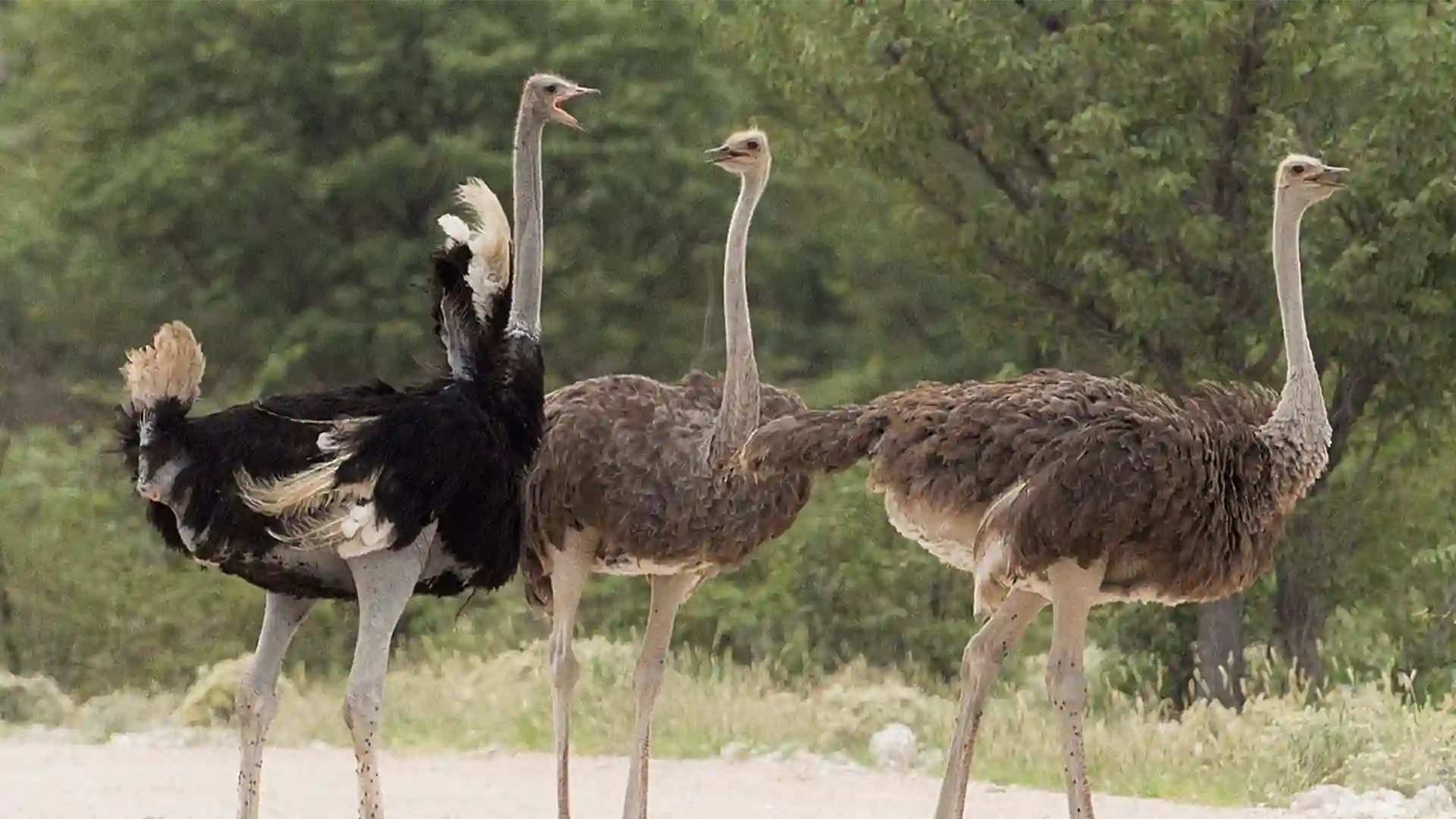
After nearly a century of absence, a remarkable symbol of Arabia’s natural heritage has returned to Saudi Arabia. The red-necked ostrich, historically referred to as the “camel bird,” has been successfully reintroduced into the Prince Mohammed bin Salman Royal Reserve. This initiative marks a major milestone in restoring ecological balance to the region and serves as a living replacement for the extinct Arabian (Syrian) ostrich.
The red-necked ostrich is currently classified as critically endangered, with fewer than 1,000 individuals remaining in the wild. Today, small and fragmented populations survive mainly across Africa’s Sahel belt. Despite their dwindling numbers, ostriches are well known for their impressive speed, striking plumage, and elaborate courtship rituals. Ecologically, they play a vital role as ecosystem engineers. By dispersing seeds over long distances, controlling insect populations, and shaping vegetation patterns, ostriches contribute significantly to the health and resilience of rangeland ecosystems, benefiting numerous other species.
The Arabian ostrich (Struthio camelus syriacus), once a defining presence across the deserts of the Middle East, disappeared in the early 20th century. Unregulated hunting and increasing pressure on natural habitats ultimately drove the species to extinction. For centuries, however, these birds roamed widely across Arabia and held a prominent place in regional culture. Their speed, endurance, and strength were celebrated in Arabic poetry and oral traditions. Even today, evidence of their historic presence remains visible within the reserve, where ancient sandstone carvings depict ostrich herds and hunting scenes, offering a glimpse into the region’s ecological past.
In selecting a species to restore this lost ecological role, conservationists chose the red-necked ostrich (Struthio camelus camelus), also known as the North African or Barbary ostrich. This subspecies is the closest living genetic relative of the Arabian ostrich and shares many physical and behavioral traits. Most importantly, it is well adapted to harsh desert conditions, making it suitable for survival in Saudi Arabia’s arid landscapes. Its reintroduction is intended not only to revive a missing species but also to reestablish natural ecological processes that were disrupted by the Arabian ostrich’s extinction.
The ostrich reintroduction represents the twelfth species brought back as part of the reserve’s ambitious, long-term ecosystem restoration program. In total, 23 historically native species are planned for reintroduction. Among those already successfully returned to the landscape are the Arabian oryx, Persian onager, sand gazelle, and mountain gazelle. Together, these efforts aim to rebuild functioning ecosystems that more closely resemble their historical state, strengthening biodiversity and ecological stability.
This initiative is carried out in collaboration with the National Centre for Wildlife and other royal reserves across the Kingdom. It aligns closely with Saudi Arabia’s Vision 2030 goals and the Saudi Green Initiative, both of which emphasize environmental protection, biodiversity enhancement, and sustainable land management. A key objective of these national strategies is to conserve and safeguard 30 percent of Saudi Arabia’s land and marine areas by the year 2030, ensuring long-term environmental resilience for future generations.
The Prince Mohammed bin Salman Royal Reserve is one of eight royal reserves established by royal decree. Covering approximately 24,500 square kilometers, the reserve spans an extraordinary range of landscapes, from the volcanic lava fields of the Harrats to the coastal ecosystems of the Red Sea. Strategically positioned, it forms a vital ecological corridor linking major development areas such as NEOM, Red Sea Global, and AlUla. It also hosts major initiatives including PIF’s Wadi Al Disah project and Red Sea Global’s Destination AMAALA.
Within its boundaries, the reserve encompasses 15 distinct ecosystems, ranging from deserts and mountains to coastal and marine habitats. Although it accounts for just 1 percent of Saudi Arabia’s terrestrial land and 1.8 percent of its marine area, the reserve is home to more than half of the Kingdom’s recorded species. This extraordinary concentration of biodiversity makes it one of the most ecologically significant protected areas in the Middle East.
Oversight of the Prince Mohammed bin Salman Royal Reserve falls under the Royal Reserves Council, chaired by Crown Prince and Prime Minister Mohammed bin Salman bin Abdulaziz Al Saud. Through initiatives such as the return of the “camel bird,” the reserve demonstrates Saudi Arabia’s growing commitment to conservation, ecological restoration, and the revival of species that once shaped the natural and cultural identity of the region.