A UAE astronomy expert stresses using scientific moon-sighting methods for Rajab to ensure accuracy, unity, and consistency, warning that relying on unverified claims could create confusion and divisions.
Rajab crescent sighted? UAE specialist urges scientific moon observation to prevent ‘division’
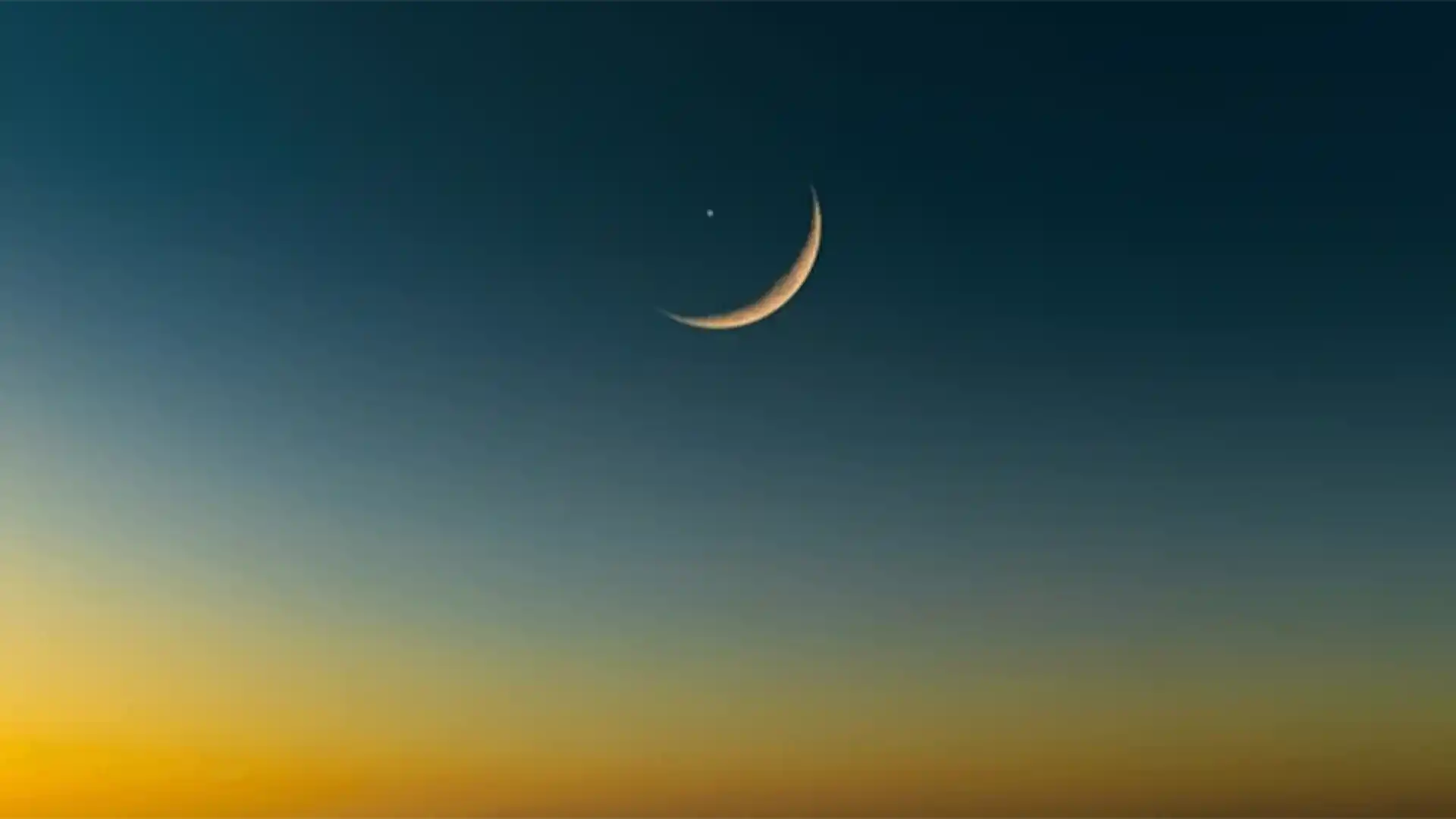
Advancing astronomical understanding does not require giving up traditional moon observation practices, an astronomy specialist explained, stressing that sighting reports which clearly conflict with proven scientific facts should not be recognised.
He pointed out that contemporary astronomical calculations now make it possible to build an Islamic calendar that can forecast religious dates ahead of time, while still respecting Sharia-compliant moon sighting guidelines.
Recent disagreements over the start of the Islamic month of Rajab brought this issue into focus. While some countries announced the beginning of Rajab on Sunday (December 21), others marked it on Monday (December 22), citing the lack of a verified and scientifically feasible crescent sighting on the evening of Saturday (December 20).
Rajab is regarded as one of Islam’s four sacred months and is traditionally linked to heightened spiritual awareness and preparation in the lead-up to Ramadan.
Mohammed Shawkat Odah, director of the International Astronomical Union, said the differing start dates were not caused by theological disputes, but rather by varying approaches to balancing scientific data with established moon sighting traditions.
He added that adopting a science-based approach can actually strengthen unity within the Muslim world rather than weaken it. By using verified astronomical data to rule out impossible sightings, communities can avoid confusion and conflicting announcements. Odah explained that science should serve as a guiding filter, helping scholars and authorities assess reports more accurately, while the act of physical sighting remains respected. He noted that greater public awareness about how moon visibility works — including factors such as moon age, altitude, and separation from the sun — would help people better understand official decisions and reduce the spread of misinformation during the start of important Islamic months.

Was the Rajab crescent visible on December 20?
Providing a thorough clarification, Odah explained that observing the crescent on Saturday evening was scientifically impossible across the Arab world, whether by unaided sight or optical equipment. He said theoretical visibility existed only in limited parts of southern and south-western Africa, where very few observers are active. Consequently, no authenticated or scientifically credible crescent sighting was reported anywhere in the Islamic world that night.
Odah underscored that astronomical science is intended to complement, not replace, the traditional practice of moon sighting. “This is not about giving up sighting,” he said. “Rather, it is about rejecting claims when science confirms that visibility was not possible.”
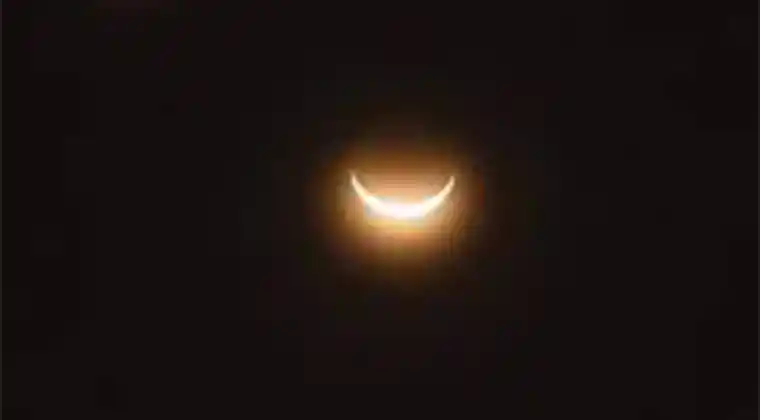
Astronomical imaging
He noted that the crescent was recorded that day only through astronomical imaging, captured during daylight hours before sunset in several places, including Abu Dhabi, parts of Saudi Arabia, and Germany. However, such imaging techniques are not officially accepted by most Islamic authorities for determining the beginning of lunar months.
What was notable this year, Odah said, was the increasing number of countries declining to announce the start of Rajab without a confirmed and scientifically feasible sighting. These included Jordan, Syria, Libya, Oman, Morocco, Iran, Pakistan, and several African states.
While some of these nations have long required verified sightings, others appear to be adjusting their stance, increasingly dismissing reports considered scientifically impossible.
“This challenges the notion that the Islamic world is abandoning sighting in favour of relying solely on conjunction or the moon’s presence after sunset,” Odah said. “Instead, it reflects a growing level of scientific understanding among religious authorities.”
He added that confusion often arises from mixing up astronomical terms, such as conflating conjunction with actual visibility, or misunderstanding the distinction between the moon itself and the visible crescent.
According to Odah, this closer alignment between science and religious practice creates an opportunity to develop a Hijri calendar capable of accurately forecasting Islamic dates without waiting for last-minute confirmation.
Modern astronomical calculations
He explained that modern astronomical methods can now determine in advance when crescent visibility is possible or impossible, while remaining fully aligned with Sharia principles.
Such an approach, he said, would ease uncertainty, reduce planning challenges, and limit public confusion that often accompanies late announcements of religious observances.
Although complete unification among all countries may still be some distance away, Odah noted that current trends point to a gradual move toward dismissing unreliable testimonies and reinforcing confidence in both scientific evidence and religious decision-making.
He added that the discussion surrounding the start of Rajab reflects similar debates seen during recent major Islamic occasions, showing that this is not an isolated issue but part of a wider transformation across the Islamic world.