The report explains how UAE authorities handled heavy rain by issuing continuous public warnings and running drainage systems overnight to reduce flooding, ensure safety, and minimise disruption across affected areas.
How UAE managed heavy rainfall with round-the-clock alerts and overnight drainage operations
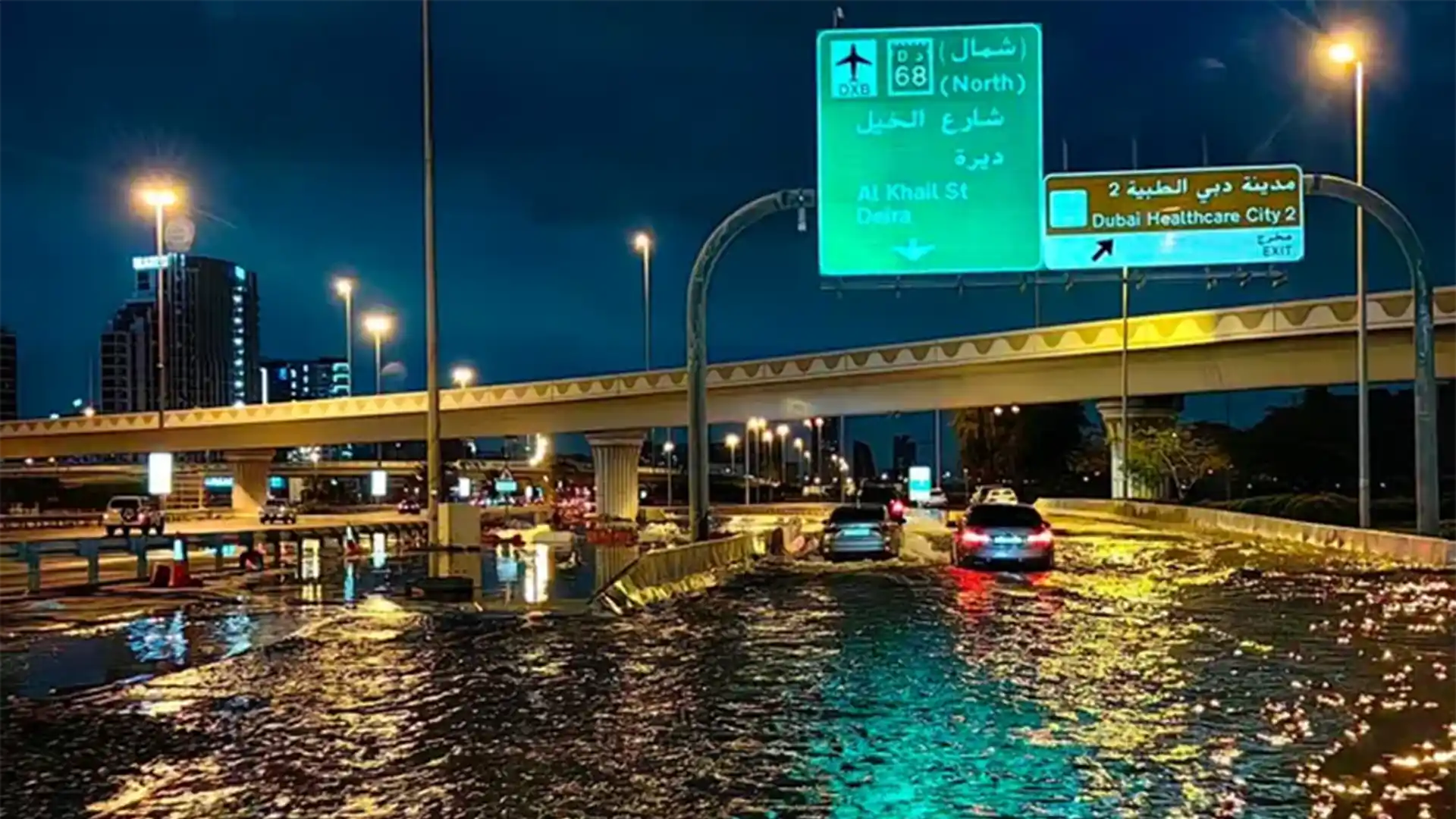
Preparedness proved to be the foundation of resilience, as coordinated efforts by the UAE government helped reduce the impact of the adverse weather that affected the country over Thursday and Friday.
Well ahead of the rainfall, the National Centre of Meteorology (NCM) released frequent forecasts and advisories tracking changing weather patterns. In response, municipalities and civil defence teams activated full operational readiness, deploying specialised four-wheel-drive vehicles and rescue units equipped with hydraulic lifters, cutting tools, saws, and other advanced rescue equipment. Patrol and emergency crews remained on heightened alert, particularly in low-lying and high-risk areas, to strengthen response capacity and safeguard the public.
Authorities also issued emergency SMS notifications to residents and visitors, urging caution and adherence to official safety guidelines. While the alerts were intrusive for some, they were widely seen as essential — drawing comparisons to the urgency of public messaging during the pandemic.
Fresh in public memory were the devastating rains of April 2024, when the UAE experienced the heaviest downpour in its recorded history. More than 250mm of rain fell within 24 hours, surpassing the annual rainfall of some regions. It was the most severe storm in 75 years, triggering widespread flooding, infrastructure damage, and property losses.
In the aftermath of that event, authorities significantly strengthened their approach to managing extreme weather. Residents, too, have grown more alert. People interviewed by Khaleej Times recently said they now pay closer attention to forecasts and warnings. “The April 2024 rains taught us to always stay prepared. Being cautious is better than facing regret,” one resident said.
These enhanced preparations played a major role in preventing serious incidents. No fatal or major injury-related road accidents were recorded during the peak of the recent weather disturbance. Although reports emerged of a young Indian expatriate’s death in Ras Al Khaimah on Thursday, officials have not confirmed whether weather conditions were a contributing factor.
Another positive outcome was the sharp decline in emergency distress calls. Recovery truck operators told Khaleej Times they remained ready but received far fewer requests compared to last year’s floods, indicating that motorists applied lessons learned and avoided unnecessary risks.
While preparation reduced exposure to danger, it was the relentless efforts of response teams that enabled a swift return to normalcy. Emergency crews worked continuously to clear drainage systems, manage traffic flow, and maintain public safety.
During the heaviest rainfall on Friday, as residents slept to the sound of rain, response teams were active throughout the night, pumping water from flooded roads and streets. In Dubai, Brigadier Turki Abdulrahman bin Fares, Director of the General Department of Operations at Dubai Police, told Khaleej Times that as conditions deteriorated, police shifts were extended and resources expanded. Nearly 70 per cent of patrol and rescue units were deployed across Dubai and Hatta overnight to ensure safety.
Police officers restricted access to dangerous zones, including flowing wadis, elevated terrain, and coastal areas. Coordination on the ground was constant, with real-time updates shared among teams to respond swiftly to changing conditions.
Despite the severity of the weather, daily life for most residents continued with minimal disruption. Early monitoring was vital, but it was clear and consistent communication that kept people safe. Media outlets, including Khaleej Times, played a key role by relaying verified updates and official announcements.
True resilience, authorities noted, is built on trust and collective action. Close collaboration between police forces, specialised units, partner agencies, and civil defence teams ensured rapid response and effective risk control.
Nature can be unpredictable and harsh, but strong public messaging helped maintain calm and readiness. Shared awareness made a difference.
Weather challenges will arise again — that is inevitable — but over the past few days, the UAE and its residents demonstrated resilience in action, setting a benchmark for how such situations can be managed effectively.
Looking ahead, officials emphasised that continued investment in early warning systems, infrastructure upgrades, and public awareness will remain essential as climate patterns grow more unpredictable. Authorities encouraged residents to stay informed through official channels, prepare emergency kits, and avoid complacency during future weather alerts. The recent response demonstrated how planning, technology, and cooperation can significantly reduce risk, but it also highlighted the importance of individual responsibility. By remaining alert and following guidance, communities can further strengthen resilience. The collective experience of recent days serves as a reminder that preparedness is not a one-time effort, but an ongoing commitment shared by institutions and the public alike.