The UAE’s real estate sector is evolving, with increasing demand for adaptable workspaces, eco-friendly construction, and high-end residential properties, reflecting emerging trends that are shaping the future of property development in the country.
UAE Property Outlook: Rise of Flexible Workspaces, Sustainable Buildings, and Luxury Homes.

The real estate landscape in the United Arab Emirates is undergoing a profound transformation, signaling a shift into a new phase that goes beyond traditional property demand. While the appetite for both commercial and residential real estate continues to rise, the market is being reshaped by deeper, more structural changes in how people live, work, and interact with the spaces around them. No longer confined to the conventional ideas of offices, homes, or retail environments, these spaces are evolving to reflect changing lifestyles, technological advancements, and a growing emphasis on sustainability and wellness. The UAE’s built environment is moving toward a holistic approach where each component—residential, commercial, and retail—contributes actively to the overall urban ecosystem, rather than functioning in isolation.
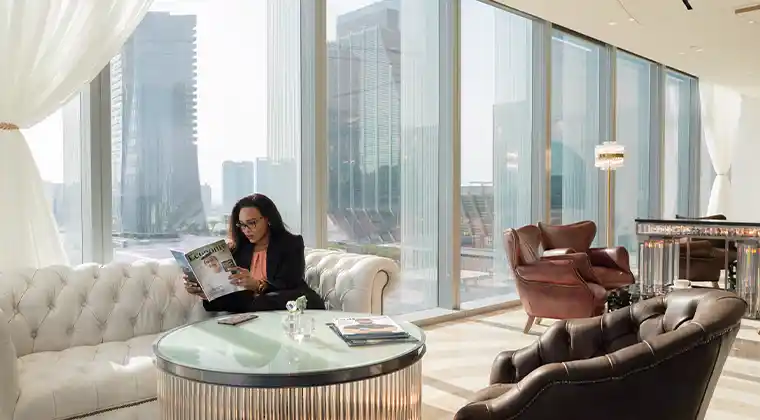
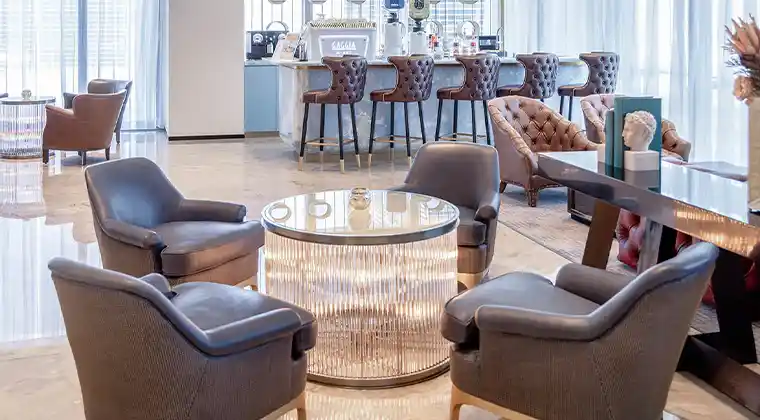
In the commercial sector, workplaces are no longer mere offices where employees spend a fixed number of hours each day. Modern office environments are being reconceptualized to prioritize flexibility, collaboration, and adaptability. Businesses are rethinking layouts to accommodate hybrid working models, shared spaces, and multifunctional areas that allow teams to work both independently and collectively. These flexible workspaces are designed to foster creativity, innovation, and productivity, while also supporting employee well-being. Features such as biophilic design, natural light, air quality systems, and ergonomic interiors have become key considerations, ensuring that the office is a place where people want to spend time, rather than just a location where they are required to be.
Similarly, residential spaces in the UAE are no longer viewed solely as functional dwellings. Modern homes are increasingly being designed as integrated living environments that support lifestyle aspirations, wellness, and connectivity. High-end residential developments emphasize spacious layouts, energy-efficient systems, smart home technologies, and amenities that cater to both physical and mental well-being. Developers are incorporating wellness-focused features such as fitness centers, green terraces, meditation zones, and recreational spaces that encourage residents to lead healthier and more balanced lives. The concept of home has evolved into a personalized sanctuary that blends comfort, technology, and sustainability, reflecting changing expectations among buyers and tenants.
Retail spaces, too, have experienced a significant shift in their role and function. Once seen as simple outlets for products and services, modern retail environments in the UAE are becoming immersive experiences that engage consumers in multiple ways. Brands are leveraging innovative store designs, interactive displays, and digital integration to create memorable experiences that go beyond mere transactions. Retail interior design is now a key factor in shaping brand identity and customer loyalty, while also contributing to the overall aesthetics and functionality of shopping destinations. In this way, the retail segment has become an active participant in defining the country’s urban fabric, complementing both residential and commercial developments.
Across all sectors of the built environment, a new design language is taking hold—one that emphasizes flexibility, wellness, technology, and sustainability. Architectural and interior design strategies are increasingly centered on the idea that spaces must adapt to the evolving needs of their users. For instance, office floors are being designed to accommodate movable partitions and modular furniture, allowing layouts to be reconfigured as teams grow or shrink. Residential units are integrating smart home systems that control lighting, temperature, and security, while also enabling energy efficiency. Retail environments are using digital technology to create interactive, personalized experiences for visitors, while also optimizing operations behind the scenes.
Sustainability is emerging as a cornerstone of this new real estate paradigm. Developers and architects are placing greater emphasis on energy-efficient building systems, green materials, and environmentally responsible construction practices. Rooftop gardens, solar panels, efficient HVAC systems, and low-impact materials are becoming standard elements of high-quality developments. Sustainability is no longer a secondary consideration; it is central to the market’s evolution, responding to both regulatory requirements and consumer demand for environmentally responsible living and working spaces.
Rapid population growth, changing consumer expectations, and a maturing design economy are key drivers of this transformation. As the UAE continues to attract residents and businesses from around the world, demand for spaces that are flexible, technology-enabled, and wellness-focused has surged. Consumers now seek more than just functionality—they expect experiences, comfort, and a sense of community. Developers are responding by creating integrated environments where commercial, residential, and retail components interact seamlessly to provide a cohesive and holistic urban experience.
Large-scale construction projects across the UAE reflect these trends, incorporating mixed-use developments that combine offices, homes, retail, and leisure facilities within single precincts. Urban planners and architects are designing these spaces to prioritize connectivity, sustainability, and the well-being of residents and users. Smart city initiatives, green building standards, and digital infrastructure are being integrated into new developments to ensure that the UAE’s property sector remains forward-looking and competitive on a global scale.
In summary, the UAE’s real estate market is no longer defined simply by demand for commercial or residential units. It is evolving into a dynamic ecosystem where workspaces, homes, and retail spaces interact, adapt, and contribute to a larger vision of urban living. Flexibility, wellness, sustainability, and technology are now central to the design of the built environment, shaping spaces that reflect contemporary lifestyles, anticipate future needs, and meet the expectations of a diverse and sophisticated population. This new era in UAE property development represents a fundamental rethinking of how spaces are conceived, designed, and experienced, signaling a vibrant, innovative, and sustainable future for the country’s urban landscape.
This evolving landscape has opened up new opportunities for companies throughout the property and design sectors. Specialists in office environments, home décor retailers, construction firms, and innovative material providers are now catering to a market that seeks more than conventional setups. Today’s spaces are expected to perform efficiently, adapt intelligently, and enhance the experience of those using them.
In the UAE, the approach to modern office design has undergone a marked shift in recent years, driven by the rise of hybrid working models, a stronger focus on employee wellbeing, and collaborative organizational cultures. At Spacewell Interiors, this evolution informs every project undertaken. Managing Director Najid Nazir emphasizes that contemporary offices must be designed around how people actually work, rather than relying on outdated office models.
“Workplace design in the UAE is changing rapidly to meet the demands of new work styles,” Nazir explains. “Flexibility for hybrid schedules, attention to staff wellbeing, and fostering collaboration are now core priorities. Our designs aim to enhance comfort, productivity, and the overall user experience. This involves creating consistent and optimal lighting, maximizing the use of natural sunlight, and incorporating biophilic elements that nurture a connection with nature.”
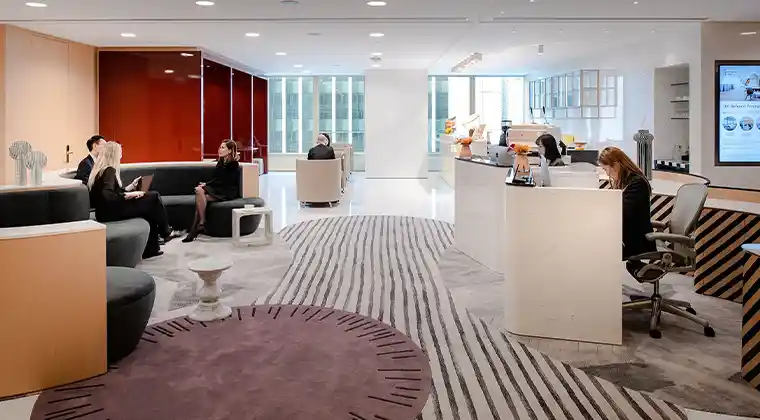
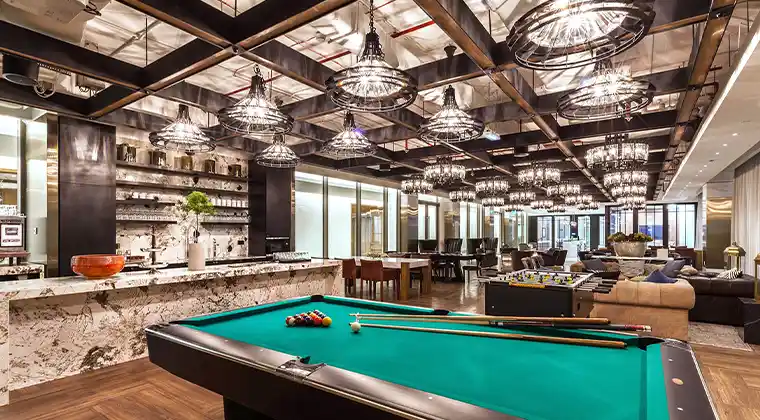
The rise of hybrid work has transformed how organizations design their office layouts. Modern floor plans are no longer centered on fixed desk assignments; instead, they focus on offering employees flexibility and choice. Managing Director Najid Nazir notes, “Employees today are no longer confined to a single workstation. They can move freely among a variety of spaces that suit different tasks throughout the day—quiet zones for deep focus, individual workstations for concentration, and collaborative areas for team discussions. This approach encourages independence while fostering better communication, creativity, and teamwork.”
This evolution is also having a significant impact on the commercial real estate sector. Landlords and developers are observing a shift in tenant priorities: flexible layouts, wellness-oriented amenities, and advanced technological infrastructure now take precedence over traditional office designs. The workplace of the future is not a uniform, static environment—it is a dynamic ecosystem structured around the comfort, productivity, and wellbeing of its occupants.
Sustainability has likewise emerged as a core consideration in the UAE property market. No longer a mere promotional tool, environmentally responsible design is now a genuine expectation for clients, investors, and regulatory authorities.
At Spacewell Interiors, sustainability is integrated into every stage of a project. Najid emphasizes, “We embed sustainable practices from the very beginning of design and continue throughout construction. Our focus is on selecting materials and products that minimize environmental impact, prioritizing manufacturers with Cradle to Cradle certifications whenever possible.” In addition, the company actively manages construction waste, segregating materials on-site to ensure recyclables are properly processed, which reduces landfill contributions and strengthens overall project sustainability.
Clients who prioritize long-term environmental performance can also opt for LEED-compliant project delivery, which not only enhances operational efficiency but also adds value to the development.
The push for sustainability extends beyond interiors to the building envelope itself. Emirates Extrusion Factory, part of Dubai Investments, is at the forefront of innovation in this area, developing one of the region’s most advanced curtainwall systems. Earlier this year, the company collaborated with UCS Green Solutions to produce what could become the region’s most environmentally conscious facade technology, demonstrating how sustainability is becoming a central driver of architectural and construction innovation in the UAE.
Sreekumar Brahmanandan, General Manager and Board Director, highlights the advantages of the innovative aluminium curtainwall system. “We manufacture extruded aluminium profiles tailored for this solution, which arrive on-site nearly ninety percent pre-finished. This eliminates the need for cutting, drilling, or fabrication on site, reducing waste and improving thermal performance while speeding up installation,” he explains.
The system is designed to maximize energy efficiency, offering savings of up to thirty-five percent, and is fully recyclable. It meets rigorous standards including LEED, Estidama, and the Dubai Green Code. Sreekumar points out another key benefit: “Although the materials carry a higher upfront cost, the reduced installation time offsets this investment. You also cut down on labor requirements, remove the need for scaffolding, and achieve long-term energy and maintenance savings.”
Sustainability is increasingly influencing real estate development across the region, from high-rise towers in Doha to projects in Sharjah and beyond. For both developers and tenants, environmentally responsible construction is no longer optional; it is now a crucial factor in generating long-term value.
Expansion in the UAE interiors sector
While the commercial segment emphasizes technical performance and employee wellbeing, the residential and lifestyle markets are experiencing rapid growth. GMG, a global wellbeing company, has expanded its Home division by launching Modora, a luxury interior concept designed to meet the UAE’s rising demand for premium design solutions.
Mohammad A. Baker, Deputy Chairman and CEO of GMG, explains the strategic significance: “Modora allows us to tap into a segment currently valued at around $3.7 million, with projections exceeding $5.7 million by 2033. This expansion strengthens our presence in the premium interiors space while supporting local talent, suppliers, and innovation.”
The UAE’s home decor and furniture markets are expanding alongside strong residential activity. Dubai real estate transactions grew by forty percent in the first half of 2025, reaching Dh326.6 billion. With the proliferation of high-end residential projects, the demand for premium interior solutions continues to accelerate.
Rob Canning, Vice-President of GMG’s Home Division, emphasizes the link between population growth and design demand: “The UAE’s increasing population and robust real estate activity are driving strong demand for quality interiors and furnishings. Through Modora, we are broadening our portfolio to meet this demand while maintaining our focus on operational excellence and strategic investment in the retail sector.”
Modora complements GMG’s Suncoast brand, which specializes in premium outdoor furniture, solidifying the company’s presence across multiple tiers of the home interiors market.
Narrative-driven design
Beyond retail and commercial innovation, interior design and contracting firms are raising standards across sectors. The Makers, a Dubai- and India-based design and contracting company, has developed a reputation for creating spaces that carry meaning and purpose across residential, hospitality, and commercial projects.
The Makers approach every project as a story. Their multidisciplinary teams work closely with clients from initial concept to project completion, ensuring design, engineering, and execution are fully aligned. Their portfolio includes homes reflecting personal identity, restaurants designed to convey atmosphere and narrative, and workplaces embodying corporate culture and organizational goals. This approach contributes to a broader design movement in the UAE that values creativity, functionality, and emotional engagement.
A holistic vision for UAE real estate
Across these developments, a clear trend emerges: the UAE real estate market is no longer defined solely by construction volume or leasing activity. Instead, it is increasingly shaped by the intelligence, adaptability, and quality of its spaces.
Workplaces are becoming human-centered, hybrid-ready, and wellness-oriented.
Residential spaces are focusing on design, experience, and lifestyle integration.
Construction materials and methods are moving toward greater sustainability and efficiency.
Interior brands are diversifying to meet rising lifestyle and design expectations.
Together, these trends signal a market evolving around flexibility, technology integration, and sustainability. As Najid Nazir observes, “Modern workplaces are moving toward adaptable, wellness-focused, and collaborative environments that empower teams and support a balanced, engaging work experience.”
This philosophy extends beyond the office, shaping retail, hospitality, residential developments, and the entire supply chain supporting the UAE’s built environment. The future of the market will favor those who design with intention—spaces that are flexible, comfortable, and inspiring will define the next chapter of the UAE real estate landscape.