Abu Dhabi reimagines its urban landscape, turning streets and buildings into expansive open-air art galleries that display 400 diverse artworks, blending creativity with everyday city life for residents and visitors.
Abu Dhabi transforms buildings and streets into open-air galleries showcasing 400 artworks.
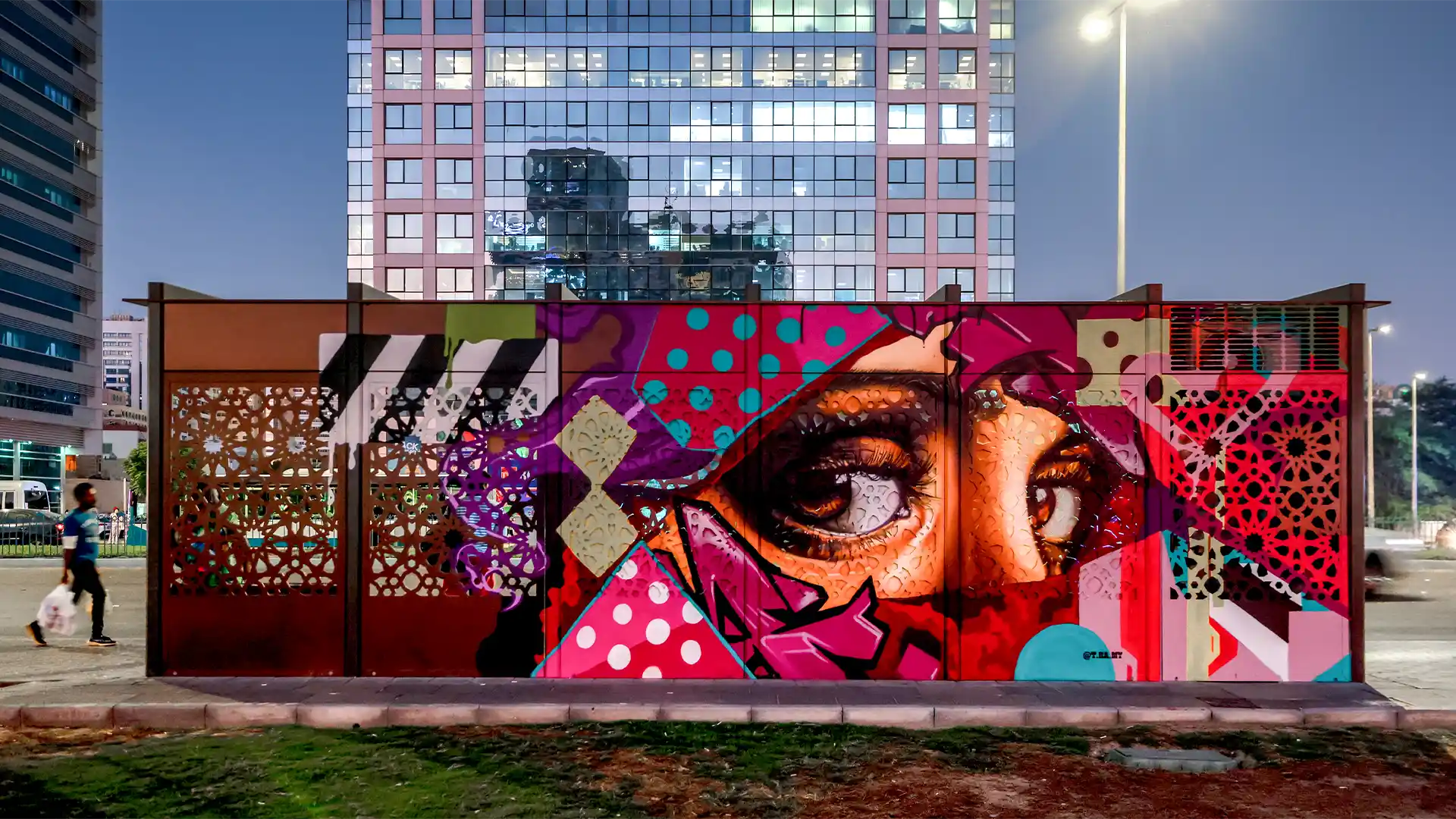
Art in Abu Dhabi is no longer confined to quiet museum halls or exclusive gallery spaces. Instead, it has stepped into the open, becoming part of the city’s everyday rhythm and visual identity. Across streets, neighbourhoods, and communal areas, creativity now unfolds in places once considered ordinary. Walls, pathways, and overlooked corners have been reimagined as sites of expression, inviting residents and visitors alike to pause, observe, and engage. This shift has transformed the urban environment into a living, breathing exhibition—one that sparks curiosity, conversation, and a deeper emotional connection to the city itself.
As people move through Abu Dhabi, they now encounter art in unexpected forms and locations. Large-scale murals stretch across building façades, while delicate artistic details appear in transit spaces and community hubs. These works do more than decorate the city; they tell stories, reflect cultural values, and mirror the diverse identities that shape Abu Dhabi. By weaving creativity into daily life, the city has created an atmosphere where art feels accessible rather than distant, familiar rather than formal. The result is an urban landscape that feels more human, expressive, and inclusive.
This citywide artistic transformation is driven by a clear philosophy: that creativity has the power to enrich lives and strengthen community bonds. Noor Shamma, Acting Executive Director of the Marketing and Communications Sector at the Department of Municipalities and Transport, explains that the initiative is rooted in the idea that public art can positively influence how people experience their surroundings. According to her, art is not simply about aesthetics; it plays a meaningful role in shaping how individuals connect with their environment and with one another.
The initiative, known as Abu Dhabi Canvas, was designed to bring creativity into everyday spaces that people interact with regularly. Rather than limiting artistic expression to traditional venues, the project focuses on locations such as residential districts, shopping centres, and public transport areas, including bus shelters. By doing so, the programme ensures that art becomes part of daily routines—something encountered naturally rather than deliberately sought out. This approach encourages spontaneous engagement, allowing people to discover creativity during moments that might otherwise go unnoticed.
Shamma highlights that these artistic interventions are meant to inspire interaction and cultural appreciation. Whether it’s a mural that reflects local heritage or a contemporary piece that invites interpretation, each artwork contributes to a broader dialogue between the city and its people. The presence of art in shared spaces fosters a sense of ownership and pride, as residents begin to see their neighbourhoods as places of cultural value rather than just functional areas
Beyond visual appeal, the initiative also aims to nurture a sense of belonging. When art reflects shared stories, traditions, and aspirations, it helps people feel more connected to where they live. Public spaces become gathering points not only for movement but also for reflection and exchange. In this way, creativity acts as a bridge—linking diverse communities through shared experiences and visual narratives.
At its core, Abu Dhabi Canvas represents a belief in art as a powerful, unifying element within society. By integrating creativity into the urban fabric, the city acknowledges that culture thrives when it is visible, accessible, and woven into everyday life. Art becomes a common language—one that transcends age, background, and nationality—encouraging dialogue and mutual understanding.
Through this initiative, Abu Dhabi has positioned itself as a city where creativity is not reserved for special occasions but is embedded in the daily journey of its people. Streets and buildings now serve as open invitations to engage with culture, transforming routine commutes into moments of inspiration. As art continues to shape public spaces, it reinforces the idea that a city’s true character is revealed not only through its architecture and infrastructure, but also through the stories, expressions, and connections that unfold within its shared spaces.
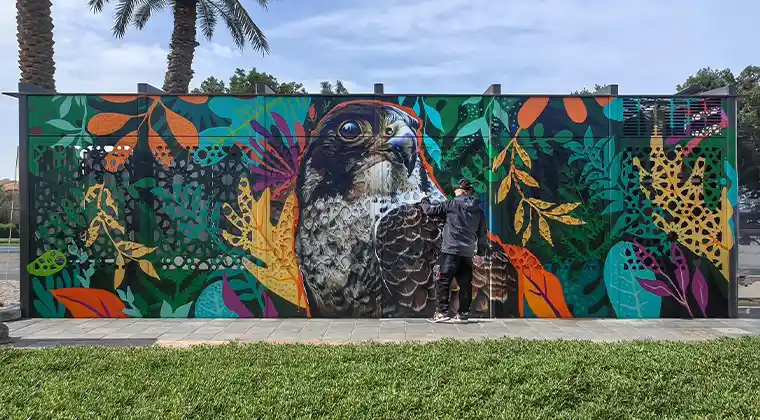
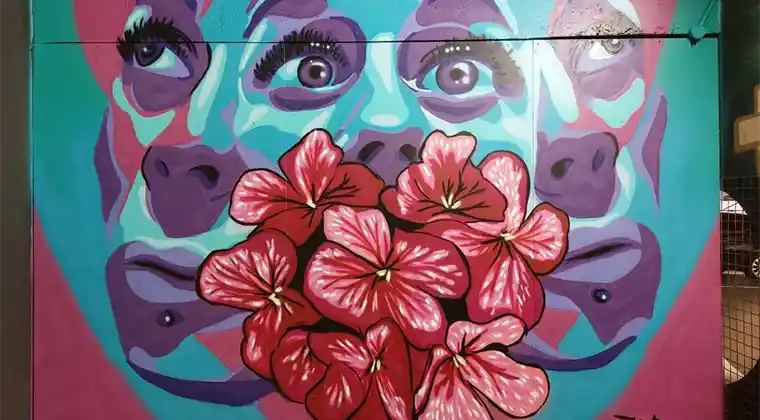
Since the programme was introduced, it has grown into a wide-reaching cultural movement that spans multiple regions of the emirate. Hundreds of artworks now form part of Abu Dhabi’s public landscape, appearing in a diverse range of settings throughout Abu Dhabi City, Al Ain, and the Al Dhafra region. These creative works are not confined to a single district or type of space; instead, they are spread across more than a hundred locations, ensuring that art is encountered by people in their everyday routines—whether at home, in transit, or during leisure activities.
A significant aspect of this initiative is the strong involvement of local creative talent. More than a hundred Emirati artists, along with other artists based in the UAE, have contributed their skills and ideas to the project. Their collective effort represents thousands of hours dedicated to planning, designing, and executing artworks of varying scales and styles. From large murals that dominate building façades to more intimate pieces integrated into public infrastructure, these works together cover a vast physical area across the emirate. The scale of this creative investment reflects a deep commitment to embedding art meaningfully into public spaces rather than treating it as a temporary or decorative addition.
The time and energy devoted by artists have translated into artworks that resonate with the communities in which they are located. According to Noor Shamma, the level of public interaction with these pieces has been particularly encouraging. She has pointed out that residents’ reactions—ranging from curiosity and appreciation to active engagement on social platforms—demonstrate how much people value having creativity woven into the spaces they move through every day. This response, she noted, reinforces the belief that public art has a real and lasting impact on how people experience their surroundings, making daily life more vibrant and emotionally engaging.
Public participation has been a key indicator of the initiative’s success. Many residents have taken the time to stop, observe, photograph, and discuss the artworks, turning them into informal landmarks and conversation starters. This kind of interaction suggests that art placed in accessible environments can foster a sense of connection and shared ownership. Rather than feeling distant or exclusive, these artworks invite interpretation and dialogue, allowing individuals from different backgrounds to find personal meaning in what they see.
Behind the scenes, the process of selecting artists and approving artworks is carefully structured. Each contribution is chosen through a curated approach that ensures consistency with the initiative’s broader vision. The themes guiding the selection process are closely linked to the emirate’s priorities and values. Concepts such as community, mobility, cultural identity, environmental sustainability, urban growth, and thoughtful city planning serve as the foundation for creative proposals. Artists are encouraged to explore these ideas in ways that are visually compelling while remaining relevant to the spaces in which the artworks will appear.
Equally important is the emphasis on respecting and reflecting the UAE’s heritage and cultural identity. While the initiative welcomes contemporary styles and innovative techniques, it maintains a strong connection to local traditions and values. This balance allows for artistic freedom while ensuring that each piece aligns with the social and cultural fabric of the country. As a result, the artworks feel authentic and grounded, contributing to a sense of continuity between the past, present, and future.
Through this considered approach, the initiative has succeeded in creating a cohesive yet diverse public art collection. Each artwork stands on its own, but together they form a larger narrative about Abu Dhabi’s identity as a city that values creativity, community, and cultural expression. By combining thoughtful curation, local talent, and public engagement, the programme continues to reshape the emirate’s urban environment—one artwork at a time.
Building Meaningful Connections
Shamma emphasised that the selection process goes far beyond aesthetics. She explained that artworks are chosen not simply because they are visually striking, but because they have the capacity to add depth to shared spaces and spark interaction, thought, and conversation among both residents and visitors.
The active involvement of Emirati and UAE-based artists continues to be a cornerstone of the programme. Shamma noted that nurturing local creative talent is essential to the initiative’s purpose, as these artists bring genuine narratives rooted in local culture, community, and lived experience. Their perspectives help ensure that the artworks feel relevant and closely tied to the places and people they represent.
Although the Department of Municipalities and Transport oversees Abu Dhabi Canvas, the initiative relies heavily on partnerships to bring projects to life. Its delivery is strengthened through collaboration with a range of organisations, including Mubadala—through the Mubadala Foundation in partnership with the Authority of Social Contribution, Ma’an—as well as the Abu Dhabi Department of Education and Knowledge and other supporting entities. These partnerships play a crucial role in expanding the reach and impact of the programme across the emirate.
Reflecting on the outcomes, Shamma described one of the most fulfilling elements of the initiative as witnessing creativity appear in unexpected, everyday locations. Seeing art integrated into places such as pedestrian crossings, service boxes, and public transport shelters, she said, highlights the transformative power of collaboration. She added that these achievements would not have been possible without the dedication and shared commitment of both the partner organisations and the artists who contributed their vision and expertise.
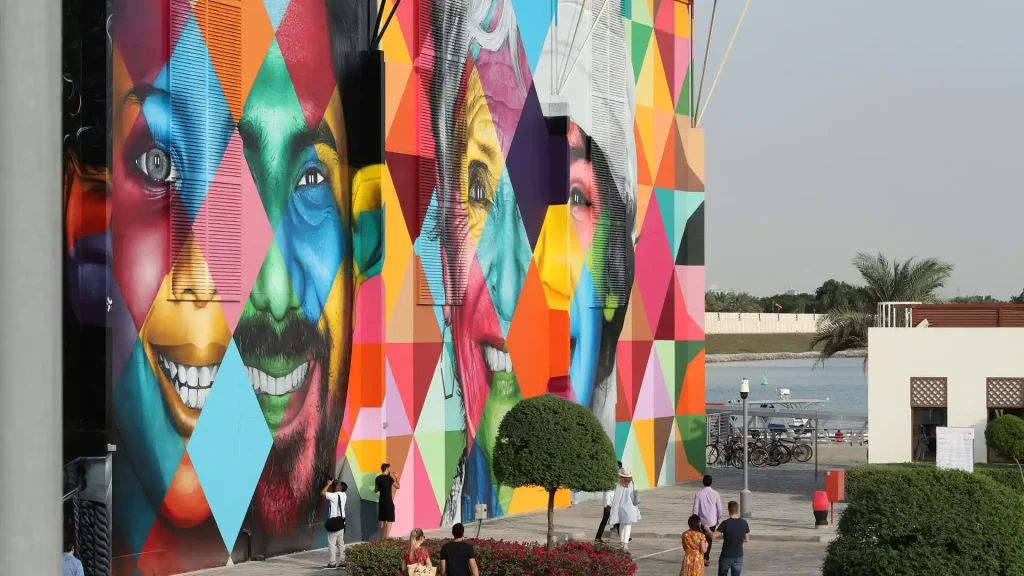
Abu Dhabi’s harsh summer climate presented practical challenges during the rollout of the project. Shamma explained that extreme heat demands detailed scheduling and strict safety measures to protect both artists and technical teams. To address this, most painting and installation activities are planned for the cooler seasons, and materials are carefully selected for their durability and ability to endure the emirate’s demanding environmental conditions.
A City That Speaks Through Art
For Emirati artist Ahmed Al Mehairi, taking part in Abu Dhabi Canvas offered a unique chance to transform public spaces into platforms for storytelling. He described urban walls as powerful messengers of a city’s character, expressing collective pride, emotion, and cultural identity. Through his artwork, Al Mehairi aimed to create visual elements that prompt curiosity, encouraging viewers to pause, reflect, and engage with the deeper ideas behind the piece.
He further explained that much of his creative inspiration comes from Abu Dhabi’s ability to honour its roots while continuing to evolve. According to Al Mehairi, progress does not diminish tradition; instead, true advancement is built upon authenticity. He believes that maintaining this balance between heritage and modernity is what gives the city its distinct spirit and enduring sense of identity.
Emirati visual artist Farah Falaknazi described her involvement in the project as an immensely rewarding experience. She explained that seeing her ideas evolve from initial sketches into a finished public artwork surpassed what she had imagined. According to Falaknazi, creating art directly on site brings a unique energy, offering artists the freedom to refine their work in response to the space and incorporate subtle details that ultimately enrich the final outcome.
Known for drawing inspiration from themes of nature and environmental responsibility, Falaknazi views public art as an essential element of urban life. She believes that artworks placed in shared spaces help define a city’s personality while fostering emotional bonds between people and their surroundings. In her view, public art contributes positively to mental and emotional wellbeing, supports homegrown talent, and can sometimes deliver messages with greater impact than traditional advertising or media outreach.
Artist Ghaith Al Roubi approached his contribution with a desire to create a gentle conversation between tradition and contemporary life. Rather than relying on bold or overwhelming visuals, he sought a balanced composition that subtly connects the past with the present. Through his work, Al Roubi aimed to express his personal perception of Abu Dhabi as a place where heritage, simplicity, and forward-looking ambition coexist in harmony.
For Emirati artist Sultan Al Hashemi, participating in Abu Dhabi Canvas carried a deeply personal significance. Having spent his formative years in the capital, he viewed the initiative as a meaningful opportunity to give back to the city that played a central role in shaping who he is today. Al Hashemi said the project allowed him to express his attachment to Abu Dhabi by celebrating its cultural roots, architectural identity, and the quiet beauty found in everyday scenes.
Al Hashemi’s artistic path began early in life, starting with simple pencil sketches before gradually expanding to include painting, mixed media, and spray techniques. Over time, his practice evolved into large-scale works designed for public spaces. Reflecting on his creative process, he emphasised that strong ideas matter more than the tools used to execute them. For him, the essence of art lies in the clarity of the vision and the emotions it conveys, rather than the materials or techniques themselves.