The UAE has introduced strict traffic penalties, with fines between Dh400 and Dh2,000, targeting motorists who engage in unsafe or reckless driving practices during rainy weather conditions to enhance road safety.
UAE Imposes Hefty Penalties Ranging from Dh400 to Dh2,000 for Reckless Driving During Rain.
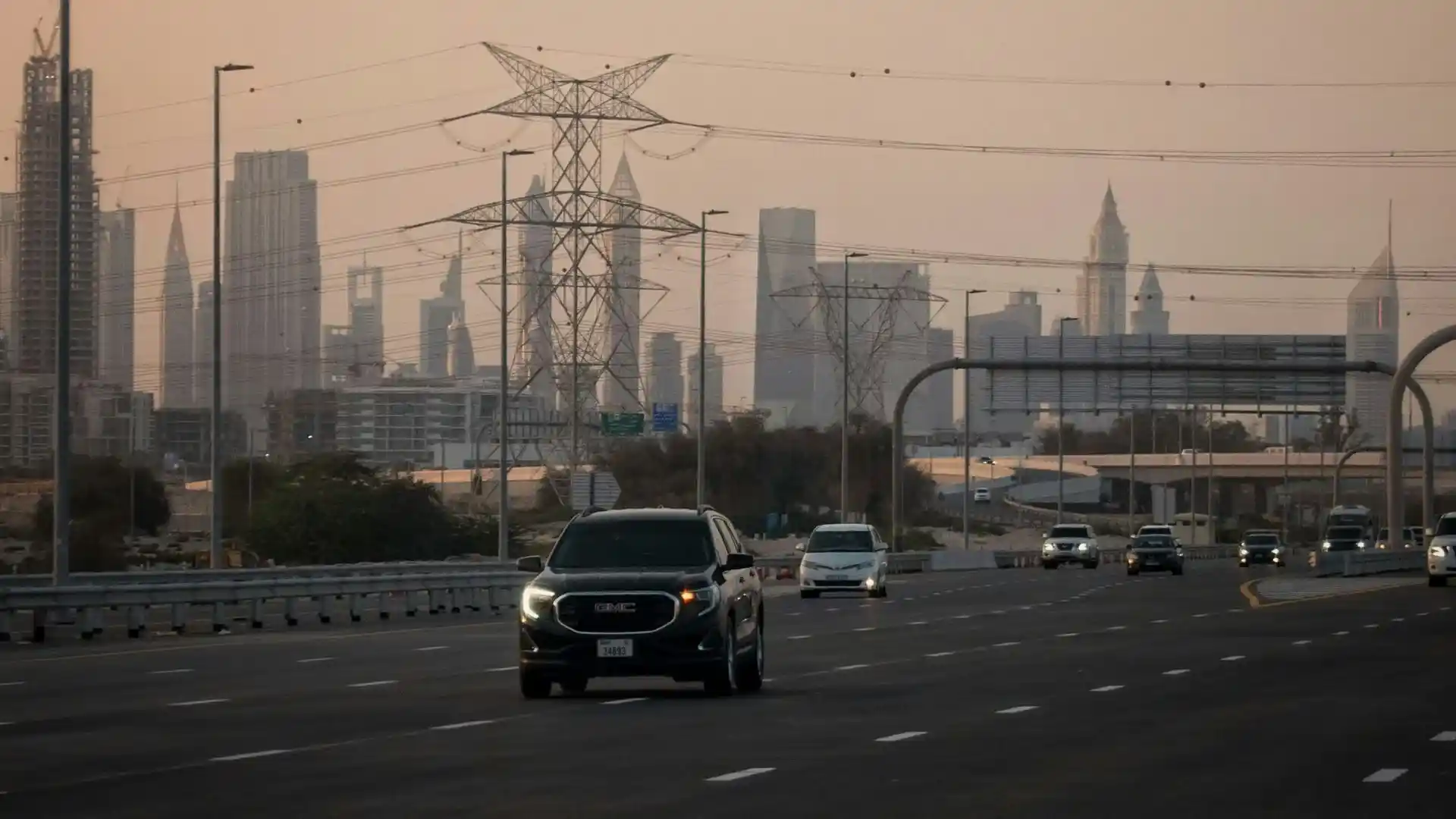
As several parts of the United Arab Emirates continue to experience heavy rainfall, with forecasts indicating that further unstable weather is expected to affect Abu Dhabi, Dubai, and surrounding areas later tonight, authorities have intensified their safety messaging to the public. Officials are calling on motorists to be especially vigilant on the roads, stressing that hazardous driving behavior during adverse weather will not be tolerated and may result in significantly stricter penalties.
The ongoing weather conditions have already led to reduced visibility, slippery roads, and an increased risk of traffic accidents in some areas. With additional rain, gusty winds, and sudden weather changes anticipated, authorities have emphasized that road safety must remain a top priority. Drivers are being urged to adjust their driving habits immediately by slowing down, maintaining greater distances between vehicles, and avoiding sudden maneuvers that could lead to loss of control.
Government agencies have warned that traffic violations committed during adverse weather conditions are considered particularly dangerous, as they put not only the driver at risk but also passengers, pedestrians, and other road users. As a result, enforcement measures will be heightened during this period, and motorists who fail to comply with traffic laws may face tougher fines and penalties. Authorities have made it clear that reckless behavior, such as speeding, tailgating, using mobile phones while driving, or attempting to cross flooded roads, will be dealt with firmly.
Officials also highlighted that rain can dramatically alter road conditions within minutes. Water accumulation on highways and city streets may lead to hydroplaning, while poor visibility can make it difficult to spot other vehicles, pedestrians, or obstacles. Drivers are therefore advised to ensure their vehicles are in good condition before traveling, including checking tire tread, brakes, headlights, and windshield wipers. Using headlights appropriately and signaling early when changing lanes are further steps that can help reduce risks.
In addition to urging caution among motorists, authorities have advised residents to limit non-essential travel during periods of intense rainfall. Those who do not need to be on the road are encouraged to stay indoors until conditions improve. This approach helps reduce traffic congestion and allows emergency services to respond more effectively to incidents that may arise due to the weather.
Emergency response teams, traffic police, and municipal services remain on high alert as weather systems continue to move across the country. Authorities are monitoring conditions closely and coordinating efforts to manage traffic flow, respond to accidents, and address flooding in vulnerable areas. Road users are encouraged to follow instructions from traffic officials and to respect road closures or diversions put in place for public safety.
Residents have also been reminded to stay informed by relying only on official sources for weather updates and safety advisories. Government platforms, police social media accounts, and trusted news outlets are providing regular updates on weather developments, road conditions, and safety instructions. Officials cautioned against sharing unverified information or rumors, which can create unnecessary panic or lead to unsafe decisions.
The message from UAE authorities is clear: safety on the roads is a shared responsibility, especially during challenging weather conditions. By exercising patience, adhering to traffic laws, and adjusting driving behavior to suit the conditions, motorists can play a crucial role in preventing accidents and protecting lives. With more unstable weather expected in the coming hours, authorities continue to urge the public to remain cautious, prepared, and cooperative as the country navigates this period of adverse conditions
The UAE’s Ministry of Interior has reiterated its firm stance on public safety during periods of severe weather, drawing attention to the penalties outlined under Ministerial Resolution No. 178 of 2017, which governs traffic regulations and enforcement procedures. This reminder comes amid concerns about risky behavior by some individuals during rainy conditions and flooding incidents, situations that authorities say pose serious threats to lives and property if not handled responsibly.
According to officials, the resolution provides a clear legal framework to address dangerous conduct on roads and in areas affected by heavy rainfall. During such weather events, reduced visibility, slippery surfaces, and sudden water accumulation significantly increase the likelihood of accidents. The Ministry has emphasized that enforcement is not intended to be punitive alone, but rather a preventive measure designed to deter behavior that could result in serious injury or loss of life.
One of the key warnings issued by authorities relates to the tendency of some residents to gather near valleys, floodplains, and dams during rainfall. While these locations may appear calm or even appealing to observe during light rain, officials stress that conditions can change rapidly and without warning. Sudden surges of water can occur in valleys and low-lying areas, turning seemingly harmless locations into extremely dangerous zones within minutes. To discourage such conduct, the Ministry has confirmed that anyone found congregating in these areas during rainy weather faces a financial penalty of Dh1,000, along with six black points added to their driving record.
The penalties become significantly more severe when individuals ignore warnings and deliberately enter flowing valleys. Authorities have made it clear that crossing or driving into active water channels, regardless of how shallow or manageable they may appear, is considered a serious violation. Such actions not only endanger the individual involved but also put rescue teams at risk if emergency intervention becomes necessary. Under the regulations, entering a flowing valley carries a fine of Dh2,000, the addition of 23 black points, and the impoundment of the vehicle for a period of 60 days.
Officials have repeatedly stressed that these measures are based on past incidents where lives were lost due to underestimating the force of moving water. Even experienced drivers and off-road enthusiasts are not immune to the dangers posed by flash floods, as water currents can easily overpower vehicles and sweep them away. The Ministry has therefore urged residents to strictly adhere to instructions issued during adverse weather and to avoid areas marked as hazardous, even if conditions appear stable at first glance.
In addition to these specific penalties, the Ministry of Interior has encouraged the public to adopt a broader culture of safety during rainy and flooding conditions. This includes following official advisories, respecting road closures, and refraining from sharing images or videos taken in dangerous locations, as such content can encourage others to take similar risks. Authorities have emphasized that curiosity should never override personal safety or the safety of others.
The Ministry has also highlighted the importance of community cooperation in ensuring safety during extreme weather events. Residents are urged to report dangerous behavior to the relevant authorities and to rely solely on verified sources for updates and guidance. By doing so, the public plays an active role in reducing accidents and preventing avoidable tragedies.
Overall, the renewed emphasis on Ministerial Resolution No. 178 of 2017 reflects the UAE’s zero-tolerance approach to behavior that jeopardizes public safety during hazardous weather. Through strict enforcement, clear penalties, and continuous public awareness campaigns, authorities aim to reinforce the message that safety must remain the top priority whenever rain, flooding, or other severe weather conditions affect the country.
Authorities have also drawn attention to further offences linked to unsafe conduct during emergencies, particularly actions that hinder official response efforts. Interfering with traffic control, ambulance movement, or rescue operations during periods of heavy rain or valley flooding is considered a serious violation. Individuals found obstructing emergency services may be penalised with a Dh1,000 fine, four black points on their driving record, and the impoundment of their vehicle for up to 60 days.
Officials explained that these regulations are designed to safeguard the public during extreme weather events and to minimise the chances of serious accidents, injuries, or fatalities. Residents have been strongly advised to follow all safety instructions without exception, stay away from high-risk locations, and cooperate fully with police, civil defence teams, and emergency responders during storms, floods, or other hazardous conditions. Authorities stressed that compliance plays a critical role in ensuring that emergency services can operate efficiently and reach those in need without delay.
In addition to the above, officials outlined several other traffic violations that are commonly associated with dangerous behaviour during adverse weather, along with their corresponding penalties. Motorists who use their mobile phones to take photos or record videos of rain or fog while driving may be fined Dh800 and issued four black points, as this behaviour significantly distracts drivers and increases accident risk.
Engaging in reckless or dangerous driving during poor weather carries one of the harshest punishments, including a Dh2,000 fine, 23 black points, and a 60-day vehicle confiscation. Drivers who misuse hazard lights while driving face a Dh500 fine and four black points, as hazard lights are intended only for stationary or emergency situations.
Failing to use headlights when driving in foggy conditions is another offence, punishable by a Dh500 fine and four black points. The same penalty applies to motorists who continue driving in fog despite official warnings or instructions advising against travel. Ignoring directions given by a police officer can result in a Dh400 fine and four black points, while attempting to flee after being instructed to stop by police carries a heavier penalty of a Dh800 fine and 12 black points.
Authorities reiterated that these penalties are part of a broader effort to enforce responsible driving, protect lives, and maintain public safety during challenging weather conditions. Residents and motorists are urged to remain alert, drive responsibly, and strictly adhere to all official instructions to help prevent avoidable tragedies during periods of unstable weather.
Motorists are advised to follow a number of essential precautions to ensure their safety while driving, particularly during challenging weather conditions. Before setting off, drivers should inspect their vehicle’s tyres and confirm that they are properly inflated and in good overall condition to maintain adequate grip on wet roads. It is equally important to check that windshield wipers are functioning effectively, as clear visibility is crucial during rain or fog.
While driving, motorists should slow down when passing through waterlogged areas or puddles to prevent loss of control and avoid splashing water onto other vehicles. Headlights should be switched on at all times, even during daylight hours, to improve visibility and help other road users see approaching vehicles more clearly. Drivers are also reminded that hazard lights should not be used while the vehicle is in motion, as they can confuse other motorists.
Maintaining a safe distance from the vehicle ahead is essential, as braking distances increase on wet or slippery roads. Road users should strictly follow posted speed limits and remain alert to updates displayed on electronic information boards, which often provide important safety instructions or warnings. Avoiding distractions, such as using mobile phones or engaging in activities that divert attention from the road, is strongly recommended. Additionally, motorists are urged to stay away from valleys or low-lying areas that may be prone to flooding, as conditions in such locations can become dangerous without warning.