
Abu Dhabi Police have warned residents to stay alert, as fake QR codes can be used by cybercriminals to steal personal data, hack devices, and carry out financial fraud.
Abu Dhabi Police caution against counterfeit QR codes that may result in hacking, financial scams
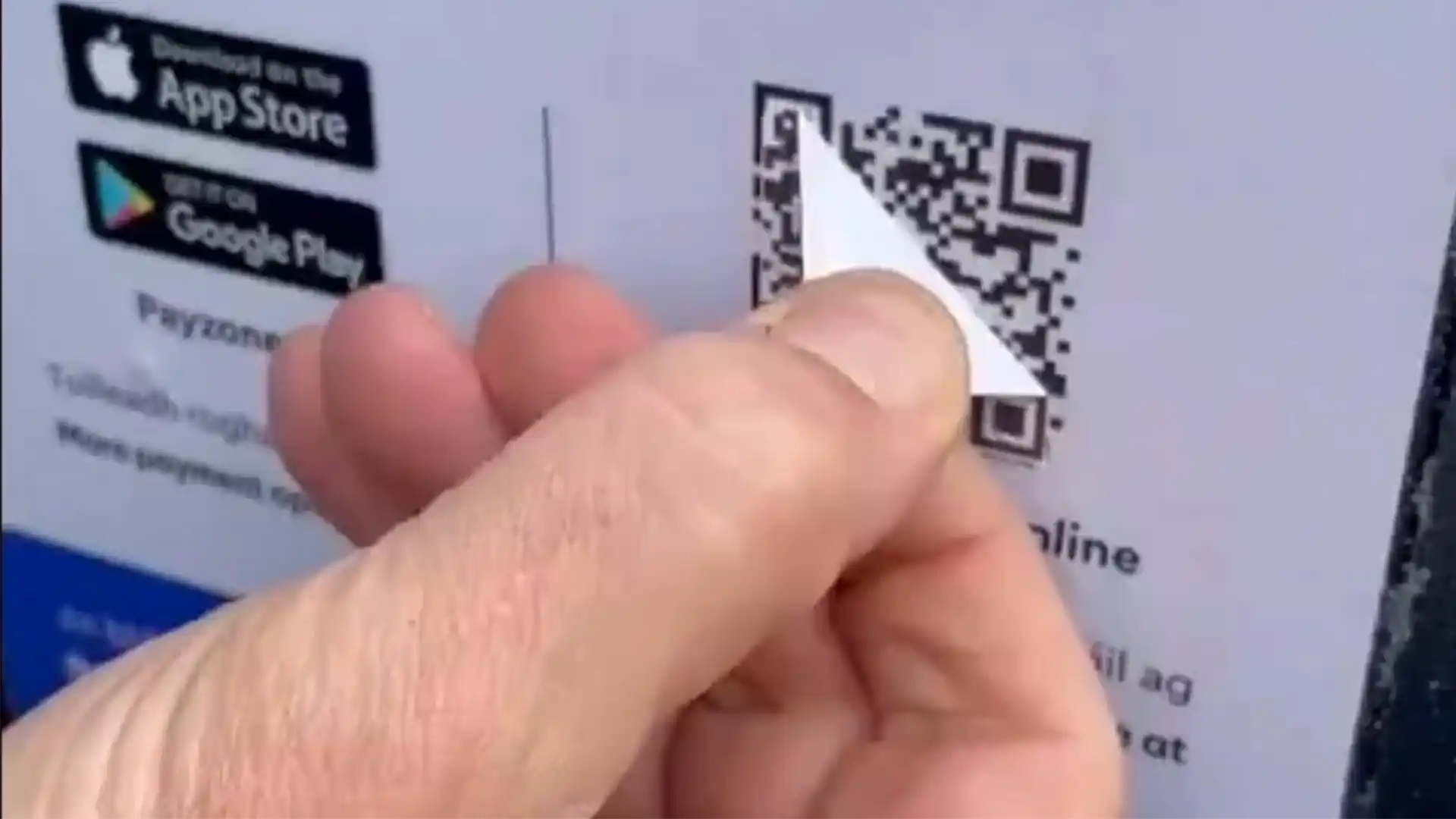
Abu Dhabi Police released a public advisory on Wednesday warning about the growing circulation of fraudulent QR code stickers appearing across various public areas. Officials cautioned that these codes could be exploited in cybercrime operations aimed at stealing personal and banking details.
According to police, scammers have been attaching fake QR stickers resembling official payment codes on payment machines, parking meters, vehicle dashboards, and other prominent surfaces. When scanned, these fake codes lead users to deceptive websites that request card information or personal details, leaving victims vulnerable to hacking and monetary losses.
Authorities advised the public to remain vigilant and emphasised that all payments should be completed only through verified, authorised applications or trusted government platforms. Residents were also urged to avoid scanning QR codes if their origin is uncertain or if they are not part of an official notice or display.
Comparable alerts have also been released in Dubai and highlighted by Khaleej Times after an online video revealed counterfeit QR codes placed over parking operator Parkin’s official posters.
Dubai’s Roads and Transport Authority (RTA), along with Parkin, warned drivers and residents to avoid scanning unauthorised QR codes found on parking meters or payment terminals.
Both organisations clarified that genuine QR codes are clearly identified and connected exclusively to approved payment systems, advising the public to stay alert and report any suspicious stickers discovered on public facilities.
What are parking QR codes?
Across Dubai, all parking signs feature QR codes to simplify parking fee payments. Motorists can save 30 fils by choosing mobile payment or the mParking service instead of paying via SMS.
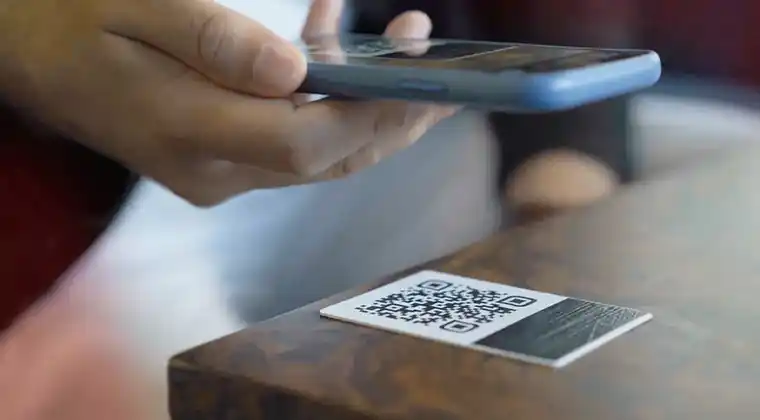
The process is simple — users scan the QR code, triggering an “App Clips” feature. App Clips is not a separate app to download but a function within the Parkin App. It appears after scanning the code and allows users to conveniently pay parking charges using the bank card saved on their mobile device.
UAE authorities reiterated that raising public awareness and ensuring quick reporting are essential steps in preventing cybercrime and safeguarding individuals from financial losses.
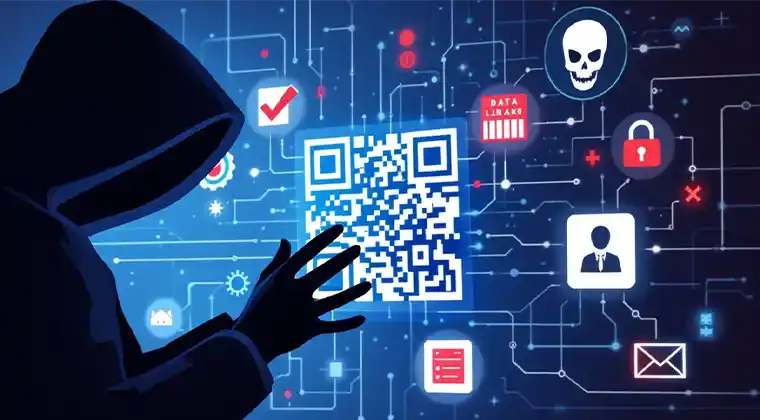
Comparable alerts have also been released in Dubai and highlighted by insider18 after an online video revealed counterfeit QR codes placed over parking operator Parkin’s official posters.
Dubai’s Roads and Transport Authority (RTA), along with Parkin, warned drivers and residents to avoid scanning unauthorised QR codes found on parking meters or payment terminals.
Both organisations clarified that genuine QR codes are clearly identified and connected exclusively to approved payment systems, advising the public to stay alert and report any suspicious stickers discovered on public facilities.
What are parking QR codes?
Across Dubai, all parking signs feature QR codes to simplify parking fee payments. Motorists can save 30 fils by choosing mobile payment or the mParking service instead of paying via SMS.
The process is simple — users scan the QR code, triggering an “App Clips” feature. App Clips is not a separate app to download but a function within the Parkin App. It appears after scanning the code and allows users to conveniently pay parking charges using the bank card saved on their mobile device.
UAE authorities reiterated that raising public awareness and ensuring quick reporting are essential steps in preventing cybercrime and safeguarding individuals from financial losses.
Officials explained that fraudsters often target routine activities such as parking, knowing people are less cautious during everyday transactions. By copying official branding and placing fake QR codes in familiar locations, scammers increase the chances of users scanning without checking authenticity. Authorities advised motorists to carefully inspect parking signage for signs of tampering, such as overlapping stickers or poor print quality. Users were also encouraged to rely only on bookmarked or official apps rather than scanning codes in a hurry. Any suspicious QR codes should be reported immediately through official RTA or police channels to allow swift removal and investigation.
Cybersecurity experts noted that QR code scams are rising globally as contactless payments become more common. Unlike suspicious links in messages, QR codes are harder to verify visually, making them attractive tools for cybercriminals. UAE authorities stressed that protecting digital safety is a shared responsibility between institutions and the public. Regular awareness campaigns, timely alerts, and cooperation from residents play a vital role in reducing risks. By staying informed, verifying payment sources, and reporting irregularities, individuals can help limit cybercrime and ensure safer use of digital payment services across public spaces.