A 4.3-magnitude earthquake struck Saudi Arabia, raising questions across the region about its reach. Residents in the UAE are wondering whether the tremor could be felt beyond the kingdom’s borders.
Saudi Arabia experiences 4.3-magnitude tremor; was it noticeable in UAE?
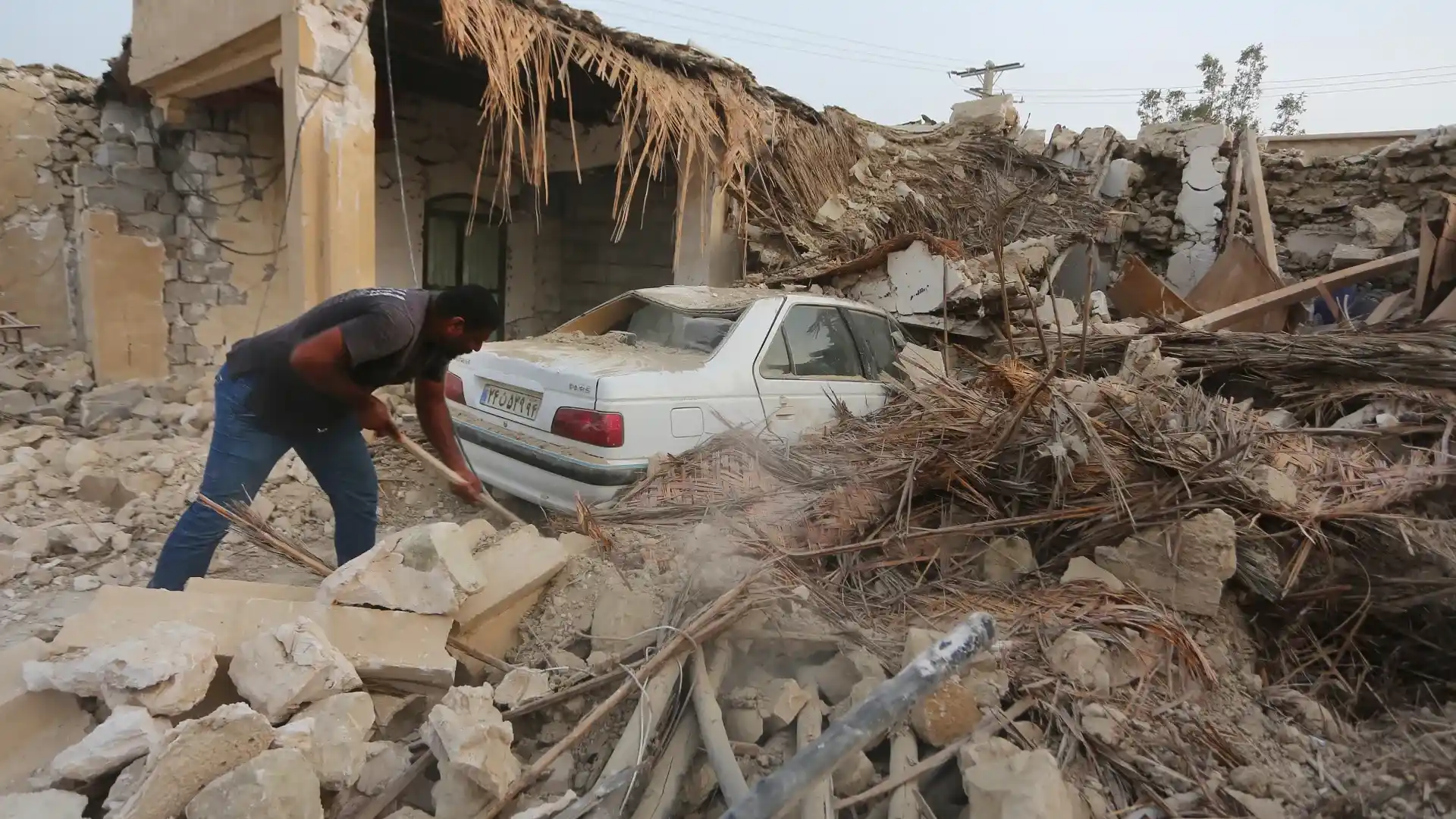
In the early hours of Wednesday, December 17, a moderate earthquake measuring 4.3 on the Richter scale was recorded in Saudi Arabia, according to information released by the National Centre of Meteorology (NCM). The seismic event specifically affected the Eastern Province, one of the kingdom’s key regions. Residents in the area were woken by the tremor, which occurred at 2:11 a.m. local time, when most people were asleep. The early timing contributed to both surprise and concern, though reports suggest there was no significant damage.
The NCM confirmed that the quake originated at a depth of approximately 50 kilometers beneath the Earth’s surface. Earthquakes at this depth are typically classified as intermediate, meaning that while the tremor can be felt on the surface, the intensity tends to decrease as distance from the epicenter increases. Experts often monitor such events closely, particularly in regions like the Eastern Province, which, while not the most seismically active in the kingdom, has experienced tremors in the past due to tectonic activity along the Arabian Plate.
Authorities and meteorological experts emphasize the importance of preparedness, even in areas that do not regularly experience strong earthquakes. Residents are advised to stay informed through official channels and follow safety protocols in the event of tremors. Early morning earthquakes, while less likely to cause immediate injuries due to the time of day, can still trigger alarm, particularly among communities unaccustomed to seismic activity.
Local and regional monitoring teams were quick to record the event, confirming the magnitude and depth while assessing any potential impact on surrounding areas. Although the tremor was moderate, awareness about such seismic events highlights the importance of emergency planning, building resilience, and maintaining vigilance across regions prone to occasional earthquakes.
The NCM continues to track seismic activity across the kingdom and provides regular updates to the public to ensure that residents are informed of any changes or aftershocks that may follow the initial tremor. By reporting accurate information, authorities aim to reduce panic, provide guidance, and help communities respond safely to natural events such as this earthquake in the Eastern Province.
The National Seismic Network, operated by the National Centre of Meteorology (NCM), confirmed that the recent 4.3-magnitude earthquake in Saudi Arabia had no measurable effect on the United Arab Emirates, and residents across the Emirates did not feel any shaking. While earthquakes are relatively uncommon in the UAE itself, the region is not entirely free from seismic activity due to its proximity to tectonically active areas.
Earlier this year, in April, both the UAE and Saudi Arabia recorded a similar 4.3-magnitude earthquake originating in the Arabian Sea, near the Kingdom’s borders. That tremor was linked to the movement of the Arabian Plate and the resulting stress along older fault lines in the region. Geologists explain that the collision of the Arabian Plate with the Eurasian Plate generates pressure along these faults, which occasionally releases in the form of earthquakes. These tectonic interactions are a natural part of the region’s geological framework, even if the UAE experiences only mild tremors most of the time.
The Gulf region sits relatively close to several countries that experience frequent seismic activity, including Iran, Iraq, and Oman. As a result, larger earthquakes in these neighboring areas can sometimes be felt in the Emirates, particularly in the northern regions closer to Oman. For instance, on November 4, a 4.6-magnitude earthquake struck southern Musandam, and the tremors from that event were perceptible to people in parts of the UAE.
While earthquakes in the UAE are rare, these instances serve as reminders of the underlying seismic activity in the broader Gulf region. Authorities and experts continue to monitor fault lines and seismic events closely, providing timely information and guidance to ensure public awareness. By tracking regional earthquakes, the NCM and related organizations help residents understand potential risks and remain prepared, even in areas that typically experience only minor tremors.
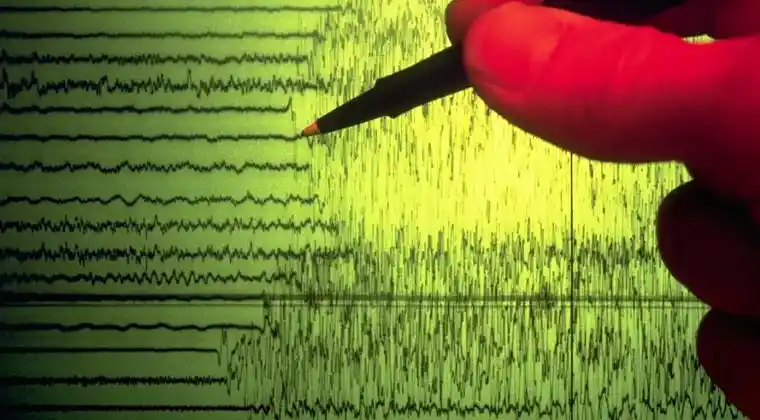
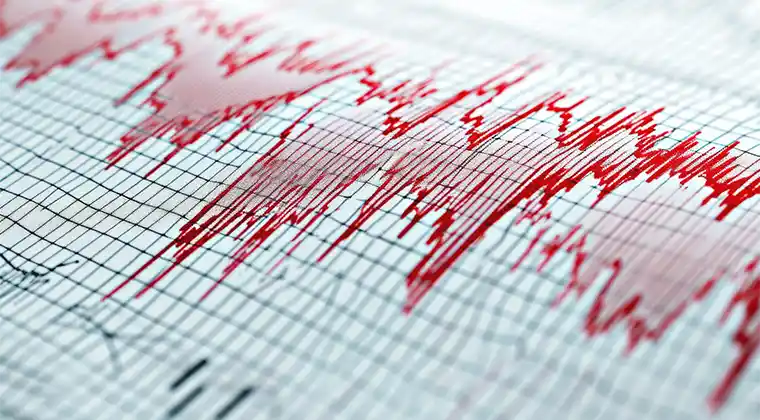
On December 1, Bahrain experienced a minor earthquake measuring 3.3 in magnitude during the early morning hours. While the tremor was recorded by regional monitoring networks, there were no reports of it being felt within the UAE, and residents across the Emirates did not notice any shaking. Similarly, Iraq experienced a stronger seismic event on November 22, when a magnitude 5.0 earthquake occurred at a depth of 30 kilometers. Despite the relatively high magnitude, there were no effects reported in the UAE, underscoring the country’s distance from the epicenter and the depth at which the quake occurred.
Earlier in the year, in August, another earthquake was recorded in Oman’s Madha region, measuring 2.2 in magnitude. Madha is an Omani exclave entirely surrounded by UAE territory, located roughly halfway between the Musandam Peninsula and the main part of Oman, within the emirate of Fujairah. Although geographically encircled by the UAE, Madha is administered as part of Oman’s Musandam Governorate. Earthquakes in this area are uncommon, but minor tremors occasionally occur due to regional tectonic activity.
While the UAE is not situated in a major earthquake zone, the country does occasionally experience light tremors. This is largely due to its proximity to the Zagros mountain range, a highly active seismic belt that stretches across Iran and Iraq. The movement and collision of tectonic plates in this region generate significant geological stress, which can result in earthquakes, some of which are strong enough to be felt even hundreds of kilometers away. For instance, on August 22, the Safad area in Fujairah registered a minor tremor of magnitude 3.3.
In a previous interview with Insider 18, Mohamed Alhassani, acting head of the Seismic Monitoring Section at the National Centre of Meteorology (NCM), explained that the Zagros range frequently experiences seismic activity, sometimes producing powerful earthquakes. “Although many of these quakes occur far from the UAE, the resulting tremors can occasionally be felt, particularly in the Northern Emirates,” he said. Alhassani emphasized that these events are a natural outcome of the region’s tectonic dynamics, and even though the UAE itself is not highly prone to earthquakes, monitoring and awareness remain important for public safety.
Through ongoing seismic observation and reporting, authorities continue to track regional activity to inform residents about potential tremors and their origins, helping communities understand the natural forces at work around the Gulf.