A rescue centre located in the mountains of Ras Al Khaimah is providing care, protection, and a new beginning for abused and abandoned horses and donkeys across the UAE.
UAE rescue shelter in RAK mountains gives abused and abandoned horses and donkeys a safe haven.
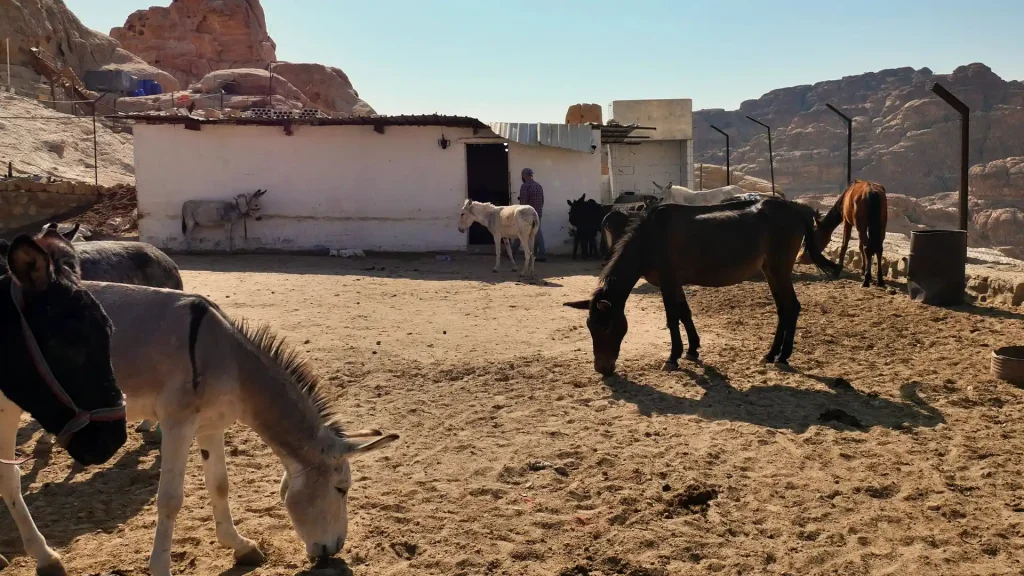
Hidden among the rugged terrain of Ras Al Khaimah lies a peaceful refuge dedicated to the wellbeing of horses and donkeys that have been neglected, overworked, or left behind. This modest sanctuary provides a safe environment for animals that are no longer able to serve in demanding roles because of advancing age, physical injuries, or traumatic experiences. Instead of being expected to perform or meet human demands, the animals are given the freedom to rest, heal, and rediscover a sense of calm in their own time. Life at the shelter moves at a gentle pace, allowing each animal to adjust according to its individual needs and comfort level.
The focus of the sanctuary is not only on physical recovery but also emotional healing. Many of the rescued animals arrive fearful or withdrawn after years of hardship. Through patience, routine care, and a stress-free environment, they gradually regain trust and confidence. Open spaces allow them to move freely, graze, and interact naturally with others, while attentive caretakers monitor their health and wellbeing without imposing unnecessary pressure.
In addition to serving as a place of refuge, the centre invites the public to engage with the animals in a respectful and thoughtful manner. Visitors are encouraged to connect through calm, non-intrusive activities that prioritise the animals’ comfort. Rather than traditional riding or training sessions, interactions are designed to be low-impact and meaningful. Guests may accompany the horses and donkeys on relaxed walks or take part in guided outings through the surrounding natural scenery, fostering companionship rather than control.
These carefully managed experiences help educate visitors about ethical animal care and the importance of compassion. By allowing people to spend quiet time with the animals, the shelter promotes understanding of their needs and boundaries. The goal is to create positive human-animal relationships built on trust, respect, and empathy. Through this approach, the sanctuary not only offers a second chance to vulnerable animals but also encourages a more mindful and humane connection between people and equines.
Yasmin Syed, the founder and caretaker of the sanctuary, believes that the quiet interactions offered at the refuge are deeply meaningful for both humans and animals. She explains that the horses and donkeys under her care spent much of their lives being treated as tools rather than living beings. At the sanctuary, that dynamic is intentionally reversed. The animals are not required to perform, obey, or provide any service in return. Instead, they are valued simply for existing. According to Syed, many of them respond positively to gentle attention, peaceful surroundings, and the simple presence of people who expect nothing from them.
Syed’s journey to establishing the sanctuary was not a carefully mapped plan, but rather a series of experiences shaped by time, passion, and circumstance. She has lived in the UAE for more than 20 years, first arriving in 2004. During her early years, she moved between several emirates before eventually making Ras Al Khaimah her home. Much of her life during that period revolved around horses. Based in Dubai for many years, she built a career as an endurance rider, competing professionally and spending countless hours training and travelling for events.
However, the physical demands of competitive riding eventually took their toll. A series of injuries forced her to reconsider her future in the sport, leading her to step away from professional competition. For a short time, Syed explored a completely different creative path, working in fashion design. While fulfilling in its own way, it never fully replaced her deep connection with horses.
Her return to the equine world came not through racing or competition, but through compassion and responsibility. Syed emphasises that the idea of founding a rescue centre was never part of her original vision. Instead, the sanctuary began organically, sparked by a single, life-changing encounter. One horse, abandoned by its owners after falling ill, became the catalyst for everything that followed.
The animal had been diagnosed with motor neurone disease, a serious and progressive neurological disorder in horses that affects movement and coordination, similar in many ways to multiple sclerosis in humans. Faced with the diagnosis, veterinarians recommended euthanasia, which is often considered the most practical solution in such cases. Yet Syed could not bring herself to accept that outcome. She believed the horse still deserved dignity, comfort, and care, regardless of its condition.
Choosing to take responsibility for the animal marked a turning point. Providing ongoing care required time, financial commitment, and emotional resilience, but it also gave Syed a renewed sense of purpose. From that first rescue, the sanctuary slowly grew, welcoming other horses and donkeys that had been neglected, overworked, or discarded.
Today, Syed’s work reflects a philosophy rooted in empathy rather than utility. Her approach challenges the idea that animals must earn their care through service. Instead, the sanctuary stands as a place where healing is unhurried, relationships are mutual, and every animal is given the chance to live out its life with dignity, safety, and peace.
“She wasn’t offering sympathy,” she explained. “What he needed was a companion to share the experience alongside him.”
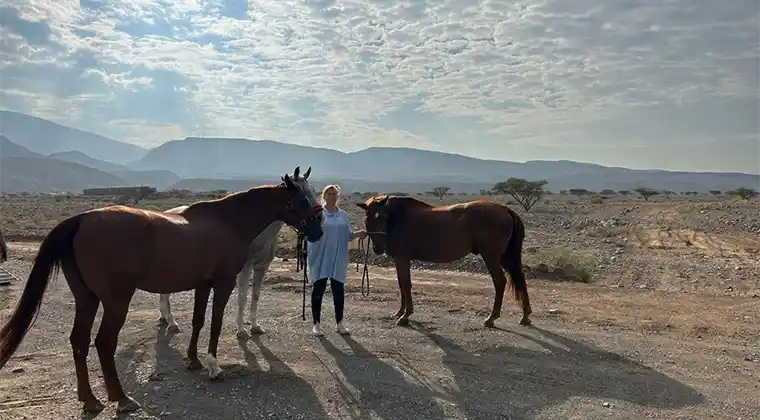
Defying medical expectations and facing the challenge without any financial safety net, Yasmin made the decision to take the ailing horse into her care. What began as a personal act of compassion soon attracted support from unexpected corners. Individuals inspired by her dedication contributed small donations, while feed suppliers stepped in with regular assistance to help sustain the horse’s daily needs. Through attentive care, proper nutrition, and consistent attention, the horse managed to live for another twelve years, only passing away recently in September. This remarkable outcome, achieved against all odds, became a turning point for Yasmin and her work.
“It was then that people began to place their trust in me,” Yasmin reflected. “They could see that the horse had survived, that he had lived with dignity and respect.” That one successful rescue demonstrated the possibility of giving abandoned or ill horses a meaningful life, and it laid the foundation for what would later grow into a fully operational sanctuary.
From that initial single animal, her efforts organically expanded into Ride to Rescue, which now provides a safe home for approximately thirty horses, along with a number of donkeys. The animals arrive with varying histories and needs: some are elderly, while others are mere youngsters of around three years old. Yasmin emphasizes that there is no set “retirement age” for these animals. Many arrive far too young, already showing signs of physical or mental strain. Overuse, harsh training, and a lack of understanding about proper care often leave them broken before they have had the chance to live full, healthy lives.
For Yasmin, each animal’s story is a reminder of the consequences of neglect and the importance of early intervention. Ride to Rescue has grown into a place where injured, overworked, and abandoned horses and donkeys can finally heal, both physically and emotionally, in an environment built on patience, understanding, and respect. Through this sanctuary, Yasmin continues to turn compassion into tangible results, giving vulnerable animals the care and dignity they deserve.
Unlike conventional stables, Ride to Rescue operates with a philosophy that prioritizes the needs and autonomy of the horses over human convenience or profit. Here, the animals are not viewed as tools for riding, competition, or income. Many of the horses at the sanctuary spend their entire time unmounted, free to move and interact without expectation or pressure. Yasmin Syed emphasizes that the sanctuary respects each horse’s individual temperament and preferences. She notes that appearances can be deceiving: some animals may seem perfectly healthy and capable, yet they react with fear or anxiety at the sight of a saddle. Conversely, other horses who face long-term physical challenges may show excitement and eagerness when presented with a bridle, expressing a genuine desire to engage in controlled activity.
The sanctuary’s approach is built around choice and consent. Rather than forcing participation, caretakers carefully observe the animals’ reactions and respond to their comfort levels. This method ensures that every interaction is positive, reduces stress, and allows the horses to develop trust in humans again after past experiences of neglect or abuse.
Public access to the shelter is tightly controlled, with visits allowed only by appointment. This ensures a calm, safe environment for the animals and prevents them from being overwhelmed by crowds or unprepared visitors. When riding is permitted, it is highly restricted and conducted under strict supervision, with a focus on gentle guidance rather than performance or training. Every aspect of the sanctuary is designed to prioritize the welfare, autonomy, and mental wellbeing of the horses, creating a space where they can recover, thrive, and express themselves freely.
“This isn’t about business or entertainment,” Yasmin explained. “Every animal that comes here becomes part of our family. None of them are for sale.” Most of the horses spend their days outdoors, freely roaming expansive paddocks rather than being confined to traditional stalls. This approach emphasizes not just their physical recovery but also their mental and emotional wellbeing.
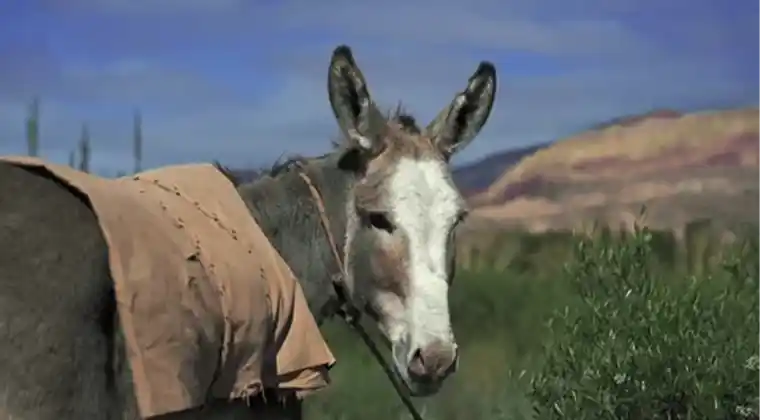
“In typical stables, horses are often boxed in,” Yasmin said. “Here, they have space to walk, rest under the shade of trees, and explore the nearby mountains. We aim to provide them with a life that feels natural and fulfilling.” The sanctuary is also home to several donkeys, including a local favourite who wandered in on his own and has stayed ever since. “He arrives right at feeding time and then vanishes again,” Yasmin laughed. “We call him Don Romano.”
For Yasmin, engaging the public is about fostering awareness of the long-term responsibility that comes with caring for animals. “These creatures didn’t choose the hardships they’ve faced,” she said. “Supporting sanctuaries like this means being committed to their wellbeing, even beyond initial rescue efforts.”
The sanctuary operates entirely through public generosity, which funds essentials such as feed, veterinary care, and facility upkeep. Visitors can participate through guided walks and hikes with the horses and donkeys, a gentle and structured way to connect without demanding performance or training. Yasmin emphasizes that this system allows people to contribute meaningfully while keeping the focus firmly on the animals’ health, comfort, and happiness.