Indigo’s Chairman has spoken out regarding concerns over pilot fatigue and recent flight cancellations, offering a public apology through a video statement and acknowledging the impact on passengers.
Indigo Chairman addresses pilot fatigue issues and flight disruptions, issuing an apology in a video message.
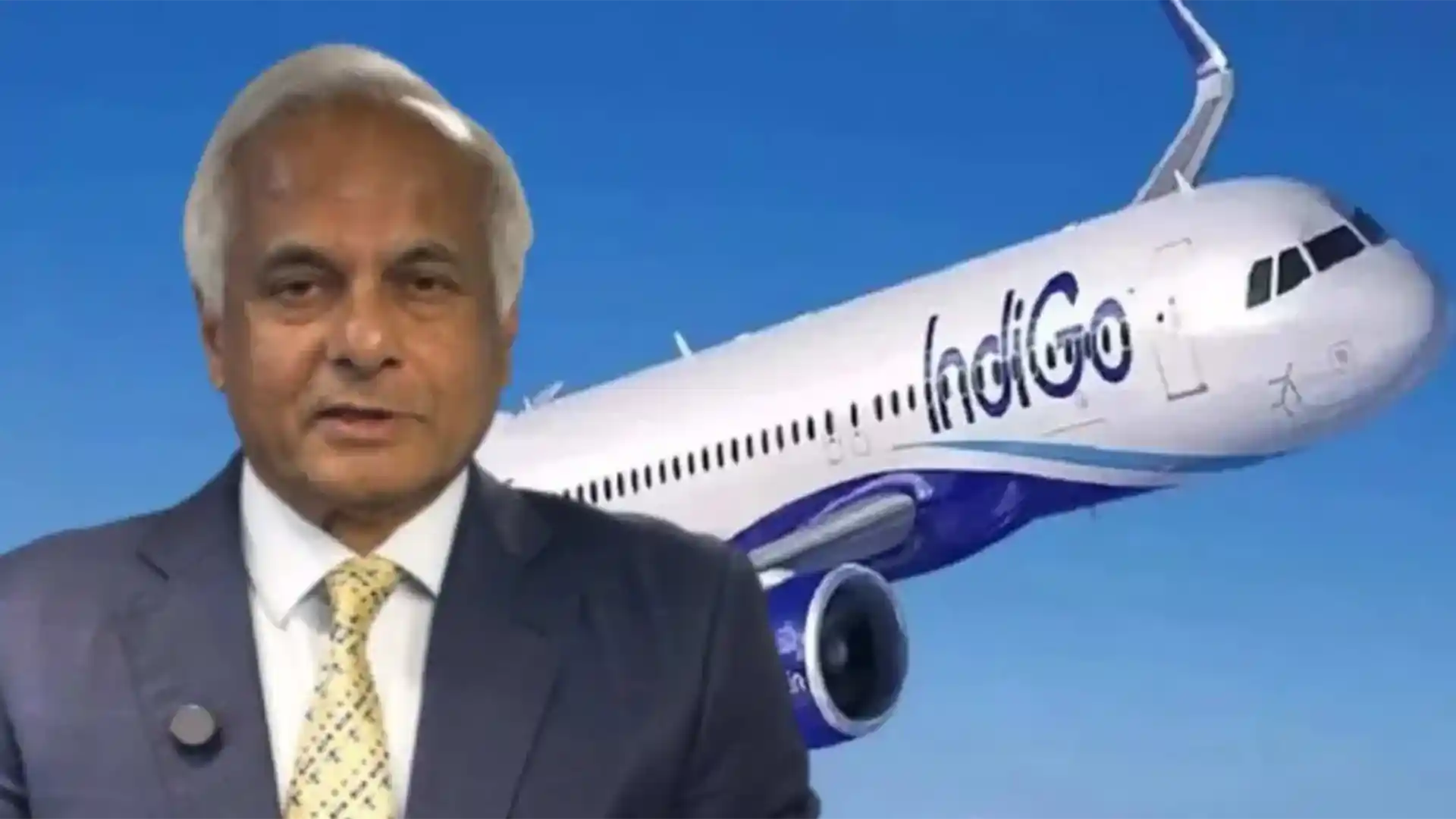
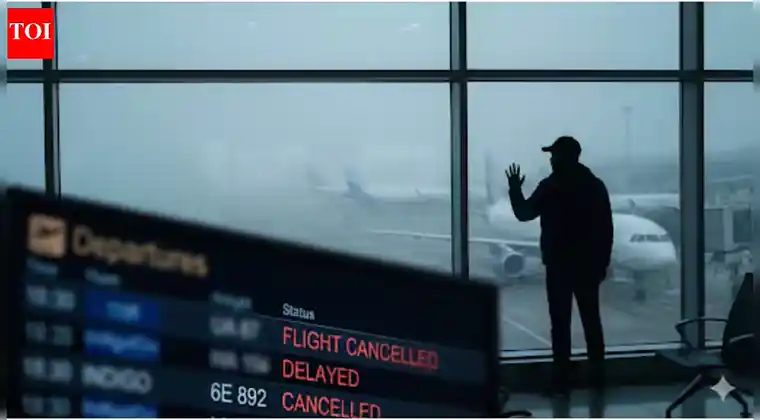
After experiencing more than a week of significant operational disruptions, Indigo is gradually stabilising following the cancellation of thousands of flights, which caused widespread chaos at airports across India and left countless passengers grappling with delays, missed connections, and other travel-related challenges. In the midst of this turmoil, the airline’s Chairman, Vikram Singh Mehta, came forward on Thursday to address the situation and offer an apology to affected travelers.
In a video message lasting around seven minutes, Mehta introduced himself as the Chairman of the Board of Directors of InterGlobe Aviation Limited, the parent company of Indigo. He explained that he had deliberately delayed making a public statement, noting that the Board had prioritised immediate action to manage the crisis before speaking publicly. According to Mehta, their initial focus was on restoring operations as quickly as possible and providing assistance to passengers who had been impacted by the cancellations. This included efforts to rebook affected travelers, coordinate with airport authorities, and ensure that disrupted flights could resume safely and efficiently.
Mehta emphasised that the Board considered this hands-on approach to be their “first duty,” underlining the airline’s commitment to addressing the operational challenges before engaging in formal communication with the public. His statement reflected an acknowledgment of the difficulties faced by passengers, highlighting the company’s awareness of the disruption caused and the importance of regaining customer trust. While the video did not go into extensive detail about the root causes of the operational problems, it served as a public recognition of the scale of the disruption and the responsibility of the airline to manage the situation.
The apology also underscored Indigo’s recognition of the human impact of the disruptions, particularly for passengers who faced long waits, cancelled plans, or significant inconvenience. By addressing the public directly, Mehta aimed to convey both accountability and a commitment to rectifying the situation. The video concluded with reassurances that the airline was actively implementing measures to stabilise operations, improve scheduling, and prevent similar disruptions in the future.
Overall, the Chairman’s message was positioned as a candid acknowledgment of the challenges Indigo faced, coupled with a transparent explanation of why the Board had initially delayed commenting. It sought to balance the airline’s operational priorities with the need to maintain communication with customers, demonstrating a focus on both problem-solving and accountability in the wake of one of the airline’s most significant operational crises in recent memory.
IndiGo, which controls roughly 65 per cent of India’s domestic aviation market, cancelled over 2,000 flights, affecting tens of thousands of travelers and disrupting vacations, weddings, and other plans, marking one of the most severe operational crises in the country’s aviation history. Vikram Singh Mehta stated that the airline has now resumed more than 1,900 flights, restoring connectivity across all 138 destinations, and confirmed that on-time performance has returned to its consistently high standards.
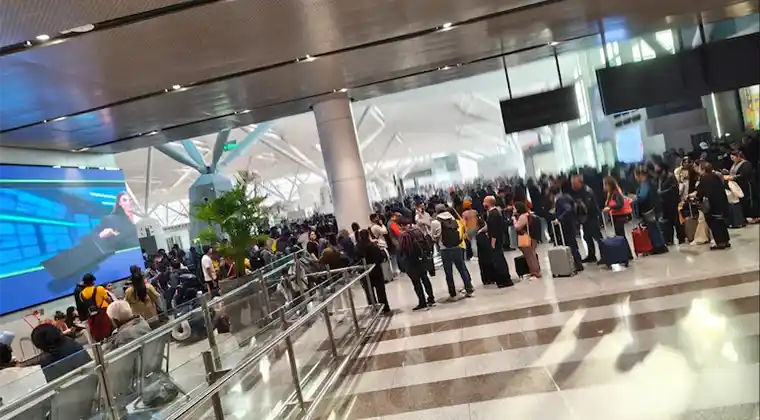
One of the first points Vikram Singh Mehta addressed in his video message was the inconvenience and frustration endured by passengers due to the airline’s recent disruptions. He acknowledged the impact on travelers who had their appointments, flights, and personal plans disrupted, and recognised the tangible losses many experienced as a result. Mehta was straightforward in expressing regret, saying, “I want to say very simply and very clearly: we are sorry.” This statement mirrored the apologies the airline had issued across multiple platforms in the past days, showing a consistent effort to communicate accountability to the public.
Beyond expressing regret, Mehta highlighted that the airline has a broader responsibility to several stakeholders, including its customers, government authorities, shareholders, and employees. He emphasised that IndiGo has an obligation to provide explanations regarding the operational failures, as well as the steps being taken to rectify them. By acknowledging these obligations, he underscored the importance of transparency and accountability, signalling that the airline is taking the disruptions seriously and is committed to learning from the incident.
Mehta also addressed the criticism that had emerged during the crisis. He recognised that the airline had faced substantial public scrutiny, noting that while some of it may have been excessive or unfounded, there were legitimate grievances. “Over the past week, there has been a lot of criticism — some fair, some not. The fair criticism is that the airline let you down,” he stated, directly accepting responsibility for the failures that affected passengers. By distinguishing between justified feedback and less constructive commentary, Mehta reinforced the airline’s willingness to confront mistakes, improve operations, and restore trust with those impacted by the disruptions.
Overall, his remarks conveyed a tone of accountability and empathy, focusing both on the immediate consequences for passengers and the broader responsibilities of the airline to all its stakeholders. The acknowledgment of mistakes and the public apology aimed to reassure customers that IndiGo is committed to addressing the issues and preventing similar disruptions in the future.
Rejects false claims, clarifies causes
In his detailed statement, Vikram Singh Mehta also addressed and dismissed certain allegations circulating in the media. He said, “Some of the claims are simply untrue: that IndiGo deliberately created the crisis, attempted to influence government regulations, compromised passenger safety, or that the Board was uninvolved. These assertions are incorrect.”
Mehta stressed that the airline has been fully adhering to the newly introduced pilot fatigue rules and insisted that IndiGo never tried to circumvent them. He explained that the operational disruptions resulted from a mix of internal challenges and unforeseen external factors, rather than any deliberate wrongdoing by the airline.
He outlined several key contributors to the disruption, including minor technical faults, schedule adjustments associated with the onset of the winter season, adverse weather, increased congestion within India’s aviation system, and the introduction of operations under updated crew rostering regulations.
“This is not an attempt to make excuses; it is the factual explanation,” he said. “The convergence of these factors placed extraordinary pressure on our systems, pushing them beyond their designed capacity.”
By providing these clarifications, Mehta aimed to set the record straight, emphasising that the airline’s operations were impacted by a combination of procedural, environmental, and systemic challenges, rather than negligence or intentional mismanagement.
IndiGo’s operational crisis came at a particularly sensitive period for both the airline and the broader industry. Its main competitor, Air India—which holds around 27 per cent of the domestic market and remained under government ownership until 2022—has long faced criticism for an ageing fleet and inconsistent service. The airline has also been under heightened scrutiny following a tragic crash in June that claimed 260 lives.
Addressing how IndiGo managed the disruptions, Chairman Vikram Singh Mehta explained that the company convened a Board meeting and established a dedicated crisis management team. Since then, Board members have maintained constant communication with the management team to oversee the response.
The focus of the team, according to Mehta, was on resuming normal flight operations, assisting affected passengers, maintaining clear and transparent communication, and implementing measures to ensure such disruptions do not recur in the future. He noted that these efforts helped operations return to normal sooner than expected.
Mehta also highlighted that refunds amounting to several hundred crores of rupees have already been processed, while passengers were provided with hotel accommodations and travel assistance where necessary. Remaining delayed baggage is being delivered, completing the airline’s comprehensive response to mitigate the impact of the crisis.
Rebuilding trust will be challenging
Acknowledging the mistakes and reiterating his apology, Vikram Singh Mehta admitted that the airline had fallen short. “There is no denying that last week’s events are a blemish on IndiGo’s otherwise spotless record,” he said. He emphasised that restoring passenger confidence will be a difficult process. “Rebuilding trust will rely on tangible actions, not just words. It is a journey, and the first step is to issue an unconditional apology,” Mehta added, speaking in his capacity as Chairman of the Board.
Government orders flight reductions
In response to the crisis, Indian authorities have instructed IndiGo to reduce its planned flights by 10 per cent. The cut, which comes after an initial directive of five per cent, was announced by Civil Aviation Minister Ram Mohan Naidu on X following discussions with IndiGo CEO Pieter Elbers. Elbers had cancelled a major public appearance at an industry event in London to manage the situation on the ground.
The reduction will result in at least 220 fewer daily flights, calculated based on the airline’s pre-November 1 schedule, prior to the introduction of new pilot rest and duty regulations. Minister Naidu explained that the decision aims to stabilise operations and minimise cancellations. “The Ministry considers it necessary to scale back IndiGo’s routes, which will help the airline stabilise its network and reduce the frequency of flight disruptions,” he said in the announcement, highlighting the government’s intent to ensure smoother operations for both the airline and passengers.
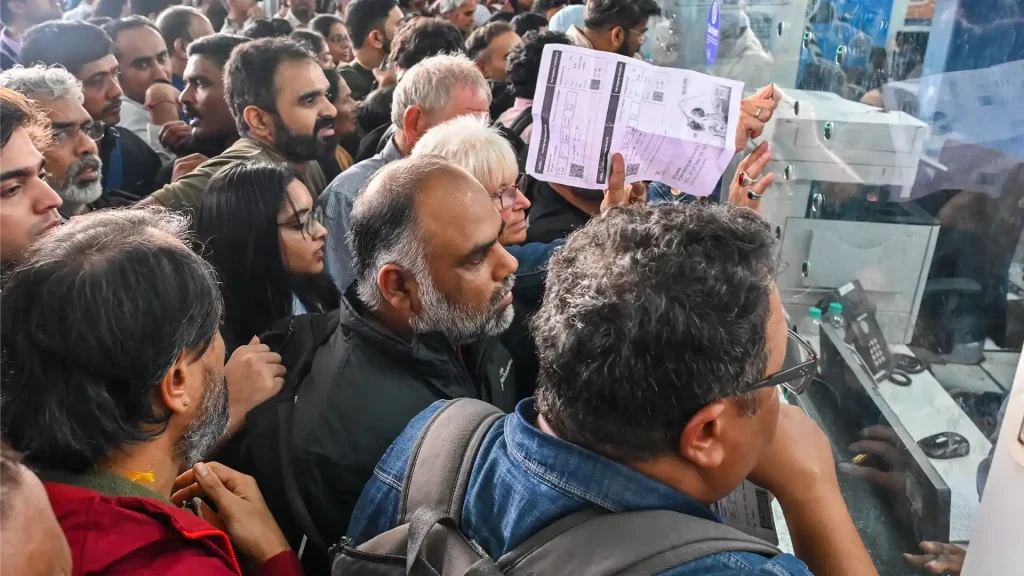
IndiGo confirmed late Tuesday that it had received instructions from the Directorate General of Civil Aviation (DGCA) to cut 10 per cent of its domestic winter schedule across all routes.
Effects on the airline
On Wednesday, IndiGo announced adjustments to its third-quarter projections, reflecting the impact of the DGCA directive. The airline stated that it has lowered both its capacity and passenger unit revenue expectations for the quarter.
Previously, IndiGo had forecast third-quarter capacity growth in the “high teens” percentage range. Following the reduction, the airline now anticipates growth in the “high single digits to early double digits” instead. Similarly, passenger unit revenue is expected to experience a downward adjustment of “mid-single digit percentages,” compared with the earlier forecast, which had projected flat to modest growth.
These revisions indicate the significant operational and financial implications of the regulatory order, highlighting the challenges IndiGo faces in stabilising its network while maintaining revenue performance amid ongoing disruptions.