Unesco has officially recognised the Arabic bisht and the traditional zaffa ceremony by adding both to its Intangible Cultural Heritage list, highlighting their cultural significance and deep historical roots across the region.
Arabic bisht, zaffa inscribed on Unesco’s Intangible Cultural Heritage list.
The Arabic bisht, a finely crafted cloak traditionally worn by men across the Arab world on significant occasions, and the zaffa, the lively and ceremonial wedding march, have now earned a prominent place on the Unesco Representative List of the Intangible Cultural Heritage of Humanity. With this recognition, two of the region’s most cherished cultural traditions are being celebrated on a global stage, highlighting their enduring importance within Arab society and their role in preserving identity, craftsmanship, and communal expression.
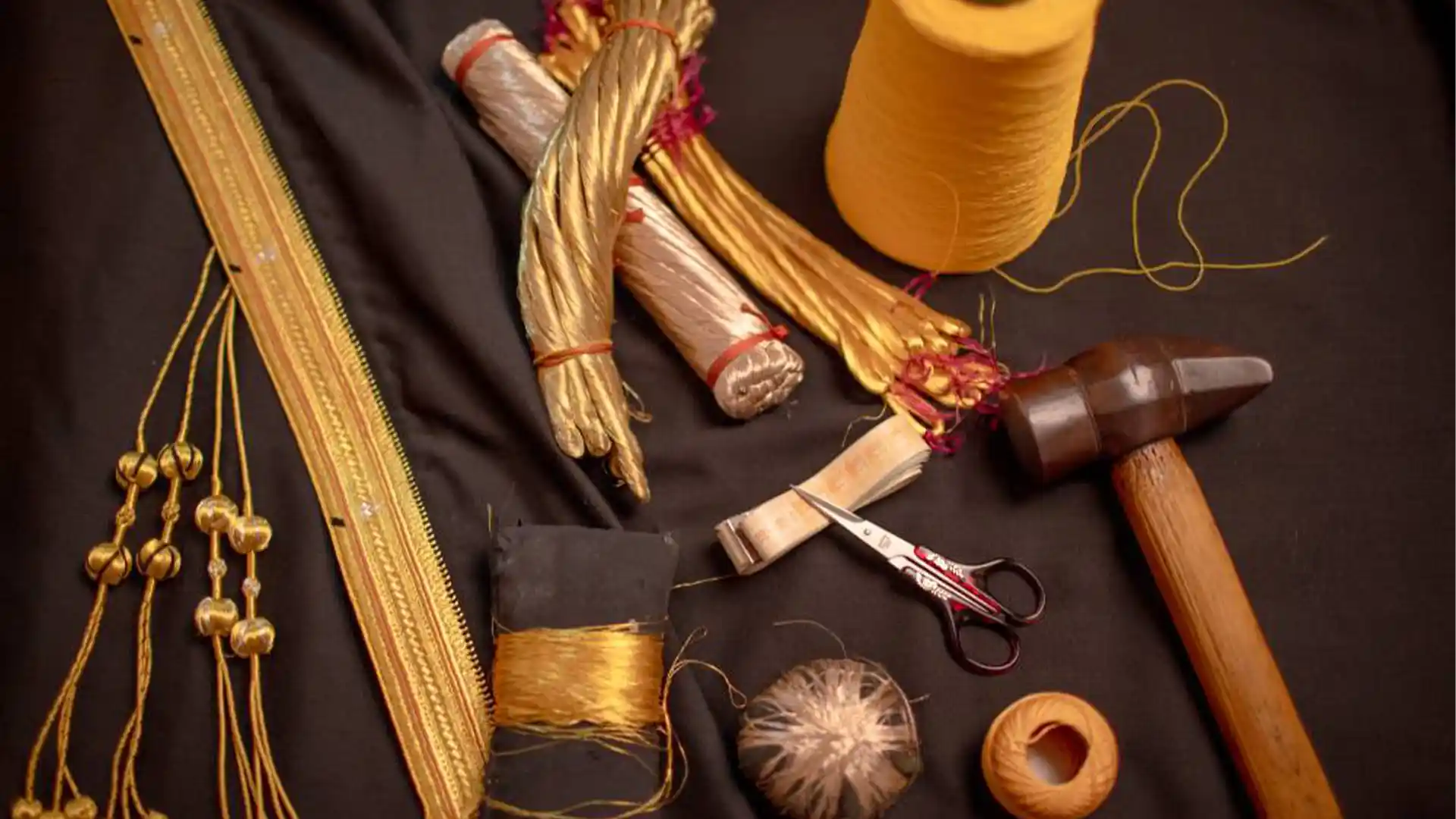
The bisht, long associated with dignity, prestige, and social honour, remains a key piece of ceremonial attire at weddings, religious celebrations, and important public gatherings. It is typically made from high-quality wool or camel hair and often features meticulous hand-embroidered trim, with artisans spending weeks or even months perfecting a single garment. Its inclusion on Unesco’s heritage list shines a spotlight not only on the cloak itself but also on the skilled craftspeople who keep this centuries-old tradition alive through their dedication to detailed workmanship.
Similarly, the zaffa represents one of the most joyous and symbolic customs in the Arab world. This traditional wedding procession—combining drums, music, singing, dancing, and sometimes even swords or decorative props—marks the celebratory journey of the bride and groom as they are guided towards their marriage ceremony. Passed down from generation to generation, the zaffa brings family and friends together, weaving music, movement, and emotion into a shared cultural experience. Its recognition underscores the importance of communal art forms that strengthen social bonds and preserve cultural continuity.
Unesco’s announcement this year included not only these two Emirati and Arab contributions but also a rich assortment of traditional practices, craftsmanship techniques, and festive rituals from various parts of the world. Cultural elements from the UAE, India, Pakistan, the Philippines, Bangladesh, and several other countries were added across the organisation’s two major intangible heritage lists. Each entry highlights a living tradition that communities continue to practice, safeguard, and transmit to future generations.
The expansion of these lists demonstrates Unesco’s commitment to celebrating human creativity and cultural diversity. From the intricate textile arts of South Asia to musical traditions of Southeast Asia and communal rituals preserved in the Gulf region, the newly inscribed items reflect a broad spectrum of intangible heritage that shapes identity and collective memory. These recognitions also encourage countries to protect their traditions more actively—supporting artisans, documenting practices, and ensuring that younger generations remain connected to the cultural roots that define their communities.
For the UAE and the broader Arab world, the inclusion of the bisht and the zaffa serves as a meaningful acknowledgment of the cultural richness embedded within everyday life, ceremonies, and craftsmanship. It affirms the significance of regional customs on the global stage, helping to preserve them at a time when rapid modernization can sometimes overshadow traditional practices. By being inscribed on Unesco’s heritage list, these traditions gain renewed visibility, encouraging deeper appreciation both locally and internationally for the artistry, symbolism, and history they carry.
The bisht, also known as the men’s abaa, is a distinguished outer cloak traditionally worn across the Arab world on important and meaningful occasions. This elegant garment, typically associated with dignity, formality, and cultural pride, is brought out during significant life events such as weddings, the birth of a child, funerals, major family gatherings, formal ceremonies, national celebrations, and religious festivals.
Unlike everyday attire, the bisht is reserved for moments that hold emotional or social weight. It is crafted from lightweight yet high-quality fabric—often wool or camel hair—and features delicate embroidery, usually along the edges and around the neckline, symbolizing refinement and prestige. The process of making a bisht is highly specialised, requiring artisans with deep knowledge of weaving, tailoring, and traditional finishing techniques.
When worn, the bisht is placed gently over the shoulders and allowed to fall naturally along the body. It is wrapped slightly across the chest and held with one hand, giving the wearer a poised and stately appearance. This style of draping leaves the right hand uncovered, allowing for easy greetings, handshakes, or participation in ceremonial rituals. The open and flowing shape of the garment adds to its graceful movement, making it visually striking at celebrations and official events.
According to Unesco’s cultural description, the bisht carries symbolic value beyond its physical form. It represents respect, heritage, and continuity—elements passed from one generation to the next. Fathers may gift bishts to sons, or elders may wear them to signify wisdom and leadership within the community. Today, while modern fashion trends continue to evolve, the bisht remains firmly rooted in tradition, preserving its role as a marker of honour and cultural identity across the Gulf region and beyond.
According to Unesco, the bisht is worn across a wide stretch of the Arab world, including countries such as the UAE, Qatar, Bahrain, Iraq, Jordan, Kuwait, Oman, Saudi Arabia and Syria. While the cloak is recognisable throughout these regions, its cut, colour, fabric weight and decorative details often differ depending on local traditions, weather conditions, and even the time of day it is meant to be worn. Artisans typically use natural fibres to craft it, drawing on materials like wool, camel hair or goat hair, each adding its own texture and warmth to the garment.
Alongside the bisht, the zaffa has also been added to Unesco’s list. This joyful and symbolic wedding procession represents the moment a couple moves from singlehood into married life. The tradition is full of energy, blending music, rhythmic drumming, dancing and communal celebration. The zaffa remains an important part of wedding customs in countries such as the UAE, Djibouti, Comoros, Iraq, Jordan, Mauritania and Somalia, where families gather to honour the bride and groom.
Preparations for the zaffa often begin well before the wedding day. The bride typically undergoes a cleansing or beautification ritual and applies henna designs, a practice believed to offer blessings and protection. Elaborate clothing, jewellery and decorative accessories are selected for both partners to mark the significance of the moment. During the ceremony, families may also perform symbolic acts meant to bring luck and safeguard the marriage—traditions that differ across communities. These gestures can include sharing milk, cracking an egg for good fortune, or placing a relative’s cloak or garment over the couple as a sign of unity and support.


Other Additions to the Intangible Cultural Heritage List
Deepavali (India)
Deepavali—widely known around the world as Diwali—has been recognised by Unesco as one of India’s most significant cultural celebrations. This “festival of lights” is observed each year by countless communities across the country and marks the end of the final harvest cycle as well as the beginning of a new year according to traditional beliefs. Celebrated on the new moon that typically falls in October or November, the festival spans several days and is filled with rituals symbolising the triumph of positivity over negativity and the restoration of hope.
In the lead-up to Deepavali, families thoroughly clean their homes, decorate entrances with colourful rangoli patterns, and illuminate streets, houses and temples with rows of clay lamps, candles and festive lights. Fireworks brighten the night sky while communities gather to exchange sweets, perform prayers, and offer gratitude for prosperity and protection. The festival carries deep spiritual meaning and strengthens social bonds through shared celebrations and long-held traditions.
Traditional Saree Weaving of Tangail (Bangladesh)
The Tangail saree, a hallmark of Bangladeshi textile heritage, has also been honoured on Unesco’s list. This intricate handwoven fabric is primarily crafted by the Basak and Jhola weaving communities, which historically include both Hindu and Muslim artisans working side by side. Using cotton, silk or jute threads, weavers employ a distinctive technique that produces sarees known for their delicate texture, intricate motifs and region-specific patterns. Every Tangail saree is a reflection of the artisan’s skill and the cultural history of the region.
These sarees are treasured garments often worn during significant cultural ceremonies, weddings and festive occasions. The production process involves multiple stages, traditionally led by men who design the motifs, dye the yarn and work the handloom to bring the fabric to life. Women play a crucial supporting role by preparing the threads with traditional spinning wheels, strengthening them with rice starch and completing the finishing touches. Extended family members, including younger generations, frequently help with preparing the cloth for final processing, making Tangail weaving a collective craft passed down across generations.
Additional Entries Under the ‘Urgent Safeguarding’ Category
Unesco has also announced a series of new cultural elements added to the Intangible Cultural Heritage in Need of Urgent Safeguarding list. These practices, facing the risk of fading away, represent traditions that require immediate support to ensure their survival.
Asin Tibuok (Philippines)
Asin tibuok—often referred to as “unbroken salt”—is a rare, artisanal sea salt historically produced by the Boholano community on Bohol Island. The finished product resembles a white core encased in a hardened brown shell. This specialty salt is created entirely by hand using age-old techniques and natural materials passed from one generation to the next.
The traditional process begins with gathering coconut husks, which are soaked in seawater for several months to absorb minerals. After drying, the husks are burned to ash and blended with fresh seawater to prepare a concentrated brine. This brine is slowly heated in clay vessels until the salt crystallises. Once cooled, the unique “egg-shaped” blocks of salt are carefully removed. Producing asin tibuok is a labor-intensive craft predominantly carried out by men, although women play key roles in tasks such as preparing food during production, maintaining equipment, and crafting the clay pots used in the boiling process.
Boreendo / Bhorindo (Pakistan)
The boreendo—or bhorindo—is a traditional wind instrument cherished by the Thari community, strongly connected to their rural way of life and surrounding landscape. Typically made from clay, the instrument is shaped into a small, hollow sphere featuring several sound holes and is left to dry naturally before being fired in a kiln.
Men typically play the instrument, while women often contribute through decorating it with hand-painted clay designs that reflect local artistic styles. The boreendo produces music when air is blown into its opening, and its pitch can be modified by angling the mouthpiece or covering different holes. The instrument’s size directly influences its tone, and contemporary makers have experimented by adding extra holes to increase its musical flexibility.