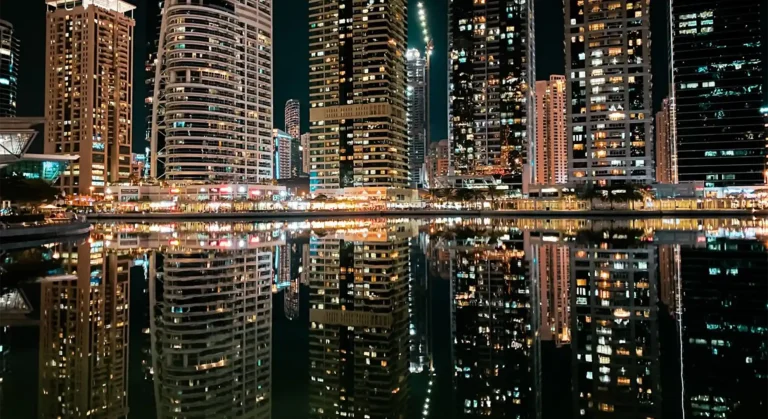
UAE residents should prepare for key traffic updates in 2026, including vehicle restrictions, fare increases, and other rule changes aimed at improving road safety, reducing congestion, and streamlining transportation.
From car restrictions to increased fares: 10 important UAE traffic rules and updates residents need to be aware of
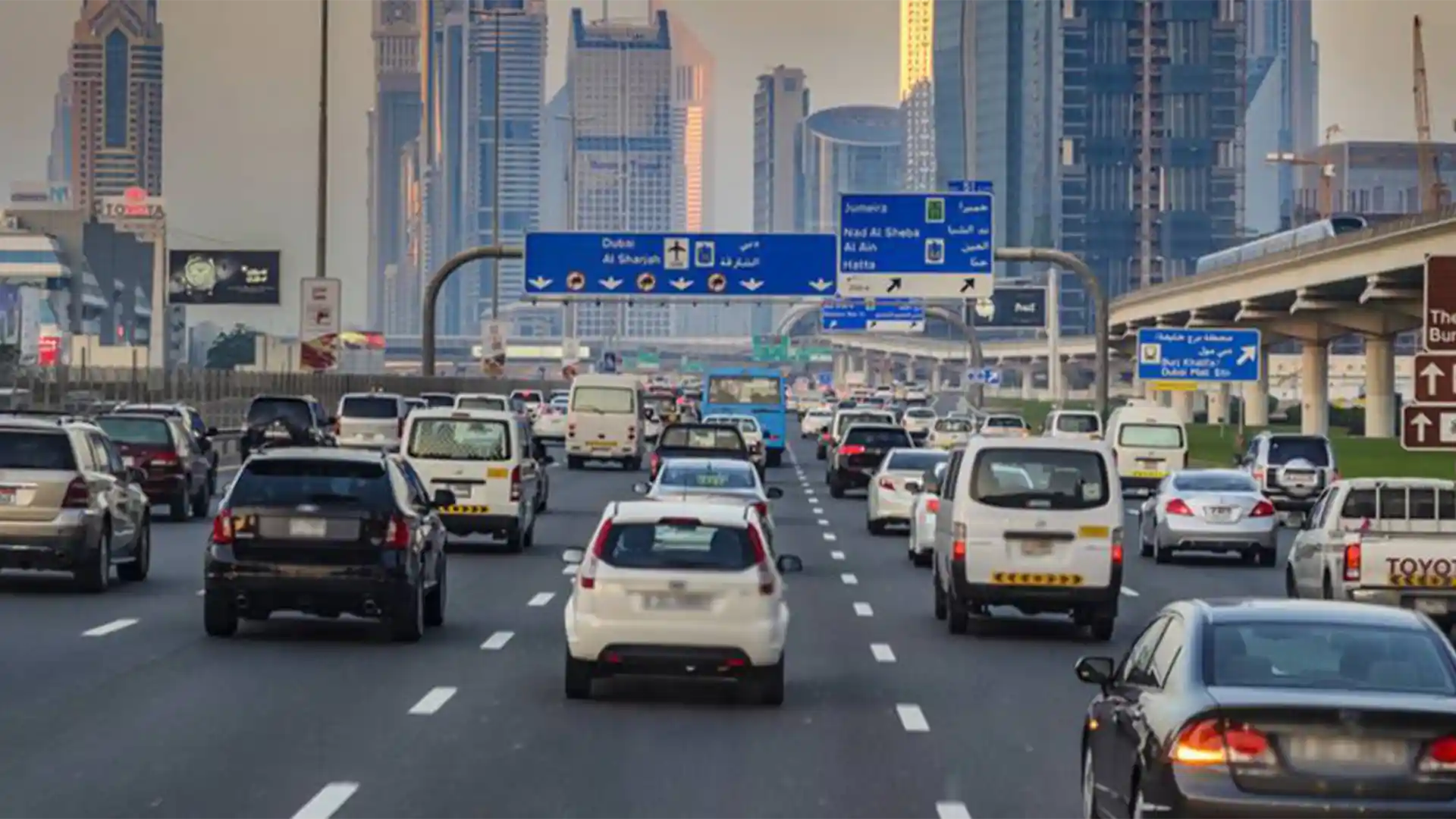
As the world welcomes the new year and sets fresh goals, residents in the UAE face a unique start, shaped by new traffic regulations and updates that will guide their road travel throughout 2026.
Following 2025’s major developments — including variable Salik toll rates, higher parking fees, and growing congestion — the changes rolling out in the latter half of the year are expected to ease commutes. Measures such as dedicated lanes and restrictions on certain types of vehicles aim to improve traffic flow and make journeys smoother for drivers in the upcoming year.
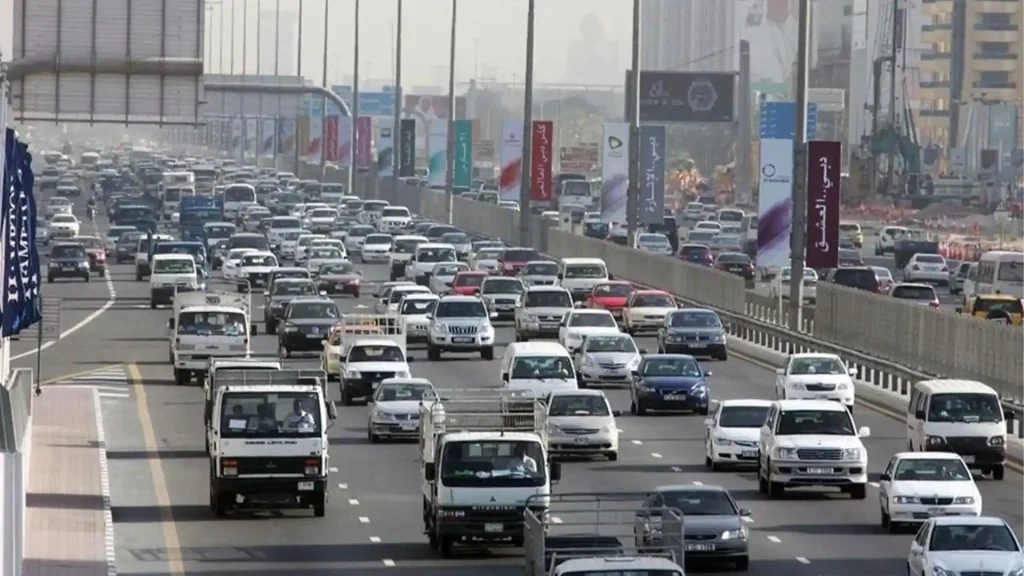
New regulations don’t only serve the typical motorist swerving through Sheikh Zayed Road on a bustling morning, but also other segments of UAE’s community — new parking signs that prioritise worshippers across mosques have come up in Dubai; children under 15 travelling by bus or car are no longer allowed to leave or reach school without an adult in Abu Dhabi and several battery-swapping stations for electric bikes built across strategic locations in Dubai.
Alongside existing measures, the UAE has launched new projects aimed at easing the country’s growing traffic challenges. These include building a fourth federal highway spanning 120 km with 12 lanes and expanding the current three highways.
Over the next two years, Dubai will also see the development of five multi-level parking structures in some of the city’s busiest commercial areas, including Al Souq Al Kabeer in Bur Dubai, Al Sabkha, Al Rigga, Downtown Dubai, and Deira.
Here’s a summary of the 10 key changes that motorists and residents can expect as they head into the new year.
1. Darb toll system in Abu Dhabi
Starting September 1, 2025, Abu Dhabi updated its Darb toll schedule. The evening toll period now runs from 3 PM to 7 PM, Monday through Saturday, instead of the previous 5 PM to 7 PM timing.
2. New variable speed limit system in Abu Dhabi
Since October 27, drivers on Abu Dhabi’s Sheikh Zayed bin Sultan Road have been subject to a new dynamic speed limit system. The measure aims to boost road safety and optimise traffic flow by modifying speed limits according to real-time conditions.
3. Delivery riders banned from Dubai's fast lanes
As of November 1, 2025, delivery riders in Dubai are no longer allowed to use high-speed lanes, a measure introduced to protect their safety and that of other drivers on the roads.
4. Dedicated lanes for vehicles in Sharjah
Following the example of other emirates, Sharjah implemented dedicated lanes for motorcycles, heavy vehicles, and buses starting November 1.
The outermost right lane is now designated for heavy vehicles and buses, while motorcyclists are prohibited from using the leftmost fast lanes.
5. Smart speed limiters in Ajman
For the first time in the UAE, Ajman has equipped taxis and limousines with smart speed limiters. This technology automatically regulates the vehicle’s speed according to its current location and the applicable road limit.
6. Truck ban on Abu Dhabi roads
As of December 1, 2025, trucks are no longer permitted on two major Abu Dhabi routes. Heavy vehicles have been diverted away from Sheikh Maktoum bin Rashid Road (E11) and Al Raha Beach Road (E10), and are now required to use Al Faya–Saih Shuaib Road (E75) and Al Hafar (Al Adla) instead.
7. New solid lanes
These continuous “no passing lines” have recently appeared on roads such as Ittihad Road, Baghdad Street, the Airport Tunnel, E311, and E611.
A no-passing line is a solid white marking that drivers are not allowed to cross — meaning no overtaking, lane changes, or turning across it. Since these markings are regulatory, ignoring them can lead to a Dh400 fine.
8. Dubai taxi fare change
Starting in November, Dubai’s Roads and Transport Authority introduced updated pricing for trips arranged via ride-hailing applications.
Under the revised system, the base fare for taxis has increased from Dh12 to Dh13. Additionally, new peak-time charges and booking fees have been implemented, with rates differing based on the specific day of the week.
9. Fines in Parkin spaces
Since October, Dubai Police have gained the ability to detect vehicles with unpaid fines or active seizure orders the moment they enter Parkin facilities. This enables authorities to respond promptly and carry out necessary legal measures.
10. 24-hour paid parking at mosques
Since August 2025, mosques throughout Dubai have shifted to a 24-hour parking setup. Paid parking is now enforced all day, every day, except during designated prayer times.