
UAE physicians are urging community members to take winter illnesses seriously as temperatures drop. They recommend getting medical checkups before travelling to avoid complications, detect early symptoms, and ensure safer, healthier journeys during the colder months.
UAE physicians caution about seasonal ailments, advising citizens to undergo checkups prior trips.

UAE doctors urge residents to prioritise health checks as winter travel rises
As winter vacations increase and flu activity intensifies, healthcare professionals across the UAE are reminding travellers to prioritise medical consultations before heading abroad. Clinicians say a brief assessment can safeguard travellers from unexpected illnesses, disruptions, or exposure to seasonal infections that may be more common internationally than within the UAE.
Medical specialists emphasise that even healthy residents can encounter unfamiliar viruses, rapid weather shifts, and crowded environments during travel, all of which significantly raise the risk of falling unwell. They refer to international research published on PubMed Central showing that between 22% and 64% of global travellers experience health issues while travelling or shortly after returning—a statistic that local doctors say becomes particularly worrying as families flock to colder destinations during the winter surge.

‘Have a health strategy before you fly’
At International Modern Hospital in Dubai, Dr. Mahmoud Medhat noted that global health organisations have issued heightened alerts this season, especially for individuals with long-standing medical issues. He stressed that vulnerable residents — such as young children, senior citizens, and those with chronic respiratory or metabolic illnesses — must take extra precautions before boarding a flight.
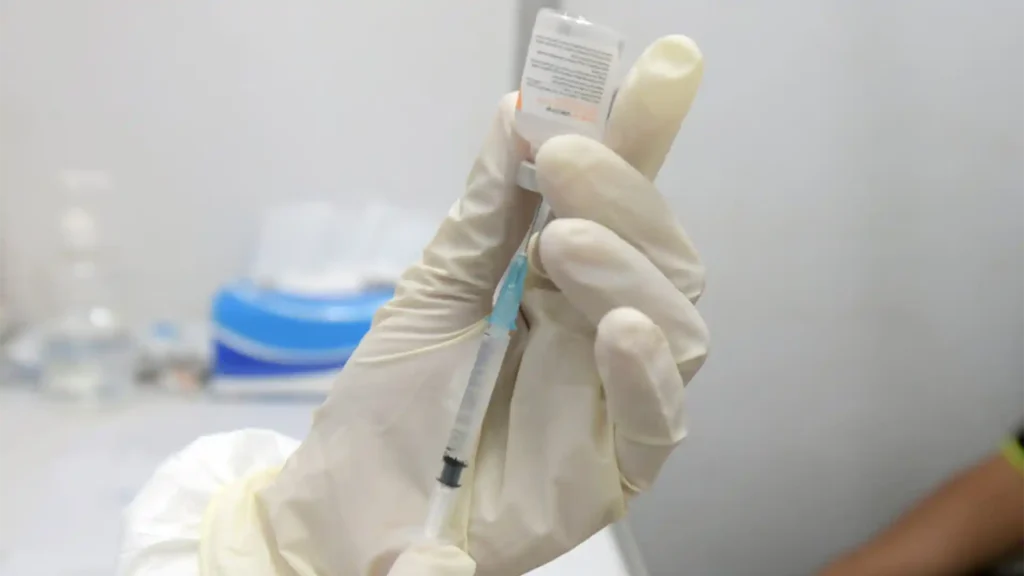
He reiterated that vaccination remains the strongest shield. “Seasonal flu shots and Covid-19 boosters, when appropriate, are still the best form of defence,” he explained. For older adults, he mentioned that pneumococcal vaccines may also be beneficial. Dr. Medhat added that maintaining adequate rest, nutrition, hydration, and stable control of ongoing conditions — like asthma or diabetes — is essential in the days leading up to travel.
Doctors also encourage avoiding close contact with people showing symptoms of respiratory illness, as well as attending a pre-travel medical consultation to review medications, update vaccination records, and secure required medical letters for travel.
He further advised travellers to prepare intentionally, saying:
“Before setting off, check global health updates, confirm your vaccines, pack a well-stocked travel kit with masks, disinfectants, fever remedies, and essential medications. Research the health situation at your destination, look for reports of outbreaks, and choose accommodation that prioritises ventilation and hygiene. Avoid tightly packed schedules and heavily crowded venues whenever possible.”
Managing crowds at airports, aircraft cabins, and tourist hotspots
Travellers moving through packed airports, boarding full flights, or visiting busy attractions face increased exposure to viral droplets and contaminated surfaces, said Dr. Birjis Shaikh, Specialist Internal Medicine at Aster Cedars Hospital & Clinic, Jebel Ali. She explained that many passengers underestimate how swiftly infections spread in shared spaces, especially during winter.
She recommended several steps: checking health advisories before departure, renewing vaccinations, packing sanitising supplies, and carrying all regular medications in hand luggage. While travelling, residents should wear masks in congested areas, clean hands frequently, avoid touching the face, keep distance from sick individuals, and drink enough water to stay hydrated.
Dr. Shaikh added that passengers should be extra careful in tight aircraft seating. “Use a mask on the plane, wipe down tray tables and armrests, and sanitise your hands repeatedly. Tourist locations and public transport systems during peak hours pose the highest exposure risks, so travellers should plan visits during off-peak times and continue practising good hygiene with alcohol-based sanitisers.”
Food choices, cold climates, and chronic illness management
Beyond respiratory illnesses, UAE healthcare professionals note that many travellers fall sick due to poor food hygiene or consuming contaminated beverages at their destinations. Dr. Athira Jayaprakash Engoor from NMC Medical Centre said that digestive infections are among the most common travel-related issues and often result from unsafe street food or improperly handled produce.
She advised that chronic disease control must begin even before arriving at the airport. “Individuals should take their regular medication exactly as prescribed and confirm that their vital health metrics are stable. Food safety is crucial — avoid uncooked products such as raw juices, cut fruits left exposed, or cold dishes that may harbour bacteria. Instead, choose freshly cooked hot meals and dine at reputable places with good customer reviews.”
Regarding respiratory concerns, she encouraged wearing masks in cold or polluted environments and keeping hands clean at all times. Travellers with asthma, COPD, or other breathing conditions should limit exposure to extremely cold climates, as low temperatures may worsen symptoms.