RIT Dubai proudly marks the enrolment of the UAE’s youngest university student, celebrating the remarkable achievement and welcoming the young scholar into its vibrant academic community.
RIT Dubai Celebrates Admission of the Nation’s Youngest University Student.
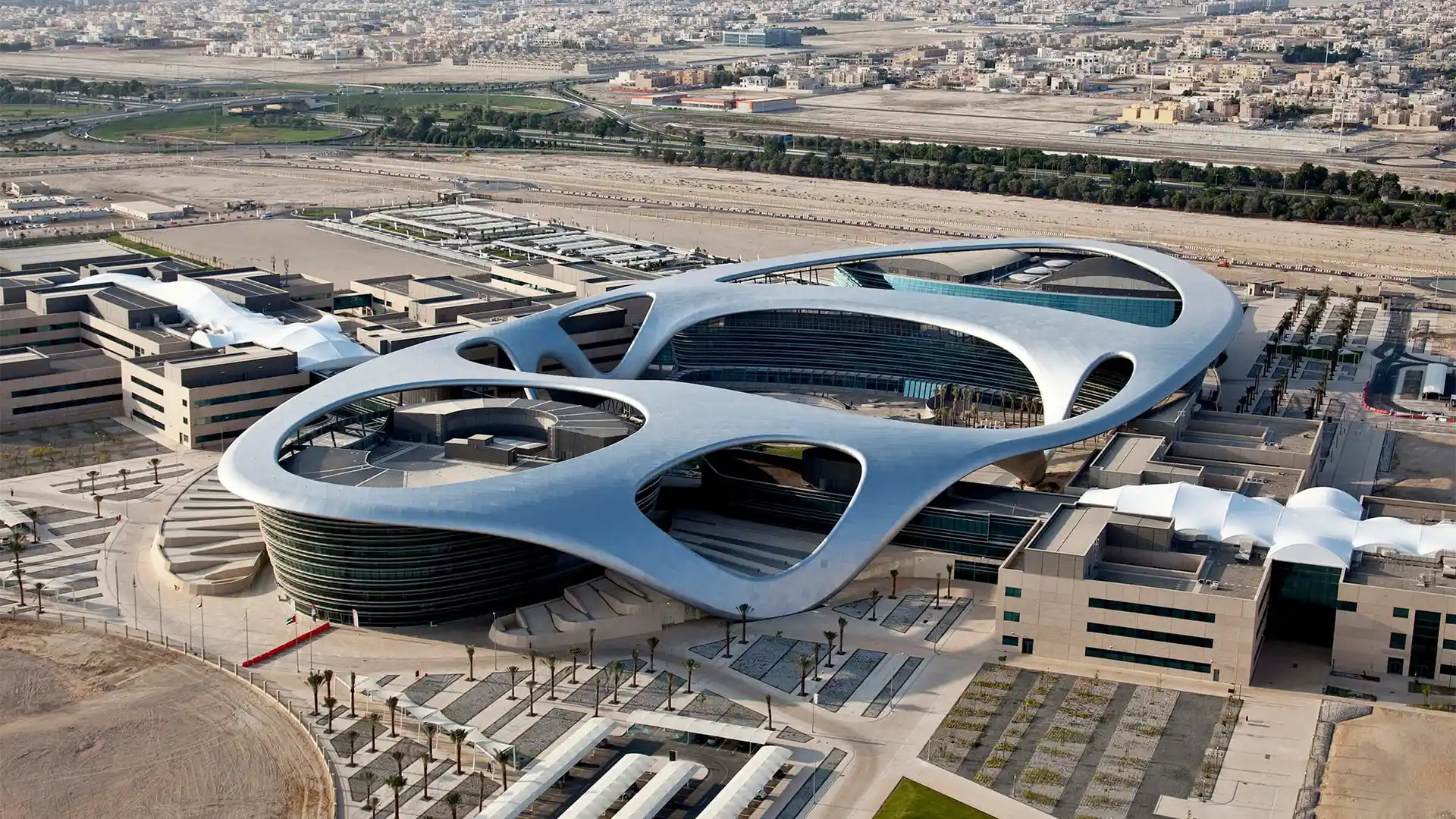
At only 12 years old, Leonardo Mariotti has achieved something extraordinary by enrolling at the Rochester Institute of Technology (RIT) campus in Dubai, making him the youngest university student ever admitted in the United Arab Emirates, and placing him among the youngest learners globally to attend a university-level program. Recognising Leonardo’s exceptional abilities and unique learning needs, RIT Dubai worked closely with the Knowledge and Human Development Authority (KHDA) to design a customised pilot program that would allow him to thrive academically while embracing his extraordinary talents. This bespoke educational path demonstrates the institution’s commitment to nurturing exceptional minds and fostering innovation, even when traditional frameworks may not fully accommodate such rare abilities.
Leonardo’s journey is one marked by curiosity, determination, and a willingness to approach the world in unconventional ways. From a very early age, he exhibited an extraordinary capacity for visualisation and conceptual thinking, often imagining complex structures and problem-solving approaches in ways that astounded adults around him. While traditional forms of communication, such as writing and verbal expression, sometimes presented challenges, his mind flourished in the realm of spatial reasoning and creative design. This remarkable capacity to translate abstract ideas into tangible solutions set him apart from his peers, highlighting a form of intelligence that is rarely captured by conventional academic metrics.
Leonardo’s brilliance comes hand in hand with a set of neurological differences that shape the way he interacts with the world. Diagnosed with Asperger’s syndrome, Dyslexia, Tourette’s syndrome, and Attention Deficit Hyperactivity Disorder (ADHD), his cognitive profile presents a combination of characteristics that, while challenging in some contexts, also fuel his creativity and problem-solving skills. For instance, his dyslexia may make reading and writing laborious, yet it also strengthens his ability to think outside conventional patterns. Similarly, the hyper-focus and unique perspective associated with ADHD enable him to immerse himself fully in projects that capture his imagination. These intersecting traits make Leonardo’s learning experience both complex and uniquely rewarding, as he navigates a world that is often structured for the majority rather than for extraordinary individuals like him.
RIT Dubai’s approach to Leonardo’s education reflects a broader trend in progressive learning models that prioritise individual strengths over standardized measures. The pilot program crafted for him includes flexible course structures, personalised mentorship, and opportunities for hands-on exploration that allow him to engage deeply with subjects of interest while building foundational knowledge in areas that might otherwise pose difficulties. This customised learning path ensures that Leonardo is neither constrained by age-related expectations nor hindered by traditional classroom limitations, giving him the intellectual freedom to flourish. By collaborating with KHDA, RIT Dubai was able to ensure that the program met rigorous academic standards while remaining adaptable to Leonardo’s specific needs, setting a precedent for how educational institutions can embrace gifted students with diverse learning profiles.
Beyond his academic prowess, Leonardo’s story is one of resilience and courage. His ability to persist in the face of challenges—whether learning differences, social dynamics, or the pressures of accelerated education—reflects a mindset cultivated from a young age. Leonardo has consistently demonstrated a willingness to question assumptions, approach problems differently, and persist through difficulties. These qualities, paired with his extraordinary cognitive abilities, make him not only an exceptional student but also an inspiring example of what can be achieved when education is tailored to the learner rather than forcing the learner to conform to rigid systems.
Leonardo’s presence at RIT Dubai is also symbolic in a larger societal context. His enrolment highlights the importance of recognising and supporting neurodiverse learners, demonstrating that intelligence and creativity manifest in diverse ways. By accommodating and celebrating students like Leonardo, institutions can foster innovation and encourage others to think beyond traditional educational boundaries. Leonardo’s story resonates with families, educators, and policymakers, serving as a reminder that with the right support structures, even the most unconventional learners can reach extraordinary heights.
In addition to his academic pursuits, Leonardo is already applying his talents in practical and innovative ways, exploring areas that challenge conventional problem-solving. His ability to visualise, design, and execute ideas gives him an edge in fields that demand creativity and multidimensional thinking. The pilot program at RIT Dubai not only nurtures his immediate educational growth but also equips him with the skills, knowledge, and confidence to contribute meaningfully to society in the future.
Leonardo Mariotti’s story is ultimately one of inspiration. It showcases the power of perseverance, the value of personalised education, and the potential inherent in embracing neurological diversity. His achievements underscore the importance of creating learning environments that recognise exceptional talent and cater to individual strengths, no matter how young the learner may be. As Leonardo embarks on his university journey at RIT Dubai, he carries with him the promise of groundbreaking accomplishments, the admiration of those who have supported him, and a shining example of how innovation and determination can transcend traditional limitations.
Leonardo Mariotti’s extraordinary journey is one that reflects the remarkable potential of neurodiverse learners when nurtured in the right environment, and the profound impact of a supportive network of family, educators, and specialists. As his mother, Yolanda Pohl-Mariotti, vividly describes, Leonardo’s mind is a universe of creativity and complexity. “He wasn’t born with just one instrument,” she explains. “He carries an entire orchestra within him. Each of his unique neurological traits plays its own melody, and together they compose a breathtaking symphony of uniqueness.” This metaphor captures not only the intricacy of his abilities but also the harmonious way in which his varied neurological traits—ranging from Asperger’s and Dyslexia to Tourette’s and ADHD—interact to create a mind capable of extraordinary thought and innovation.
From an early age, it was evident that Leonardo did not conform to traditional learning expectations. While conventional academic tasks, such as reading and writing, presented significant challenges, he consistently displayed remarkable aptitude in visual thinking, spatial reasoning, and problem-solving. His ability to conceptualize complex ideas, envision intricate systems, and approach challenges from novel perspectives distinguished him from his peers. These abilities, however, required a tailored approach to education that could accommodate both his exceptional talents and the unique ways in which his brain processes information.
Central to Leonardo’s development has been the unwavering support of his school, Lycée Français International de l’AFLEC. Recognizing his potential early on, the school created a collaborative support network involving educators, specialists, and therapists. This multidisciplinary approach ensured that Leonardo’s needs were met holistically—academically, socially, and emotionally. Teachers worked closely with specialists to design strategies that would allow him to thrive, focusing not on what he struggled with but on amplifying his strengths. Therapists provided guidance on managing the challenges associated with his neurological differences, offering practical techniques that helped him navigate both classroom and social environments.
This inclusive and personalised educational model was critical in transforming potential obstacles into opportunities for growth. By emphasising Leonardo’s strengths and providing tailored support for areas of difficulty, the school created an environment where his individuality became an asset rather than a limitation. Lessons were adapted to suit his learning style, allowing him to engage deeply with subjects of interest while simultaneously building foundational skills in areas that required reinforcement. The school’s approach demonstrates how thoughtful, targeted interventions can empower neurodiverse learners to not only participate in traditional education but also excel beyond conventional expectations.
Yolanda Pohl-Mariotti emphasizes the importance of collaboration and trust in Leonardo’s journey. The partnership between family, school, and experts exemplifies the power of belief, patience, and personalised education. “It’s not just about teaching; it’s about understanding,” she explains. “When educators, therapists, and parents work together, they create a system that celebrates differences rather than penalizing them. Leonardo’s uniqueness is not something to overcome—it’s the very thing that drives his creativity and problem-solving abilities.”
This holistic and collaborative approach has had a profound impact on Leonardo’s growth, both academically and personally. He has learned to channel his extraordinary imagination into tangible projects, to communicate his ideas more effectively, and to build confidence in his abilities. The combined efforts of his support network have allowed him to navigate challenges with resilience and curiosity, fostering a mindset that embraces innovation and unconventional thinking.
Leonardo’s story is also a powerful example for educators, parents, and policymakers about the transformative potential of inclusive education. It illustrates that when learners are seen as individuals with unique strengths and supported through personalised, collaborative frameworks, they can achieve extraordinary outcomes. His experience underscores the importance of recognising neurodiversity as a source of talent and creativity, rather than a limitation.
Ultimately, Leonardo Mariotti’s journey is a testament to the incredible impact of a nurturing and inclusive environment. Guided by the care and insight of his mother, the dedication of his school, and the expertise of therapists and specialists, he has transformed what might have been perceived as challenges into a symphony of abilities that propel him toward unprecedented academic and creative achievements. His story highlights the immense possibilities that emerge when belief, patience, and tailored education converge, offering inspiration to neurodiverse learners, families, and educators alike.


When Leonardo Mariotti’s parents approached Rochester Institute of Technology (RIT) Dubai with the hope of finding an academic environment suited to their exceptionally gifted son, the university immediately recognised that his age was far less significant than his extraordinary talent and unique potential. Rather than being constrained by traditional expectations for a 12-year-old, the faculty at RIT Dubai focused on what Leonardo could achieve and how his abilities could be nurtured within an academic framework. This progressive approach led to the development of a highly personalised curriculum tailored to his strengths, passions, and aspirations, ensuring that he would be challenged, inspired, and supported in equal measure.
Leonardo’s programme at RIT Dubai is an ambitious blend of technical, creative, and innovative disciplines designed to leverage his extraordinary cognitive abilities while stimulating his curiosity. His coursework spans Robotics, 3D Modeling and Printing, Engineering, Computer Coding, Artificial Intelligence, and New Media Design, among other fields. Each subject has been carefully selected to engage his imagination, build on his natural skills, and provide practical experiences that transform abstract ideas into tangible outcomes. By integrating advanced technologies with creative design and critical thinking, the curriculum empowers Leonardo to explore, experiment, and innovate in ways rarely offered to students of his age.
This initiative is a reflection of RIT Dubai’s broader philosophy of inclusive and forward-thinking education. The university has long been dedicated to creating opportunities for students whose talents may not fit neatly into conventional academic pathways. By embracing learners like Leonardo, RIT Dubai demonstrates a commitment to recognising diverse forms of intelligence and supporting students who demonstrate exceptional potential in unconventional ways. The programme not only cultivates his intellectual and technical skills but also reinforces his confidence and encourages him to pursue his curiosity without limitations.
Under the leadership of Dr. Yousef Al Assaf, RIT Dubai continues to foster a learning environment that values diversity, nurtures creativity, and encourages students to explore new frontiers of knowledge. Dr. Al Assaf’s vision for the university emphasises the importance of personalised education, inclusivity, and innovation, ensuring that students are equipped not only with technical expertise but also with the skills, mindset, and adaptability necessary to navigate and shape the rapidly evolving global landscape. The institution prioritises mentorship, hands-on learning, and collaborative projects, giving students like Leonardo the freedom to challenge assumptions, test ideas, and develop solutions that are both imaginative and practical.
RIT itself is one of the world’s oldest and most respected institutions for technology, creativity, and innovation. Founded in 1829 in Rochester, New York, the university has built a global reputation for producing graduates who are not only highly skilled but also capable of thinking critically, solving complex problems, and leading transformative initiatives across industries. The Dubai campus carries forward this proud legacy, adapting it to the needs of a rapidly growing, multicultural, and technology-driven region. Through its programmes, the campus empowers students to harness their talents, embrace diversity, and contribute meaningfully to society, preparing them to address some of the most pressing challenges of the 21st century.
Leonardo’s journey at RIT Dubai is emblematic of the institution’s mission to support exceptional talent and provide pathways for students whose abilities transcend age or conventional academic expectations. The programme offers him access to cutting-edge tools, expert faculty guidance, and an environment that encourages innovation, experimentation, and critical thinking. More importantly, it provides a space where his neurodiverse mind is celebrated, understood, and actively nurtured, demonstrating that intelligence and creativity come in many forms. By tailoring educational experiences to individual strengths, RIT Dubai not only equips students with knowledge but also empowers them to develop confidence, resilience, and a lifelong love of learning.
Beyond the university, Leonardo’s story reflects the UAE’s national commitment to inclusion, educational excellence, and the recognition of neurodiversity. The Ministry of Education and the Knowledge and Human Development Authority (KHDA) have pioneered initiatives aimed at creating inclusive educational frameworks that celebrate differences rather than penalising them. By supporting neurodiverse learners and promoting programmes tailored to exceptional talents, the UAE continues to establish itself as a leader in inclusive education, encouraging the global community to view learning differences as opportunities for innovation and creativity. Leonardo’s experience demonstrates how a combination of government support, visionary educational institutions, and personalised learning strategies can unlock human potential in ways that benefit both individuals and society as a whole.
The partnership between RIT Dubai, the KHDA, and Leonardo’s family exemplifies the power of collaboration in nurturing extraordinary talent. By combining the resources of a world-class university with personalised mentorship and government-backed educational initiatives, Leonardo is afforded the tools and opportunities to explore his capabilities fully. The curriculum challenges him, stimulates his curiosity, and cultivates skills that will allow him to contribute meaningfully to a world increasingly driven by technology, creativity, and innovation. It also highlights the importance of recognising each learner’s individual needs, abilities, and passions, rather than adhering strictly to conventional metrics such as age or standardised testing.
In essence, Leonardo Mariotti’s admission to RIT Dubai represents more than a personal achievement—it is a milestone in the evolution of inclusive education and a testament to the potential of neurodiverse learners when provided with the right opportunities and support. By embracing his talents, the university not only enables him to reach his fullest potential but also sends a powerful message about the value of personalised education, diversity, and innovation. His journey underscores the importance of creating educational pathways that inspire, challenge, and empower exceptional minds, preparing them to shape a smarter, more creative, and sustainable future for the UAE and the world.

Now well into his second month at Rochester Institute of Technology (RIT) Dubai, Leonardo Mariotti continues to captivate the imagination of everyone he encounters, not simply because of his age, but because of the extraordinary depth of his intellect, creativity, and curiosity. His presence in a university setting at the age of 12 challenges conventional perceptions about what is possible for children and what constitutes readiness for higher education. Leonardo has become a symbol of what can be achieved when educators, families, and institutions focus on potential rather than age, ability rather than conformity, and innovation rather than rigidity. His journey resonates far beyond the classrooms of RIT Dubai, inspiring educators, students, and parents to rethink their assumptions about talent, neurodiversity, and the limitless possibilities that emerge when learning environments embrace difference.
Leonardo represents a larger narrative that extends to every child who has ever been labeled “too different,” every young mind that has been told it does not fit the standard, and every educator who has had the courage to see beyond those labels to recognise potential that others may overlook. His story is a testament to the power of belief, personalised support, and the courage to embrace unconventional paths. Each day at RIT Dubai, Leonardo demonstrates that brilliance is not monolithic; it is varied, dynamic, and often unexpected. His presence in lectures, laboratories, and collaborative projects serves as a living reminder that intelligence manifests in many forms, and that the most transformative ideas often emerge from minds that think differently, approach problems unconventionally, and see the world through a unique lens.
The remarkable aspect of Leonardo’s journey is not only his intellectual prowess but also the human qualities that accompany it. His mother, Yolanda Pohl-Mariotti, describes him as possessing both “the mind of a scientist and the heart of a humanitarian.” These words capture the rare balance between analytical thinking and empathy, between curiosity-driven experimentation and a deep concern for the people and world around him. Leonardo approaches every problem with meticulous thought and precision, while simultaneously considering its broader impact on society. This combination of cognitive and emotional intelligence allows him to conceptualise, design, and create solutions that are as imaginative as they are socially meaningful.
His ability to navigate complex subjects—ranging from Robotics and 3D Printing to Artificial Intelligence and New Media Design—while maintaining a grounded sense of compassion for others makes him an extraordinary figure in both academic and social contexts. In each project he undertakes, Leonardo brings a vision that is simultaneously ambitious and thoughtful. He builds things that others cannot yet imagine: intricate models, abstract designs, and engineering solutions that balance creativity with practicality. These “perfectly imperfect” creations, as his mother describes them, reflect the way Leonardo’s mind works—unconventional, multifaceted, and capable of producing outcomes that defy expectation, yet hold coherence, functionality, and beauty.
At RIT Dubai, Leonardo’s journey is also a lesson for educators and peers alike. His story emphasizes the importance of belief—belief in potential, belief in difference, and belief in the transformative power of education when tailored to the learner rather than the system. By creating a curriculum that aligns with his strengths, interests, and passions, the university has allowed him to thrive in ways that traditional educational settings might not have accommodated. For students observing Leonardo’s progress, he is both a source of inspiration and a reminder that learning is not linear, and that unconventional approaches can yield extraordinary outcomes.
Yolanda Pohl-Mariotti reflects on this notion of difference and its power in her own words: “Believe in your children, not despite their differences, but because of them.” These words encapsulate the philosophy that underpins Leonardo’s achievements. His neurological and cognitive differences—far from being obstacles—are the very qualities that fuel his creativity, innovation, and problem-solving abilities. Asperger’s, Dyslexia, Tourette’s, and ADHD shape a mind capable of seeing patterns, constructing complex ideas, and generating insights that others may not even consider. By embracing these differences, his family and educators have created an environment in which Leonardo can flourish, turning what might be perceived as challenges into defining strengths.
Leonardo’s story serves as a beacon of possibility, highlighting the ways in which personalised education, supportive mentorship, and institutional flexibility can empower extraordinary learners. It underscores the notion that education is not merely about transmitting knowledge or meeting age-based expectations; it is about recognising talent, nurturing curiosity, and providing the tools and opportunities that allow students to explore their passions, realise their potential, and impact the world in meaningful ways. By fostering an environment that values both creativity and intellect, RIT Dubai has given Leonardo a platform to challenge the status quo, innovate fearlessly, and inspire those around him to reconsider what is possible in learning and discovery.
In essence, Leonardo Mariotti’s journey at RIT Dubai is a story of courage, ingenuity, and possibility. It is about a young boy whose brilliance defies expectations, whose creativity transforms ideas into reality, and whose empathy ensures that his work has meaning beyond the classroom. It is about parents, educators, and institutions who choose to believe in potential rather than limitation. And, most importantly, it is a story that invites the world to see difference not as a barrier, but as the very key to unlocking genius. Leonardo is a reminder that when talent is nurtured, curiosity is encouraged, and individuality is celebrated, children can achieve extraordinary feats—and in doing so, inspire a generation to imagine, create, and dream without limits.