
As the Indian rupee continues to decline in value, many UAE residents are increasing their remittances significantly, in some cases sending nearly three times the amount they previously transferred.
UAE residents remit up to three times more money to India as the rupee weakens.
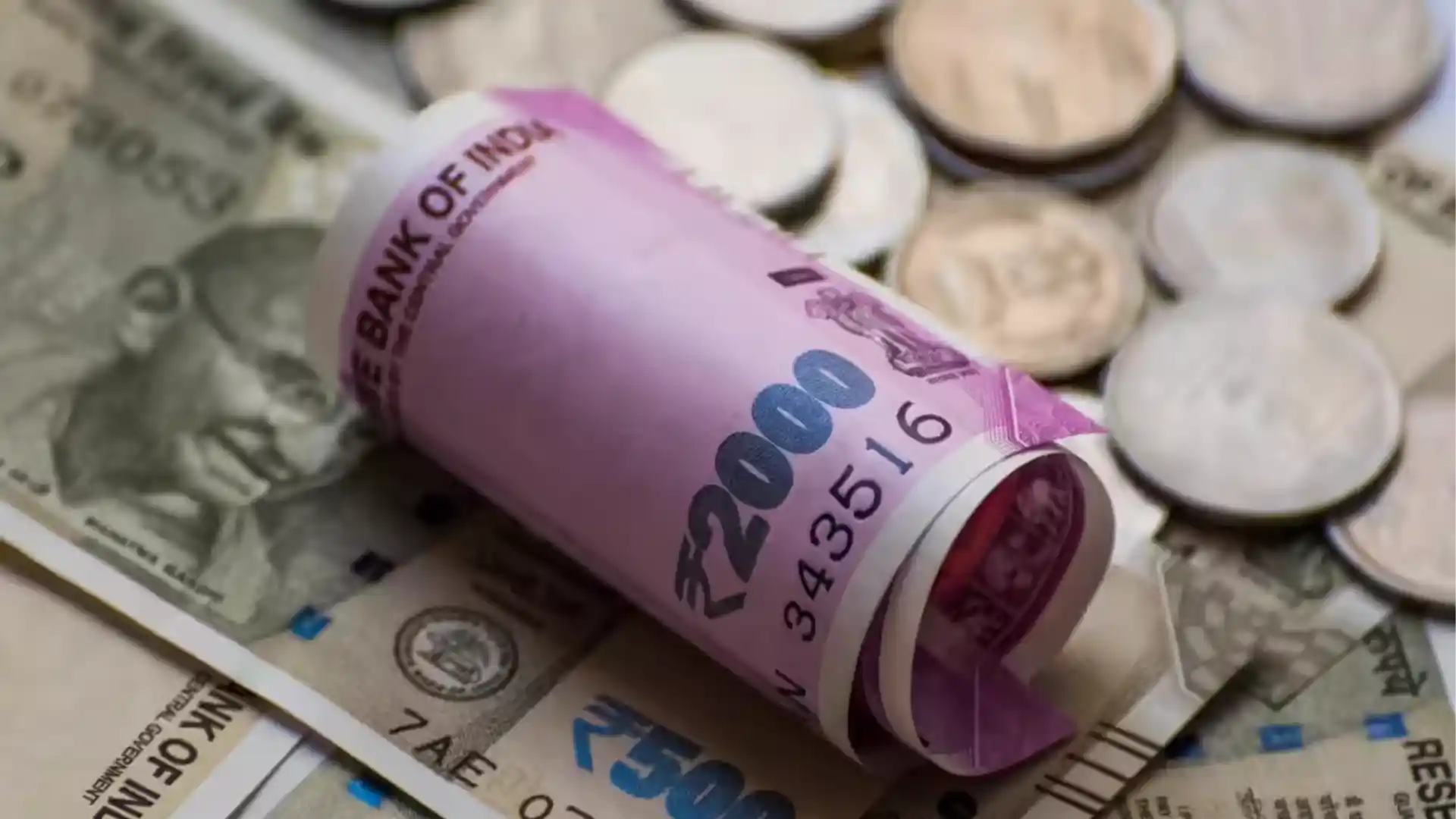
The recent slide of the Indian rupee against the UAE dirham has created an unexpected opportunity for many Indian expatriates living in the Emirates. As the currency reached one of its weakest points in history, a growing number of residents saw this as the perfect moment to send money back to their families in India. For many, the steep drop in the rupee’s value came as a financial advantage, allowing them to stretch their earnings further when converted into Indian currency. What might normally be a routine remittance suddenly turned into a chance to maximise the value of every dirham they earned.
In the days surrounding the currency fluctuation, remittance centres across various emirates noticed a visible increase in footfall. Indian residents, eager to make the most of the favourable exchange rate, lined up to transfer funds for a variety of personal commitments. The exchange rate hovered around ₹24.5 for every AED 1, a significant figure that prompted many to act quickly. This meant that even modest amounts of dirhams resulted in noticeably higher payouts in rupees, making it an ideal moment for savings, debt repayments, or meeting major annual expenses.
For families in India, this sudden rise in the value of money sent from the UAE translated into considerable relief. Many expatriates explained that the additional rupees they received upon conversion helped them manage essential financial responsibilities more comfortably. School fees for children, utility payments, medical expenses, home loans, and daily household costs became easier to cover thanks to the boosted remittances. Some individuals even seized the opportunity to make larger, one-time transfers intended for long-term investments such as property purchases, renovations, or contributions to savings plans.
The sentiment among Indian residents in the UAE was largely optimistic during the downturn of the rupee. While the weakening of the home currency may reflect broader economic challenges, the immediate impact for those earning in dirhams was undeniably positive. For many, this was a chance to support their families during challenging times without significantly straining their budgets. A few residents noted that although they regularly send money home, this particular period prompted them to increase the amount or make additional transfers to take advantage of the beneficial rate before it shifted again.
Financial experts in the region also observed the trend, highlighting that such currency movements often trigger spikes in remittances from Gulf countries to South Asia. The UAE, home to millions of Indian expatriates, typically sees strong remittance activity, but favourable exchange rates amplify the flow considerably. Many analysts advised residents to keep an eye on the forex market, as short-term fluctuations can offer opportunities for strategic transfers.
Overall, the steep depreciation of the Indian rupee against the UAE dirham created a moment of financial advantage for Indian expatriates. What began as a currency market shift quickly became a practical opportunity for thousands of residents to extend additional financial support to their families, ease their obligations, and make the most of their hard-earned income during a uniquely favourable period.
During a recent review conducted by Insider 18, representatives visited several exchange centres across the UAE to understand how residents were responding to the latest currency fluctuations. At nearly every location, sales staff shared a similar observation: remittance activity had noticeably increased. According to these employees, the sudden rise in money transfers was largely driven by Indian expatriates hoping to maximise the value of the dirham while the exchange rate remained highly favourable. Many staff members explained that customers had been walking in throughout the day with a clear intention—sending money before the rates changed again.
Employees at the exchange counters noted that the trend was not limited to regular remitters but also included individuals who usually send funds infrequently. The lower value of the Indian rupee had encouraged even those who had postponed transfers for months to finally step forward. Some residents came prepared with larger sums than they typically remit each month, and many asked about the likelihood of the rate fluctuating further. In most exchange houses, the atmosphere was described as unusually busy, almost reminiscent of festive seasons when remittances traditionally spike.
Interviews with residents provided an even clearer picture. Several people told Insider 18 that the moment they saw the exchange rate rise in favour of the dirham, they made immediate plans to send money home. They felt that delaying their transfer might cause them to lose out if the rupee strengthened later. One resident explained that although the amount he usually sends back is fixed, the current circumstances convinced him to increase the remittance substantially. Others echoed the same sentiment, saying they preferred to act quickly while the value of their earnings could stretch significantly further in India.
For many families, this sudden surge in remittances has been a welcome development. Residents said their increased transfers would help relatives cover pressing expenses—such as rent, school fees, or household purchases—more comfortably because of the extra value received in rupees. Some individuals even used the opportunity to send lump sums toward long-term financial plans, including home construction or savings for future emergencies.
Overall, the feedback gathered by Insider 18 from both exchange house staff and residents highlights a clear pattern: favourable currency movements strongly influence remittance behaviour. When the dirham grows stronger against the rupee, expatriates waste no time in taking advantage of the situation. For many, these windows of opportunity are too valuable to overlook, prompting them to send larger amounts home and ensure their families benefit from the advantageous rate while it lasts.


Arif Khan, a long-time resident of Sharjah and employed as a sales executive, shared how the recent currency situation influenced his remittance decisions. Under normal circumstances, Arif follows a fixed monthly routine: he transfers somewhere between AED 1,200 and AED 1,500 to support his family living in Lucknow. This amount, he explained, is carefully calculated to cover everyday necessities, educational needs for his children, and occasional medical bills. It is a pattern he rarely changes, regardless of fluctuations in the market.
However, the sudden and significant dip in the Indian rupee against the UAE dirham prompted him to rethink his usual approach. Arif said that when he checked the exchange rate and saw how dramatically the rupee had weakened, he felt it was a moment he could not afford to overlook. For someone who tracks currency movements occasionally but not obsessively, this particular shift caught his attention immediately. Without waiting for the rate to adjust or seeking advice from friends, he went straight to an exchange house near his workplace and transferred AED 4,500—a figure almost three times higher than his regular monthly amount.
According to Arif, the decision was spontaneous but practical. He knew that a weaker rupee meant his family would receive a substantially larger amount once the money was converted in India. And that is exactly what happened. The converted sum, he said, turned out to be enough to cover nearly an entire quarter’s worth of groceries, household supplies, and everyday living costs. His family was not only relieved but pleasantly surprised when they saw the final amount in their account.
Arif mentioned that his wife, who manages the household budget with great care, described the sudden increase in funds as an unexpected blessing. She told him that the extra money felt almost like a festive bonus arriving out of season. For a family juggling rising expenses and occasional financial pressures, this larger-than-usual remittance brought a sense of comfort and breathing space. It allowed them to stock up on essentials, clear a few pending bills, and set aside a little extra for emergencies—all without feeling the burden of stretching their regular budget.
Reflecting on the experience, Arif added that such opportunities do not come often. He said that living abroad teaches expatriates to be alert to financial shifts, especially when their earnings in one currency can significantly benefit their families in another. For him, this single transfer reinforced the importance of acting quickly during favourable currency movements. It also reminded him how deeply intertwined the economies of the UAE and India are, especially for the millions of workers who send money home every month.
While he does not plan to send such a large amount every time, Arif said he is glad he made the decision when he did. The satisfaction in his wife’s voice and the relief it brought to his family in Lucknow made the moment feel especially worthwhile. For now, he is simply grateful that a routine remittance turned into an opportunity to provide more support during a time when it was truly needed.




School fees covered
Anthony Varghese, a Dubai resident who works as the marketing head for an FMCG company, described his recent remittance experience as unexpectedly rewarding. He explained that although he keeps an eye on the exchange rate from time to time, he never imagined it would create such a noticeable impact on his monthly transfer. When he saw the value of the Indian rupee drop against the dirham, he realised it was an ideal moment to send money back home. The difference in value, he said, felt almost like receiving a holiday bonus weeks before the festive season.
Under normal circumstances, Varghese sends around AED 2,000 to his family each month, an amount he has maintained for years. But this time, encouraged by the favourable rate, he decided to transfer AED 3,000 instead. What surprised him most was how much more his family received in India compared to the previous month. The improved rate added nearly ₹8,000 to the total amount, giving his household some much-needed financial breathing space.
He mentioned that the additional money arrived at the perfect moment, especially because his daughter’s school-related expenses were due. Her transportation fees and part of her tuition had been scheduled for payment, and the boosted remittance allowed them to settle these costs without dipping into their savings. Varghese said that while he had always known exchange rates could move up and down, he never anticipated that a single shift in the currency market could help his family cover significant educational expenses.
Reflecting on the experience, he admitted that the situation changed his perspective on remittances. What he once viewed as a routine monthly task became a reminder that timing can make a real difference. For his family, the extra funds felt like an unexpected blessing—one that eased their financial load and brought a sense of relief during a busy school term.


Electricity bill paid with extra remittance
For Farooq Ahmed, a Sharjah-based mechanic, the recent rise in the value of the dirham against the rupee brought immediate financial comfort. He explained that instead of sending his usual monthly amount, he decided to increase this month’s remittance after noticing the favourable exchange rate. This time, he transferred AED 1,500 rather than his routine AED 900, hoping his family in India would benefit from the additional value created by the strong dirham.
According to Farooq, the converted amount his family received came to roughly ₹36,250 — noticeably higher than what they typically get. The difference of around ₹4,500 may seem small to some, he said, but for his household, it made a meaningful impact. The extra money helped them settle their electricity bill and purchase a new gas cylinder, both of which had become increasingly expensive in recent months. For a middle-class family trying to manage rising costs, this unexpected boost provided reassurance and eased some of their recurring financial pressure.
Another UAE resident who felt encouraged to take advantage of the strong rate was Muhammad Faisal, a taxi driver also living in Sharjah. Faisal shared that this was the first time in several months he was able to send money home without worrying about falling short on his own expenses. The favourable exchange gave him the confidence to increase his transfer.
Normally, Faisal sends around ₹20,000 each month, but this time he managed to remit ₹30,000. The additional funds brought happiness to his family, who were able to plan a short winter vacation to Shimla — something they had postponed earlier due to cost concerns. Even after covering the holiday expenses, they still had money left over for household needs. Faisal described the moment as a rare period of financial ease, made possible simply by better timing and a fortunate shift in the exchange rate.
Growing expenses
Although the dip in the Indian rupee has offered many UAE-based Indians a temporary financial advantage, it has not erased the growing burden of rising costs back home. For several expatriate families, the increased remittance value feels helpful, yet it does not fully balance out the higher cost of living they continue to face in India.
Muhammad Faisal explained that the improved exchange rate certainly feels like a relief, but it should not be mistaken for extra disposable income. He noted that while the conversion rate allows families to receive more rupees for every dirham, their monthly household expenses have climbed steadily. “It’s definitely a blessing,” he said, “but it doesn’t mean our families suddenly have room to spend more on luxuries. Whatever additional amount we get is quickly absorbed by basic needs. Prices for everything—food, fuel, rent—are rising at the same time.”
Faisal added that the higher remittance value often gives the mistaken impression that families will be more financially comfortable. In reality, he said, the difference merely helps them keep up with essential payments rather than improving their lifestyle. Any temporary benefit generated by the favourable exchange rate is quickly overshadowed by increasing costs across various sectors in India.
Farooq Ahmed expressed a similar sentiment. He pointed out that even though his family receives more rupees when he sends money, the cash disappears faster than before. “Every month the expenses feel heavier,” he explained. “Groceries, electricity, cooking gas — everything is more expensive now. Even with the higher exchange rate, the money does not last as long as it used to.”
Both residents agreed that while the strong dirham offers them a brief financial cushion, the rising cost of living in India remains a major challenge. The favourable exchange rate helps ease some pressure, but it does not change the reality that families back home are dealing with escalating prices that continue to stretch household budgets thin.