From humble desert origins to becoming a worldwide powerhouse, here are twenty transformative milestones that shaped the United Arab Emirates into the influential, modern, and globally recognised nation it is today.
From Desert Beginnings to Global Influence: 20 Turning Points in UAE History.

1972: Ras Al Khaimah Joins the Newly Formed UAE Federation
Ras Al Khaimah holds a unique place in the formation of the United Arab Emirates, as it was the last of the seven emirates to formally become part of the federation. While the UAE was officially established on December 2, 1971, Ras Al Khaimah initially remained outside the union for a brief period. During this interim, the emirate carefully evaluated the regional political environment, assessing how emerging security and governance considerations might influence its long-term interests. The decision to join the federation was therefore not taken lightly; it reflected a combination of strategic foresight and the desire to ensure stability and prosperity for its citizens.
After extensive deliberations, the leadership of Ras Al Khaimah formally agreed to accede to the newly formed UAE, marking this historic milestone on February 10, 1972. By officially joining the union, Ras Al Khaimah completed the seven-emirate federation, transforming the UAE into a fully united nation-state. This accession was significant not only in terms of numbers but also symbolically, as it represented the culmination of the collective effort to unify the diverse emirates under a single national framework. The move strengthened political cohesion, facilitated economic collaboration, and reinforced the sense of shared identity among the constituent emirates.
The emirate’s integration into the UAE also carried practical implications for governance, security, and development. By joining the union, Ras Al Khaimah gained access to the collective resources of the federation while contributing its own strategic advantages, including its geographic location, economic potential, and cultural heritage. This mutual exchange laid the groundwork for coordinated planning in areas such as infrastructure, education, healthcare, and defense. The decision underscored the broader vision of the founding leaders, who sought to create a federation that could withstand regional uncertainties and foster sustainable growth for all seven emirates.
Historically, Ras Al Khaimah’s accession reinforced the narrative of unity and cooperation that has become central to the UAE’s national identity. It demonstrated that despite differences in size, population, and economic capacity, the emirates could come together to form a resilient and cohesive political entity. Today, the inclusion of Ras Al Khaimah in the UAE is remembered as a pivotal moment that completed the federation, strengthened the nation’s institutional foundations, and paved the way for decades of collective progress, stability, and development across all seven emirates.
1972: Federal National Council Holds Its First Official Meeting
On February 13, 1972, the United Arab Emirates witnessed a landmark moment in its political and legislative history as the Federal National Council (FNC) convened for its very first session. This event marked a significant step in the development of the nation’s governance structure, signaling the beginning of a formalised parliamentary process in a country that was still in the early stages of nation-building. The inaugural session of the FNC brought together representatives from each of the seven emirates, reflecting a commitment to inclusivity and collaboration across the newly established federation. By uniting voices from different regions, the council set the tone for a consultative approach to governance that would become a cornerstone of the UAE’s political framework.
The opening meeting was more than a procedural gathering; it represented the institutionalisation of dialogue and legislative deliberation in the country. At the heart of this historic session was Thani bin Abdullah, who was appointed as the first Speaker of the Federal National Council. His leadership during these formative days was critical in guiding the proceedings and establishing the norms and protocols that would govern the council’s operations. As the presiding officer, Thani bin Abdullah played a central role in ensuring that discussions were structured, representative, and effective, helping to instill confidence in the fledgling parliamentary system among both council members and the public.
This first session laid the groundwork for what would evolve into a participatory and consultative model of governance in the UAE. By convening the council and providing a platform for discussion and decision-making, the leadership of the young nation demonstrated its commitment to institutional development and political inclusivity. The FNC was designed not as a purely legislative body but as a forum for dialogue, reflection, and feedback, allowing representatives to convey the views and concerns of their respective emirates. This approach highlighted the UAE’s emphasis on consensus-building and collaboration, principles that continue to guide the council’s work to this day.
The significance of February 13, 1972, extends beyond the mere act of convening a meeting; it symbolizes the UAE’s dedication to creating a structured and organised system of governance in its formative years. The establishment of the FNC provided a clear framework for political participation and consultation, enabling citizens’ perspectives, through their representatives, to play a role in shaping national policy. It also marked the beginning of a broader effort to balance the central authority of the federation with the voices and interests of individual emirates, strengthening the cohesion and stability of the union.
Today, the Federal National Council continues to serve as a vital institution within the UAE’s political landscape, carrying forward the legacy of that first session. The principles and procedures established during the inaugural meeting have evolved but remain rooted in the foundational vision of inclusive, consultative governance. The first assembly not only set procedural precedents but also established a culture of deliberation and representation that underscores the UAE’s commitment to structured, participatory political processes. In reflecting on this historic milestone, it is clear that the first session of the FNC was instrumental in shaping the nation’s legislative path and reinforcing the principles of dialogue, representation, and collaboration that define the UAE’s governance today.
1973: Introduction of the Dirham Currency Marks UAE’s Early Economic Milestone
In 1973, the United Arab Emirates took a decisive step in defining its economic identity by introducing its own national currency, the UAE Dirham. This milestone came 534 days after the federation was formally established, symbolising a critical stage in the nation’s journey toward financial and economic consolidation. Prior to the introduction of the Dirham, the region relied on the Qatar–Dubai Riyal, a currency that had circulated widely but was no longer sufficient to support the distinct economic vision and growing ambitions of the newly formed union. By establishing a sovereign currency, the UAE was able to assert greater control over monetary policy, strengthen financial stability, and lay the foundation for a unified and cohesive economic system that could serve all seven emirates.
The introduction of the Dirham was not merely a technical adjustment; it represented a statement of national sovereignty and a tangible sign of the UAE’s progress as an independent state. A stable, unified currency allowed the federal government to standardize transactions across the emirates, simplify trade and investment, and instil confidence among local and international businesses. By replacing the Qatar–Dubai Riyal, the Dirham also eliminated reliance on external currency systems, empowering the UAE to exercise greater autonomy over its financial mechanisms. This autonomy was particularly significant for a young country seeking to establish credibility in regional and global markets while nurturing domestic economic growth.
The implementation of the Dirham further facilitated the development of modern banking, investment, and financial institutions within the UAE. With a single, nationally recognized currency, banks and businesses were able to expand operations across emirate borders more efficiently, creating a more integrated economy. The move also helped attract foreign investment by demonstrating that the UAE possessed a stable monetary framework capable of supporting long-term economic activity. Additionally, the Dirham played a symbolic role in fostering a sense of unity among the emirates, reinforcing the idea that, despite their individual histories and resources, they were part of a cohesive federation working toward shared prosperity.
Over time, the UAE Dirham has become a cornerstone of the nation’s economic infrastructure, underpinning trade, commerce, and public finance while reflecting the country’s growth and modernization. Its introduction in 1973 remains a defining moment in the UAE’s history, representing not only an essential step in economic development but also a milestone in the assertion of national sovereignty and identity. The Dirham’s legacy endures as a symbol of the UAE’s ability to build stable institutions and strengthen the foundations of a resilient and unified economy.
1981: Gulf Cooperation Council (GCC) Officially Established in Abu Dhabi
In 1981, a historic moment unfolded in Abu Dhabi as the leaders of the six Gulf littoral states came together to formally establish the Gulf Cooperation Council (GCC). The event took place in the grand setting of the InterContinental Hotel, where a specially convened summit provided the backdrop for what would become a cornerstone of regional collaboration. Over the course of two days, the heads of state engaged in extensive discussions aimed at fostering a structured framework for cooperation across political, economic, and security domains. This summit marked the official birth of the GCC, an organisation designed to bring together the Gulf countries in a unified approach to shared challenges and opportunities.
The launch of the GCC symbolised a commitment among the participating nations to strengthen their ties and coordinate policies in multiple spheres. Leaders emphasised that the organisation would serve as more than just a forum for dialogue; it was envisioned as a practical mechanism to harmonise efforts across defense, economic development, trade, and cultural exchange. By creating a structured platform for collaboration, the Gulf states aimed to address regional challenges more effectively, enhance collective security, and promote economic stability within their borders. The formation of the council reflected a shared understanding that unity could amplify the influence of the member states on regional and global affairs.
Beyond immediate policy coordination, the summit in Abu Dhabi carried broader symbolic significance. The leaders articulated a vision in which the GCC could act as a nucleus for broader Arab unity, promoting cooperation beyond the Gulf while respecting the sovereignty and unique identity of each member state. Through joint initiatives, information sharing, and coordinated planning, the member countries sought to build trust and mutual support, reinforcing their ability to respond collectively to economic, political, and security challenges in the region. The establishment of the council thus represented a proactive and forward-looking approach to regional diplomacy, signalling an era of enhanced engagement and structured collaboration among Gulf nations.
From its inception, the GCC has been recognised as a pivotal institution for fostering regional cohesion. The Abu Dhabi summit, with its carefully orchestrated proceedings and high-level participation, demonstrated the resolve of Gulf leaders to pursue collective advancement while preserving national sovereignty. It set a precedent for future summits, cooperative agreements, and coordinated strategies, laying the foundation for decades of joint initiatives that have shaped the political, economic, and social landscape of the Gulf region.
The 1981 launch in Abu Dhabi remains a defining moment in the history of Gulf cooperation, establishing a durable framework for unity, partnership, and shared progress among the six member states.
1982: Sheikh Zayed Opens Multi-Million-Dollar Petroleum Industrial Facility in Ruwais
In 1982, the United Arab Emirates witnessed a defining moment in its journey toward industrial and economic growth when Sheikh Zayed bin Sultan Al Nahyan formally inaugurated the petroleum industrial complex in Ruwais. This event marked a significant step forward in the UAE’s energy sector, highlighting the nation’s commitment to building a robust and diversified industrial base. The Ruwais complex, representing a multi-million-dollar investment, was conceived as a strategic initiative to strengthen the country’s downstream oil and gas capabilities, enabling the UAE to move beyond crude production and engage more actively in refining, petrochemicals, and related industries. By establishing such infrastructure, the nation not only increased its capacity to process hydrocarbons domestically but also positioned itself as a competitive player in regional and global energy markets.
The development of the Ruwais facility had far-reaching implications beyond the petroleum sector. Economically, it supported the UAE’s broader agenda of diversification, reducing reliance on raw oil exports and fostering the growth of value-added industrial activities. The project created employment opportunities for local and international professionals, catalyzed skills development, and encouraged the establishment of ancillary businesses to support the complex’s operations. In doing so, the Ruwais complex became a cornerstone of the country’s industrial landscape, demonstrating the UAE’s ability to leverage its natural resources for long-term economic stability and prosperity.
Geographically, the inauguration of the Ruwais complex transformed the area dramatically. Once a quiet desert region with a small fishing settlement along the coast, Ruwais evolved into a major industrial hub integral to the national economy. Infrastructure development, including transportation networks, housing, and support facilities, accompanied the industrial growth, enabling the area to sustain large-scale operations and accommodate a growing workforce. This transformation reflected Sheikh Zayed’s vision of harnessing strategic locations to advance national development, turning remote and underdeveloped regions into engines of economic growth and modernity.
The opening of the Ruwais petroleum complex also symbolized the UAE’s broader aspirations in energy security and industrial self-reliance. By investing in downstream industries and associated infrastructure, the nation strengthened its capacity to meet domestic energy needs, export refined products, and establish itself as a center of industrial innovation in the Gulf. Today, Ruwais stands as a testament to the UAE’s forward-looking policies, the leadership’s strategic planning, and the ability to convert natural resource wealth into sustainable, diversified economic development. The 1982 inauguration remains a pivotal milestone in the UAE’s industrial and energy history, reflecting both ambition and the transformative impact of visionary leadership.
1984: Inauguration of Dubai’s First Onshore Oil Reserve
In 1984, Dubai achieved a landmark development in its energy sector with the official inauguration of the Margham onshore oil field. The ceremony, presided over by Sheikh Maktoum bin Rashid Al Maktoum, symbolized a significant expansion of the emirate’s oil production capabilities, complementing its existing offshore operations. For decades, Dubai’s energy production had relied predominantly on offshore reserves, but the development of the Margham field marked a strategic shift toward maximizing onshore resources, diversifying extraction sites, and ensuring a more stable supply of hydrocarbons. The inauguration of this facility demonstrated the emirate’s determination to strengthen its position within the region’s growing petroleum industry and to reinforce its economic foundation through sustainable energy development.
The Margham oil field project was much more than a single industrial initiative; it represented a broader vision for Dubai’s economic and strategic growth. By tapping into onshore reserves, the emirate was able to increase its overall oil output, generate additional revenue streams, and reduce dependence on offshore production alone. This diversification of energy sources contributed to economic stability at a time when oil revenues were playing an increasingly pivotal role in financing Dubai’s infrastructure projects, public services, and urban development plans. The success of the Margham field provided both immediate and long-term benefits, including the creation of employment opportunities, the development of technical expertise in oil extraction, and the establishment of supporting industries linked to petroleum production.
In addition to its economic significance, the Margham oil field reflected Dubai’s strategic positioning within the regional and global energy markets. During the early 1980s, Gulf nations were expanding their influence in the oil sector, and Dubai’s onshore initiative allowed it to assert a more prominent role in regional energy production. By inaugurating its first onshore field, the emirate not only increased its capacity to supply domestic and international markets but also sent a clear signal that it was ready to participate actively in shaping the future of the petroleum industry in the Gulf.
The development also had profound infrastructural and technological implications. Establishing the Margham field required advanced drilling techniques, modern extraction equipment, and the creation of supporting infrastructure, including pipelines, storage facilities, and transportation networks. This investment laid the groundwork for subsequent industrial projects and underscored Dubai’s commitment to adopting cutting-edge technologies to optimize energy production.
Today, the inauguration of the Margham onshore oil field is remembered as a turning point in Dubai’s energy history. It not only expanded the emirate’s oil production but also reinforced its economic resilience and highlighted its growing strategic influence in the regional petroleum sector. The project stands as a testament to visionary leadership, forward-thinking planning, and Dubai’s determination to secure a strong and diversified economic future through the responsible development of its natural resources.
In 1990, the United Arab Emirates made history as its national football team qualified for and competed in the FIFA World Cup held in Italy, marking the country’s inaugural appearance on football’s most prestigious international platform. This milestone not only showcased the UAE’s emergence in the global sports arena but also ignited enthusiasm for football at home, motivating young athletes and inspiring a broader fan base to engage with the sport. The team’s participation symbolized a significant achievement for Emirati sports, reflecting years of development, dedication, and ambition, and it laid the groundwork for future generations to pursue excellence in football both regionally and internationally.
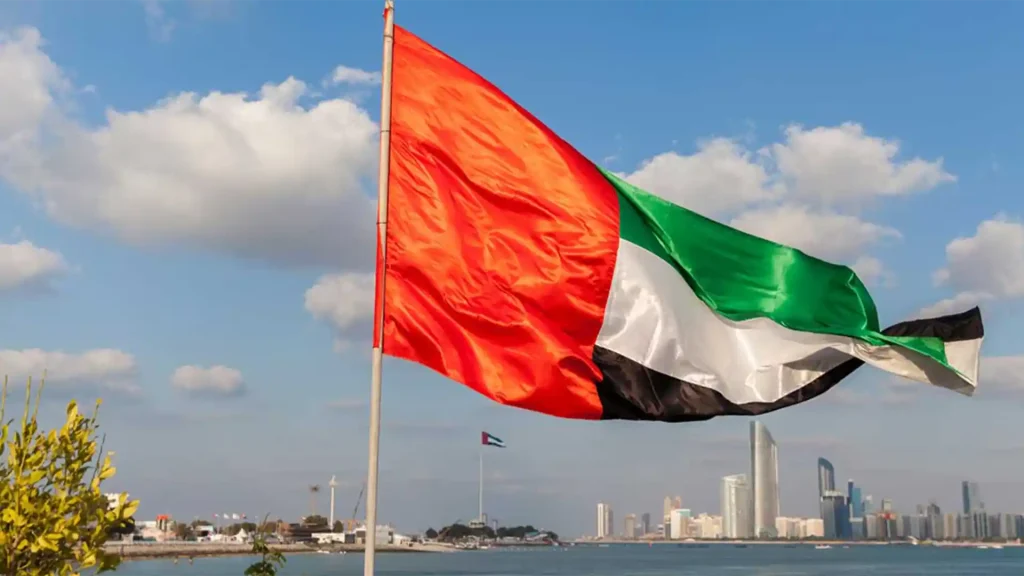
In 1996, the United Arab Emirates formally adopted its permanent constitution, superseding the provisional framework that had governed the federation since its establishment. This milestone codified the nation’s governance structure, clearly defining the roles and authorities of key institutions, including the President, the Supreme Council, and the Federal National Council. Beyond outlining the workings of the federal government, the Constitution also set forth the rights and responsibilities of Emirati citizens, providing a legal foundation for civil, political, and social life. Its ratification represented a crucial step in solidifying the UAE’s political and legal system, reinforcing national stability, and ensuring a structured framework for the continued development of governance, institutions, and the rule of law.
Sheikh Ahmed Al Maktoum made history as the first Emirati athlete to claim an Olympic gold medal, securing victory in the individual double trap shooting competition at the Athens Olympics. His triumph not only placed the UAE firmly on the international sports stage but also inspired a new generation of athletes to pursue excellence and ambition in sports. This achievement remains one of the most celebrated moments in the nation’s sporting legacy.
In the same spirit of national progress, the UAE conducted its first-ever elections for the Federal National Council (FNC), marking a historic milestone in the country’s political evolution. Citizens were empowered to vote for half of the Council’s members, increasing public participation in governance and reinforcing the UAE’s consultative system. This pioneering step demonstrated the country’s commitment to fostering participatory governance and strengthening the relationship between government institutions and the people.
Meanwhile, the UAE made a major technological leap with the launch of DubaiSat-1, its first domestically produced satellite. This achievement represented a significant milestone in the nation’s space program, as the satellite was designed for Earth observation and provided high-resolution imagery for applications such as urban planning, environmental management, and disaster response. Among its first transmissions was a detailed image of the iconic Palm project, which became one of the first publicly released pictures confirming the satellite’s successful operation and the UAE’s growing capabilities in space technology.
Together, these achievements in sports, politics, and science highlight the UAE’s multifaceted progress, showcasing the nation’s ambition, innovation, and commitment to excellence across different fields.
The launch of the Dubai Metro marked a groundbreaking development in the UAE’s public transportation landscape, becoming the first mass-transit system of its kind in the region. This fully automated, driverless network linked major districts across the city, providing residents and visitors with a modern, efficient alternative to road travel while helping to reduce traffic congestion. The Metro’s introduction reflected Dubai’s forward-thinking approach to urban planning, smart infrastructure, and sustainable mobility, setting new standards for public transport in the Middle East.
Another iconic milestone in Dubai’s modern history was the official opening of the Burj Khalifa, the world’s tallest skyscraper. Towering at an impressive 828 metres, the Burj Khalifa symbolized Dubai’s transformation into a global city and a hub for innovation, design, and economic development. The record-breaking structure captured international attention, showcasing the UAE’s ambition and capabilities in architecture and engineering. Beyond its stature, the tower became a magnet for tourism, investment, and global recognition, reinforcing Dubai’s vision of becoming a leading center for business, culture, and urban innovation.
In the realm of defense and gender equality, Major Mariam Al Mansouri achieved a historic milestone as the UAE’s first female fighter pilot. Breaking new ground in a traditionally male-dominated field, she demonstrated the expanding opportunities for Emirati women across the military and other professional sectors. Her accomplishment not only highlighted the growing role of women in areas such as aviation, technology, and defense but also served as an inspiring example for young Emiratis, encouraging them to pursue ambitious careers and challenge societal norms. Major Al Mansouri’s pioneering success became a powerful symbol of progress, empowerment, and the UAE’s commitment to gender equality and inclusion.
Collectively, these milestones—from the Dubai Metro and Burj Khalifa to Major Al Mansouri’s trailblazing achievement—reflect the UAE’s vision for progress across infrastructure, innovation, and social development. Each represents a step toward modernity, demonstrating the nation’s dedication to creating world-class facilities, fostering talent, and empowering its citizens while continuing to strengthen its position on the global stage.
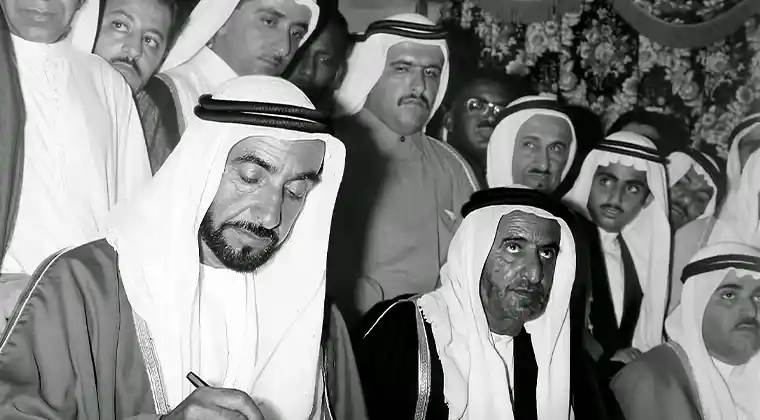
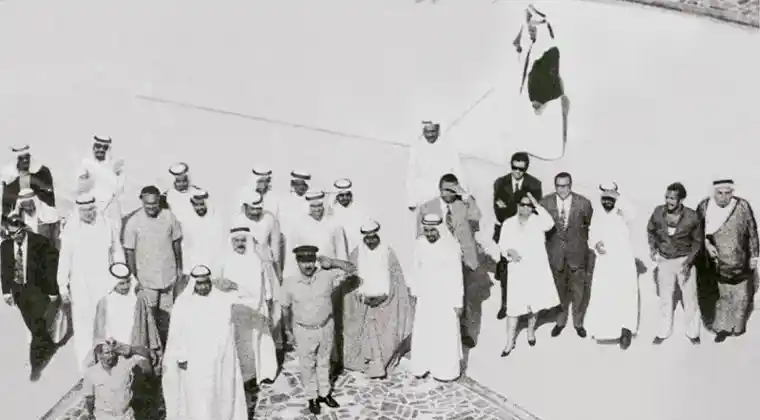
The UAE reached a historic milestone in its space program when astronaut Hazzaa Al Mansouri became the first Emirati to journey into space. Traveling aboard a Soyuz spacecraft, he spent eight days on the International Space Station, where he conducted scientific research and represented the nation on a global platform. His mission not only showcased the UAE’s growing accomplishments in space exploration but also served as an inspiration for young Emiratis to pursue careers in science, technology, and space research, signaling the country’s commitment to developing talent in advanced scientific fields.
Further cementing the UAE’s position as a regional space pioneer, the nation achieved another groundbreaking feat with the successful arrival of the Hope Probe in Mars’ orbit. This historic mission made the UAE the first Arab country to reach the Red Planet, providing unprecedented data on Mars’ atmosphere and climate. The project demonstrated the UAE’s rapidly advancing technological capabilities and highlighted the nation’s ability to carry out complex interplanetary missions. The success of the Hope Probe strengthened the UAE’s standing in global space research and positioned it as a leader in innovative scientific exploration within the Arab world and beyond.
In addition to these remarkable achievements in space, the UAE hosted the highly anticipated Dubai Expo 2020, marking a significant moment in the country’s global engagement. Despite delays caused by global challenges, the Expo successfully brought together nations from around the world to celebrate innovation, culture, and collaboration. Millions of visitors and participants experienced the UAE’s state-of-the-art infrastructure, cutting-edge exhibits, and diverse cultural programs. The event underscored Dubai’s ability to host a mega international gathering and highlighted the UAE’s vision as a hub for global creativity, knowledge sharing, and international cooperation, reinforcing its reputation as a center for innovation and progress.
Collectively, these milestones—from Hazzaa Al Mansouri’s space mission to the Hope Probe’s success and the Dubai Expo—illustrate the UAE’s determination to push boundaries in science, technology, and global engagement. They reflect a nation that invests in innovation, inspires its youth, and positions itself as a trailblazer on the world stage, shaping the UAE’s legacy as a forward-looking and ambitious country committed to excellence across multiple fields.
The Ruler of Sharjah launched an ambitious agricultural initiative in Mleiha, a project that eventually expanded over 1,900 hectares, transforming what was once barren desert into productive farmland. Nestled amid rugged mountain terrain, the area now features sprawling green fields arranged in distinctive circular patterns. This groundbreaking endeavor defied earlier doubts about cultivating wheat in arid conditions, demonstrating the power of innovative farming techniques and the UAE’s commitment to achieving food security. The project stands as a testament to the nation’s ability to turn challenging desert landscapes into fertile, sustainable agricultural land through vision, technology, and strategic planning.
In the realm of space exploration, the UAE achieved another historic milestone when astronaut Sultan AlNeyadi embarked on a six-month mission aboard the International Space Station (ISS). During his time in orbit, he became the first Arab astronaut to conduct a spacewalk, marking an unprecedented achievement for the region. AlNeyadi’s mission highlighted the UAE’s growing scientific and technological expertise while inspiring a new generation of Emiratis to explore careers in space research, engineering, and advanced sciences. This achievement reinforced the nation’s position as a leader in regional and global space innovation.
Meanwhile, the UAE introduced a refreshed symbol for its national currency, the dirham, drawing inspiration from the colours and design of the country’s flag. The updated symbol represents the UAE’s modern economic identity and serves as a distinctive visual mark for the currency on the global stage. Its adoption underscores the nation’s dedication to financial innovation and reinforces pride in the country’s monetary system, making the dirham instantly recognisable as a symbol of national progress, economic stability, and forward-looking vision.
Together, these milestones—from pioneering agriculture in Mleiha and historic achievements in space to modernising the dirham—illustrate the UAE’s multifaceted development across technology, science, and national identity. Each initiative reflects the country’s focus on innovation, sustainability, and global leadership, showcasing its ability to turn ambitious ideas into tangible accomplishments that inspire both citizens and the international community.