
Airbus has initiated a recall affecting more than six thousand A320 aircraft, a move that is expected to cause widespread schedule disruptions and significant delays across global airline operations worldwide.
Airbus Orders Recall of 6,000+ A320 Jets, Triggering Major Flight Disruptions.
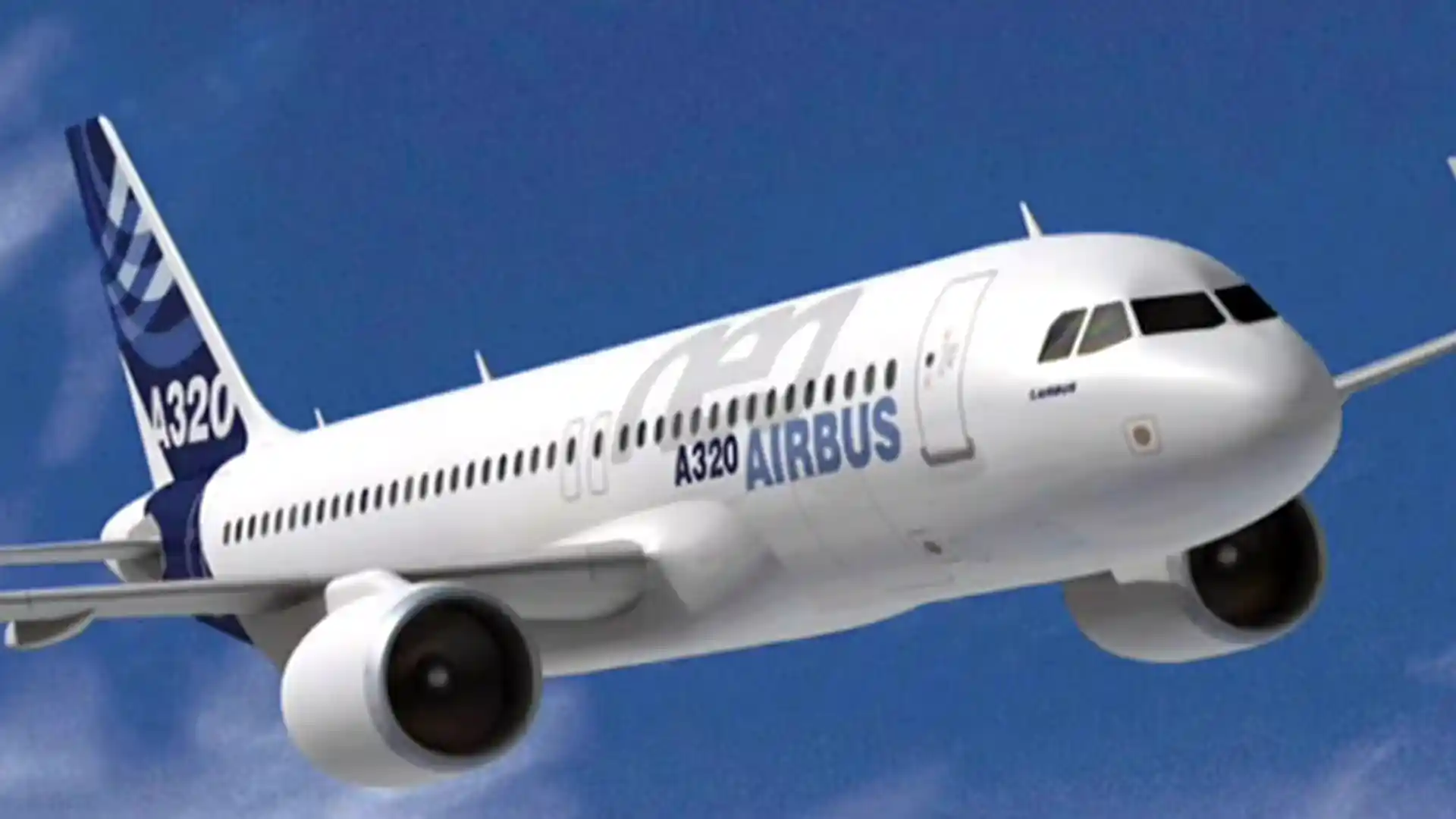
Europe’s Airbus announced on Friday that it is implementing an urgent software modification for a large portion of its highly successful A320 family of aircraft. According to industry insiders, this action is expected to affect approximately 6,000 jets worldwide, representing more than half of the entire global A320 fleet. The decision follows a detailed internal review prompted by a recent operational incident involving an aircraft from the A320 series.
In its official statement, Airbus explained that the incident brought to light a previously unidentified vulnerability linked to exposure to exceptionally strong solar radiation. Engineers determined that, under rare but intense solar conditions, certain onboard systems could experience data corruption. The affected data is considered essential to the reliable performance of the aircraft’s flight-control mechanisms, which manage key functions such as stability, maneuvering, and automated responses during various phases of flight.
Although Airbus emphasized that no accidents or injuries resulted from the incident, the manufacturer decided to move swiftly out of an abundance of caution. The recommended software update is designed to strengthen the aircraft’s protection against data inconsistencies, ensuring that flight-control operations remain fully reliable even during episodes of heightened solar activity.
Airbus also noted that the issue is not related to hardware defects but rather to the way specific software components interpret signals under extreme radiation exposure. Aviation regulators were promptly informed, and airlines operating the affected jets have begun coordinating with Airbus to schedule the necessary updates. While the modification process is expected to be relatively straightforward, the large number of aircraft involved means operators may experience logistical challenges in managing their fleets during the rollout period.
The company reaffirmed its commitment to safety and transparency, stressing that proactive measures like this are essential to maintaining strong industry confidence in one of the world’s most widely used commercial aircraft families.
Airbus stated that it is fully aware the proposed actions will inevitably create challenges for airlines and inconvenience travelers. The company noted that the required updates and related safety measures may interrupt normal flight schedules, potentially causing delays, cancellations, and other disruptions across various routes. Despite anticipating these difficulties, Airbus emphasized that implementing the changes is essential to maintaining the highest safety standards and ensuring long-term reliability for customers. The manufacturer added that it is working closely with airline partners to minimize the impact wherever possible, but acknowledged that some disturbance to regular operations cannot be avoided.
Airbus announced that the European Union Aviation Safety Agency (EASA) is preparing to release an emergency airworthiness directive in response to the issue, a move that underscores the seriousness with which regulators are treating the situation. This directive will formally instruct airlines and maintenance organizations on the immediate steps required to ensure the continued safety and reliability of the A320 family of aircraft affected by the software problem.
According to individuals familiar with the matter, roughly two-thirds of the jets involved will need to be taken out of service for a short period so operators can reinstall an earlier version of the aircraft’s software. This temporary rollback is intended to eliminate the risk linked to the current system while Airbus works on a more permanent corrective update. Although the grounding period for these aircraft is expected to be relatively brief, the sheer number of airplanes that must undergo the process will create added strain for airlines already managing complex schedules.
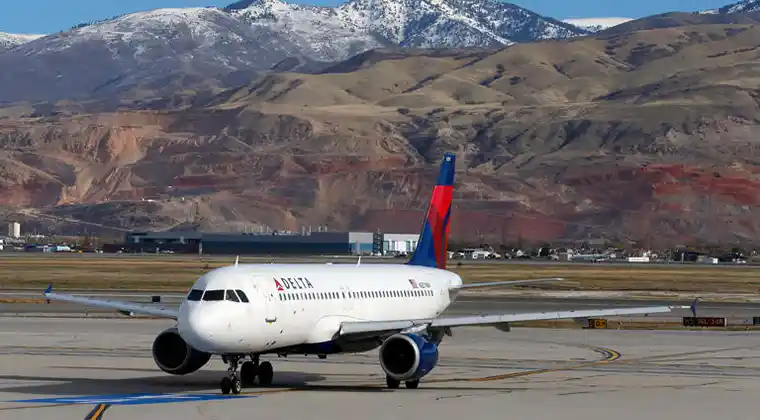

The overall scale of the recall, however, is likely to produce far-reaching operational challenges. Industry analysts have warned that the timing could not be more inconvenient, as the disruption coincides with what is traditionally the busiest travel weekend of the year in the United States. With passenger volumes surging and carriers operating near full capacity, even short-term grounding of aircraft can trigger cascading effects across domestic and international networks. Flight delays, mechanical bottlenecks, and last-minute cancellations may become more frequent as airlines struggle to shuffle fleets, reposition aircraft, and allocate crews to maintain service continuity.
Compounding these difficulties is the expectation that several hundred aircraft will require more extensive repairs beyond the software adjustment. For these jets, industry sources say hardware replacements may be necessary to fully address the vulnerability linked to solar radiation interference. Such hardware modifications will demand longer maintenance periods—possibly stretching into several weeks—resulting in sustained removal of those aircraft from fleets. This extended downtime may force airlines to adjust capacity, temporarily retire older aircraft from storage, or lease additional planes to cover gaps in their schedules.
Airbus has acknowledged that the combined effect of software rollbacks, mandatory inspections, and potential hardware changes represents a substantial operational undertaking for airlines around the world. While the manufacturer and regulators emphasize that safety remains the highest priority, the industry is preparing for a period of notable turbulence as carriers navigate the logistical and economic repercussions of the directive.
Airlines Preparing for Impact
Airlines around the world are beginning to outline how the recently announced Airbus directive will affect their operations, with several carriers acknowledging that their fleets include aircraft requiring the newly mandated software changes. As the scope of the issue becomes clearer, some airlines have begun proactively warning passengers to expect possible schedule disruptions in the coming days.
Wizz Air, one of Europe’s largest low-cost carriers and a major operator of the A320 family, confirmed that a number of its planes fall within the group identified by Airbus as needing the immediate update. A spokesperson for the airline explained that Wizz Air has already arranged the necessary maintenance slots to comply with the directive, and that the work will be carried out as quickly as possible. However, they noted that because the checks coincide with a busy travel period, some flights—particularly those scheduled for the upcoming weekend—may face delays or operational adjustments. The airline stressed that safety remains its highest priority and said it would make every effort to keep disruptions to a minimum, though it acknowledged that the scale of the recall makes some impact unavoidable.
In India, national carrier Air India has also issued a public notice to alert travelers that its schedules may be affected. The airline said it wants passengers to be aware of the possibility of delays as it carries out the required technical procedures on its own A320-series aircraft. Air India operates a sizable number of planes from this family on domestic routes and key international connections, meaning even small maintenance-related delays could ripple through its network.
In its advisory, Air India stated that it had been informed of Airbus’ instructions regarding aircraft currently in active service with global operators. The airline said the mandate would require a combination of software and—where necessary—hardware adjustments on a portion of its A320 fleet. These mandated changes, it explained, would result in longer turnaround times between flights, as aircraft will need more extensive system checks before returning to service. The carrier emphasized that such work is essential to ensure long-term safety and compliance with manufacturer guidelines, even though it may cause temporary inconvenience to travelers.
Air India added that it regrets the potential travel disruptions passengers may experience while the required updates are performed across its fleet. The airline reassured travelers that its engineering teams are working closely with Airbus and aviation regulators to ensure that all necessary modifications are completed as efficiently as possible. Until the updates are fully implemented, the airline expects that some flights may operate behind schedule, and it encouraged passengers to monitor their flight status and allow additional time at airports when traveling during this period.
The broader aviation sector is bracing for continued operational challenges as more airlines disclose that their fleets include aircraft subject to the directive. The A320 family is among the most widely used commercial aircraft lines in the world, serving short- and medium-haul routes across Europe, Asia, and the Americas. Because so many carriers depend on these jets for high-frequency service, even brief interruptions required for software rollbacks or hardware checks can create significant pressure on flight schedules.
Industry analysts say the full effects of the directive will likely become visible over the coming week as airlines rotate aircraft through maintenance, adjust fleet deployment, and reorganize crew assignments. Some carriers may turn to wet-leasing arrangements, substitute alternate aircraft types, or consolidate lightly booked flights in order to manage capacity constraints created by the temporary grounding of individual jets.
While airlines universally acknowledge the inconvenience these disruptions may cause, most have also expressed support for Airbus’ decision to issue the directive quickly. The consensus among carriers is that acting early—before any major safety incident occurs—is the most responsible approach, even if it results in short-term operational strain. Passengers, meanwhile, are being advised to stay informed, check airline notifications regularly, and expect possible delays until the required system updates are fully completed across global fleets.

Reports indicate that the aircraft, operating as Flight 1230, experienced a sudden and unexplained flight-control anomaly while cruising. Passengers on board later recalled a dramatic and unexpected loss of altitude that caused significant distress. The crew acted quickly, declaring an emergency and guiding the plane to Tampa International Airport in Florida, where it touched down safely. Emergency services were ready upon arrival, and several individuals were transported to local hospitals for evaluation. Although no fatalities occurred, the drop in altitude and abrupt maneuvers led to injuries among passengers and crew members, some caused by the jolt itself and others by the turbulence of the emergency descent.
Aviation investigators and engineers were immediately tasked with examining the incident, and their preliminary findings ultimately prompted Airbus to recommend a broad review of the systems used in its A320-family aircraft. The sudden, uncommanded descent raised concerns about how the aircraft’s flight control systems handled certain data inputs. After further examination, Airbus determined that exposure to unusually high levels of solar radiation may have interfered with onboard systems and corrupted critical data used by flight-control computers. This factor, while extremely rare, was significant enough for the manufacturer to take action and advise airlines to implement software fixes and, in some cases, hardware changes.
The A320 family is central to the operations of numerous airlines across the globe, which makes the impact of the directive particularly far-reaching. According to Airbus, the world’s fleets currently include approximately 11,300 A320-series aircraft. This total encompasses multiple variants, including the A319, A320, A321, and their newer “neo” counterparts. Among these, the core A320 model remains the most common, with around 6,440 units in active service. These aircraft fly countless short- and medium-haul routes every day, forming the backbone of airline schedules in North America, Europe, Asia, and beyond.
Because the A320 family is so widely used, even a short-term grounding or maintenance requirement affects global aviation networks almost instantly. Airlines rely on the efficiency and reliability of these aircraft to operate high-frequency routes, manage tight turnarounds, and maintain schedule consistency. With this directive, operators must now juggle the demands of mandatory inspections and repairs while still serving heavy passenger loads. The situation is especially challenging during peak travel periods, when carriers have limited spare aircraft and little room to maneuver.
As part of the response, many airlines have established dedicated teams to coordinate the implementation of the required changes. Maintenance planners are rearranging hangar slots, engineering departments are consulting closely with Airbus technical staff, and operations control centers are running multiple contingency scenarios to keep flights moving as smoothly as possible. Carriers are also preparing to communicate updates more frequently as new information becomes available and as the progress of the fleet-wide updates becomes clearer.
Passengers, meanwhile, are being urged to stay flexible and patient as airlines work through the technical requirements. While most flights may proceed without interruption, the potential for cascading delays remains high, especially if aircraft rotations become disrupted. Airlines hope that by notifying travelers early—and by encouraging them to check flight status online—they can reduce confusion and ensure passengers have time to adjust plans if needed.
Industry experts note that although the directive has caused short-term turbulence in airline schedules, Airbus’ decision to act swiftly demonstrates a safety-first approach. By addressing the issue early, even before any catastrophic incident occurred, both the manufacturer and regulators aim to preserve confidence in one of the most successful aircraft families in aviation history.