Trump has suggested temporarily stopping immigration from economically disadvantaged nations, arguing that a pause is necessary to ease pressure on the overloaded U.S. immigration system and allow it to stabilize and function effectively.
Trump proposes pausing entries from poorer countries to give America’s immigration system time to recover.
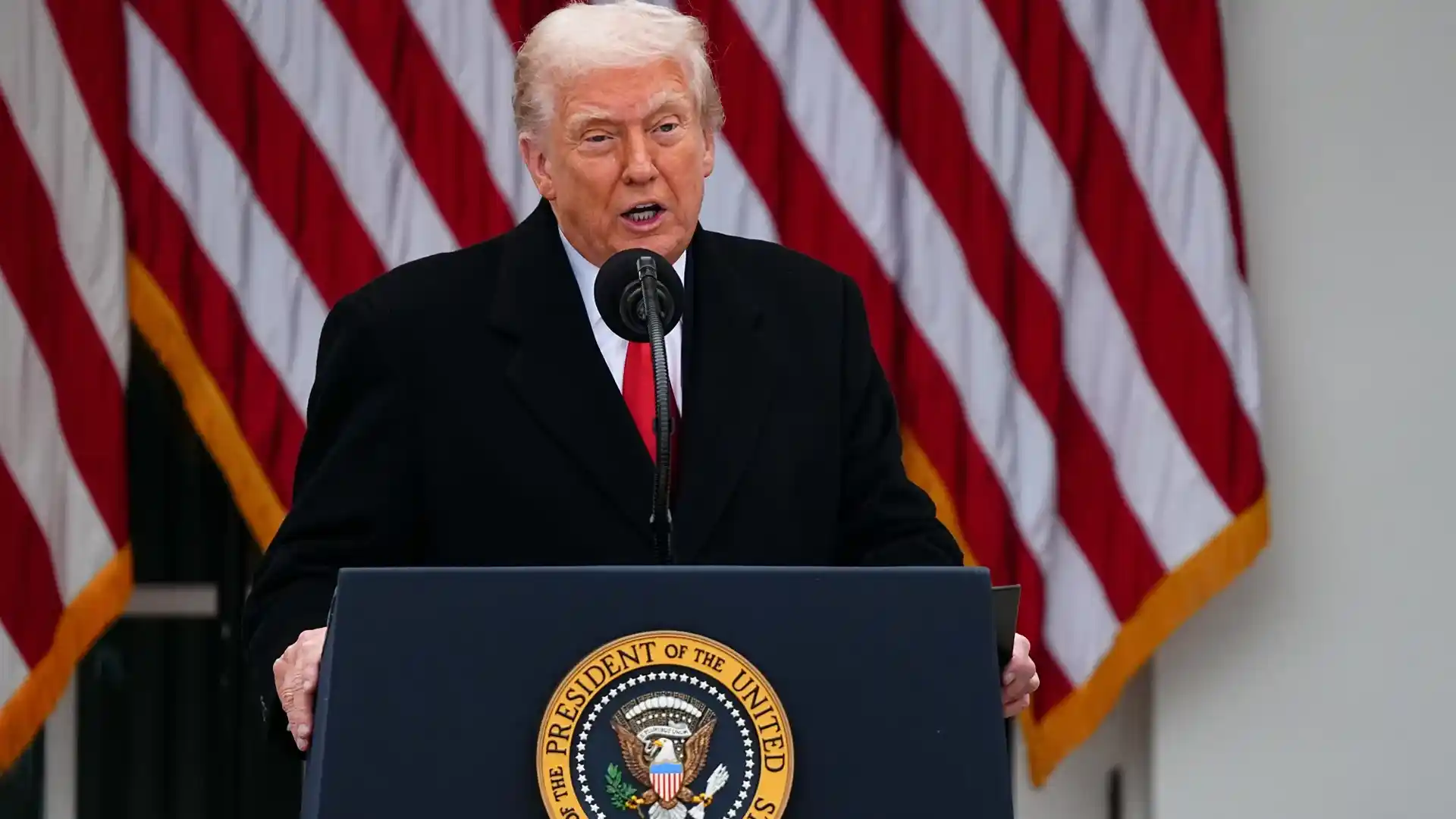
During a press briefing on Friday, U.S. President Donald Trump announced that his administration intends to implement what he described as a “permanent pause” on immigration from what he referred to as third-world nations. According to Trump, this measure is necessary to give the American immigration system the opportunity to “fully recover” from what he claims is long-standing strain caused by high levels of arrivals from economically struggling regions. He emphasized that the U.S. institutions responsible for processing, screening, and integrating newcomers are overwhelmed and require time to stabilize before any further large-scale intake continues.
Trump framed the decision as a matter of national security as well as administrative necessity, arguing that a sharp reduction in new entries would allow federal agencies to tighten their vetting procedures, overhaul outdated processes, and regain control of what he characterized as a system under distress. He insisted that his administration’s priority is to restore order, improve safety, and ensure that any future immigration occurs under stricter regulations and more robust oversight.
The President’s remarks came less than 24 hours after a tragic incident in Washington, D.C., which quickly became the focal point of political debate. On Thursday, a member of the National Guard was fatally shot near the White House in what authorities believe was a targeted ambush. Initial investigative reports identified the suspected shooter as an Afghan national, a detail that immediately intensified discussions around border control, refugee admissions, and background checks. The shooting sent shockwaves through the capital, especially given its proximity to one of the most heavily secured areas in the country.
Trump condemned the attack in strong terms, calling it “an act of terror” and using the incident as further justification for his proposed immigration freeze. He argued that the tragedy demonstrates what he views as vulnerabilities within the existing screening systems, claiming that such weaknesses pose a threat not only to national security but also to those serving in uniform. The President expressed condolences to the family of the slain National Guard member, praising the individual’s service and stating that the government had a responsibility to prevent similar incidents from occurring in the future.
In his remarks, Trump reiterated that the proposed halt on migration would remain in effect until federal agencies complete a comprehensive review of immigration pathways, enforcement mechanisms, and security protocols. He suggested that the pause could pave the way for a new set of regulations aimed at more selective admissions based on merit, security considerations, and economic benefit to the United States.
The announcement quickly sparked intense reactions across the political spectrum. Supporters argued that a decisive stance was long overdue and essential for protecting American personnel and communities. Critics, however, warned that using a single incident as a basis for sweeping immigration restrictions could inflame tensions, marginalize vulnerable groups, and harm international relationships.
Regardless of the ongoing debate, Trump made it clear that his administration views the new policy as a decisive step toward restructuring the nation’s approach to immigration and preventing future threats while the system undergoes what he called a necessary period of “recovery.”
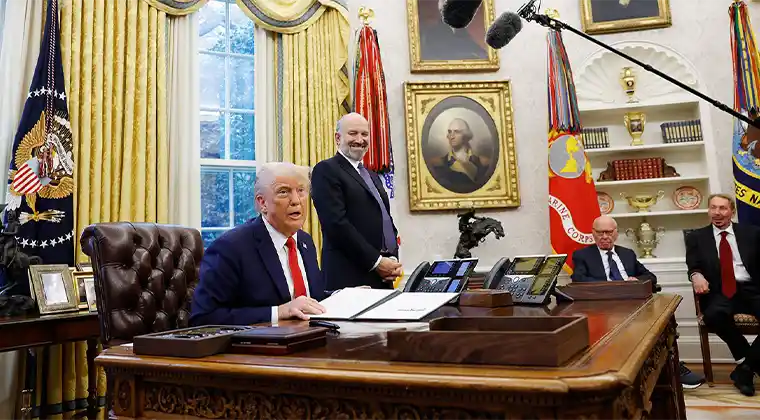
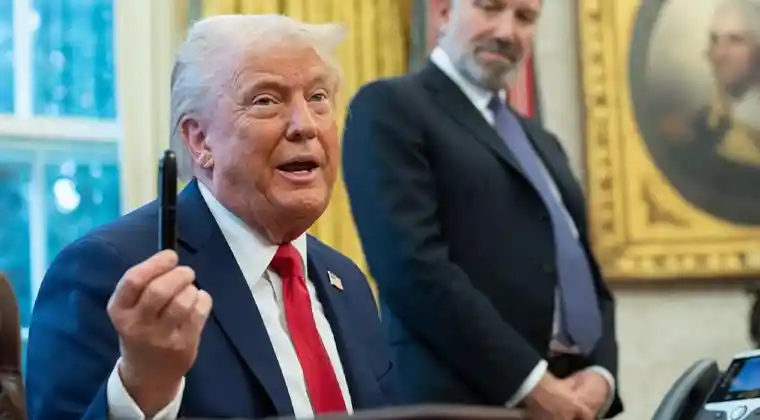
In a separate message shared on his social media platform, Truth Social, former President Donald Trump outlined additional measures he intends to pursue regarding immigration and the status of non–U.S. citizens living within the country. In his post, Trump declared that his administration would move to eliminate all forms of federal financial assistance, subsidies, and benefits currently available to individuals who are not U.S. citizens. According to him, federal resources should be reserved exclusively for Americans, and restricting access to government-funded programs would reinforce that principle.
Trump went on to explain that these proposed actions would be part of a broader effort to tighten immigration laws and redefine the obligations of those who enter or reside in the United States. He stated that he would seek not only to end federal support for noncitizens but also to revoke citizenship from individuals who, in his view, act against the country’s peace and stability. He described this process as “denaturalization” for migrants who, according to him, threaten the nation’s domestic tranquility or violate the expectations placed upon new citizens.
His message further emphasized that the U.S. government, under his leadership, would remove or expel any noncitizen who is considered a burden on public resources, poses a potential danger to national security, or does not align with what he characterized as the values and cultural framework of Western society. Trump argued that such steps are necessary to preserve public safety, maintain national identity, and protect federal institutions from what he sees as avoidable strain.
The remarks represent a continuation of Trump’s long-standing focus on restrictive immigration policies and stricter vetting procedures. His statements quickly drew public attention, sparking debate among supporters and critics about the scope, legality, and implications of such proposals.
The President concluded his remarks with a pointed Thanksgiving message that mixed well-wishes with a stern warning. He extended warm holiday greetings to the American public but made it clear that his goodwill did not extend to those he believes seek to harm the nation. In his closing words, he emphasized that individuals who, in his view, spread hatred, commit violent acts, or work to undermine the principles the United States was built upon would not be welcomed or tolerated. He suggested that anyone engaging in behavior that threatens the country’s safety, values, or stability would soon find themselves unwelcome within its borders. The statement wrapped up with a sharp reminder that such people “won’t be here for long,” reinforcing his administration’s intent to take strong action against those he perceives as destructive influences during a time traditionally associated with unity, gratitude, and national reflection.
The shift in policy signals a noticeably tougher tone on immigration matters within the United States, underscoring a broader transformation in the administration’s approach under President Donald Trump. The announcement was delivered only a day after another significant decision in Washington—one that involved halting the processing of all immigration applications connected to Afghan nationals. This indefinite suspension was put in place to allow federal agencies to conduct an extensive reassessment of their security procedures, screening methods, and overall vetting systems. Officials indicated that the pause would remain until the government completes a thorough investigation into potential vulnerabilities, with the stated goal of preventing future lapses and strengthening the integrity of the immigration pipeline.
This abrupt freeze on Afghan-related cases has drawn widespread attention because it represents one of the most sweeping single-nation immigration actions taken since Trump returned to office earlier in the year. While the administration did not disclose exact timelines for when the review would conclude, statements from senior officials emphasized that the government intends to examine every stage of the process—from initial application submission to background checks, intelligence sharing, and final admissions. The reassessment, they said, aims to ensure that individuals entering the United States meet heightened standards of reliability, security compliance, and cultural compatibility.
Trump’s broader strategy since reassuming the presidency has been defined by a decisive hardening of immigration policy compared to previous years. Throughout his renewed term, he has repeatedly stressed that securing the nation’s borders must remain one of the government’s highest priorities. In doing so, he has pushed for a dramatic tightening of enforcement operations, stricter oversight of asylum processing, and a faster reversal of regulations introduced by the prior administration. According to Trump, these steps are necessary to correct what he views as years of overly lenient policies that, in his view, jeopardized national security and strained local resources.
Under his leadership, agencies responsible for immigration enforcement have been directed to adopt more aggressive operational tactics. These measures include expanded deportation efforts, accelerated detention proceedings, and the reinstatement of policies that place greater pressure on undocumented migrants to leave the country voluntarily or face expedited removal. Moreover, the administration has sought to reduce what it describes as loopholes in asylum law—adjustments that include narrowing eligibility criteria, increasing documentation requirements, and fast-tracking the evaluation process so that applicants receive decisions more quickly.
Another hallmark of Trump’s renewed immigration agenda has been the reconstruction of physical and technological border infrastructure. The administration has pushed for repairs and extensions of existing barriers, as well as the introduction of surveillance systems designed to detect illegal crossings more efficiently. Officials have argued that technological enhancements, such as advanced sensors and upgraded scanning equipment at ports of entry, are essential to preventing the entry of individuals who may pose national security risks.
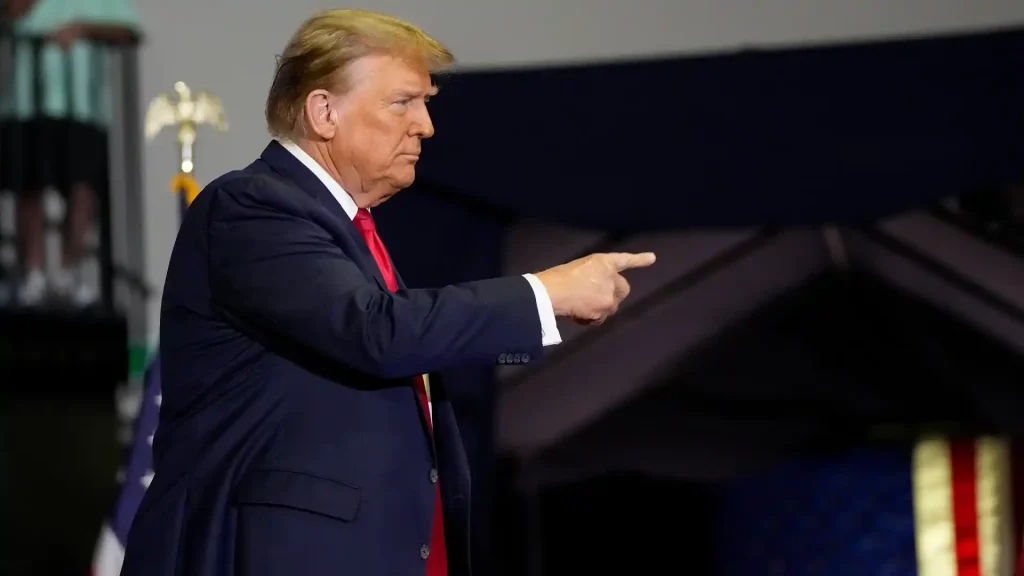
Furthermore, the administration has prioritized strengthening partnerships with local law-enforcement agencies—encouraging cooperation between federal immigration authorities and police departments across the country. This includes expanding the use of programs that allow local officers to assist in identifying individuals without legal status and facilitating their transfer into federal custody. Supporters of the approach argue that these collaborations improve public safety by ensuring that dangerous individuals do not evade detection. Critics, however, contend that intertwining local policing with federal immigration enforcement can erode trust between immigrant communities and law enforcement, making neighborhoods less safe overall.
Trump has defended his strategy by asserting that an uncompromising stance is necessary to safeguard the nation’s long-term stability. He has repeatedly argued that the immigration system has suffered from systemic strain, rising caseloads, and insufficient resources—conditions that, according to him, justify strong intervention. The indefinite suspension of Afghan immigration cases, he said, is an example of the administration acting swiftly to prevent potential security failures and to ensure that every person entering the country undergoes what he describes as meticulous and comprehensive scrutiny.
Opponents of the administration’s shift fear that the aggressive measures will isolate vulnerable groups, create diplomatic tensions, and damage America’s reputation as a refuge for people fleeing war, instability, or oppression. Policy analysts have also voiced concern that blanket suspensions and categorical restrictions may overlook legitimate applicants who pose no risk. Supporters of the administration, however, argue that national security must take precedence and that a more selective, carefully controlled immigration system will ultimately benefit the country.
What remains clear is that Trump’s return to office has ushered in a period of significant recalibration within the U.S. immigration framework. From the freezing of Afghan-related applications to the broader tightening of border controls, the administration appears committed to reshaping the nation’s approach to immigration with swift, forceful, and far-reaching policy decisions—signaling a long-term course toward stricter enforcement and more stringent entry requirements.