
UAE specialists examine the influence of the Abraham Accords, highlighting how the agreements are altering strategic relationships and geopolitical interactions involving China, Iran, and the broader regional landscape.
UAE Experts Discuss How the Abraham Accords Are Changing Geopolitical Dynamics in China and Iran.
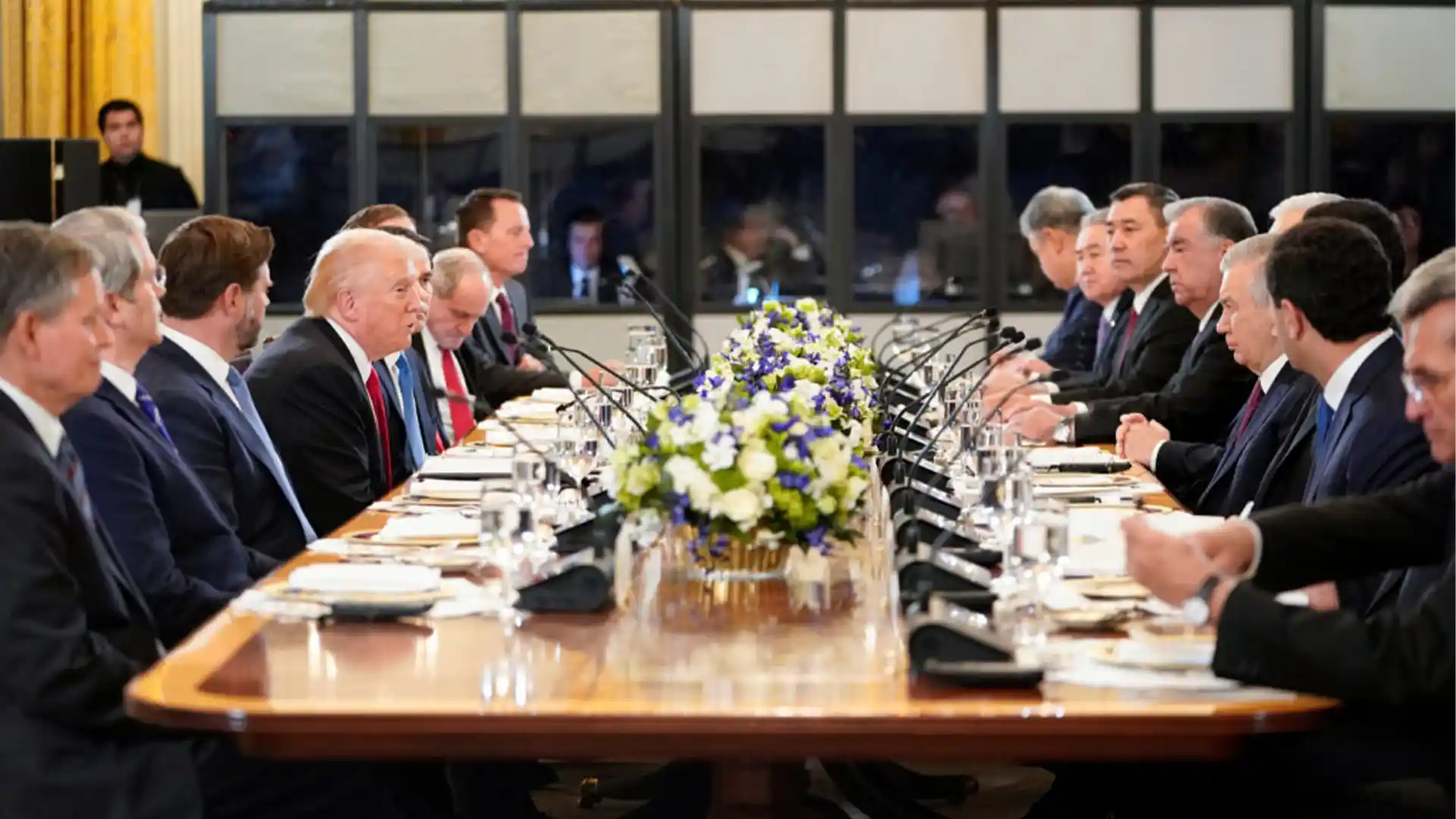
Experts at a recent policy panel highlighted that the Abraham Accords are having far-reaching effects on global geopolitics, extending well beyond the immediate Middle Eastern region. These landmark agreements are not only redefining relationships between the signatory countries but are also influencing the strategic calculations of major global powers. In particular, analysts noted that China is adjusting its approach to regional and continental affairs in Asia in response to the shifting political landscape created by the accords. At the same time, the United States is reevaluating and reorganising its international infrastructure and economic initiatives, taking into account the new alliances and partnerships emerging from these agreements. Panelists emphasized that the Accords are acting as a catalyst for broader geopolitical realignments, creating opportunities and challenges for both regional and global actors. The discussions underscored how these developments are shaping international diplomacy, trade strategies, and long-term security considerations.
During the Abraham Accords Conference held in Abu Dhabi, several speakers highlighted the significant connections between the Abraham Accords and broader geopolitical maneuvers in the Middle East and beyond. In particular, attention was drawn to the 25-year Comprehensive Strategic Partnership Agreement between China and Iran, which was signed in 2021. Panelists emphasized that this long-term pact was closely linked to the rapid diplomatic shifts occurring in the region, including the normalization of relations between the UAE and Israel. Experts noted that the timing of China and Iran’s agreement was unlikely to be coincidental, suggesting that it represented a deliberate response to the changing balance of power in the Middle East.
Chelsi Mueller, a researcher at the Moshe Dayan Center, explained that the China-Iran pact can be interpreted as a strategic countermove aimed at offsetting the regional transformations triggered by the UAE-Israel normalization. She argued that Beijing’s actions reflected a careful calculation of how the Abraham Accords were reshaping alliances, trade patterns, and security dynamics in the Middle East. According to Mueller, China viewed the Accords not merely as a regional development but as part of a wider geopolitical strategy in which the United States was seeking to recalibrate its influence. In particular, she pointed out that the Accords were seen by Beijing as intertwined with Washington’s broader initiatives in the Indo-Pacific, suggesting that regional realignment in the Middle East could have implications far beyond the immediate area.
Panelists further underscored that China’s approach to Iran was multifaceted, combining economic, political, and security elements designed to solidify long-term strategic ties. The 25-year agreement, in this context, can be seen as a preemptive measure to ensure that China maintains influence in the Middle East even as the Abraham Accords accelerate normalization processes between Israel and several Arab states. The timing of the pact, just a few months after the UAE-Israel agreement, was interpreted by many analysts as a signal that Beijing was keenly aware of the shifting regional landscape and was positioning itself accordingly.
According to Mueller, the China-Iran partnership reflects a broader pattern of global powers reacting to local diplomatic developments. By forging a long-term, structured relationship with Iran, China aims to secure economic and energy interests, while also hedging against what it perceives as potential U.S.-led strategic encroachment. This perspective reinforces the idea that the Abraham Accords have consequences far beyond bilateral relations, influencing how global actors calculate their strategic priorities in both the Middle East and other regions. Overall, the discussions at the Abu Dhabi conference highlighted the interconnectedness of regional normalization efforts and global strategic planning, illustrating the ripple effects of the Abraham Accords on international diplomacy and long-term security strategies.
Although the Abraham Accords were fundamentally aimed at transforming diplomatic and economic relationships within the Middle East, their influence extended far beyond the region, prompting strategic reassessments in both Tehran and Beijing. Analysts note that Iran and China closely monitored the rapid normalization of ties between Israel and several Arab states, interpreting these developments as a significant recalibration of regional alliances. From their perspective, the Accords not only strengthened the position of the Gulf countries and Israel but also indirectly bolstered the strategic presence of the United States across a broader swath of Asia and the Middle East. The perception in Tehran and Beijing was that Washington, through facilitating and encouraging these new partnerships, was expanding its sphere of influence and consolidating its role as a central actor in regional diplomacy and security.
For Iranian strategists, the normalization of relations between Gulf states and Israel represented a geopolitical challenge, as it signaled a shrinking space for Tehran to exert influence without facing a more united front backed by U.S. support. In response, Iranian policymakers viewed strategic partnerships, particularly with China, as a means to counterbalance the perceived encroachment of American-backed alliances in the region. Meanwhile, Chinese analysts assessed the Accords through the lens of their own global strategy, recognizing that shifts in Middle Eastern diplomacy could have ripple effects on trade routes, energy security, and Beijing’s long-term Belt and Road Initiative objectives. The strengthening of Gulf-Israel ties, accompanied by implicit U.S. backing, was seen as a strategic factor that required careful recalibration of China’s partnerships, particularly with Tehran, to safeguard economic and political interests.
In essence, the Abraham Accords triggered a broader strategic ripple effect. What began as a series of bilateral normalization agreements in the Middle East quickly became a key variable in the geopolitical calculations of global powers. For both Iran and China, the new partnerships were interpreted not merely as regional changes but as part of a wider realignment that had implications for Washington’s influence across Asia, the Gulf, and beyond. The Accords thus underscored how local diplomatic initiatives can reverberate across continents, prompting major powers to rethink alliances, trade strategies, and security priorities in response to a rapidly shifting international landscape.
During discussions at the Abraham Accords Conference, experts highlighted how the agreements are now influencing global infrastructure planning and economic strategy in ways that extend far beyond the Middle East. Chelsi Mueller, a researcher at the Moshe Dayan Center, emphasized that the Abraham Accords have become an integral component of broader international infrastructure competition, particularly as seen through the development of the India–Middle East–Europe Economic Corridor, commonly known as IMEC. According to Mueller, the formation of IMEC relies heavily on the regional cooperation mechanisms created by the UAE-Israel normalization. Without the diplomatic and economic groundwork laid by the Accords, she argued, such a large-scale and interconnected project spanning multiple continents would not have been feasible. “The Abraham Accords provide the foundational framework for IMEC,” she explained, noting that the agreements have enabled trust, coordination, and logistical collaboration between countries that were previously politically or strategically distant.
The importance of the Accords extends beyond regional partnerships, Mueller noted, because they effectively facilitate cross-border coordination on multiple fronts—including transport networks, energy infrastructure, and data-sharing initiatives. By creating a stable environment for cooperation, the UAE-Israel normalization allows nations along the IMEC corridor to plan, invest, and implement projects that would otherwise face delays due to political friction. This has transformed the corridor from a theoretical economic vision into a tangible strategic initiative with far-reaching implications for global trade and investment flows.
Adding to the discussion, Michalis Kontos, Associate Professor at the University of Nicosia, highlighted the broader geopolitical stakes of IMEC. He described the corridor as a deliberate strategic instrument for the United States, designed to act as a counterweight to China’s Belt and Road Initiative (BRI). Kontos explained that Washington views IMEC as a multifaceted response, using it to channel investment, trade, and connectivity projects through a framework aligned with U.S. interests, rather than leaving them predominantly under China’s influence. The corridor, he noted, leverages transport, energy, and data-sharing networks in ways that directly correspond to the pathways enabled by the Abraham Accords. In other words, the Accords are not just bilateral normalization agreements—they have become central to shaping the architecture of U.S.-led infrastructure and economic influence across Asia, the Middle East, and Europe.
Kontos emphasized that IMEC exemplifies how a regional diplomatic initiative can produce global strategic consequences. By stabilizing relations between Israel, the UAE, and other key partners, the Accords make it feasible to implement large-scale transnational projects that are critical to competing with China’s global infrastructure expansion. The corridor represents not only an economic opportunity but also a significant strategic lever, allowing the United States to strengthen partnerships, diversify trade routes, and maintain influence across key energy and technology hubs.
Overall, both Mueller and Kontos underscored that the Abraham Accords have transcended their immediate diplomatic purpose, becoming a foundational element in the planning and execution of major infrastructure initiatives like IMEC. They serve as both a practical and strategic framework, enabling cooperation and creating alternative pathways in global economic competition, particularly in relation to China’s Belt and Road Initiative. In this sense, the Accords are shaping not only regional dynamics but also the architecture of global trade and connectivity for years to come.
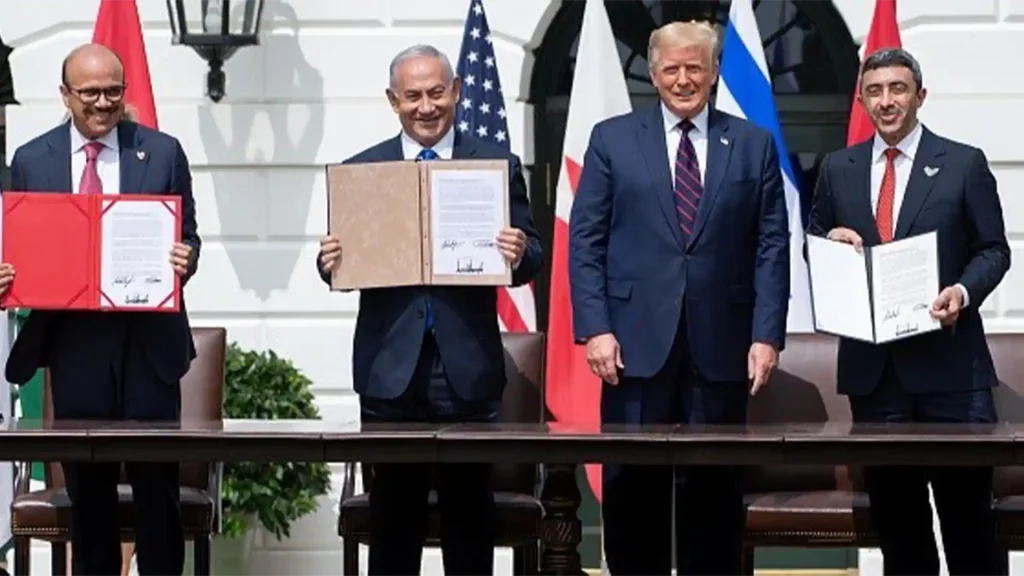
Panelists at the conference highlighted that the Abraham Accords have become more than a regional diplomatic milestone; they now represent a pivotal moment in broader global power dynamics. Experts noted that the coordinated strategies of China and Iran, combined with the development of a U.S.-backed infrastructure corridor that relies on routes made possible by the UAE–Israel normalization, illustrate how the Accords are influencing strategic planning on multiple continents. This framework positions the Abraham Accords as a turning point not only for political and economic relations within the Middle East, but also in the broader contest for influence between major global powers.
The discussion emphasized that as long as the India–Middle East–Europe Economic Corridor (IMEC) continues to function as a key component of U.S. strategy in the Indo-Pacific, its design and operation will remain shaped by the channels opened through the Accords. Simultaneously, the panel observed that China and Iran will continue to adapt their long-term partnerships and agreements in response to evolving regional alignments, ensuring that the implications of these shifts extend well beyond the immediate region. In conclusion, the experts agreed that the Abraham Accords are no longer simply a diplomatic achievement; they are a structural factor with enduring significance for global geopolitics, trade, and strategic competition.