“As the cooler months arrive, medical experts across the UAE are warning residents to stay vigilant, noting a noticeable rise in seasonal viral infections as outdoor barbecuing becomes increasingly popular.”
UAE doctors caution about increasing viral illnesses as barbecue season kicks off.
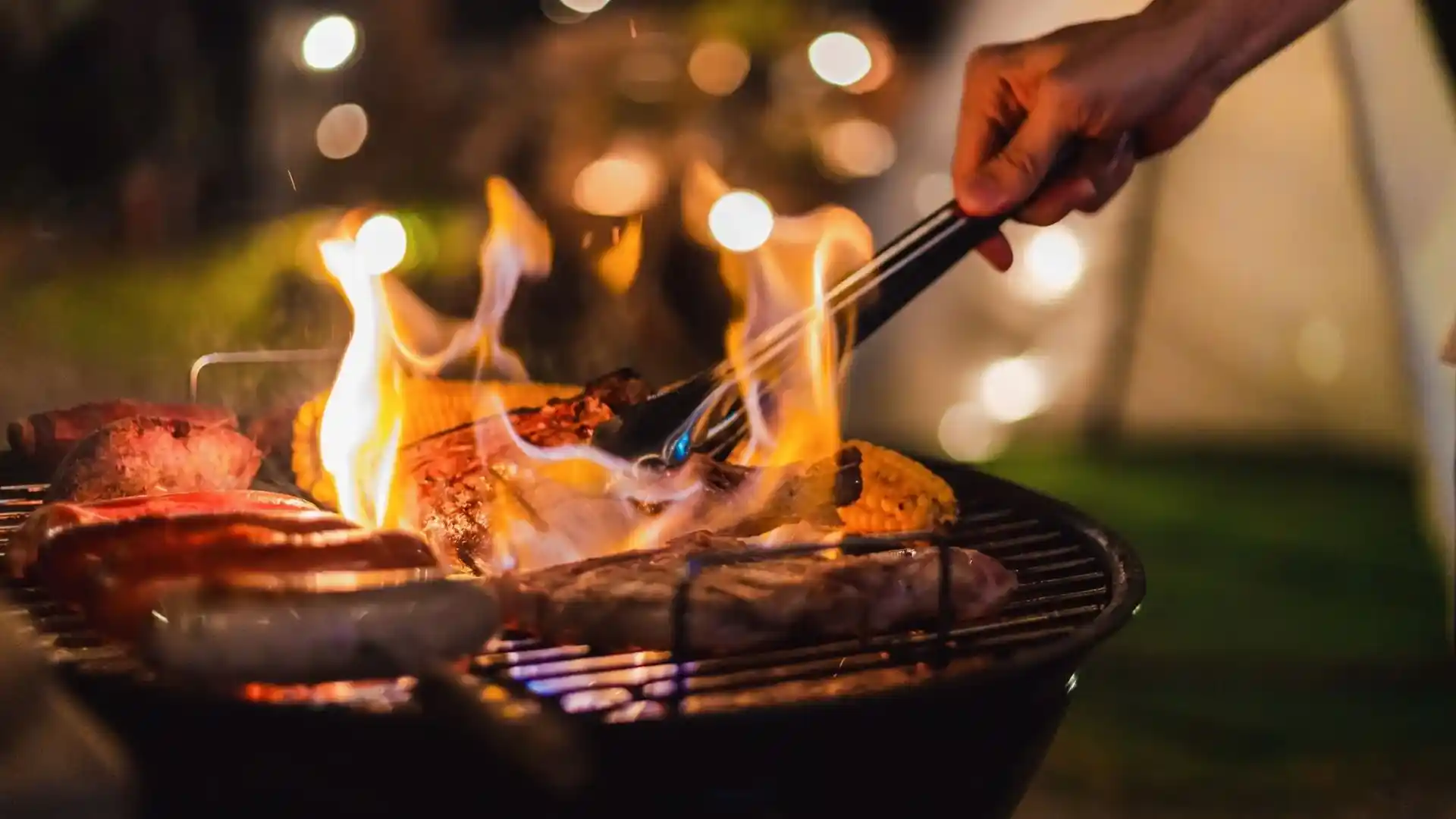
As the UAE transitions into its cooler months, residents eagerly return to outdoor activities—especially camping trips and evening barbecues that have become a seasonal tradition across the country. Families and friends gather in parks, deserts, and beaches to enjoy the pleasant weather after months of intense heat. Yet, while winter brings relief from high temperatures, healthcare professionals are observing a pattern they have come to expect each year: a noticeable increase in people falling ill shortly after these gatherings. According to doctors, the rise in infections has far less to do with the change in climate and far more to do with how food is managed during these popular outdoor events.
Medical specialists across the Emirates explain that winter barbecues often encourage a relaxed atmosphere where safety habits unintentionally slip. Food is commonly transported long distances to campsites, left sitting out for extended periods, or handled by multiple people who may not be aware of proper hygiene practices. What seems like harmless outdoor fun can quickly turn into an ideal breeding environment for harmful viruses and bacteria. As a result, healthcare facilities begin to see a marked spike in gastrointestinal problems at this time of year.
Hospitals have reported a steady increase in cases of viral gastroenteritis—an illness that leads to symptoms such as vomiting, diarrhoea, abdominal pain, and fever. Although these conditions may appear suddenly and feel similar to food poisoning, they are often triggered by viruses that spread more easily when food is improperly stored or when cooking surfaces are not fully sanitised. Doctors point out that during barbecues, raw meat is often kept outdoors without proper cooling, shared utensils may move back and forth between raw and cooked foods, and grills may not be thoroughly cleaned between uses. All of these small oversights accumulate, creating the perfect scenario for contamination.
Experts emphasise that winter weather itself does not cause these illnesses. The misconception that colder temperatures are responsible for an increase in sickness can mislead people into ignoring the real issues. In fact, they say, viruses thrive when food safety rules are not followed, regardless of how pleasant the weather may feel. During outdoor picnics and barbecues, perishable items like chicken, seafood, and marinated meats can spoil quickly if left outside for too long. Even a mild drop in temperature is not enough to prevent bacteria from multiplying.
Doctors also note that outdoor gatherings often involve shared platters, communal snacks, and large groups of people eating in close proximity—all factors that can accelerate the spread of infections. A single contaminated dish or improperly cooked piece of meat can affect many people at once. Moreover, when individuals have minor symptoms and still attend group events, they can unknowingly pass viruses to others through touch, shared surfaces, or food handling.
To reduce the likelihood of falling ill, health experts encourage residents to treat winter barbecues with the same caution they would apply in a kitchen at home. This includes keeping raw and cooked foods separate, ensuring meats are fully cooked at safe temperatures, storing perishables in insulated coolers, washing hands frequently, and cleaning grills before use. By paying attention to these simple measures, families can continue enjoying outdoor winter activities without unknowingly putting themselves at risk.
Overall, while the UAE’s winter barbecue season is cherished for its social warmth and festive atmosphere, doctors remind the public that food safety should remain a priority. With proper care and awareness, residents can make the most of the cooler months without the unwanted side effect of falling ill.




Dr. Prithvi Priyadarshani, a gastroenterologist at Medcare Royal Specialty Hospital, explains that the primary reason many people tend to fall ill during the cooler months is the surge in viral infections. She notes that although many individuals assume the drop in temperature is to blame, it is actually various viruses that circulate more actively during winter that play the biggest role in seasonal sickness. These viruses spread quickly in communities, especially when people spend more time together at indoor and outdoor gatherings, sharing food and close spaces. Dr. Priyadarshani highlights that gastrointestinal viruses, in particular, become significantly more common as the weather cools, leading to symptoms such as vomiting, diarrhoea, and stomach pain. According to her, understanding how these infections spread and recognising their early signs is essential for preventing outbreaks. She emphasises that maintaining strong hygiene practices and being cautious with food handling can greatly reduce the chances of getting sick.
Lorem ipsum dolor sit amet, consectetur adipiscing elit. Ut elit tellus, luctus nec ullamcorper mattis, pulvinar dapibus leo.
According to health specialists in the UAE, the pattern of food-related illnesses changes noticeably with the seasons. During the summer, when temperatures soar, hospitals typically deal with more cases of bacterial food poisoning because heat encourages rapid bacterial growth in perishable foods. However, as the country shifts into cooler weather, the trend reverses. Dr. Prithvi Priyadarshani explains that winter brings a different set of challenges, with viral infections—especially norovirus—becoming the dominant cause of stomach-related illness. Norovirus, often known as the “winter vomiting bug,” spreads with remarkable ease and is well-known for causing outbreaks in communities, workplaces, and any setting where people gather closely.
She points out that, contrary to common belief, the issue is not that viruses thrive in cold air the same way bacteria multiply in heat. Instead, it is people’s behaviour during the winter months that creates ideal conditions for viral spread. With the arrival of pleasant temperatures, residents are eager to resume outdoor social activities. Barbecues, desert picnics, weekend camping trips, and beach gatherings become extremely popular, drawing groups large and small. These events often involve communal eating, shared plates, and a more relaxed approach to how food is stored and prepared—factors that increase the risk of viral contamination.
Dr. Priyadarshani emphasises that the spike in viral gastroenteritis seen during the barbecue season cannot simply be attributed to the climate itself. Rather, it is the way food is transported and handled in outdoor settings that plays the biggest role in whether people fall sick. She explains that many individuals unknowingly create unsafe conditions without realising that their routines could lead to illness. For example, food is often packed into coolers that are not kept cold enough or left in parked vehicles while families prepare their campsites. Even during the winter, the inside of a car can warm up quickly, causing meat, seafood, salads, and dairy products to reach unsafe temperatures in a short amount of time.
Another common problem arises during the cooking process. When multiple people are involved in preparing food, utensils tend to get mixed up or reused without proper cleaning. A pair of tongs that touches raw chicken might then be used to flip grilled meat, or knives used to cut raw kebabs may accidentally be used again for vegetables or cooked items. While this might not seem like a serious mistake, it can easily transfer viruses—or in some cases bacteria—from one food item to another. At crowded barbecues, grills may not be thoroughly cleaned between uses, and cutting boards can become a hidden source of contamination if they’re shared across different ingredients.
She stresses that once a virus is introduced into a social gathering, it can spread rapidly. Viral gastroenteritis requires only a very small number of particles to infect someone, and these particles can linger on surfaces, utensils, or even on someone’s hands after they handle contaminated food. In an outdoor setting, where people are distracted, relaxed, and focused on enjoying the weather, it becomes easy to overlook proper hygiene.
Dr. Priyadarshani advises residents to take simple precautions that can significantly reduce the risk of sickness. Keeping perishable foods chilled until they are ready to cook, packing ice-filled coolers, using separate utensils for raw and cooked meats, washing hands frequently, and ensuring that food is cooked thoroughly can all help prevent unwanted illnesses. By being mindful of these small but important steps, families can enjoy winter gatherings without the unpleasant aftermath of viral infection.
She stresses that once a virus is introduced into a social gathering, it can spread rapidly. Viral gastroenteritis requires only a very small number of particles to infect someone, and these particles can linger on surfaces, utensils, or even on someone’s hands after they handle contaminated food. In an outdoor setting, where people are distracted, relaxed, and focused on enjoying the weather, it becomes easy to overlook proper hygiene.
Dr. Priyadarshani advises residents to take simple precautions that can significantly reduce the risk of sickness. Keeping perishable foods chilled until they are ready to cook, packing ice-filled coolers, using separate utensils for raw and cooked meats, washing hands frequently, and ensuring that food is cooked thoroughly can all help prevent unwanted illnesses. By being mindful of these small but important steps, families can enjoy winter gatherings without the unpleasant aftermath of viral infection.

Many people in the UAE mistakenly believe that winter weather naturally protects food from spoiling. Dr. Lina Ghazal, a specialist in internal medicine at Burjeel by the Beach Clinic, says this assumption often leads to unsafe food-handling habits during the cooler months. She explains that while the outdoor temperature may feel pleasant or even chilly, it is nowhere near cold enough to replace proper refrigeration, especially when dealing with raw or marinated meats that require strict temperature control.
Dr. Ghazal notes that during winter gatherings, people tend to leave meat and other perishables out for long periods under the impression that the cool breeze is keeping everything safe. In reality, food begins to warm much faster than most people expect. Raw meat needs to remain firmly chilled—cold to the touch—right up until it is placed on the grill, otherwise bacteria and viruses can multiply rapidly. Relying on the surrounding air to keep food at safe temperatures is a mistake that often leads to illness.
She further explains that vehicles pose an additional risk. Even on a mild winter day, the inside of a parked car can heat up quickly due to sunlight, turning it into an unintended incubator for harmful microorganisms. Marinated meats, which are especially sensitive, can become unsafe once their temperature rises above about five degrees Celsius. If left inside a car for more than an hour, they may no longer be fit for consumption and should be thrown away to prevent foodborne illness.
When it comes to camping trips and barbecues in remote areas, Dr. Ghazal emphasises strict adherence to time and temperature guidelines. At campsites, raw meat should not be left out in the open and must be stored in a well-insulated cooler filled with plenty of ice packs. Even under these ideal conditions, the maximum safe period is roughly two hours. After that, the risk of contamination increases significantly.
Her message is clear: the pleasant winter climate should not give people a false sense of security. Proper food storage, attention to temperature, and timely preparation are essential to preventing illness during outdoor gatherings, no matter how cool the weather may feel.
Frequent Food-Handling Errors Noted by Doctors
Health experts point out a number of recurring mistakes residents often make during outdoor cooking:
Storing marinated meat in parked vehicles
Using coolers that lack sufficient ice to keep food properly chilled
Preparing dishes long before they are ready to be cooked or served
Allowing raw and cooked items to come into contact by placing them on the same plates or utensils
Failing to cook chicken, kebabs, and thicker cuts of meat thoroughly
Leaving frozen meat to defrost at room temperature or inside cars instead of using safe thawing methods
Dr. Ghazal explained that cross-contamination happens frequently — for example, when people use the same plates or utensils for both raw and cooked meats, or when salads are kept near dripping raw juices.
Doctors warn that when food is mishandled, the body often reacts much sooner than people expect. In many cases, the first signs that something is wrong start to surface only a few hours after eating. These early symptoms can be mild at first—such as a feeling of queasiness or discomfort in the stomach—but can quickly progress into more distressing issues.
Typical initial complaints include nausea, repeated vomiting, cramps in the abdomen, loose stools, and occasionally fever or body aches. According to Dr. Prithvi Priyadarshani, these symptoms usually develop shortly after a person consumes contaminated food, but the exact timing varies depending on the organism responsible. Different viruses, bacteria, and toxins affect the body at different speeds, so there is no single universal timeframe for when the illness begins. She explains that in some situations, the body reacts almost immediately because the toxins present in the food do not need time to multiply—they are already active by the time the person eats.
Adding to this, Dr. Lina Ghazal notes that when toxins are the cause, the onset of sickness can be startlingly rapid. Some individuals may begin feeling unwell within just one to six hours of eating a contaminated meal. Toxin-related illnesses often produce sudden vomiting or intense stomach pain because toxins irritate the gut directly. These cases can catch people off guard because the meal may have tasted fine, giving no indication that anything was wrong.
Bacterial infections, on the other hand, tend to develop more gradually. Dr. Ghazal explains that bacteria usually need time to grow and multiply inside the body before symptoms become noticeable. Because of this, people who ingest harmful bacteria might not feel sick until one to three days later. This delay often makes it difficult for individuals to pinpoint which food or gathering caused the illness, since the symptoms appear long after the contaminated meal was eaten.
Doctors emphasise that understanding these differences is important because the timing of symptoms can help determine whether someone is dealing with a viral illness, bacterial infection, or toxin-related reaction. Viral infections, such as norovirus, often produce symptoms within 12 to 48 hours, typically involving vomiting and diarrhoea that come on suddenly. Bacterial infections may cause prolonged diarrhoea, fever, and abdominal discomfort that worsens gradually. Toxin-related illnesses usually strike fast but may resolve more quickly once the body expels the harmful substances.
Both Dr. Priyadarshani and Dr. Ghazal stress that individuals should take symptoms seriously, no matter when they appear. Many people mistakenly assume that if they feel sick, they can simply wait it out, but dehydration and other complications can develop quickly—especially in children, older adults, and people with existing health conditions. They advise seeking medical help if symptoms persist, worsen, or include severe dehydration, high fever, blood in the stool, or continuous vomiting.
Recognising symptoms early and understanding how rapidly they can appear helps residents take timely action and prevents small issues from escalating into more serious illnesses. According to the experts, awareness and quick response are key to staying safe during the winter barbecue season and beyond.
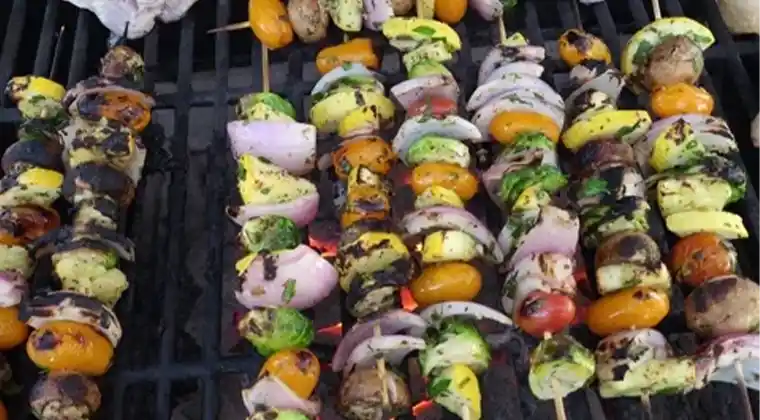

Knowing when to seek professional medical help is crucial. Doctors advise that residents should visit a clinic or hospital if they show signs of dehydration, such as dizziness, dry mouth, or reduced urination. Continuous vomiting that prevents a person from keeping fluids down is another red flag. The presence of blood in the stool, intense or worsening abdominal pain, or symptoms that fail to improve—or even get worse—after two to three days also require prompt medical attention. These warning signs may indicate a more serious infection or complication that needs timely evaluation and treatment by healthcare professionals.
To reduce the risk of foodborne illnesses during outdoor gatherings, experts recommend following simple but crucial safety measures. Raw meat should be kept properly refrigerated or in ice-packed coolers until it is ready to be cooked. Once on the grill, all meats must be cooked thoroughly to ensure harmful bacteria or viruses are destroyed. It is also important to use separate utensils, cutting boards, and serving dishes for raw and cooked foods to prevent cross-contamination. Cooked items should be served immediately while hot, rather than left on tables for extended periods. “The danger isn’t being outdoors,” Dr. Ghazal emphasized. “It’s the way we manage and prepare the food.”