“In a solemn ceremony, Russia honored the late Tejas pilot by performing a missing man formation, paying tribute to his sacrifice and commemorating his memory with respect and reverence.”
“Russia Pays Tribute to Deceased Tejas Pilot with Missing Man Formation”
The aviation community was plunged into deep sorrow and disbelief on November 21, when the Tejas aircraft, under the command of Indian Air Force Wing Commander Namansh Syal, met with a tragic accident at the Dubai Airshow. The incident sent shockwaves through aviation enthusiasts, military personnel, and spectators alike, as the normally exhilarating atmosphere of the airshow was instantly overshadowed by the devastating crash. Wing Commander Syal, a highly skilled and respected pilot, had been set to demonstrate the capabilities of the Tejas fighter jet, an advanced indigenous aircraft that represents a significant achievement for India’s aerospace program. Yet, what was meant to be a display of precision and innovation turned into a scene of sudden tragedy.
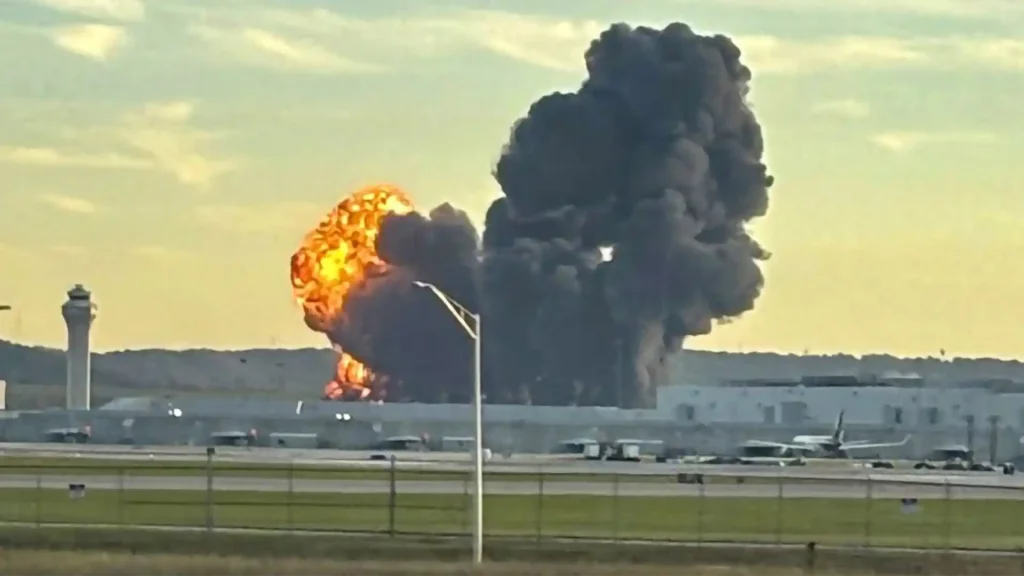
Footage captured by onlookers shows the Tejas jet losing altitude unexpectedly before crashing violently onto the airfield. The moment of impact was marked by a dramatic explosion, with flames engulfing the wreckage and sending a plume of smoke high into the sky. The fireball and debris created a scene of chaos, prompting immediate emergency responses from rescue teams stationed at the venue. The airshow, which had been bustling with aerial demonstrations and enthusiastic spectators, was abruptly brought to a halt, leaving the event organizers scrambling to manage the aftermath. Scheduled performances and demonstrations were temporarily suspended, as the focus shifted entirely to the crash site and the wellbeing of those involved.
The sudden loss of Wing Commander Syal struck a particularly heavy chord among his fellow aviators. Pilots who had been preparing for their own demonstrations in the lineup were left in a state of shock, grappling with the reality that one of their esteemed colleagues had been taken from them so suddenly. The camaraderie and mutual respect shared among these elite aviators made the incident especially poignant. While the public watched in horror, the pilots on the ground faced a deeply personal grief, mourning not just the loss of a colleague but also the interruption of a celebration of skill and technological achievement that they had worked so hard to perfect.
Wing Commander Syal’s career had been marked by dedication, discipline, and exceptional expertise in aviation. His presence at the Dubai Airshow was meant to highlight both his personal mastery as a pilot and the advanced capabilities of the Tejas aircraft itself. The crash, however, served as a stark reminder of the inherent risks involved in high-performance flying and the thin line that separates demonstration from disaster. Authorities and aviation experts have since begun investigations to determine the exact sequence of events that led to the tragedy, analyzing every possible factor from mechanical issues to environmental conditions.
In the wake of the accident, tributes and condolences poured in from around the world. Veterans, aviation enthusiasts, and officials expressed their respect for Wing Commander Syal, emphasizing his bravery, commitment, and the mark he left on the Indian Air Force. The Dubai Airshow, an event celebrated for its aerial displays and technological showcases, was now tinged with grief and remembrance, as attendees and pilots alike paused to honor the life of a man who had devoted himself entirely to the skies. The loss underscored the sacrifices made by those in military aviation and highlighted the perils that accompany the pursuit of pushing human and technological limits.
In the days following the crash, memorials and tributes reflected the profound impact Wing Commander Syal had on his peers and the aviation community at large. His legacy lives on, inspiring a renewed respect for the skill, courage, and dedication that define fighter pilots worldwide.
As the tragic Tejas crash unfolded at the Dubai Airshow, the mood across the airfield shifted instantly from excitement to shock. Among those present were the members of the United States Air Force demonstration team, who had been preparing for their own meticulously planned aerial routine. These pilots, renowned for their precision, discipline, and showmanship, were accustomed to performing under pressure, but witnessing the sudden catastrophe altered the atmosphere entirely. In a moment that underscored the solidarity and respect inherent within the aviation community, the team collectively made the difficult decision to cancel their upcoming demonstration. The choice was not merely a procedural response; it was an expression of deep empathy and acknowledgment of the gravity of the situation.
Taylor “FEMA” Hiester, a pilot with the US F-16 demonstration squadron, took to social media to convey the reasoning behind their decision. In a heartfelt statement, he explained that the team’s choice to forgo their final performance was rooted in respect for Wing Commander Namansh Syal, the fallen Tejas pilot, as well as for his grieving colleagues and family members. Hiester’s words reflected a sentiment that transcends national boundaries: a shared understanding among aviators of the risks inherent in flying high-performance jets, and the profound loss felt when a member of that tight-knit community is suddenly gone. By canceling their performance, the US team sought to honor the pilot’s sacrifice and give space for mourning, emphasizing that some moments in aviation are too serious for spectacle.
The decision was emblematic of the broader camaraderie that exists among military aviators worldwide. While the airshow is often framed as a competition or a display of national pride, incidents like this reveal the deep bonds that tie together pilots across borders. In these communities, a fellow aviator is not just a colleague but a comrade who shares the same risks, the same training, and the same unspoken understanding of what it means to take flight in cutting-edge aircraft. The US Air Force demonstration team’s choice to step back from their routine highlighted this solidarity, showing that respect and humanity take precedence over public performances, applause, and even the strict schedules of major international events.
Social media responses to Hiester’s post were filled with support and empathy. Aviation enthusiasts, fellow pilots, and spectators alike commended the team for their decision, recognizing that canceling a high-profile demonstration is no small gesture. It underscored the seriousness with which pilots view the loss of a peer, as well as the integrity of those who perform in public settings yet remain fully aware of the emotional and professional weight of such events. The act of canceling the routine also provided a moment for the crowd to collectively reflect on the fragility and courage of military aviation.
In addition, the cancellation sent a powerful message about prioritizing respect and compassion in moments of tragedy. It reminded the world that behind every aerobatic display are individuals who train rigorously, face life-threatening risks, and dedicate themselves to a craft that demands perfection. When a pilot is lost, it is not just a professional loss but a deeply human one, touching everyone who understands the discipline, dedication, and bravery required to soar through the skies.
By choosing to forgo their performance, the US Air Force demonstration team demonstrated that honor, empathy, and solidarity are as crucial in aviation as skill and precision. Their decision created a solemn pause amid the excitement of the airshow, allowing space for reflection, grief, and the acknowledgment of a life dedicated to flying. It was a quiet but profound tribute to Wing Commander Syal—a gesture that spoke louder than any aerial maneuver ever could.
While the United States Air Force demonstration team chose to cancel their routine in respect for the fallen pilot, the Russian aerobatic squadron opted to pay their homage in a different, yet equally poignant, manner. Taking to the skies above the Dubai Airshow, the Russian Knights conducted a breathtaking aerial performance that served as a tribute to Wing Commander Namansh Syal, the Tejas pilot who tragically lost his life. Their display was more than a demonstration of flying skill—it was a solemn commemoration of a fellow aviator who had made the ultimate sacrifice. The pilots referred to the ceremony as a tribute to the “brothers who did not return,” highlighting the deep sense of camaraderie that transcends national boundaries among military aviators.
Footage shared on VK, a popular Russian social media platform, shows the Russian Knights executing intricate maneuvers in perfect synchrony, painting the sky with trails of smoke that punctuated the solemnity of the occasion. According to reports from some Indian news outlets, the formation included the iconic “Missing Man” maneuver—a symbolic tribute performed to honor pilots who have died in service. The maneuver, which involves a gap left in the formation to signify the absence of the fallen, is a powerful and widely recognized gesture of respect within the global aviation community.
The Russian Knights themselves described the Tejas crash as “impossible to describe,” conveying the shock and sorrow felt across the international pilot fraternity. They emphasized that their aerial display on the final day of the airshow was dedicated to remembering aviators who, like Wing Commander Syal, never returned from their last flight. The performance, while visually striking, carried a weight of emotion that went far beyond the spectacle of aerobatics, serving as a heartfelt tribute to a life devoted to the skies and a reminder of the dangers inherent in military aviation.
Aviation has always been an arena where precision meets risk, and no matter how well-trained the pilots or advanced the aircraft, there is always the possibility that unforeseen circumstances can lead to tragedy. On the day of the Dubai Airshow, this stark reality became painfully evident. The loss of Wing Commander Namansh Syal, the Tejas pilot who perished in a sudden crash, cast a heavy shadow over the entire event. The atmosphere across the airfield shifted dramatically—from the excitement and anticipation typical of such grand displays to one of shock, grief, and solemn reflection. The incident reminded everyone present of the razor-thin margin between triumph and catastrophe in aviation.
In the immediate aftermath, emergency response teams sprang into action. Their response was rapid, professional, and coordinated, following strict protocols to secure the site and ensure safety. At the same time, the leadership overseeing the airshow meticulously analyzed control data and other objective reports to understand what had transpired. Decisions had to be made swiftly, but they were guided by careful reasoning, as well as by respect for the pilot who had been lost. The gravity of the situation required balancing operational continuity with the emotional weight that the tragedy had placed on participants, organizers, and spectators alike.
After thorough discussions, a difficult but deliberate decision was taken: the flight program would continue. This choice was not made lightly, nor was it about disregarding the loss. On the contrary, it was rooted in a sense of duty, solidarity, and human responsibility. The organizers recognized that key participants, including the host team Fursan Al Emarat, were expected to conclude the airshow with performances that symbolized excellence and collaboration. In addition, the Russian Knights, a renowned aerobatic team, volunteered to perform in this challenging context, offering both their skill and their respect to the memory of the fallen pilot.
Several key considerations guided this decision. First, the pilots and organizers were not merely performers; they were servicemen who understood that tasks assigned by the authorities are not to be abandoned lightly. Half-completed objectives were, in their view, obligations left unfinished. Second, they felt a deep sense of solidarity with their Arab counterparts, who had hosted the show and faced the emotional strain of a tragedy on their home turf. Finally, ending such a prestigious and globally significant event on a mournful note seemed incompatible with the spirit of the airshow, which celebrates courage, skill, and international camaraderie.
Thus, in tribute to the aviators who had lost their lives, the Russian Knights and other participants took to the skies. Their program for the final day of the Dubai Airshow 2025 was not just a series of aerobatic maneuvers; it was a carefully considered homage to the “brothers who did not return from their last flight.” Every loop, roll, and formation symbolized remembrance, solidarity, and hope. Beyond the technical brilliance, the performance carried a profound message of peace and unity—a reminder that, despite national boundaries, the aviation community is bound by shared risk, mutual respect, and a reverence for the lives of those who serve in the skies.
In the end, the performance honored the fallen while reaffirming the values of courage, duty, and human connection that underpin every airshow and every flight. It was both a tribute and a testament: to the pilots who have dedicated their lives to the skies, to the families and communities who support them, and to a world where the pursuit of excellence is inseparable from respect for life.
The “Missing Man” maneuver is one of the most revered and emotionally charged traditions in military and aerobatic aviation. It is performed as a tribute to pilots or service members who have lost their lives, serving as a visual symbol of remembrance and respect. This formation is often showcased during memorial ceremonies, funerals, or special commemorative events, where it carries a weight of solemnity that resonates deeply with fellow aviators, military personnel, and spectators alike. It is widely regarded as one of the most poignant gestures in the aviation world, capturing both the precision of flight and the profound sense of loss experienced when a comrade is gone.
Typically, the maneuver involves a group of four aircraft flying in a tight, coordinated formation—often in a “V” shape or an echelon arrangement. The pilots maintain exact spacing and synchronization, highlighting both the skill involved in flying such aircraft and the ceremonial importance of the display. At a carefully chosen moment during the flight, one aircraft abruptly breaks from the formation, climbing sharply away from the group. This sudden departure leaves a visible gap in the formation, symbolizing the absence of the fallen pilot. The remaining planes continue their flight, now visually emphasizing the empty space and the significance of the loss.
The empty position in the formation serves as a powerful, symbolic reminder of the individual who has died, honoring their memory through an act of precision and grace in the skies. Each element of the maneuver—the timing, the spacing, the upward pull of the missing aircraft—is designed to evoke reflection, respect, and emotional resonance among all who witness it. The “Missing Man” maneuver is not merely a demonstration of flying skill; it is a heartfelt tribute, a way for the aviation community to pay homage to its fallen members, and a moving reminder of the sacrifices made by those who serve in the air.