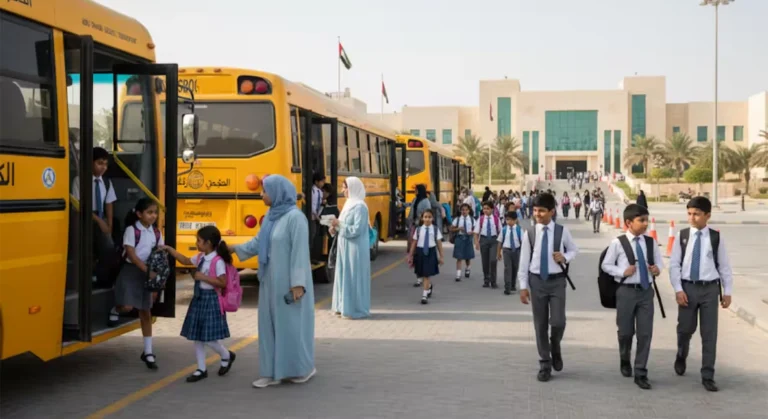
“Starting April 2026, every Indian curriculum school across the UAE will shift to a unified academic schedule, ensuring consistent term dates and improved coordination for students, parents, and all educators.”
From April 2026, All Indian Curriculum Schools in UAE to Adopt One Standard Academic Calendar.
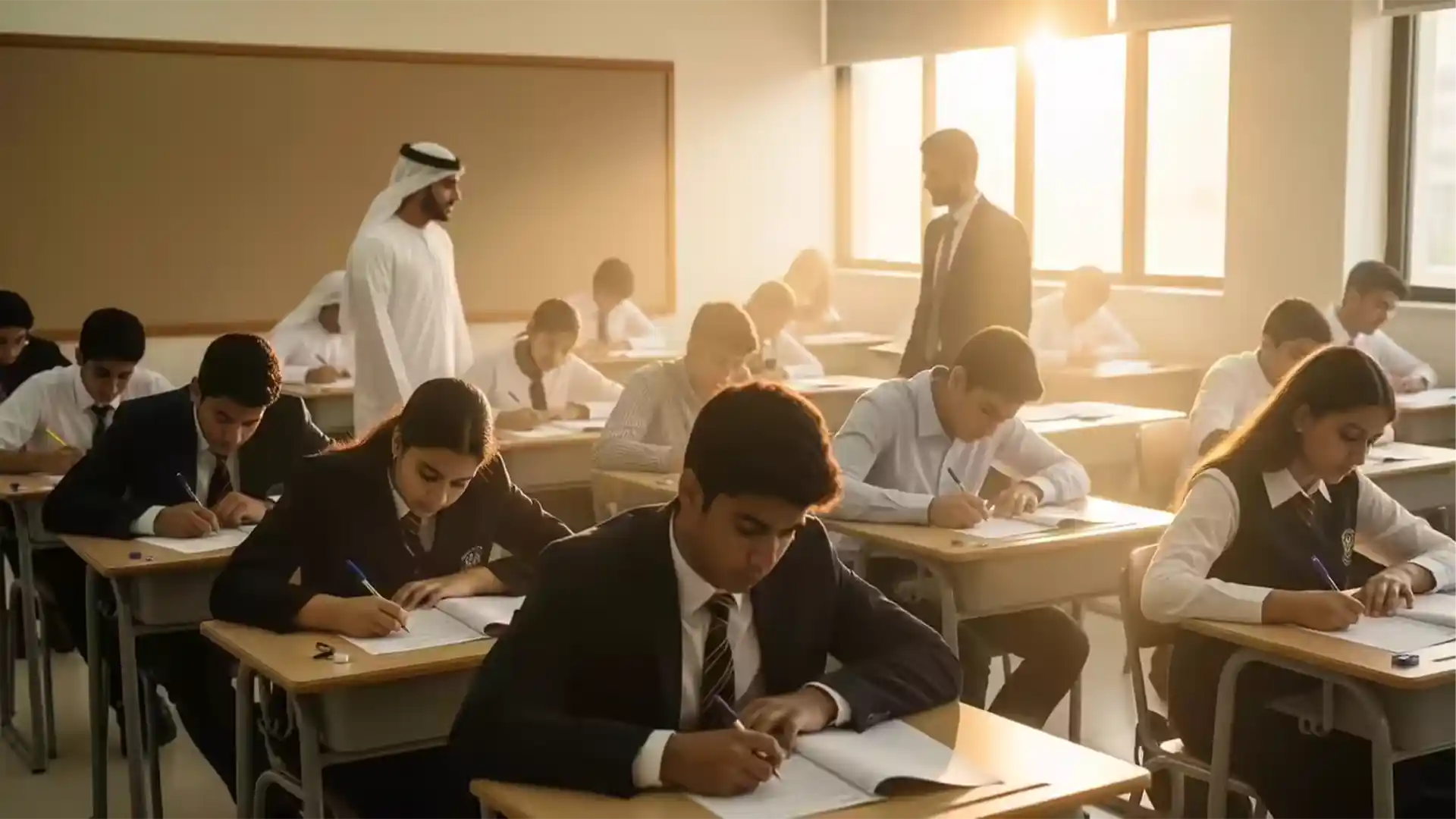
Starting in April 2026, Indian curriculum schools throughout the United Arab Emirates will transition to a standardized academic calendar established by the Ministry of Education (MOE). This marks a major shift for educational institutions that have historically operated according to the traditional April-to-March academic cycle, which has been the norm for Indian curriculum schools both in the UAE and abroad. The change aims to synchronize school schedules across the country, creating a more consistent educational framework for students, teachers, and parents alike. By implementing a unified timetable, authorities hope to streamline the academic year, reduce scheduling conflicts, and foster better coordination between schools and educational authorities.
School administrators have noted that the adjustment will also help align the UAE’s Indian curriculum schools more closely with other international and local institutions, which often follow different academic timelines. This harmonization is expected to make administrative processes smoother and improve planning for extracurricular activities, examinations, and inter-school competitions. It may also facilitate a more uniform transition for students moving between different schools in the UAE, as everyone will now be following the same academic schedule.
Principals have clarified that the new unified calendar will not take effect in the current academic year, as most schools had already commenced their sessions following the traditional April–March pattern. Changing the calendar mid-year could disrupt ongoing teaching schedules, examinations, and overall academic planning. Therefore, the implementation is set for the 2026 academic year, giving schools sufficient time to prepare for the transition. Administrators are using this period to adjust lesson plans, coordinate with teachers, and communicate with parents about what the shift will mean for their children.
Education experts say that standardizing the academic calendar is part of a broader strategy to modernize and enhance the UAE’s school system. By creating a uniform schedule, the MOE aims to reduce inconsistencies between schools and support a more structured and predictable academic environment. The move is also likely to improve the management of school holidays, allowing families to plan more effectively for vacations and travel. For teachers, a unified calendar may facilitate professional development programs and inter-school collaborations that were previously complicated by differing term dates.
While the shift represents a significant change for Indian curriculum schools, many see it as a positive step toward greater efficiency and consistency in the education sector. Parents, in particular, are expected to benefit from the predictability it brings, as coordinating children’s activities, vacations, and exam preparations across multiple schools will become simpler. Schools are currently developing transition strategies to ensure that students, teachers, and staff are adequately prepared for the change.
In summary, beginning April 2026, Indian curriculum schools across the UAE will move to the MOE’s unified academic calendar, ending the long-standing April–March cycle. While this adjustment will not affect the current academic year, it represents a forward-looking initiative designed to improve coordination, standardize school operations, and create a more harmonious academic experience for all stakeholders.
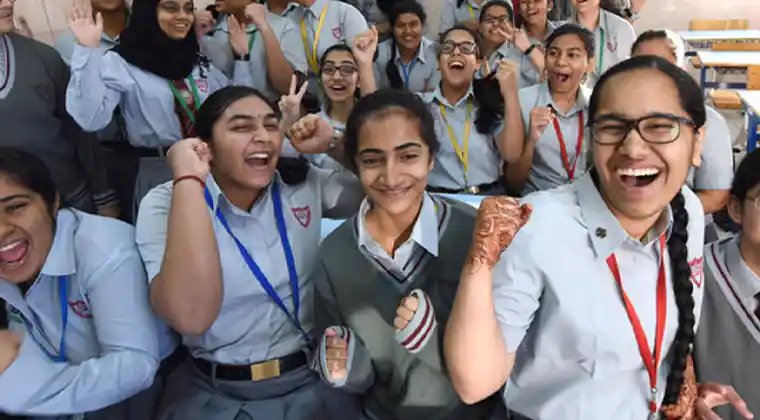

As the holiday season approaches, most international curriculum schools across the UAE are expected to observe a month-long winter break in December, giving students and staff an extended period for rest, travel, and family activities. This pause in the academic calendar is in line with common practices followed by many American, British, and European schools in the region, which typically schedule a long winter recess to coincide with seasonal festivities and the end-of-term period.
However, a different approach is followed by several Asian curriculum schools, which will continue regular classes well into the second week of December. This scheduling pattern is not a recent development but rather a long-established tradition rooted in the academic requirements of students’ home countries. Many Asian curricula, including Indian, Pakistani, and other South and Southeast Asian boards, have rigorous year-end or board examinations that dictate when academic instruction must conclude. Consequently, schools adhering to these systems often extend classes later into December to ensure students complete the required syllabus and are adequately prepared for upcoming assessments.
For families and students, this means that while peers in international schools may be enjoying the winter holiday early, those in Asian curriculum institutions continue their studies, attend classes, and complete preparatory work. Educators maintain that this structure is essential to meeting board exam expectations and maintaining academic continuity, even if it results in a staggered approach to the festive season across different school systems in the UAE.
Seema Umar, principal of Dewvale School in Dubai, emphasized that the institution has carefully structured the current academic year to ensure that all instructional days, lessons, and assessments are completed as originally planned. The school’s leadership has placed a high priority on maintaining the academic calendar for the current session, so that students experience minimal disruption while meeting learning objectives and adhering to regulatory requirements. By staying on track this year, the school aims to provide stability for students, teachers, and families, allowing everyone to complete their academic responsibilities without unexpected changes or interruptions.
Looking ahead to the 2026–27 academic year, Umar explained that the school is preparing a comprehensive and carefully designed transition strategy to accommodate the shift to the Ministry of Education’s unified academic calendar. She highlighted that the plan involves a detailed review of curriculum pacing, ensuring that learning objectives for each subject are met without compromising academic quality. Assessment schedules are also being realigned so that evaluations, exams, and project submissions correspond with the new academic timeline, while operational routines—from lesson planning to extracurricular programming—are being adjusted to fit the revised calendar. The goal is to implement these changes seamlessly so that students continue to receive a high standard of education while meeting all compliance and accreditation requirements.
Umar stressed that one of the core priorities during this transition is to maintain continuity in teaching and learning. Shifting an entire school year’s schedule requires careful coordination across all departments, including administration, teaching staff, and support services, to ensure that the new academic structure supports both instructional effectiveness and student outcomes. She noted that attention to detail, thorough planning, and proactive communication are essential to minimize disruption for students and families.
Recognizing that calendar changes can have a significant impact on daily routines, Umar highlighted the importance of clear and timely communication with parents and guardians. Dewvale School plans to provide advance notifications for all key dates, including term starts, holidays, and assessment periods. Additionally, the school will build transition buffers into the academic schedule to allow students and teachers to adjust gradually to the new system. Orientation sessions, guidance notes for parents, and structured support measures for student wellbeing will accompany the transition to ensure that both learning and mental health remain a priority.
By implementing these measures, Dewvale School aims to create a smooth and supportive experience for all stakeholders. The leadership’s approach reflects a commitment to academic excellence while recognizing the human side of change. As Umar explained, the combination of careful planning, proactive communication, and dedicated support mechanisms will ensure that the shift to the unified academic calendar is not only orderly but also beneficial to students, staff, and families alike, allowing the school to continue delivering high-quality education without interruption.
She emphasized that achieving a smooth transition to the unified academic calendar will depend heavily on transparent communication and a shared understanding among all members of the school community. According to her, success is not solely about adjusting timetables or assessments; it requires collaboration and alignment between administrators, teachers, students, and parents. Schools have already initiated conversations with teaching staff to review and revise unit plans, reconfigure lesson sequences, and reschedule assessments so that the curriculum can be delivered effectively under the new calendar. To support this process, professional development sessions have been scheduled to equip educators with the necessary tools, strategies, and guidance to navigate the changes confidently while maintaining high standards of instruction.
For families, the school is implementing a structured, phased approach to communication that aims to keep parents informed at every stage. This plan includes parent meetings, informative workshops, and comprehensive FAQ resources designed to answer common questions about how the unified calendar will function in practice. The goal is to provide clarity about important dates, term schedules, examination timelines, and any adjustments to school routines, so that families can plan ahead without disruption.
By adopting this dual approach—supporting staff through professional development and engaging parents through proactive outreach—the school seeks to ensure that all stakeholders feel both informed and involved in the transition process. The emphasis on open dialogue and shared understanding is intended to foster a sense of community ownership over the change, reducing uncertainty and ensuring that students’ learning experiences remain consistent and uninterrupted. In this way, the school aims to implement the unified calendar in a manner that is smooth, transparent, and supportive, while prioritizing both academic continuity and the wellbeing of the entire school community.
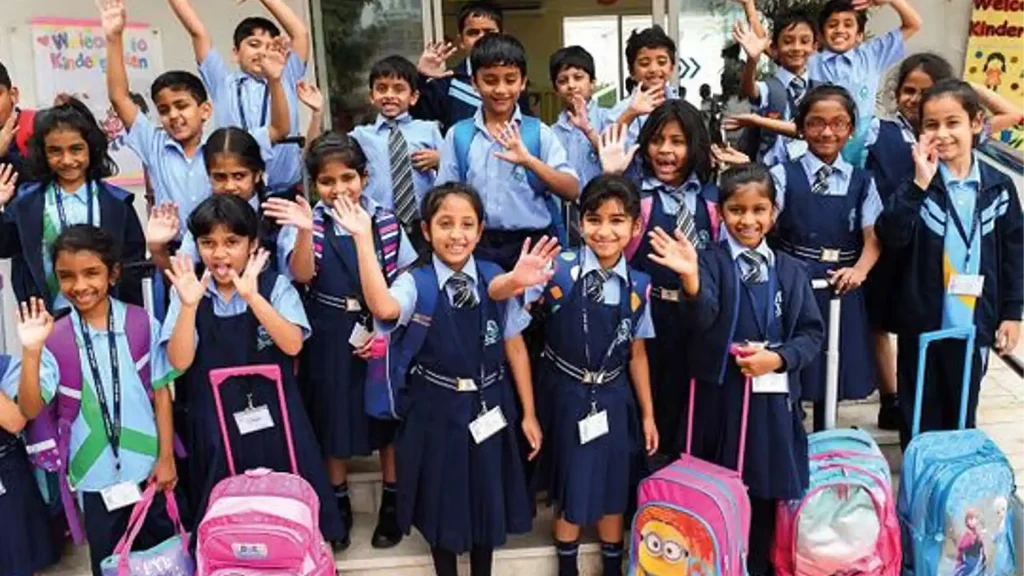
Prioritising Student Wellbeing During Calendar Transition
At Global Indian International School (GIIS) in Dubai, Principal Anita Singh outlined the school’s strategy for implementing the Ministry of Education’s unified academic calendar, highlighting that the change will be carefully managed to safeguard the academic and emotional wellbeing of students. Singh explained that the school has adopted a three-pronged approach to manage the transition, designed to minimize disruption while ensuring that the quality of teaching, learning, and assessment remains uncompromised. This strategy focuses on adjusting school routines only where necessary, coordinating internal schedules with the new academic calendar, and maintaining consistency in day-to-day operations to provide students with a smooth and predictable educational experience.
Singh emphasized that while some modifications to daily routines are inevitable, these adjustments will be targeted and measured, avoiding large-scale disruptions. The school’s administrative team has meticulously mapped daily schedules, lessons, and activities against the unified calendar to ensure that the shift does not interrupt the flow of learning. By keeping most routines intact and introducing changes gradually, the school aims to provide students with a sense of stability during a period of significant transition.
A central element of GIIS’s approach is student wellbeing, which Singh identified as a top priority. She stressed the importance of aligning timetables and internal assessments with the requirements of the respective Indian boards, ensuring that students remain prepared for both continuous assessments and high-stakes examinations. To achieve this, the school is sharing timely and comprehensive information with all stakeholders, including teachers, students, and parents, so that everyone understands the changes and their implications. Orientation sessions are being conducted in phases, allowing students and families to absorb information gradually, clarify doubts, and gain confidence about the upcoming academic year. These sessions are intended to reduce anxiety and provide clarity on expectations, supporting a positive learning environment during the transition.
Parents will also receive printed materials and FAQs explaining the calendar changes, key dates, and any adjustments to assessment schedules. By keeping families well-informed, the school aims to foster a collaborative approach to managing the transition, ensuring that both home and school environments are aligned in supporting students.
As part of the shift, internal examinations are being rescheduled to correspond with the new calendar. Mock exams and revision plans are being carefully adjusted to maintain students’ readiness for board examinations. Singh reaffirmed that these changes are being implemented with a focus on minimizing disruption, so that students can continue to engage with the curriculum effectively and achieve the learning outcomes expected of them. Teachers are being provided guidance and professional development support to implement these adjustments without compromising the pace or quality of instruction.
For the present academic year, Indian curriculum schools, including GIIS Dubai, continue to operate on their traditional April-to-March schedule. However, the school is proactively preparing for the 2026–27 academic year, ensuring that when the unified calendar is implemented, students, teachers, and families will experience a seamless and structured transition. By prioritizing wellbeing, clear communication, and careful scheduling, the school seeks to maintain a stable and productive educational environment, even as the broader system undergoes significant changes.
In Singh’s words, the overarching aim is to ensure that the calendar shift does not interfere with student learning or assessment readiness. Through thoughtful planning, phased orientations, and comprehensive support for all stakeholders, GIIS Dubai is committed to guiding its school community through the transition while keeping academic excellence and student wellbeing at the forefront.
Current Academic Cycle to Continue Uninterrupted Until April 2026
Nargish Khambatta, Principal of GEMS Modern Academy and Executive Vice President – Education at GEMS Education, clarified that the upcoming Ministry of Education’s unified academic calendar will not affect Indian curriculum schools until April 2026. She emphasized that this means the current academic cycle for these schools will continue as planned, allowing educators, students, and families to maintain established routines without disruption. “The unified calendar does not apply to Indian curriculum schools until April 2026, and therefore it does not impact our schools at this time,” she said.
Khambatta noted that Indian curriculum schools, including GEMS Modern Academy, have a long-standing tradition of concluding the first term in the second week of December, a structure that has been carefully designed to meet the requirement of 182 instructional days. This schedule ensures that students receive a balanced and comprehensive education throughout the year, fulfilling both curriculum and regulatory requirements. By maintaining the current cycle, schools can continue to provide a structured and predictable learning environment for students, a factor that is especially important for families planning their schedules around academic commitments, co-curricular activities, and holiday periods.
For students preparing for board examinations, December is considered a critical month for focused academic preparation. Khambatta highlighted that schools use this time to offer targeted support to students in higher grades, ensuring that they are well-prepared for upcoming assessments. Teachers implement intensive revision sessions, practice tests, and strategic guidance tailored to the requirements of their respective board examinations. This approach allows students to consolidate their knowledge, address learning gaps, and build confidence ahead of high-stakes exams.
At the same time, younger students benefit from a well-rounded educational experience during December, with teachers incorporating a blend of academic, sporting, and co-curricular activities. Excursions, project-based learning, and enrichment programs continue alongside classroom instruction, fostering holistic development and engagement. Khambatta noted that the combination of structured learning and extracurricular activities helps maintain student motivation and ensures that academic objectives are met without compromising opportunities for personal growth and skill development.
The winter break, which follows the end of the first term, provides students with a well-deserved pause in their academic year. Khambatta described it as “a much-needed interval” that allows students to recharge mentally and physically before returning for the final term. This break also enables teachers to reflect on curriculum delivery, assess student progress, and plan lessons for the remainder of the year, ensuring that the second term proceeds smoothly and efficiently. For families, the winter break provides valuable time to spend together, engage in cultural or recreational activities, and prepare for the new year with minimal stress.
While the unified academic calendar will eventually align Indian curriculum schools with the Ministry of Education’s standardized schedule, Khambatta emphasized that there is no immediate impact. Schools are using the intervening months to prepare for a thoughtful, phased implementation in April 2026, rather than rushing into abrupt changes. This approach allows school leadership teams, educators, students, and parents to understand the implications of the new calendar, adapt operational routines, and implement any necessary adjustments gradually.
Preparations for the transition include aligning unit plans, assessment schedules, and extracurricular programming with the new calendar, ensuring that academic rigor is maintained and compliance requirements are met. Teachers and administrative staff are being trained and supported to manage the changes efficiently, while communication with parents and guardians is planned in advance to keep all stakeholders informed. By taking a measured, proactive approach, schools aim to minimize disruption and maintain a high standard of education throughout the transition period.
Khambatta’s message underscores the commitment of GEMS Modern Academy and other Indian curriculum schools in the UAE to academic continuity, student wellbeing, and operational stability. By maintaining the current academic calendar until April 2026, schools ensure that students can continue learning in a familiar, structured environment while preparing carefully for the future alignment with the unified schedule. This approach balances the need for innovation with respect for established educational practices, ensuring that the upcoming transition strengthens the system without compromising student outcomes.
In summary, Khambatta reiterated that Indian curriculum schools will continue following their existing timetable, completing the first term in December with 182 instructional days as planned. The critical month of December will continue to be used for board exam preparation for older students and a combination of academic and enrichment activities for younger learners. The winter break remains an essential pause in the academic year, supporting both student wellbeing and family routines. With careful planning and phased preparations, the transition to the unified calendar in April 2026 will be implemented smoothly, ensuring continuity, stability, and sustained academic excellence.