Dubai Police have taken action against reckless riders, seizing a total of 210 motorcycles and scooters after reports of dangerous driving, aiming to ensure road safety and curb traffic violations across the city.
Dubai Police confiscate 210 motorcycles and scooters for dangerous driving.

Over two hundred motorcycles and electric scooters have recently been seized in Dubai after their riders were found engaging in reckless and disruptive behaviour on the city’s roads. The Dubai Police, in an announcement made on Friday, emphasized that the operation was part of their continuous efforts to uphold road safety standards and protect all road users. Officials highlighted that dangerous riding habits not only put the offenders at risk but also endanger drivers, pedestrians, and other commuters who share the public roads every day. The police reiterated that strict compliance with traffic rules is essential to maintaining the order, efficiency, and overall safety of Dubai’s transport network.
As part of this enforcement campaign, authorities also issued 271 traffic violations to individuals who were caught displaying unsafe conduct while operating their motorcycles or electric scooters. These violations ranged from improper lane usage to overtaking other vehicles in hazardous ways. The police noted that such behaviours have been increasing among certain riders, prompting the need for intensified monitoring and more decisive action. The aim of these measures, they explained, is not only to penalize offenders but also to discourage similar actions from others who might be tempted to ignore road rules.
A video clip posted by Dubai Police on their official social media channels showcased some examples of this dangerous behaviour. In the footage, an electric scooter rider can be seen occupying the far-left lane—an area typically reserved for fast-moving vehicles—creating a serious safety threat for both themselves and other motorists. Another part of the clip features a motorcyclist weaving aggressively between cars and overtaking them in an unsafe manner, displaying a complete disregard for the potential consequences of such actions. These incidents, the police stated, represent just a few among many similar cases reported in recent weeks.
The Dubai Police emphasized that reckless actions like these create unnecessary risks that can lead to severe accidents, injuries, or even fatalities. They explained that the seizure of vehicles is a legal measure designed to curb repeat offences and send a clear warning to those who continue to ignore the rules. The force further encouraged residents and visitors alike to remain vigilant and responsible while using the roads, reminding them that safety is a shared responsibility.
Authorities also assured the public that these enforcement campaigns will continue throughout the year as part of a broader strategy to enhance road discipline. With Dubai’s road network constantly expanding and traffic volumes increasing, maintaining strict safety standards is more important than ever. Police officers will continue to patrol high-risk areas, respond to reports of dangerous riders, and use technology such as surveillance cameras and smart monitoring systems to detect violations more efficiently.
Dubai Police concluded by urging all riders—whether driving motorcycles, scooters, or other personal mobility devices—to respect traffic regulations, use designated lanes, wear protective gear, and prioritise the wellbeing of everyone on the road. Through cooperation between the authorities and the community, officials believe that dangerous behaviour can be significantly reduced, ensuring safer travel for all.
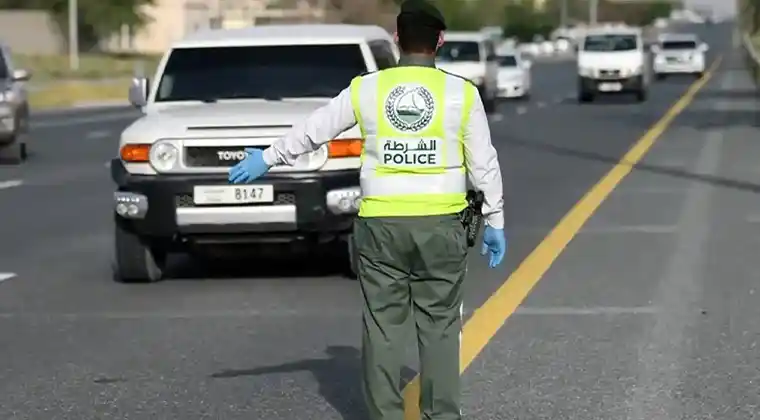
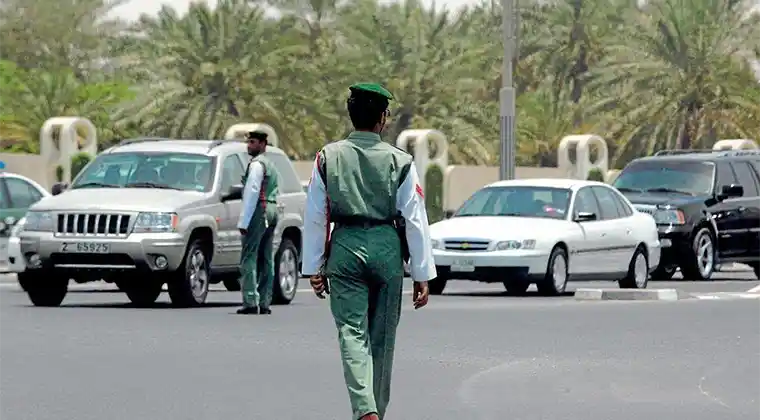
Dubai’s law enforcement authorities have undertaken a significant safety initiative that aims to restore order on the roads and curb the growing number of violations involving small, fast-moving personal vehicles. As part of a targeted campaign focused on reducing irresponsible riding habits and protecting the wider community, the Dubai Police announced that they had taken into custody more than two hundred motorcycles and electric scooters. These vehicles were confiscated after investigators and patrol units documented a pattern of hazardous behaviour by various riders across multiple locations throughout the city. The effort represents one of the more extensive crackdowns in recent months, underscoring a broader commitment by the authorities to ensure that every individual who uses Dubai’s transport network does so responsibly and in accordance with local traffic laws.
According to the statements released by the police, the decision to impound such a large number of vehicles did not occur in isolation. Officers have been monitoring reports of reckless riding for some time, noting an increase in the number of individuals who treat public roads as open spaces for speeding, weaving between cars, or ignoring designated lanes. These behaviours, while often dismissed by offenders as harmless or merely playful, have the potential to trigger serious accidents. With the city’s roads becoming increasingly busy due to population growth and expanded commercial activities, the risks are amplified. Even a single rider behaving irresponsibly can disrupt the smooth flow of traffic, create panic among motorists, or cause collisions that affect multiple vehicles. The police therefore took decisive action, not only to stop the offenders in the moment but also to send a clear message that such conduct will not be tolerated.
The campaign involved coordinated patrols, real-time surveillance footage analysis, and collaboration with community members who reported recurring incidents of dangerous riding in residential and commercial districts. Officers stationed at key intersections and highways observed everything from riders cutting across multiple lanes without signalling to individuals racing their scooters at speeds far beyond what is considered safe for such lightweight vehicles. In some instances, riders were found performing risky manoeuvres or attempting to overtake cars in narrow spaces where visibility was limited. These actions place not only the rider at risk but also drivers who may be forced to brake suddenly or swerve to avoid a collision.
Confiscation of the vehicles was deemed an appropriate measure because many of the individuals involved were repeat offenders who had not been deterred by warnings or fines issued in earlier encounters. By removing the vehicles from circulation, the authorities hope to prevent further violations and encourage riders to reconsider their behaviour. Dubai Police clarified that the impoundment process is carried out according to legal procedures, and owners will be required to settle outstanding violations, pay relevant fees, and in some cases attend safety training sessions before reclaiming their property.
In addition to the on-ground operations, Dubai Police highlighted the importance of raising awareness among residents. Many people underestimate the risks associated with motorbikes and scooters, believing them to be harmless due to their small size. However, the lack of physical protection for riders, combined with the relatively high speeds these vehicles can reach, makes them particularly vulnerable in traffic. Officers emphasized that even a minor miscalculation—such as swerving too quickly, underestimating the stopping distance of a car, or riding too close to heavy vehicles—can result in severe injuries. For this reason, the police continue to encourage riders to wear protective gear, follow lane regulations, and remain attentive at all times.
Officials also explained that electric scooters, while convenient for short trips and popular among young residents and tourists, must be used responsibly. Many of the seized devices were being operated in areas where scooter riding is prohibited, such as highways or high-speed lanes, posing a significant threat to both the rider and other road users. The authorities have provided detailed guidelines that specify where scooters may be used, the maximum allowable speeds, and the mandatory safety equipment that should accompany them. The recent enforcement campaign aims to reinforce these rules and remind the public that such guidelines exist to protect everyone.
Dubai Police further noted that this initiative aligns with the city’s long-term vision of maintaining one of the safest road networks in the world. Extensive efforts have been made in areas such as smart traffic management, advanced monitoring systems, and educational outreach programs. Yet, technology and infrastructure alone cannot overcome the risks created by careless human behaviour. Therefore, the police rely heavily on community cooperation, urging the public to report violations and help create a safer environment for all.
The impoundment of more than two hundred motorcycles and scooters, while dramatic, is only one element of a much broader safety strategy. Authorities intend to continue monitoring the situation closely and will carry out additional operations as needed. Riders who believe they can evade detection by taking back streets or performing dangerous manoeuvres outside major roads should be aware that patrol units now cover a wider range of areas, including residential zones, tourist destinations, and commercial hubs.
Ultimately, the police emphasized that their goal is not to punish people unnecessarily but to prevent accidents, protect lives, and ensure that the city’s transportation system functions smoothly. They encouraged all riders—regardless of age, experience, or type of vehicle—to take safety rules seriously. Riding a motorcycle or electric scooter may offer convenience and enjoyment, but it also comes with responsibilities. When those responsibilities are neglected, the consequences affect the entire community.
Through the recent crackdown, Dubai Police hope to instill greater discipline, reduce reckless behaviour,and remind riders that public roads demand caution, respect, and a commitment to shared safety.