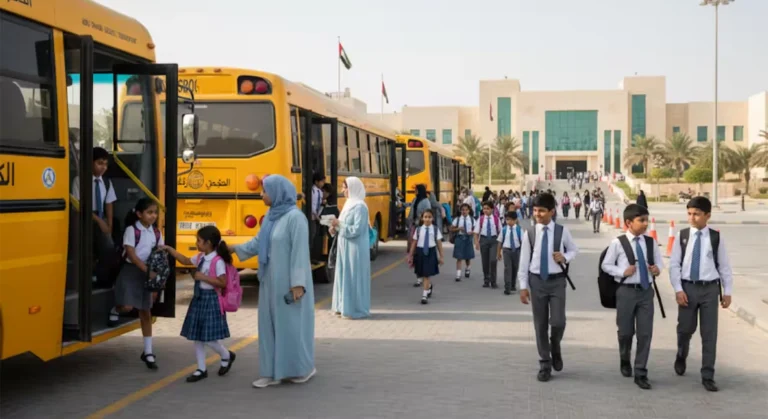
Following the long break for the 54th Eid Al Etihad, students across the UAE will be back in school for only three days—Wednesday through Friday—before starting their planned mid-year vacation.The short interval between the two breaks has led to varied expectations among parents and educators. Some schools expect attendance to remain high because of upcoming …
“UAE Students Will Attend Just Three School Days Before Starting Four-Week Winter Break for National Day”

Following the long break for the 54th Eid Al Etihad, students across the UAE will be back in school for only three days—Wednesday through Friday—before starting their planned mid-year vacation.
The short interval between the two breaks has led to varied expectations among parents and educators. Some schools expect attendance to remain high because of upcoming exams, while others anticipate lower turnout as families may choose to travel or begin their holiday early.
The Ministry of Education confirmed that both public and private schools across the UAE would remain closed on Monday and Tuesday in observance of Eid Al Etihad. This announcement effectively extended the break, giving students and staff a longer weekend ahead of the upcoming winter holidays scheduled for mid-December. The closure is part of the government’s efforts to celebrate the 54th National Day with ample time for families to come together and participate in the festivities. For many students, this means a brief return to classrooms immediately following the Eid weekend before heading into the mid-year holiday period. The decision has been welcomed by families who view it as an opportunity to spend quality time with loved ones, while also allowing schools to manage academic schedules and exam preparations in a way that balances both educational requirements and cultural celebrations.


At Bashair Private School, Principal Sawsan Tarabishy emphasized that despite the unusually short school week, she expects the majority of students to attend. She explained that while the window between the Eid Al Etihad holiday and the mid-year break is brief, attendance will likely remain high, particularly on Thursday, when students are scheduled to sit for the national education exam. “Even though it’s only a few days, our students understand the importance of being present, especially with exams approaching,” she said. “As we follow the ministry’s curriculum and assessment calendar, the exam timing immediately after the holiday makes attendance essential.”
To make the most of the short week, the school has organized dedicated academic support initiatives. “On Wednesday, we have planned revision sessions so students can consolidate their learning ahead of the exam,” Tarabishy noted. These sessions are designed not only to prepare students academically but also to help them manage stress and approach the assessments with confidence.
Attendance at Bashair Private School is closely monitored and strictly enforced. Tarabishy highlighted that the school works in alignment with the Ministry of Education’s requirements, and absences are reported as part of official records. “Monitoring attendance is a key responsibility for us,” she said. “Students are required to be present, and we ensure compliance to maintain both academic standards and transparency with the ministry.”
Alongside the academic focus, the school is also taking time to celebrate Eid Al Etihad, allowing students to participate in cultural and festive activities before fully immersing themselves in exam preparation. This approach ensures a balance between honoring national celebrations and maintaining educational priorities, creating a structured yet enjoyable environment for students during this brief but important period.
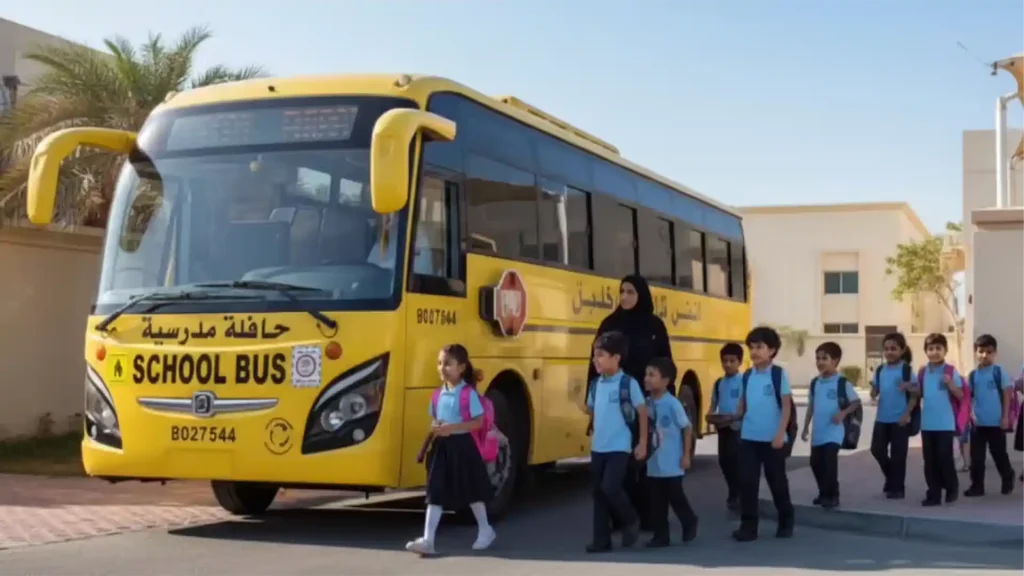


n contrast, some educators are anticipating a noticeably lighter attendance when students return after Eid Al Etihad. Ehab Mohamed, who oversees the curriculum and manages the top-performing Grade 11 and 12 students at a private school, expressed doubts about the academic productivity of the short three-day window. According to him, the timing falls at a point when students have typically already completed their exams before the holiday, making it difficult to maintain focus and motivation upon returning.
“Based on my experience, these few days between breaks aren’t usually conducive to intensive academic work,” Mohamed explained. “Students have just finished their assessments and will naturally be in a more relaxed mindset, not fully prepared to dive back into studying immediately.”
He also pointed out that family plans for the upcoming winter holiday could further reduce attendance. “Many families take advantage of the break to travel or spend quality time together, so realistically, I expect perhaps only half the students to be present during this short period.”
Normally, schools attempt to counteract such dips in attendance and engagement by organizing non-standard activities, workshops, or project-based assignments that contribute to students’ grades and practical skill development. However, Mohamed noted that this approach may be challenging this time around. “The term is essentially ending, so the usual projects or grade-impacting tasks aren’t feasible,” he said. “Even so, maintaining attendance is valuable because it keeps students connected to the learning process. We aim to encourage participation wherever possible, whether through supplementary activities or engagement initiatives. Learning doesn’t stop with exams, and even these brief days offer opportunities for practical skill development and continued intellectual growth, which we will try to maximize for the students who do attend.”

Many parents are also carefully considering whether sending their children back to school for such a short period is worthwhile. Among them is Rawan Fawaz, a mother of three students in Grades 12, 10, and 5, who acknowledges that the brief three-day return may not offer significant academic benefits. Despite this, she remains firm in her decision to ensure her children attend.
“From a purely academic standpoint, it may seem unnecessary for students to be in class for only a few days,” Fawaz explained. “Yet I feel it is important for them to be present, even when the school week is unusually short. Attendance isn’t just about learning subjects—it’s about instilling discipline, responsibility, and a sense of routine. During exams, for example, my children are often given the option to go home immediately after completing their papers and continue studying independently. I insist they stay in school to review and consolidate their learning because it teaches them the value of structured work and consistent effort, which will serve them well in the future.”
Fawaz also highlighted that her children’s school has provided incentives that make the brief return more meaningful. The administration has arranged for students to receive detailed report cards and access to make-up opportunities, including projects and assignments that can earn extra credit. “This approach encourages students to engage even during a short week, making attendance more than just a formality,” she noted. “Even if the academic content itself is limited during these days, having a reason to be in school keeps them motivated and allows them to practice time management and goal setting, both of which are essential life skills.”
Balancing academic requirements with holiday schedules is proving to be a delicate task for schools across the UAE. The unusual timing of the return-to-school period—just a few days following the Eid Al Etihad holiday and immediately preceding the four-week winter break—has created a logistical and pedagogical challenge for educators, students, and parents alike. Many institutions are finding themselves in a situation where the end-of-term exams have either just concluded or are still underway, meaning that the return week falls at a transitional point in the academic calendar.
For schools following the Ministry of Education’s curriculum, attendance rules remain strict. Students are required to attend classes, as the ministry expects schools to maintain records and ensure that pupils are meeting their educational obligations. This means that, even though it may be only three days, students are expected to be present and participate in structured lessons, revision sessions, or exam preparations. For these schools, the challenge is not just ensuring attendance but also maintaining engagement during a period when students’ minds may already be partially on the upcoming holidays.
Private and international schools, meanwhile, have a degree of flexibility in adjusting their academic calendars. Many are using the short week strategically, planning activities, workshops, or project-based assignments designed to make the days productive, meaningful, and engaging for students. The goal is to ensure that even a brief return to school is not wasted and that learning continues in a way that complements both the remaining term requirements and students’ personal development.
Families are also navigating the tension between academic responsibilities and holiday plans. For many parents, this period falls at a time when winter travel is being planned or considered, making the decision of whether to send children to school more complicated. Schools are aware of this and are attempting to strike a balance, offering structured sessions that provide academic value while accommodating students’ needs and attention spans after an extended break.
To keep students engaged, schools are organizing a range of activities during the brief return period. Revision sessions are being scheduled for students preparing for exams, while hands-on projects, creative workshops, and interactive lessons are being introduced to maintain interest and motivation. These initiatives not only reinforce key learning objectives but also help students retain a sense of routine, discipline, and academic focus before heading into a lengthy winter holiday.
Additionally, educators emphasize the importance of these days in terms of social and emotional development. Even a short week provides opportunities for students to reconnect with classmates, maintain engagement with teachers, and reinforce study habits. These brief but structured school days can help prevent students from slipping into a completely relaxed, holiday mindset, allowing them to return to academic life with renewed focus once the winter break concludes.
Ultimately, the brief return-to-school period is being treated as more than just a formality. It represents a careful balancing act between ensuring compliance with educational standards, supporting academic continuity, and respecting the personal and family commitments of students. By combining revision sessions, project-based activities, and structured lessons, schools aim to make the short week productive, engaging, and meaningful for all students. The hope is that, even within this condensed timeframe, pupils will gain both academic benefit and practical skills that extend beyond traditional classroom learning, setting the stage for a smooth transition into the winter break and the second half of the school year.