Following years away from the United States, the Saudi crown prince plans to meet with Donald Trump to discuss a potential security agreement and strengthen defense cooperation between their nations.
After long absence from America, Saudi prince set for Trump meeting focused on defense pact.
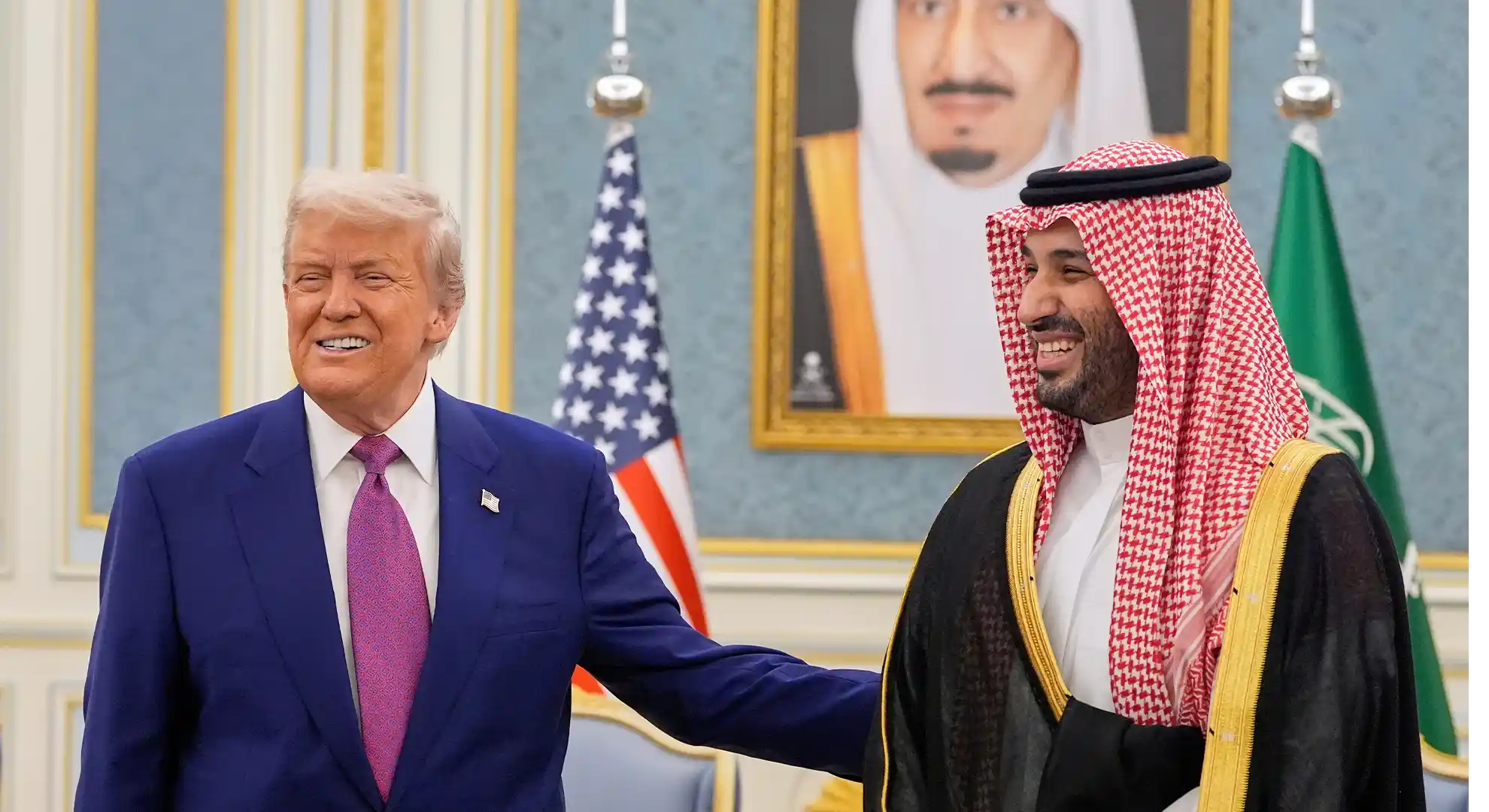
During a welcoming ceremony in Riyadh on May 13, 2025, U.S. President Donald Trump greeted Saudi Crown Prince Mohammed bin Salman with a handshake, according to Reuters.
Crown Prince Mohammed bin Salman is preparing to return to Washington this week, ending a seven-year gap in high-level visits to the United States. His trip comes at a moment of shifting regional dynamics and heightened security concerns across the Gulf. During his meetings, the prince is expected to emphasize one key objective above all others: securing stronger, clearer, and more binding security assurances from the United States. These guarantees, in his view, have become increasingly essential as tensions and volatility spread throughout the Middle East.
President Donald Trump, for his part, is anticipated to bring a different priority to the table. He is likely to use the discussions to encourage the Saudi leadership to move toward normalized relations with Israel—an outcome long sought by multiple U.S. administrations but still viewed as premature by Saudi Arabia’s current leadership. While the White House sees normalization as a path to reshaping regional alliances, the Saudi government remains cautious and believes that conditions are not yet ripe for such a step. The gap between the two sides’ agendas is expected to be a central theme of the visit.
For Riyadh, the timing of this trip is shaped by events that have unsettled the Gulf in recent months. The Israeli attacks on targets in Qatar in September—strikes that alarmed governments throughout the region—highlighted vulnerabilities even in countries protected by strong American partnerships. Qatar’s close alignment with Washington has not prevented it from being drawn into confrontation, and this fact has not been lost on Saudi leadership. The episode underscored the unpredictable nature of regional conflict and the need, from the Saudi perspective, for more robust and explicit American guarantees that could deter threats and reassure Gulf allies.
Saudi officials have repeatedly stressed that, while they are open to discussing a range of regional issues with Washington, formal recognition of Israel cannot proceed under current circumstances. They argue that normalization must be linked to progress on the Palestinian question and broader regional stability—conditions they believe are far from being met. In addition, the Saudi public remains deeply sensitive to developments involving Israel, and any move toward diplomatic engagement would require careful political groundwork at home.
Thus, despite the American administration’s hopes, Saudi Arabia is not expected to commit to normalization during this visit. Instead, the discussions are likely to center on what Riyadh views as its most urgent requirement: a reinforced security framework that clearly outlines the obligations of the United States should Saudi Arabia come under threat. The kingdom is seeking commitments that go beyond general assurances or vague statements of partnership, aiming instead for concrete, dependable terms that would strengthen deterrence and stability.
The prince’s return to Washington marks an important moment in U.S.–Saudi relations, one shaped by evolving regional crises, renewed diplomatic outreach, and differing expectations on both sides. While normalization may remain a long-term possibility, the immediate focus will be on addressing Saudi Arabia’s security concerns and redefining the foundations of its strategic partnership with the United States.
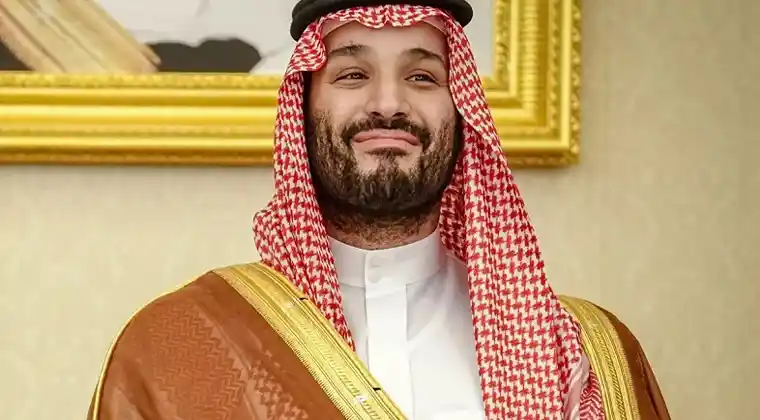
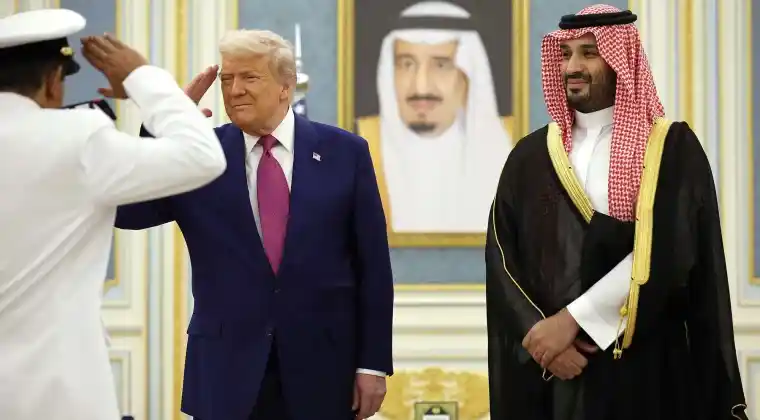
Aziz Alghashian, a researcher with the Washington-based Arab Gulf States Institute, explained that Saudi Arabia’s intentions for this visit can be understood through three major objectives. According to his analysis, Riyadh is looking to strengthen its strategic position by advancing several layers of security cooperation with the United States.
First, the kingdom aims to raise the level of engagement with American defense institutions, ensuring that its concerns are treated as high-priority issues within U.S. policy circles. This involves not only reaffirming the long-standing partnership but also demonstrating that Saudi Arabia remains a central player in regional stability.
Second, the leadership wants to consolidate existing arrangements, bringing together a patchwork of defense understandings into a clearer, more structured framework. By doing so, the Saudis hope to reduce ambiguity in the relationship and create a foundation that both sides can rely on during periods of tension.
Finally, Alghashian notes that the trip is also about creating smoother pathways for future collaboration. This includes improving coordination mechanisms, facilitating joint projects, and ensuring that both countries are aligned on long-term strategic goals.
Together, these aims reflect Riyadh’s broader strategy to deepen and modernize its defense ties with Washington at a time of heightened regional uncertainty.
Crown Prince Mohammed bin Salman has cultivated a notably warm rapport with former President Donald Trump, a relationship strengthened during Trump’s high-profile visit to Saudi Arabia in May several years ago. That trip, marked by elaborate ceremonies and grand displays of hospitality, also produced headline-grabbing financial announcements, including investment commitments reportedly totaling around $600 billion. The experience helped solidify a sense of personal and political closeness between the two leaders, which continues to shape their interactions today.
According to a source familiar with government planning who spoke earlier to AFP, the crown prince’s upcoming trip to the United States will span three days, beginning on Monday. His meeting with Trump is scheduled for Tuesday. As is common with the Saudi ruler’s international travel, the details were not disclosed publicly until very close to the departure date, reflecting Riyadh’s typical preference for tight security and limited advance publicity.
In parallel with the political engagements, Washington will host a U.S.–Saudi investment forum timed to coincide with the prince’s visit. Information on the event’s official site indicates that discussions will focus heavily on cooperation in energy sectors and emerging technologies, particularly artificial intelligence, signaling both nations’ interest in deepening economic ties in these rapidly evolving fields.
In the days leading up to the crown prince’s visit, Donald Trump has repeatedly highlighted Saudi Arabia when discussing the future of the Abraham Accords. Bringing Riyadh into the agreement has long been seen in Washington as the ultimate diplomatic achievement — a symbolic and strategic breakthrough that would reshape regional alliances. Yet, given the aftermath of the Israel–Hamas conflict, Saudi leaders have shown little inclination to move in that direction anytime soon.
Speaking at a business gathering in Miami, Trump emphasized his optimism, noting that several nations had already joined the normalization framework and expressing hope that Saudi Arabia would eventually follow. His remarks reflected the White House’s enduring desire to secure Riyadh’s participation, even though the political landscape has shifted dramatically over the past two years.
Progress that had been underway before the outbreak of the 2023 war in Gaza — including discussions that linked normalization to enhanced security guarantees and energy cooperation — was abruptly halted once Hamas carried out its attacks and Israel launched a wide-ranging military response. The devastation that followed hardened Saudi Arabia’s position.
Today, the kingdom is not prepared to take steps toward recognizing Israel while it leads international diplomatic efforts calling for an independent Palestinian state, a condition it has consistently upheld as essential before any formal ties can be established.
Speaking at the Manama Dialogue in Bahrain earlier this month, Manal Radwan — the lead negotiator at Saudi Arabia’s foreign ministry — emphasized once again that establishing an independent Palestinian state remains essential for any broader regional cooperation. She noted that Riyadh has repeated this stance on numerous occasions, yet it often seems to fall on deaf ears because the same question continues to resurface.
Given this firm position, the crown prince is not expected to pursue normalization talks at this stage. Instead, his priority during discussions with Washington will be to secure stronger and more explicit security commitments from the United States.
Recent developments in the region have made such guarantees even more desirable. Qatar, for instance, received a significant pledge when Trump signed an executive order promising U.S. protection after Israel’s strike — a move analysts say other Gulf nations are eager to obtain for themselves.
Saudi Arabia is also reportedly pushing for major military acquisitions. Alongside advanced air-defense and missile-defense capabilities, Riyadh is seeking approval to purchase F-35 fighter jets — aircraft that, so far, only Israel operates anywhere in the Middle East.
Beyond defense hardware, experts say the kingdom will also advocate for access to sophisticated semiconductor chips, which are vital for advancing its fast-growing artificial intelligence sector and supporting its broader technological ambitions.
As Saudi Arabia pushes forward with major tourism and entertainment initiatives designed to move its economy beyond dependence on oil, the kingdom has also made a deliberate effort to reduce friction across the region — including in its long-tense relationship with Iran.
According to Radwan, Riyadh intends to keep playing a constructive, mediating role when it comes to Iran. She stressed that meaningful progress on the nuclear issue will ultimately require direct talks between Tehran and Washington, as no alternative approach is likely to produce a lasting solution.
Security analyst Andreas Krieg of King’s College London explained that the central question now is whether the crown prince can secure a long-term strategic agreement with the United States — one that would offer reliable protection against Iranian threats and help stabilize the foundations of Vision 2030, the kingdom’s sweeping modernization and diversification blueprint.
Krieg added that Washington, in exchange, is expected to seek firmer assurances from Riyadh on several fronts. These include stronger limitations on sensitive cooperation with China and visible steps that could eventually support a pathway toward Israeli–Saudi normalization, alongside progress toward a credible political future for the Palestinians.
Saudi Arabia is moving aggressively to reshape its economic landscape, investing heavily in large-scale tourism, entertainment, and cultural projects aimed at reducing the kingdom’s long-standing reliance on oil revenue. These ambitious initiatives, which are central to Vision 2030 — Riyadh’s overarching blueprint for modernization and economic diversification — are intended not only to transform the domestic economy but also to enhance the country’s global profile as a hub for innovation, culture, and leisure. Alongside these economic reforms, the kingdom has taken steps to ease tensions in a region long marked by rivalry and instability, with particular attention on its complicated relationship with Iran.
Manal Radwan, the head of Saudi Arabia’s negotiating team at the foreign affairs ministry, emphasized that Riyadh continues to see itself as a mediator capable of fostering dialogue in the Gulf. She highlighted the nuclear issue with Iran as a prime example of where Saudi diplomacy seeks to play a constructive role, noting that meaningful progress can only be achieved through direct engagement between Tehran and Washington. Radwan underscored that indirect measures or peripheral agreements alone are insufficient to resolve the complexities of the nuclear question, and that only face-to-face negotiations between the two nations can produce a sustainable outcome.
Beyond these regional considerations, Saudi Arabia is simultaneously focused on strengthening its strategic ties with the United States. Security expert Andreas Krieg, from King’s College London, explained that the immediate challenge for Crown Prince Mohammed bin Salman is to establish a long-term U.S.–Saudi security framework capable of delivering credible deterrence against Iranian threats. Such an agreement would not merely be a defense pact; it would serve as a foundational pillar supporting Vision 2030, providing the kingdom with the stability needed to pursue broad economic and social reforms without being overshadowed by regional volatility.
Krieg further noted that this strategic partnership will not be one-sided. Washington is expected to press Riyadh for firm commitments on several fronts. This includes limiting sensitive collaborations with China, a key concern for U.S. policymakers wary of technology transfers and dual-use capabilities. Additionally, the United States is likely to link any security guarantees to Riyadh making incremental progress on regional diplomatic initiatives, including potential steps toward normalization with Israel. While Saudi Arabia has made clear that formal recognition of Israel is contingent on progress for the Palestinian cause, Washington may also seek indications of tangible political engagement aimed at advancing Palestinian statehood as part of a broader framework for regional stability.
In essence, the crown prince’s current diplomatic efforts represent a balancing act: reinforcing Saudi Arabia’s defense and strategic relationship with the United States, mitigating the risks posed by regional tensions — particularly with Iran — and laying the groundwork for economic diversification and modernization. Success would hinge on aligning multiple high-stakes objectives, from securing credible security guarantees and advanced military capabilities to creating conditions for gradual political progress on long-standing regional disputes. Analysts suggest that how effectively Riyadh navigates these interconnected priorities could determine both the immediate security environment in the Gulf and the long-term success of Vision 2030, which seeks to redefine the kingdom’s economic, technological, and societal trajectory.